Healthy Aging and Mobility Exercises
Regular physical activity, including mobility exercises, plays a crucial role in promoting healthy aging. These exercises help seniors maintain flexibility, strength, and balance, ultimately enhancing their overall quality of life.
Low-Impact Exercises for Seniors
- Gentle stretching routines to improve flexibility and range of motion.
- Walking or brisk walking to boost cardiovascular health and maintain muscle tone.
- Water aerobics or swimming for a full-body workout with minimal impact on joints.
- Chair exercises to strengthen muscles and improve stability.
Improving Balance and Preventing Falls
Mobility exercises can significantly enhance balance and coordination in older adults, reducing the risk of falls. By incorporating exercises that focus on core strength and proprioception, seniors can build stability and prevent accidents that may lead to injuries.
Creating a Personalized Mobility Routine
- Consult with a healthcare provider or a fitness professional to assess your current fitness level and set realistic goals.
- Include a variety of exercises that target different muscle groups and movement patterns.
- Start slowly and gradually increase the intensity and duration of your workouts to avoid overexertion.
- Listen to your body and make adjustments as needed to accommodate any physical limitations or discomfort.
Healthy Habits
Healthy aging and mobility exercises – Establishing and maintaining healthy habits is essential for successful aging and overall well-being. These habits encompass various aspects of life, including nutrition, physical activity, and emotional wellness.
Role of Nutrition
Proper nutrition plays a crucial role in maintaining overall health and vitality as we age. Consuming a balanced diet rich in fruits, vegetables, whole grains, lean proteins, and healthy fats provides essential nutrients that support bodily functions and help prevent chronic diseases.
- Aim to include a variety of colorful fruits and vegetables in your meals to ensure a diverse range of vitamins and minerals.
- Stay hydrated by drinking an adequate amount of water throughout the day to support digestion, circulation, and overall health.
- Avoid excessive intake of processed foods, sugary beverages, and high-sodium meals, as they can contribute to inflammation and increase the risk of health issues.
Regular Physical Activity
Engaging in regular physical activity is key to promoting healthy aging and maintaining mobility, strength, and flexibility. Exercise not only improves physical health but also enhances cognitive function and reduces the risk of chronic conditions such as heart disease, diabetes, and osteoporosis.
- Include a combination of aerobic exercises, strength training, and flexibility exercises in your weekly routine to target different aspects of fitness.
- Find activities you enjoy, such as walking, swimming, yoga, or dancing, to make exercise a sustainable and enjoyable habit.
- Consult with a healthcare provider or a fitness professional to develop a safe and effective exercise plan tailored to your individual needs and abilities.
Mindfulness Practices
Incorporating mindfulness practices into daily routines can promote emotional well-being, reduce stress, and enhance overall quality of life. Mindfulness involves being present in the moment, cultivating self-awareness, and practicing acceptance and compassion towards oneself and others.
- Start your day with a few minutes of mindful breathing or meditation to center yourself and set a positive tone for the day.
- Practice gratitude by reflecting on things you are thankful for each day, which can help shift your focus towards positivity and contentment.
- Engage in activities that bring you joy and relaxation, such as spending time in nature, practicing yoga, or engaging in creative pursuits.
Emotional Wellbeing

Emotional wellbeing plays a crucial role in healthy aging, as it impacts overall quality of life and physical health.
As individuals age, they may encounter various stressors such as health issues, loss of loved ones, or changes in living situations. Managing stress effectively and promoting mental resilience are essential for maintaining emotional balance and a positive mindset.
Strategies for Managing Stress and Promoting Mental Resilience
- Practice relaxation techniques such as deep breathing, meditation, or yoga to reduce stress levels.
- Engage in physical activities like walking, swimming, or dancing to boost mood and mental resilience.
- Seek social support from friends, family, or support groups to cope with challenges and maintain emotional wellbeing.
Techniques for Fostering a Positive Mindset and Emotional Balance
- Practice gratitude by reflecting on things you are thankful for each day.
- Challenge negative thoughts and replace them with positive affirmations to shift your mindset.
- Engage in hobbies or activities that bring you joy and a sense of accomplishment.
Activities to Enhance Emotional Wellbeing in Older Adults
- Joining a book club or discussion group to stay socially connected and stimulated.
- Volunteering for a cause that is meaningful to you to give back to the community and feel a sense of purpose.
- Practicing mindfulness or tai chi to improve focus, reduce anxiety, and promote emotional balance.
Active Lifestyle
Leading an active lifestyle is crucial for healthy aging as it has numerous benefits for physical and mental wellbeing. Staying physically active as you age can help improve mobility, flexibility, cardiovascular health, and overall quality of life.
Benefits of an Active Lifestyle for Healthy Aging
Regular physical activity can help maintain muscle strength, improve balance and coordination, reduce the risk of chronic diseases such as heart disease, diabetes, and osteoporosis, and enhance cognitive function. It also promotes better sleep, mood, and overall mental health.
Tips for Staying Physically Active as You Age
- Start slowly and gradually increase the intensity of your workouts.
- Find activities you enjoy, such as walking, swimming, dancing, or gardening.
- Incorporate strength training exercises to maintain muscle mass and bone density.
- Stay hydrated and listen to your body to avoid overexertion.
- Stay consistent with your exercise routine to reap the long-term benefits.
Fun Activities that Promote Mobility and Flexibility
- Yoga: Improves flexibility, balance, and strength.
- Dancing: Enhances coordination and cardiovascular health.
- Aquatic exercises: Gentle on the joints while improving mobility and strength.
- Tai Chi: Promotes relaxation, balance, and flexibility.
Importance of Regular Exercise for Cardiovascular Health
Regular exercise, such as aerobic activities like brisk walking, cycling, or swimming, can help improve cardiovascular health by strengthening the heart, lowering blood pressure, and reducing the risk of stroke and heart disease. It also helps in maintaining a healthy weight and improving overall wellbeing.
Cardiovascular Health
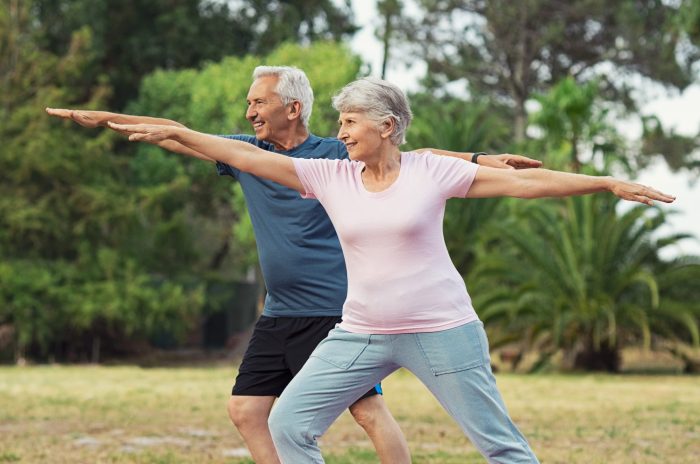
Maintaining cardiovascular health is crucial for healthy aging as it helps reduce the risk of heart disease, stroke, and other related conditions.
Exercise and Nutrition for Heart Health
Regular physical activity, such as brisk walking, swimming, or cycling, can improve heart function and strengthen the cardiovascular system. Combine this with a balanced diet rich in fruits, vegetables, whole grains, and lean proteins to support heart health.
Maintaining Healthy Blood Pressure and Cholesterol Levels
To keep blood pressure and cholesterol in check, limit salt intake, avoid trans fats, and incorporate foods high in fiber and omega-3 fatty acids. Regular monitoring and consultation with a healthcare provider are also essential.
Examples of Cardiovascular Exercises for Older Adults
- Walking: A low-impact exercise that can be easily incorporated into daily routines.
- Swimming: Gentle on the joints and provides a full-body workout.
- Cycling: Improves cardiovascular fitness and leg strength.
- Dancing: Fun way to stay active and boost heart health.
Healthy Recipes: Healthy Aging And Mobility Exercises
To support healthy aging, it is essential to incorporate nutritious recipes into your daily meals. These recipes play a crucial role in providing the body with the necessary nutrients to maintain vitality and overall wellbeing. Antioxidants and superfoods are particularly beneficial in promoting healthy aging by protecting the body from oxidative stress and inflammation. Meal planning and creating balanced, nutrient-rich meals are key aspects of a healthy diet for seniors. Additionally, staying hydrated is essential for maintaining optimal health and supporting bodily functions.
Role of Antioxidants and Superfoods
Antioxidants found in fruits, vegetables, nuts, and seeds help combat free radicals in the body, reducing the risk of chronic diseases and promoting healthy aging. Superfoods such as blueberries, spinach, and kale are packed with essential nutrients and antioxidants that support overall health and vitality.
Meal Planning and Balanced Nutrition
When planning meals for healthy aging, focus on incorporating a variety of colorful fruits and vegetables, lean proteins, whole grains, and healthy fats. Aim for nutrient-rich foods that provide essential vitamins and minerals to support overall health. Consider portion sizes and balance different food groups to create well-rounded meals that meet your dietary needs.
Importance of Hydration
Staying hydrated is crucial for seniors to support digestion, nutrient absorption, and overall health. Aim to drink an adequate amount of water throughout the day and include hydrating foods such as fruits and vegetables in your meals. Proper hydration can help maintain energy levels, cognitive function, and physical performance as you age.
Mental Resilience
As we age, maintaining mental resilience becomes crucial for overall wellbeing. Mental resilience refers to the ability to adapt to stress, challenges, and changes, which is essential for navigating the aging process with positivity and strength.
Enhancing Cognitive Function and Brain Health, Healthy aging and mobility exercises
Ensuring cognitive function and brain health is vital for promoting mental resilience. Here are some strategies to enhance brain health:
- Engage in regular mental exercises such as puzzles, crosswords, and memory games to stimulate the brain.
- Stay physically active, as exercise has been linked to improved brain function and reduced risk of cognitive decline.
- Adopt a healthy diet rich in antioxidants, omega-3 fatty acids, and vitamins to support brain health.
Brain-Stimulating Activities and Exercises
Participating in brain-stimulating activities and exercises can help boost cognitive function and resilience. Here are some examples:
- Learning a new skill or hobby, such as painting, playing a musical instrument, or learning a new language.
- Reading regularly to keep the brain active and engaged.
- Engaging in social activities that require problem-solving and critical thinking, such as group discussions or board games.
Role of Social Connections in Promoting Mental Wellbeing
Social connections play a significant role in promoting mental wellbeing and resilience. Building and maintaining strong social connections can:
- Provide emotional support during challenging times, reducing feelings of isolation and loneliness.
- Offer opportunities for social interaction, which can stimulate the brain and improve cognitive function.
- Enhance overall quality of life and mental health by fostering a sense of belonging and connectedness.
Immune Support
Maintaining a strong immune system is crucial for healthy aging as it helps the body defend against infections and diseases. A robust immune system can also contribute to faster recovery times and overall well-being in older adults.
Proper Nutrition and Hydration
Proper nutrition and hydration play a key role in supporting the immune system. Eating a balanced diet rich in vitamins, minerals, and antioxidants helps provide the necessary nutrients for immune function. Staying hydrated is also important for flushing out toxins and supporting overall immune health.
Lifestyle Choices for Boosting Immunity
- Regular exercise: Physical activity can help boost the immune system and reduce inflammation.
- Quality sleep: Adequate rest is essential for immune function and overall health.
- Stress management: Chronic stress can weaken the immune system, so finding ways to relax and de-stress is important.
- Limiting alcohol and tobacco: Excessive alcohol consumption and smoking can impair immune function, so it’s best to avoid or limit these habits.
Immune-Boosting Foods and Supplements
Include the following immune-boosting foods in your diet:
- Citrus fruits: Rich in vitamin C, which is known to enhance immune function.
- Leafy greens: Packed with vitamins and antioxidants that support overall health.
- Yogurt: Contains probiotics that promote gut health, which is linked to immune function.
It’s important to consult with a healthcare provider before starting any new supplements to ensure they are safe and appropriate for you.
Stress Relief
Stress can have a significant impact on the aging process, leading to various health issues and affecting overall well-being. It is essential for older adults to find effective ways to manage stress to maintain a healthy and active lifestyle.
Relaxation Techniques and Stress-Relief Strategies
- Practice deep breathing exercises to calm the mind and body.
- Engage in activities like yoga or tai chi to reduce stress levels.
- Spend time in nature or listen to calming music to relax and unwind.
- Try progressive muscle relaxation to release tension in the body.
Mindfulness Practices for Stress Management
- Practice mindfulness meditation to increase awareness and reduce stress.
- Focus on the present moment and let go of worries about the past or future.
- Use guided imagery to visualize peaceful settings and promote relaxation.
- Practice gratitude by reflecting on positive aspects of your life.
Importance of Self-Care and Finding Balance
- Make time for activities you enjoy and prioritize self-care.
- Set boundaries to avoid overcommitting and prioritize rest and relaxation.
- Eat a balanced diet, exercise regularly, and get enough sleep to support overall well-being.
- Seek support from friends, family, or a therapist if stress becomes overwhelming.
Nutritional Balance
Maintaining a balanced diet is crucial for healthy aging as it provides the necessary nutrients to support overall health and wellbeing. As we age, our bodies may require different nutrients to support various bodily functions and reduce the risk of age-related diseases.
Importance of Essential Nutrients for Older Adults
- Protein: Helps maintain muscle mass and strength, important for mobility and injury prevention.
- Calcium and Vitamin D: Essential for bone health and reducing the risk of osteoporosis.
- B Vitamins: Support energy production and cognitive function.
- Omega-3 Fatty Acids: Reduce inflammation and support heart health.
- Fiber: Aids in digestion and helps maintain a healthy weight.
Tips for Achieving Nutritional Balance Through Food Choices
- Include a variety of fruits, vegetables, whole grains, lean proteins, and healthy fats in your diet.
- Avoid processed foods high in sugar, salt, and unhealthy fats.
- Stay hydrated by drinking plenty of water throughout the day.
- Limit alcohol consumption and opt for herbal teas or infused water instead.
Examples of Meal Plans Supporting Overall Health and Wellbeing
| Breakfast | Lunch | Dinner |
|---|---|---|
| Scrambled eggs with spinach and whole grain toast | Grilled chicken salad with mixed greens and quinoa | Baked salmon with roasted sweet potatoes and steamed broccoli |
| Fruit smoothie with Greek yogurt and chia seeds | Vegetable stir-fry with tofu and brown rice | Turkey chili with kidney beans and side salad |
FAQ Summary
How often should seniors engage in mobility exercises?
Seniors should aim for at least 150 minutes of moderate-intensity aerobic activity per week, along with muscle-strengthening exercises on two or more days a week.
Are there specific mobility exercises for seniors with mobility issues?
Yes, there are modified exercises that can cater to seniors with mobility challenges, focusing on improving range of motion and flexibility without causing strain.
Can mindfulness practices benefit older adults?
Absolutely, mindfulness practices have been shown to reduce stress, enhance focus, and promote emotional wellbeing in older adults, contributing to a higher quality of life.