Introduction to Cardiovascular Health Benefits of Walking
Cardiovascular health benefits of walking – Cardiovascular health refers to the overall well-being of the heart and blood vessels, essential for the proper functioning of the circulatory system. It is crucial for maintaining optimal blood flow and delivering nutrients and oxygen to the body’s tissues and organs.
Walking, a simple yet effective form of exercise, plays a significant role in promoting cardiovascular health. It is a low-impact activity that can be easily incorporated into daily routines, making it accessible to individuals of all ages and fitness levels.
The Significance of Maintaining a Healthy Heart Through Physical Activity
- Regular walking helps strengthen the heart muscle, improving its efficiency in pumping blood throughout the body.
- By increasing heart rate and circulation, walking helps lower blood pressure and reduce the risk of heart disease and stroke.
- Engaging in physical activity like walking can also help manage cholesterol levels and maintain a healthy weight, further supporting cardiovascular health.
- Walking stimulates the release of endorphins, reducing stress and improving overall mental well-being, which in turn benefits heart health.
Physical Benefits of Walking for Cardiovascular Health
Walking is a simple yet effective way to improve cardiovascular health by boosting heart function, enhancing blood circulation, and reducing the risk of heart diseases.
Boosts Heart Health
Walking regularly helps strengthen the heart muscle, making it more efficient at pumping blood throughout the body. This increased efficiency lowers the resting heart rate and reduces the workload on the heart, ultimately leading to a healthier heart.
Impact on Blood Circulation
Walking stimulates blood flow and circulation, which is essential for delivering oxygen and nutrients to all parts of the body. Improved circulation also helps in removing waste and toxins, promoting overall cardiovascular health.
Reduces Risk of Heart Diseases
Engaging in brisk walking on a consistent basis can lower the risk of developing heart diseases such as coronary artery disease, hypertension, and stroke. It helps in maintaining healthy blood pressure levels, cholesterol levels, and weight, all of which are crucial factors in preventing heart-related issues.
Comparison of Walking with Other Cardiovascular Exercises
Walking is a popular form of exercise due to its accessibility and low-impact nature. Let’s compare the benefits of walking with running, cycling, and swimming for heart health.
Benefits of Walking vs. Running, Cycling, and Swimming
- Walking is a low-impact exercise option, making it gentler on the joints compared to running, which can be high-impact and lead to injuries over time.
- Cycling provides a great cardiovascular workout while being low-impact, similar to walking, but it may require specialized equipment and is not as easily accessible as walking.
- Swimming is a full-body workout that is also low-impact, making it ideal for individuals with joint issues. However, access to a pool may not always be convenient, unlike walking which can be done almost anywhere.
Long-Term Cardiovascular Benefits of Walking
Regular walking has been shown to have numerous long-term benefits for cardiovascular health:
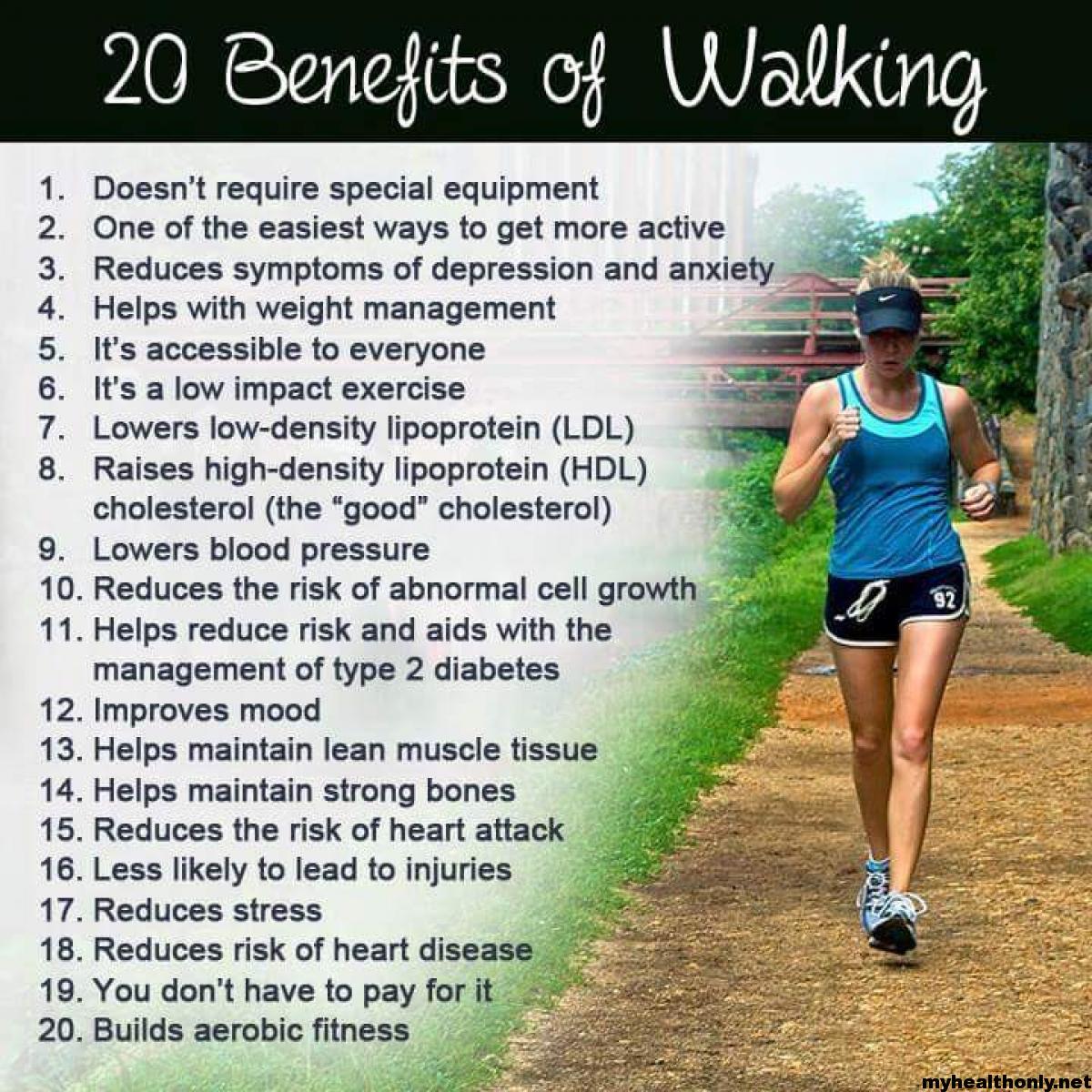
- Improves circulation and helps lower blood pressure, reducing the risk of heart disease and stroke.
- Increases HDL (good) cholesterol levels while lowering LDL (bad) cholesterol, improving overall heart health.
- Helps maintain a healthy weight, reducing the risk of obesity-related heart conditions.
- Reduces stress and anxiety, which can contribute to better heart health and overall well-being.
Tips for Incorporating Walking into a Healthy Lifestyle
To make walking a regular part of your routine and reap the cardiovascular benefits it offers, here are some tips to help you get started and stay motivated.
Strategies for Beginners to Start a Walking Routine
- Start slow and gradually increase your pace and duration as you build stamina.
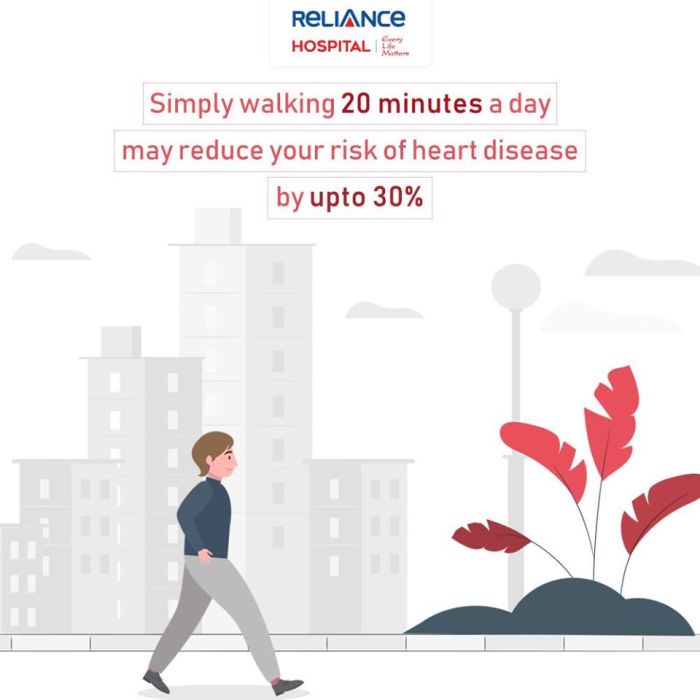
- Set achievable goals, such as walking for 30 minutes a day, and track your progress.
- Find a walking buddy or join a walking group for added motivation and accountability.
- Invest in a good pair of walking shoes to ensure comfort and prevent injury.
Ways to Increase Intensity and Duration of Walks
- Incorporate intervals of brisk walking or uphill terrain to challenge your cardiovascular system.
- Try to walk for longer periods or increase your walking speed to elevate your heart rate and improve endurance.
- Add variety to your walks by exploring different routes or incorporating strength training exercises like lunges or squats.
- Consider using fitness trackers or apps to monitor your steps, distance, and calories burned for extra motivation.
Recommendations to Incorporate Walking into Daily Activities
- Park farther away from your destination or opt for walking or cycling instead of driving for short trips.
- Take the stairs instead of the elevator whenever possible to sneak in extra steps throughout the day.
- Use a standing desk at work or schedule walking meetings to break up long periods of sitting.
- Set reminders on your phone or calendar to prioritize daily walks and make them a non-negotiable part of your routine.
Emotional Wellbeing and Cardiovascular Health
Regular walking not only benefits physical health but also plays a crucial role in improving emotional wellbeing, which in turn contributes to better cardiovascular health. The connection between emotional health and heart health is significant, as stress, anxiety, and depression can have negative impacts on the heart.
Improving Mood and Reducing Stress through Walking
Walking is a simple yet effective way to boost mood and reduce stress levels. Physical activity releases endorphins, also known as “feel-good” hormones, which can elevate mood and create a sense of well-being. By incorporating walking into your daily routine, you can experience these mood-boosting benefits and lower stress levels, ultimately benefiting your cardiovascular health.
- Walking outdoors in nature can have a calming effect on the mind and body, reducing stress and promoting relaxation.
- Regular physical activity like walking can help manage symptoms of anxiety and depression, improving overall emotional wellbeing.
- Creating a walking routine with a friend or loved one can provide social support and additional emotional benefits.
Role of Emotional Wellbeing in Heart Health
Emotional wellbeing is closely linked to heart health, as chronic stress and negative emotions can contribute to the development of heart disease. By managing stress levels and improving mood through activities like walking, individuals can reduce their risk of cardiovascular issues and promote overall heart health.
It’s important to prioritize emotional wellbeing alongside physical health to achieve holistic wellness and support cardiovascular health.
Healthy Aging and Walking for Cardiovascular Health
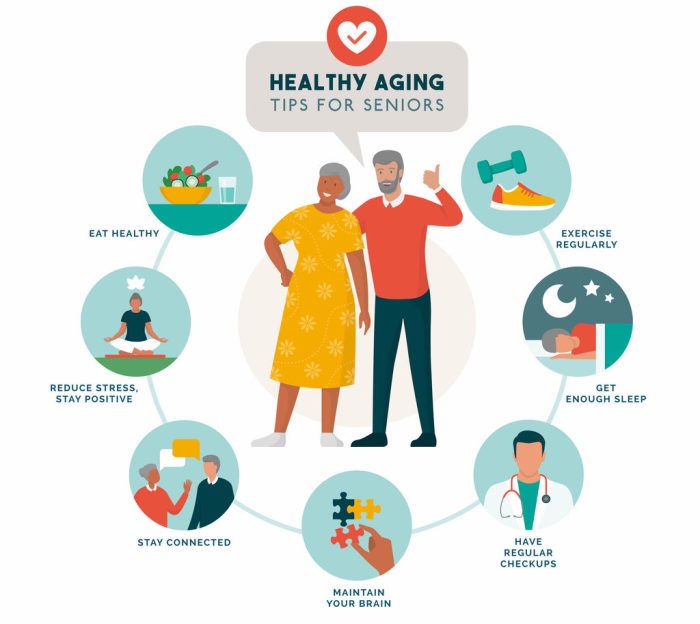
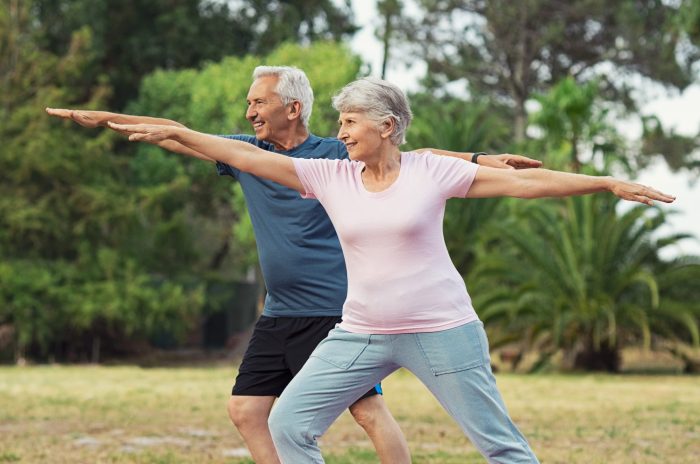
As individuals age, maintaining cardiovascular health becomes increasingly important. Walking is a simple yet effective way for older adults to improve heart health and overall well-being.
Impact of Walking on Cardiovascular Health in Older Adults
Walking regularly has been shown to have a positive impact on cardiovascular health in older adults. It can help improve blood circulation, lower blood pressure, and reduce the risk of heart disease.
How Walking Helps in Maintaining Heart Health as Individuals Age
- Improves cardiovascular fitness and endurance.
- Strengthens the heart muscle and improves overall heart function.
- Helps in maintaining a healthy weight and reducing the risk of obesity-related heart conditions.
- Reduces stress and anxiety, which can have a positive impact on heart health.
Tips for Seniors to Safely Engage in Walking for Cardiovascular Benefits
- Consult with a healthcare provider before starting a new walking routine.
- Start slow and gradually increase the duration and intensity of your walks.
- Wear proper footwear and comfortable clothing to prevent injuries.
- Stay hydrated and take breaks when needed, especially in hot weather.
- Consider walking with a buddy or joining a walking group for added motivation and safety.
Active Lifestyle Promotion through Walking
Walking plays a crucial role in promoting an active lifestyle by offering a simple yet effective way to incorporate physical activity into daily routines.
Importance of Regular Physical Activity
Regular physical activity, such as walking, is essential for overall health and wellbeing. It helps to improve cardiovascular health, boost energy levels, enhance mood, and manage weight.
Integration of Walking into Daily Routine, Cardiovascular health benefits of walking
- Walk or bike to work instead of driving.
- Take the stairs instead of the elevator.
- Go for a walk during your lunch break.
- Walk with family or friends after dinner.
- Use a pedometer to track your steps and set goals.
Healthy Recipes to Complement Cardiovascular Health Benefits of Walking
Regular physical activity like walking plays a crucial role in maintaining cardiovascular health. Pairing this with a nutritious diet can further enhance the benefits. Here are some heart-healthy recipes to complement the cardiovascular health benefits of walking.
Avocado and Salmon Salad
- Ingredients: Fresh salmon fillet, avocado, mixed greens, cherry tomatoes, cucumber, olive oil, lemon juice, salt, and pepper.
- Instructions: Grill the salmon, slice avocado and vegetables, toss together with greens, and drizzle with olive oil and lemon juice. Season with salt and pepper.
- Benefits: Salmon provides omega-3 fatty acids for heart health, while avocado offers monounsaturated fats and fiber.
Quinoa Stuffed Bell Peppers
- Ingredients: Bell peppers, quinoa, black beans, corn, tomatoes, onion, garlic, cumin, paprika, and cheese.
- Instructions: Cook quinoa, sauté vegetables, mix in spices and beans, stuff peppers, top with cheese, and bake until tender.
- Benefits: Quinoa is a complete protein source with fiber, and the veggies offer vitamins and antioxidants.
Fruit and Nut Energy Bites
- Ingredients: Dates, almonds, dried cranberries, chia seeds, and dark chocolate chips.
- Instructions: Blend dates and almonds, add other ingredients, form into balls, and refrigerate until firm.
- Benefits: These bites provide a natural source of energy, fiber, healthy fats, and antioxidants.
Mental Resilience and Cardiovascular Health
Maintaining mental resilience is crucial for overall well-being, including heart health. Psychological factors like stress, anxiety, and depression can have a negative impact on cardiovascular health. Building mental resilience can help individuals cope better with life’s challenges and reduce the risk of heart disease.
Role of Walking in Building Mental Resilience
Walking is a simple yet effective way to enhance mental resilience. Physical activity, such as walking, releases endorphins that act as natural mood lifters. Regular walking can help reduce stress, improve sleep quality, and boost self-esteem, all of which contribute to better mental resilience.
- Walking as a Stress Reliever: Engaging in a brisk walk can help clear the mind and reduce stress levels. The rhythmic motion of walking can be meditative and calming, providing a much-needed break from daily worries.
- Enhanced Cognitive Function: Walking has been linked to improved cognitive function and memory. This can help individuals think more clearly and make better decisions, ultimately leading to increased mental resilience.
- Social Interaction: Walking with a friend or in a group can provide social support, which is essential for mental well-being. Connecting with others while walking can reduce feelings of isolation and strengthen relationships, leading to improved mental resilience.
Psychological Benefits of Walking for Cardiovascular Wellness
The psychological benefits of walking extend beyond mental resilience and can positively impact overall cardiovascular wellness.
Regular walking has been shown to decrease symptoms of anxiety and depression, which are risk factors for heart disease.
- Improved Mood: Walking releases feel-good chemicals in the brain, such as endorphins and serotonin, which can help improve mood and reduce the risk of developing mental health conditions.
- Stress Reduction: Walking outdoors in nature can have a calming effect on the mind and body, reducing stress levels and promoting relaxation. This, in turn, can benefit heart health by lowering blood pressure and reducing the risk of heart disease.
- Enhanced Quality of Life: By incorporating walking into a daily routine, individuals can experience a better quality of life, improved mental well-being, and overall cardiovascular health. Walking is a sustainable and accessible form of exercise that can be enjoyed by people of all ages and fitness levels.
Immune Support and Walking for Cardiovascular Health
Regular walking not only benefits cardiovascular health but also plays a crucial role in boosting the immune system. The immune system is our body’s defense mechanism against infections and illnesses, and a strong immune system is essential for overall wellbeing. Let’s delve into how walking can contribute to supporting both cardiovascular health and immune function.
Benefits of Walking for Immune Support
- Regular physical activity, such as walking, helps to improve circulation and promote the efficient functioning of immune cells throughout the body.
- Walking can reduce inflammation, which is a common factor in many chronic diseases, including heart disease, by regulating the immune response.
- Engaging in moderate-intensity walking has been shown to reduce the risk of respiratory infections, such as the common cold, by enhancing the immune system’s ability to fight off pathogens.
Connection Between Immune System and Heart Health
- A strong immune system is closely linked to heart health, as chronic inflammation and immune dysfunction can contribute to the development of cardiovascular diseases.
- Regular walking can help lower levels of inflammatory markers in the body, reducing the risk of heart disease and supporting overall cardiovascular health.
- By maintaining a healthy immune system through activities like walking, individuals can better protect themselves against conditions that may impact heart function.
Role of Walking in Maintaining Immune Health
- Consistent physical activity, such as walking, can help regulate immune function by promoting the production of antibodies and enhancing the body’s ability to defend against infections.
- Walking outdoors exposes individuals to fresh air and sunlight, which can further support immune function by increasing vitamin D levels and improving mood.
- Regular walking also aids in reducing stress levels, which can have a positive impact on immune health and overall wellbeing.
Stress Relief through Walking for Cardiovascular Health
Walking not only benefits your physical health but also plays a vital role in reducing stress levels, which in turn promotes cardiovascular wellness. The act of walking can have a calming effect on the mind and body, providing a natural way to alleviate stress and anxiety.
Reducing Cortisol Levels
Walking has been shown to reduce cortisol levels in the body, which is often referred to as the stress hormone. High levels of cortisol can have a negative impact on cardiovascular health, leading to increased blood pressure and inflammation. By incorporating a regular walking routine into your lifestyle, you can effectively lower cortisol levels and mitigate these harmful effects.
Tips for Maximizing Stress Relief
- Choose a scenic route: Walking in nature or in a peaceful environment can enhance the stress-relieving benefits of walking.
- Practice mindfulness: Focus on the present moment during your walk, paying attention to your surroundings and the sensations in your body.
- Set realistic goals: Start with a manageable walking pace and gradually increase the intensity as you build stamina.
- Listen to calming music or podcasts: Engaging in soothing audio content while walking can further enhance the relaxation effects.
- Walk with a friend or pet: Social interaction and companionship during walks can boost mood and reduce stress levels.
Nutritional Balance to Enhance Cardiovascular Health Benefits of Walking
Maintaining a balanced diet is crucial for optimal heart health, especially when combined with a regular walking routine. Nutrition plays a key role in enhancing the cardiovascular benefits of walking by providing the essential nutrients needed for a healthy heart and overall well-being.
Importance of a Well-Rounded Diet Plan
Creating a well-rounded diet plan is essential to support heart health alongside a walking regimen. A diet rich in fruits, vegetables, whole grains, lean proteins, and healthy fats can help reduce the risk of heart disease and improve cardiovascular function.
Nutrient-Rich Foods for Heart Health
- Include foods high in omega-3 fatty acids, such as fatty fish, flaxseeds, and walnuts, to support heart health and reduce inflammation.
- Opt for whole grains like brown rice, quinoa, and oats, which provide fiber and essential nutrients for a healthy heart.
- Incorporate colorful fruits and vegetables rich in antioxidants, vitamins, and minerals to promote heart health and overall wellness.
- Choose lean proteins like poultry, beans, and legumes to maintain muscle mass and support heart function.
Hydration and Heart Health
Staying hydrated is important for cardiovascular health, so be sure to drink an adequate amount of water throughout the day. Limit sugary beverages and opt for water, herbal teas, or infused water for hydration.
Maintaining a Healthy Weight
Managing weight through a balanced diet and regular physical activity like walking can reduce the risk of heart disease and improve overall cardiovascular health. Aim for a healthy weight to support your heart and well-being.
FAQ Guide: Cardiovascular Health Benefits Of Walking
How often should I walk to see cardiovascular benefits?
It is recommended to aim for at least 150 minutes of moderate-intensity walking per week to improve cardiovascular health.
Can walking help with reducing stress levels?
Absolutely! Walking has been shown to reduce cortisol levels and alleviate stress, benefiting both your mental and cardiovascular wellness.
Is walking suitable for seniors?
Yes, walking is a low-impact exercise that is highly beneficial for seniors in maintaining their cardiovascular health and overall wellbeing.