Clear Your Mind: Regain Clarity After Stress

How to clear your mind and regain mental clarity after a stressful day

How to clear your mind and regain mental clarity after a stressful day is a question many of us grapple with. In today’s fast-paced world, stress is a constant companion, often leaving us feeling overwhelmed and unable to think clearly.

This guide explores practical strategies and techniques to help you reclaim your mental focus and rediscover inner peace, even after a demanding day.

From understanding the impact of stress on our minds to implementing mindfulness practices, this comprehensive guide offers a range of approaches to enhance your mental well-being. We’ll delve into the importance of physical activity, quality sleep, and a balanced diet, all of which play crucial roles in promoting mental clarity and resilience.

By incorporating these strategies into your daily life, you can cultivate a sense of calm and mental sharpness, empowering you to navigate the challenges of modern life with greater ease.

Understanding Stress and Mental Clarity

How to clear your mind and regain mental clarity after a stressful day

Stress is a natural response to challenging situations, but prolonged or excessive stress can have a detrimental impact on our mental clarity. It can disrupt our thinking processes, impair our ability to focus, and make it difficult to make sound decisions.

Impact of Stress on Mental Clarity

Stress can significantly affect our mental clarity by interfering with our cognitive functions. When we’re stressed, our bodies release hormones like cortisol, which can have both physiological and psychological effects.

Physiological and Psychological Effects of Stress

  • Physiological Effects:Stress can lead to physical changes like increased heart rate, rapid breathing, muscle tension, and sleep disturbances. These physiological responses can drain our energy and make it harder to concentrate.
  • Psychological Effects:Stress can also impact our mental state, leading to feelings of anxiety, worry, irritability, and difficulty concentrating. These psychological effects can further cloud our judgment and make it challenging to think clearly.

Examples of Stress Impacting Decision-Making

  • Poor Decision-Making:When we’re under stress, we may rush into decisions without fully considering the consequences. This can lead to poor choices that we later regret.
  • Increased Errors:Stress can also increase the likelihood of making mistakes. For example, a stressed student might make careless errors on an exam, or a stressed employee might miss important details in a report.
  • Difficulty Focusing:Stress can make it difficult to focus on tasks, leading to procrastination and decreased productivity.

Mindfulness and Relaxation Techniques

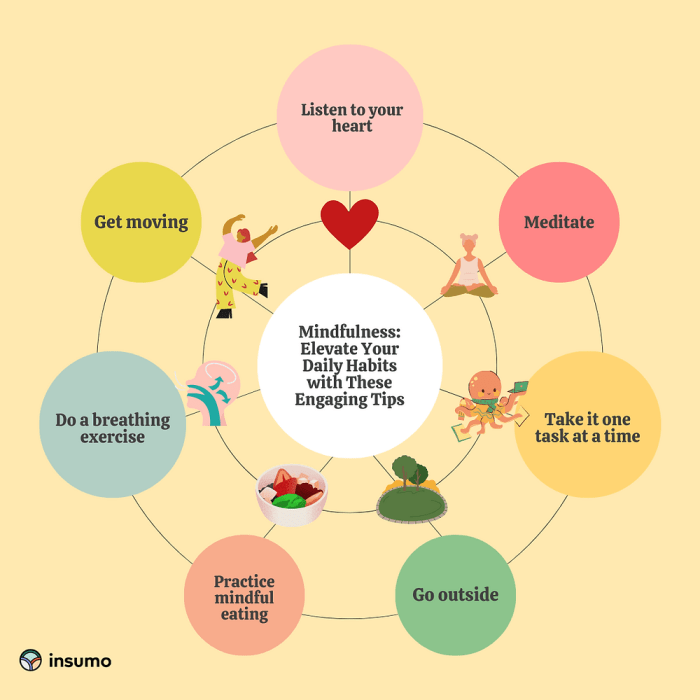
Mindfulness and relaxation techniques can be powerful tools for managing stress and regaining mental clarity. By learning to focus on the present moment and letting go of worries, these techniques can help you calm your mind and reduce the impact of stress on your well-being.

Mindfulness Exercises

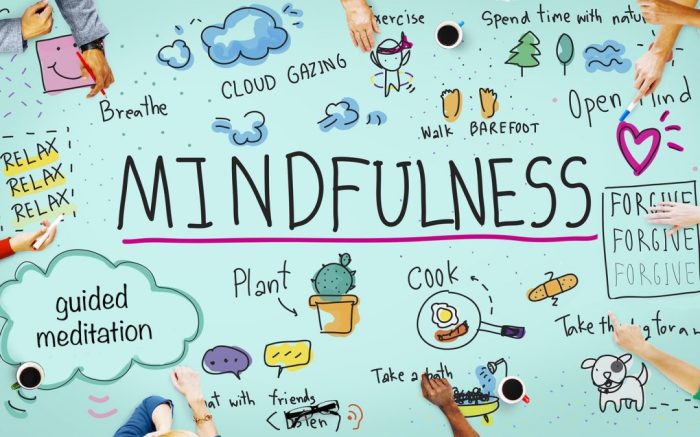
Mindfulness involves paying attention to the present moment without judgment. It can be practiced through various exercises that cultivate awareness and focus.

  • Body Scan:This technique involves bringing your attention to different parts of your body, starting from your toes and moving upwards. Notice any sensations, such as warmth, tingling, or tightness, without trying to change them. This exercise helps you become more aware of your physical state and can promote relaxation.

  • Mindful Breathing:Focus on your breath as it enters and leaves your body. Notice the sensation of the air flowing in and out of your nostrils. If your mind wanders, gently bring it back to your breath. This simple exercise can help you anchor your attention to the present moment and reduce racing thoughts.

  • Mindful Walking:As you walk, pay attention to the sensations of your feet on the ground, the movement of your body, and the sights and sounds around you. Notice the rhythm of your steps and the feeling of the air on your skin.

    This practice helps you cultivate awareness of your surroundings and connect with your body.

Deep Breathing and Meditation

Deep breathing and meditation are effective techniques for reducing stress and promoting relaxation.

  • Deep Breathing:Deep, slow breaths help to calm the nervous system and reduce stress hormones. When you inhale deeply, your lungs expand, sending a message to your brain to relax. This can help slow your heart rate and lower blood pressure.

  • Meditation:Meditation involves focusing your attention on a single point, such as your breath, a mantra, or an image. It can help you quiet your mind, reduce stress, and improve emotional regulation.

Progressive Muscle Relaxation, How to clear your mind and regain mental clarity after a stressful day

Progressive muscle relaxation is a technique that involves tensing and releasing different muscle groups in your body. This helps you become aware of physical tension and learn to release it.

  • Tensing and Releasing:Start by tensing the muscles in your toes for a few seconds, then release them. Repeat this process for each muscle group, working your way up your body. As you tense and release each muscle, notice the difference in sensation.

  • Focus on Relaxation:As you release each muscle group, focus on the feeling of relaxation and let go of any remaining tension. This practice can help you develop a greater awareness of your body and learn to release tension more effectively.

Healthy Diet and Mental Clarity

Your diet plays a significant role in your mental well-being. What you eat directly impacts your brain’s ability to function optimally, affecting your mood, focus, and cognitive abilities. A balanced and nutritious diet can contribute to mental clarity, while an unhealthy diet can negatively impact your mental state.

The Connection Between Nutrition and Brain Function

The brain is a complex organ that requires a constant supply of nutrients to function properly. These nutrients provide energy, support the growth and repair of brain cells, and help regulate neurotransmitters, chemicals that transmit signals between nerve cells.

Foods That Promote Mental Clarity and Reduce Stress

A diet rich in fruits, vegetables, whole grains, lean protein, and healthy fats can promote mental clarity and reduce stress.

Foods to Include

  • Fruits and vegetables:Rich in vitamins, minerals, and antioxidants, which protect brain cells from damage. Examples include blueberries, strawberries, spinach, and broccoli.
  • Whole grains:Provide complex carbohydrates, which provide sustained energy for the brain. Examples include brown rice, quinoa, and oats.
  • Lean protein:Essential for building and repairing brain cells. Examples include fish, poultry, beans, and lentils.
  • Healthy fats:Support brain function and reduce inflammation. Examples include olive oil, avocados, nuts, and seeds.

Foods to Limit

  • Processed foods:High in sugar, unhealthy fats, and additives, which can contribute to inflammation and impair brain function.
  • Sugary drinks:Can cause blood sugar spikes and crashes, leading to mood swings and difficulty concentrating.
  • Excessive caffeine:Can lead to anxiety and insomnia, negatively impacting mental clarity.
  • Alcohol:Can impair cognitive function and increase stress levels.

The Role of Hydration in Maintaining Optimal Brain Health

Water is crucial for brain function. It helps transport nutrients to the brain, removes waste products, and regulates temperature. Dehydration can lead to fatigue, headaches, and difficulty concentrating. Aim to drink plenty of water throughout the day.

Cognitive Enhancement Strategies

After addressing the foundations of stress management and mental clarity, we delve into proactive strategies for enhancing cognitive function. These techniques can empower you to sharpen your focus, improve memory, and navigate the mental demands of daily life with greater ease.

Improving Memory and Concentration

Memory and concentration are fundamental cognitive skills that play a crucial role in our daily lives. By adopting specific techniques, we can strengthen these abilities and improve our ability to learn, retain information, and perform tasks efficiently.

  • Mindful Attention:Paying full attention to the present moment without judgment can significantly enhance memory and concentration. This involves focusing on the task at hand, eliminating distractions, and actively engaging with the information you are trying to learn or remember.
  • Active Recall:This technique involves actively retrieving information from memory rather than passively rereading or reviewing it. This process forces your brain to work harder, strengthening neural connections and improving memory retention.
  • Spaced Repetition:This learning strategy involves reviewing material at increasing intervals. This technique takes advantage of the forgetting curve, ensuring that information is retained for longer periods.
  • Mnemonic Devices:These are memory aids that use associations, imagery, or acronyms to make information easier to remember. For example, using the acronym “ROYGBIV” to remember the colors of the rainbow.

Managing Distractions and Maintaining Focus

Distractions are ubiquitous in our modern world, constantly vying for our attention and disrupting our focus. Effective distraction management is essential for maintaining mental clarity and achieving our goals.

  • Identify and Eliminate Distractions:The first step is to identify the specific distractions that are hindering your focus. This could include noise, social media notifications, or even internal thoughts. Once identified, you can take steps to eliminate or minimize these distractions.
  • Time Blocking:This technique involves scheduling specific time blocks for focused work or study. During these blocks, you can eliminate distractions and dedicate your full attention to the task at hand.
  • Pomodoro Technique:This time management method involves working in short bursts of focused effort followed by short breaks. This can help maintain focus and prevent mental fatigue.
  • Mindfulness Meditation:Regular practice of mindfulness meditation can improve your ability to focus and manage distractions. By training your mind to be present and aware, you become more adept at recognizing and redirecting your attention.

Cognitive Exercises for Enhanced Mental Agility

Cognitive exercises are like mental workouts that challenge your brain and help maintain its agility. Just as physical exercise strengthens muscles, cognitive exercises can enhance memory, focus, and problem-solving abilities.

  • Brain Training Apps:Numerous brain training apps are available, offering a variety of exercises designed to improve cognitive function. These apps typically involve tasks that challenge memory, attention, and reasoning skills.
  • Puzzles and Games:Engaging in puzzles like Sudoku, crosswords, and jigsaw puzzles can provide a fun and stimulating way to exercise your brain.
  • Learning New Skills:Acquiring new skills, such as playing a musical instrument, learning a new language, or taking up a new hobby, can challenge your brain and enhance cognitive function.
  • Social Interaction:Engaging in meaningful conversations and social activities can also stimulate your brain and promote cognitive health.

Stress Management Techniques

Stress management techniques are essential tools for maintaining mental clarity and well-being, especially after a demanding day. These techniques help individuals regulate their emotional responses to stressful situations, promoting relaxation and a sense of control. By incorporating these practices into your daily routine, you can effectively manage stress and regain mental clarity.

Stress Management Techniques

Stress management techniques encompass a diverse range of practices that aim to reduce the negative impact of stress on your physical and mental health. These techniques can be categorized based on their focus and approach.

Technique Description Benefits Examples
Deep Breathing Exercises Involves taking slow, deep breaths, focusing on the sensation of inhaling and exhaling. Reduces heart rate, lowers blood pressure, and promotes relaxation. Diaphragmatic breathing, box breathing.
Progressive Muscle Relaxation A technique that involves systematically tensing and relaxing different muscle groups in the body. Reduces muscle tension, promotes relaxation, and improves sleep quality. Tensing and relaxing the muscles in the face, shoulders, arms, and legs.
Meditation A practice that involves focusing on the present moment, often using a mantra or visualization techniques. Reduces stress, improves focus, and promotes emotional regulation. Mindfulness meditation, guided meditation, transcendental meditation.
Yoga A practice that combines physical postures, breathing exercises, and meditation. Increases flexibility, reduces stress, and improves mental clarity. Hatha yoga, Vinyasa yoga, Iyengar yoga.
Physical Activity Engaging in regular exercise, such as walking, running, swimming, or dancing. Releases endorphins, reduces stress hormones, and improves mood. 30 minutes of moderate-intensity exercise most days of the week.
Time Management Organizing and prioritizing tasks, setting realistic goals, and delegating responsibilities. Reduces feelings of overwhelm, promotes productivity, and improves work-life balance. Using a planner, setting deadlines, and breaking down large tasks into smaller steps.
Cognitive Behavioral Therapy (CBT) A type of therapy that focuses on identifying and changing negative thoughts and behaviors. Helps individuals develop coping mechanisms, reduce anxiety, and improve emotional well-being. Challenging negative thoughts, developing positive self-talk, and practicing relaxation techniques.
Social Support Connecting with friends, family, or support groups to share feelings and receive encouragement. Reduces feelings of isolation, provides emotional support, and promotes a sense of belonging. Joining a support group, talking to a therapist, or spending time with loved ones.

Emotional Wellbeing and Mental Clarity

How to clear your mind and regain mental clarity after a stressful day

Emotional wellbeing plays a crucial role in achieving mental clarity. When our emotions are balanced and positive, we are better equipped to think clearly, make sound decisions, and navigate challenges effectively. However, when negative emotions like stress, anxiety, or sadness overwhelm us, they can cloud our thinking and hinder our ability to focus and make rational choices.

Managing Negative Emotions

Managing negative emotions is essential for maintaining emotional wellbeing and mental clarity.

  • Identify and Acknowledge Your Emotions:The first step is to become aware of your emotions and acknowledge their presence. This involves paying attention to your physical sensations, thoughts, and behaviors that indicate specific emotions.
  • Challenge Negative Thoughts:Negative thoughts often fuel negative emotions. Challenge these thoughts by asking yourself if they are realistic and helpful. Replace negative thoughts with more balanced and positive perspectives.
  • Practice Relaxation Techniques:Techniques like deep breathing, meditation, or progressive muscle relaxation can help calm your nervous system and reduce stress, anxiety, and other negative emotions.
  • Engage in Activities You Enjoy:Engaging in hobbies, spending time with loved ones, or pursuing activities that bring you joy can help lift your mood and shift your focus away from negative emotions.

Fostering Positive Emotions

Cultivating positive emotions is equally important for mental clarity.

  • Practice Gratitude:Regularly reflecting on and expressing gratitude for the good things in your life can increase feelings of happiness and contentment.
  • Focus on Strengths and Accomplishments:Acknowledge your strengths and celebrate your accomplishments, big or small. This can boost your self-esteem and confidence, fostering positive emotions.
  • Engage in Acts of Kindness:Helping others can bring a sense of purpose and fulfillment, promoting positive emotions and reducing stress.
  • Cultivate Optimism:Try to view challenges as opportunities for growth and learning. This optimistic outlook can help you cope with adversity and maintain a positive emotional state.

Self-Care and Seeking Support

Self-care and seeking support are crucial aspects of emotional wellbeing and mental clarity.

  • Prioritize Self-Care:Engage in activities that nourish your mind, body, and soul. This could include getting enough sleep, eating healthy foods, exercising regularly, and spending time in nature.
  • Seek Professional Help When Needed:If you are struggling to manage your emotions or maintain mental clarity, don’t hesitate to seek professional help from a therapist or counselor. They can provide guidance and support tailored to your specific needs.
  • Build a Supportive Network:Surround yourself with positive and supportive people who can offer encouragement and understanding during challenging times.

Mental Resilience and Stress Tolerance

Mental resilience is the ability to bounce back from adversity, adapt to change, and maintain a positive outlook in the face of challenges. It’s a crucial aspect of mental well-being, especially when dealing with stress. Developing mental resilience can help you navigate stressful situations effectively, reducing their negative impact on your mental clarity.

Strategies for Building Mental Resilience

Building mental resilience is an ongoing process that requires conscious effort and practice. Here are some effective strategies:

  • Practice Mindfulness:Mindfulness involves paying attention to the present moment without judgment. It helps you become more aware of your thoughts, feelings, and bodily sensations, enabling you to manage stress more effectively. Regular mindfulness practices, such as meditation or deep breathing exercises, can enhance your ability to stay grounded and calm even during stressful situations.

  • Develop a Growth Mindset:A growth mindset is the belief that your abilities and intelligence can be developed through effort and learning. It encourages you to embrace challenges as opportunities for growth and to learn from setbacks. Cultivating a growth mindset can increase your resilience by promoting a positive attitude towards adversity and a willingness to persevere.

  • Build Strong Social Connections:Strong social connections provide a sense of belonging and support, which are crucial for mental resilience. Engaging in meaningful relationships with family, friends, and community members can buffer the negative effects of stress and provide a source of strength during challenging times.

  • Engage in Physical Activity:Regular physical activity has numerous benefits for mental health, including reducing stress levels, improving mood, and boosting cognitive function. Exercise releases endorphins, which have mood-boosting effects and can help you cope with stress more effectively. Aim for at least 30 minutes of moderate-intensity exercise most days of the week.

  • Prioritize Sleep:Adequate sleep is essential for mental resilience. When you’re sleep-deprived, you’re more likely to experience stress, anxiety, and difficulty concentrating. Aim for 7-8 hours of quality sleep each night to support your mental and emotional well-being.
  • Practice Gratitude:Focusing on the positive aspects of your life can enhance your resilience and reduce stress levels. Taking time to appreciate the good things in your life can shift your perspective and promote a more optimistic outlook.

Developing a Positive Mindset and Sense of Purpose

A positive mindset and a sense of purpose are essential components of mental resilience. They provide a foundation for navigating challenges with a greater sense of hope and meaning.

  • Challenge Negative Thoughts:When negative thoughts arise, challenge their validity and replace them with more positive and realistic ones. This process can help you break free from negative thought patterns and cultivate a more optimistic outlook.
  • Focus on Your Strengths:Identify your strengths and talents, and focus on using them to achieve your goals. Recognizing your capabilities can boost your self-esteem and confidence, making you better equipped to handle stress.
  • Cultivate a Sense of Purpose:Having a sense of purpose in life provides direction and meaning, which can be incredibly helpful in navigating stressful situations. Reflect on your values and what you want to achieve in life, and use this understanding to guide your actions and decisions.

Final Summary: How To Clear Your Mind And Regain Mental Clarity After A Stressful Day

Reclaiming mental clarity after a stressful day is a journey of self-discovery, a process of learning to prioritize your well-being and cultivate a mindful approach to life. By understanding the connection between stress and mental clarity, and by implementing the techniques and strategies Artikeld in this guide, you can empower yourself to regain control over your thoughts and emotions, leading to a more fulfilling and balanced life.

Questions Often Asked

What are some quick ways to clear my mind?

Try taking a few deep breaths, focusing on your breath as you inhale and exhale. You can also try a short meditation or simply step away from your work for a few minutes to engage in a calming activity like listening to music or taking a walk.

How can I improve my sleep quality to enhance mental clarity?

Establish a consistent sleep schedule, create a relaxing bedtime routine, and make sure your bedroom is dark, quiet, and cool. Avoid caffeine and alcohol before bed, and limit screen time in the evening.

Emotional wellbeing and the role of therapy: Enhancing mental health through holistic approaches

Emotional wellbeing and the role of therapy

Healthy Habits

Maintaining emotional well-being involves establishing healthy habits that support overall mental health. These habits can help reduce stress, improve mood, and increase resilience in facing life’s challenges.

Daily Healthy Habits

  • Getting an adequate amount of sleep each night to promote emotional regulation and cognitive function.
  • Eating a balanced diet rich in fruits, vegetables, whole grains, and lean proteins to support brain health.
  • Staying hydrated throughout the day to maintain optimal bodily functions, including those related to mood.

Importance of Routine, Emotional wellbeing and the role of therapy

Emotional wellbeing and the role of therapy – Establishing a routine can provide a sense of structure and stability, which is crucial for emotional well-being. It helps reduce feelings of chaos and uncertainty, leading to a more balanced mental state.

Mindfulness Practices

  • Engage in deep breathing exercises or meditation to promote relaxation and reduce stress levels.
  • Practice gratitude by keeping a journal and reflecting on positive aspects of your life.
  • Pay attention to the present moment and focus on your thoughts and feelings without judgment.

Role of Exercise

Physical activity plays a vital role in supporting emotional well-being by releasing endorphins, the body’s natural mood elevators. Regular exercise can help reduce symptoms of anxiety and depression, improve self-esteem, and enhance overall mental health.

Emotional Wellbeing

Emotional wellbeing refers to the state of being able to understand and manage our emotions effectively. It plays a crucial role in our overall health and quality of life.

Impact of Emotional Health

  • Healthy emotional wellbeing enhances relationships by promoting better communication and empathy. Individuals with good emotional health can express their feelings constructively and understand the emotions of others.
  • Productivity is also greatly affected by emotional health. When individuals are emotionally stable, they can focus better, make decisions with clarity, and handle stress more effectively.

Role of Therapy in Improving Emotional Wellbeing

Therapy provides individuals with a safe space to explore and address their emotions, thoughts, and behaviors. Through counseling and therapeutic techniques, individuals can develop coping strategies, improve self-awareness, and work through past traumas.

Success Stories of Therapy for Emotional Health

“After attending therapy sessions, I have become more in tune with my emotions and have learned how to manage stress effectively. My relationships have improved, and I feel more confident in facing life’s challenges.” – Sarah, 35

“Therapy helped me overcome my past traumas and develop a positive outlook on life. I am now better equipped to handle difficult situations and maintain healthy relationships.” – John, 42

Healthy Aging

Emotional wellbeing plays a crucial role in healthy aging as it directly impacts an individual’s overall quality of life. Maintaining good emotional health can lead to better physical health outcomes and a more fulfilling and enjoyable aging process.

Connection between Emotional Wellbeing and Healthy Aging

  • Research has shown that older adults with positive emotional health are more likely to engage in healthy behaviors such as regular exercise, proper nutrition, and adequate sleep.
  • Emotional wellbeing can also help older adults cope better with stress, manage chronic conditions, and maintain strong social connections.
  • Individuals who prioritize their emotional health tend to have a more optimistic outlook on life, leading to increased resilience and a higher quality of life as they age.

Strategies for Maintaining Emotional Health in Older Adults

  • Engage in regular physical activity to boost mood and reduce stress levels.
  • Practice mindfulness and meditation to increase self-awareness and emotional regulation.
  • Maintain social connections and seek support from friends, family, or support groups.
  • Participate in activities that bring joy and fulfillment, such as hobbies, volunteering, or learning new skills.

Role of Therapy in Addressing Emotional Challenges in Aging

  • Therapy can provide a safe space for older adults to explore and address emotional issues such as grief, anxiety, depression, or loneliness.
  • Therapists can offer tools and techniques to help individuals develop coping strategies and improve their emotional wellbeing.
  • Cognitive-behavioral therapy (CBT) and other therapeutic approaches have been shown to be effective in treating emotional challenges in older adults.

Tips for Embracing Change and Finding Purpose in Older Adults

  • Stay open to new experiences and opportunities for personal growth and learning.
  • Set achievable goals and milestones to maintain a sense of purpose and direction in life.
  • Engage in activities that align with your values and passions to foster a sense of fulfillment and satisfaction.
  • Seek support from loved ones, therapists, or counselors to navigate life transitions and find meaning in the aging process.

Active Lifestyle

Regular physical activity plays a crucial role in maintaining emotional wellbeing. Engaging in an active lifestyle has numerous benefits that can positively impact mental health and overall emotional balance.

Benefits of an Active Lifestyle on Emotional Wellbeing

  • Reduces stress and anxiety levels
  • Improves mood and boosts self-esteem
  • Enhances cognitive function and memory
  • Promotes better sleep patterns

Correlation Between Physical Activity and Mental Health

  • Exercise releases endorphins, also known as “feel-good” hormones, which can help alleviate symptoms of depression and anxiety.
  • Physical activity can serve as a healthy coping mechanism for dealing with stress and emotional challenges.
  • Regular exercise can increase overall feelings of well-being and happiness.

Exercise Routines for Improving Emotional Health

  • Cardiovascular exercises like running, swimming, or cycling can help reduce stress and improve mood.
  • Yoga and Pilates focus on mindfulness and relaxation, benefiting both physical and emotional well-being.
  • Strength training workouts can boost self-confidence and provide a sense of accomplishment.

Therapy and Active Lifestyle

  • Therapy can complement an active lifestyle by providing additional support and guidance in managing emotional challenges.
  • Exercise can be incorporated into therapy sessions as a tool for improving emotional regulation and overall mental health.
  • Combining therapy with physical activity can create a holistic approach to promoting emotional balance and well-being.

Cardiovascular Health

Maintaining emotional wellbeing is crucial for overall health, including cardiovascular health. The mind-body connection plays a significant role in how our hearts function, highlighting the importance of managing stress and emotions for a healthy heart.

Impact of Stress on Heart Health

Chronic stress can have a detrimental impact on heart health, increasing the risk of heart disease, high blood pressure, and other cardiovascular issues. When we are stressed, our bodies release cortisol and adrenaline, which can lead to inflammation and higher blood pressure, putting strain on the heart.

  • High levels of stress can contribute to the development of atherosclerosis, a condition where plaque builds up in the arteries, narrowing them and restricting blood flow to the heart.
  • Prolonged stress can also disrupt heart rhythm and increase the likelihood of experiencing heart palpitations or arrhythmias.
  • Stress-induced behaviors like overeating, smoking, or excessive drinking can further exacerbate heart health problems.

Therapy for Stress Management and Cardiovascular Wellness

Therapy can be a valuable tool in reducing stress levels and supporting cardiovascular wellness. Through therapy, individuals can learn coping mechanisms, stress management techniques, and strategies to improve emotional regulation, all of which can have a positive impact on heart health.

Therapy provides a safe space for individuals to explore and address the root causes of their stress, helping them develop healthier ways of dealing with challenging emotions.

Tips for Maintaining a Healthy Heart through Emotional Self-Care Practices

Emotional self-care is essential for maintaining a healthy heart. By prioritizing emotional wellbeing and incorporating self-care practices into daily life, individuals can reduce stress levels and support cardiovascular health.

  1. Practice mindfulness and relaxation techniques such as deep breathing, meditation, or yoga to reduce stress and promote a sense of calm.
  2. Engage in regular physical activity, which not only benefits the heart but also helps release endorphins that improve mood and reduce stress.
  3. Connect with loved ones for emotional support, as social relationships play a crucial role in boosting emotional wellbeing and reducing stress.
  4. Aim for a balanced diet rich in fruits, vegetables, whole grains, and lean proteins to support heart health and overall well-being.
  5. Prioritize adequate sleep to allow the body to rest and recover, promoting emotional balance and reducing the impact of stress on the heart.

Healthy Recipes

When it comes to emotional wellbeing, the food we eat plays a crucial role in influencing our mood and mental health. By incorporating certain ingredients and recipes into our diet, we can positively impact our emotional state and reduce stress levels.

Foods to Boost Mood and Reduce Stress

  • Dark Chocolate: Rich in antioxidants and flavonoids, dark chocolate can help reduce stress hormones and improve mood.
  • Fatty Fish: Omega-3 fatty acids found in fish like salmon and mackerel can support brain health and reduce symptoms of anxiety and depression.
  • Berries: Packed with vitamins and antioxidants, berries can help combat oxidative stress and inflammation in the body, promoting better mental wellbeing.
  • Leafy Greens: Spinach, kale, and other leafy greens are high in folate, which is essential for regulating mood and reducing symptoms of depression.

The Importance of a Balanced Diet for Emotional Wellness

A balanced diet that includes a variety of fruits, vegetables, whole grains, lean proteins, and healthy fats is crucial for supporting emotional wellness. Nutrient-dense foods provide the necessary vitamins and minerals that support brain function and help regulate mood. By focusing on whole, unprocessed foods and limiting intake of refined sugars and processed foods, individuals can better manage their emotional wellbeing and reduce the risk of mental health issues.

Mental Resilience

Emotional wellbeing and the role of therapy
Mental resilience refers to the ability to adapt and bounce back from stressful situations, trauma, or adversity. It plays a crucial role in maintaining emotional wellbeing by helping individuals navigate life’s challenges with a positive outlook and a sense of control.

Building Resilience Strategies

Building mental resilience can be achieved through various strategies:

  • Developing a strong support network of friends, family, or a therapist to lean on during tough times.
  • Practicing mindfulness and engaging in relaxation techniques to manage stress effectively.
  • Cultivating a growth mindset that focuses on learning from setbacks and failures rather than being defeated by them.
  • Maintaining a healthy lifestyle with regular exercise, balanced nutrition, and adequate sleep to support mental health.

Benefits of Therapy in Enhancing Resilience

Therapy can be highly beneficial in enhancing mental resilience by providing individuals with the tools and coping mechanisms to navigate challenging situations. Through therapy, individuals can gain a better understanding of their emotions, develop healthy coping strategies, and build a resilient mindset to face life’s ups and downs.

Real-Life Examples of Strong Mental Resilience

One inspiring example is Sarah, who experienced a series of setbacks in her career but turned to therapy for support. Through therapy, Sarah learned to reframe her negative thoughts, set realistic goals, and build resilience in the face of adversity. Today, Sarah has overcome her challenges and thrived in her professional life, thanks to the mental resilience she developed through therapy.

Immune Support

Emotional wellbeing plays a crucial role in supporting a healthy immune system. When our mental health is in balance, it can positively impact our body’s ability to fight off infections and maintain overall wellness.

Impact of Stress on the Immune System

Chronic stress can weaken the immune system, making us more susceptible to illnesses. High levels of stress hormones can suppress the immune response, making it harder for the body to defend against pathogens.

  • Practice stress-reducing techniques such as meditation, deep breathing exercises, or yoga to help lower stress levels.
  • Engage in regular physical activity, which can help alleviate stress and boost immune function.
  • Ensure an adequate amount of sleep to support both emotional wellbeing and a strong immune system.

Therapy for Immune Health

Therapy can be a powerful tool in improving immune health by addressing underlying stress and anxiety. By working with a therapist, individuals can learn coping mechanisms, improve emotional resilience, and reduce the impact of stress on the immune system.

  • Consider cognitive-behavioral therapy (CBT) to challenge negative thought patterns and reduce anxiety levels.
  • Explore mindfulness-based therapies to increase awareness of emotions and promote relaxation.
  • Seek support from a therapist to develop healthy coping strategies for managing stress effectively.

Tips for Emotional Wellness

Fostering emotional wellness is essential for maintaining a robust immune system. By prioritizing self-care and implementing healthy habits, individuals can support their mental health and overall wellbeing.

  • Connect with loved ones for social support and a sense of belonging.
  • Engage in activities that bring joy and relaxation, such as hobbies or creative outlets.
  • Practice gratitude and mindfulness to cultivate a positive outlook on life.

Stress Relief: Emotional Wellbeing And The Role Of Therapy

Emotional wellbeing and the role of therapy
Effective stress-relief techniques play a crucial role in improving emotional wellbeing. Stress can have a significant impact on mental health, so it’s essential to find ways to manage and reduce it. Relaxation techniques, mindfulness practices, meditation, and therapy can all be valuable tools in addressing and managing stress.

Importance of Relaxation

Relaxation is key to managing stress and promoting mental health. Taking time to relax allows the body and mind to rest and recharge, reducing the negative effects of stress on both physical and emotional wellbeing. Incorporating relaxation techniques into your daily routine can help you cope better with stress and improve overall mental resilience.

Mindfulness and Meditation

Practicing mindfulness and meditation can be powerful tools for stress relief. Mindfulness involves being fully present in the moment and paying attention to thoughts and feelings without judgment. Meditation, on the other hand, focuses on calming the mind and reducing stress through deep breathing and relaxation exercises. Both practices can help reduce anxiety, improve focus, and enhance overall emotional wellbeing.

Therapy for Stress Management

Therapy can be a valuable resource for addressing and managing stress. A therapist can help you identify the underlying causes of stress, develop coping strategies, and provide support and guidance as you navigate challenging situations. Therapy sessions can offer a safe space to explore your emotions, learn new ways to cope with stress, and work towards lasting emotional wellbeing.

Nutritional Balance

Ensuring a proper nutritional balance is crucial for supporting emotional wellbeing. The foods we consume play a significant role in influencing our mood, energy levels, and overall mental health.

Impact of Specific Nutrients on Mood and Mental Health

  • Omega-3 fatty acids found in fish, flaxseeds, and walnuts have been linked to reducing symptoms of depression and anxiety.
  • Vitamin D, commonly obtained from sunlight and fortified foods, is important for regulating mood and preventing mood disorders.
  • B vitamins, such as folate and B12, are essential for brain function and can help alleviate symptoms of depression.
  • Magnesium, found in nuts, seeds, and leafy greens, plays a role in stress management and mood regulation.

Creating a Well-Rounded Diet for Emotional Wellness

  • Include a variety of fruits, vegetables, whole grains, lean proteins, and healthy fats in your meals.
  • Avoid processed foods high in sugar, unhealthy fats, and artificial ingredients, as they can negatively impact your mood and energy levels.
  • Stay hydrated by drinking plenty of water throughout the day to support cognitive function and emotional balance.

Role of Therapy in Addressing Emotional Eating Habits

Therapy can help individuals identify triggers for emotional eating, develop healthier coping mechanisms, and establish a positive relationship with food.

  • Therapists can work with clients to explore underlying emotional issues contributing to unhealthy eating habits and provide strategies for making sustainable dietary changes.
  • By addressing emotional eating patterns through therapy, individuals can achieve a better balance in their nutritional intake and improve their overall emotional wellbeing.

FAQ Compilation

How can therapy improve emotional wellbeing?

Therapy offers individuals a safe space to explore their emotions, gain insights into their behavioral patterns, and develop coping mechanisms to enhance emotional health.

What are some effective stress-relief techniques for improving emotional wellbeing?

Engaging in relaxation activities, practicing mindfulness, and incorporating meditation into your routine can significantly reduce stress levels and promote mental wellness.

Why is emotional resilience important for overall mental health?

Emotional resilience enables individuals to bounce back from adversity, cope with life’s challenges effectively, and maintain a positive outlook even in difficult situations.

How does nutritional balance impact emotional wellbeing?

A balanced diet rich in essential nutrients supports brain function, mood regulation, and overall mental health, playing a crucial role in enhancing emotional wellbeing.

Can mindfulness practices improve emotional balance?

Practicing mindfulness techniques such as deep breathing, mindful eating, and meditation can help individuals regulate their emotions, reduce stress, and achieve greater emotional balance.

Healthy habits for promoting mindfulness: Tips and Practices for a Balanced Life

Healthy habits for promoting mindfulness

Healthy Habits for Promoting Mindfulness

Healthy habits for promoting mindfulness – Practicing mindfulness involves being fully present and aware of your thoughts, feelings, and surroundings without judgment. It can help reduce stress, improve focus, and enhance overall well-being.

Examples of Simple Mindfulness Practices:

  • Deep breathing exercises to center yourself in the present moment.
  • Body scan meditation to focus on different parts of your body and release tension.
  • Mindful eating by savoring each bite and paying attention to flavors and textures.

Benefits of Mindfulness:, Healthy habits for promoting mindfulness

  • Reduced stress and anxiety levels.
  • Improved emotional regulation and mental clarity.
  • Enhanced self-awareness and compassion towards oneself and others.

Tips for Cultivating Mindfulness:

  • Practice mindfulness in everyday activities like walking or washing dishes.
  • Set aside time for formal meditation practices to train your mind for mindfulness.
  • Engage in mindful communication by listening actively and responding thoughtfully.

Healthy Habits for Emotional Wellbeing

Mindfulness plays a crucial role in emotional wellbeing by helping individuals become more aware of their thoughts and feelings, allowing them to respond to challenging situations with greater clarity and composure.

Managing Stress and Promoting Emotional Resilience

  • Practice deep breathing exercises to calm the mind and body during stressful moments.
  • Engage in regular physical activity to release endorphins and reduce stress levels.
  • Establish a healthy sleep routine to ensure adequate rest and rejuvenation for emotional resilience.

Impact of Positive Thinking on Emotional Health

  • Cultivate a positive mindset by focusing on gratitude and reframing negative situations in a more optimistic light.
  • Acknowledge and challenge negative thought patterns to promote a more positive outlook on life.
  • Practice mindfulness meditation to enhance self-awareness and foster a positive emotional state.

Techniques for Fostering Emotional Intelligence and Self-awareness

  • Develop active listening skills to better understand and empathize with the emotions of others.
  • Reflect on your own emotions and triggers to increase self-awareness and regulate emotional responses effectively.
  • Engage in journaling or therapy to explore and process underlying emotions for improved emotional intelligence.

Healthy Aging through Mindful Practices

As we age, incorporating mindfulness practices into our daily routines can have a significant impact on our overall health and wellbeing. Mindfulness can help seniors maintain cognitive function, memory retention, and emotional stability, ultimately promoting healthy aging.

Role of Mindfulness in Cognitive Function and Memory Retention

Mindfulness practices such as meditation, deep breathing exercises, and yoga have been shown to improve cognitive function and memory retention in seniors. By reducing stress, enhancing focus, and promoting mental clarity, mindfulness can help seniors maintain sharp cognitive abilities as they age.

Tips for Seniors on Incorporating Mindfulness

  • Start with short mindfulness sessions: Seniors can begin by dedicating just a few minutes each day to mindfulness practices to gradually build up their routine.
  • Find a quiet and comfortable space: Creating a peaceful environment for mindfulness practice can enhance its effectiveness and help seniors relax and focus.
  • Practice mindfulness during daily activities: Seniors can incorporate mindfulness into everyday tasks such as eating, walking, or gardening to cultivate a sense of presence and awareness.

Mindfulness Exercises for Healthy Aging

  • Body scan meditation: This practice involves focusing on different parts of the body to promote relaxation, reduce tension, and increase body awareness.
  • Loving-kindness meditation: Seniors can practice sending well wishes and compassion to themselves and others to cultivate positive emotions and enhance emotional wellbeing.
  • Breath awareness exercises: Simple breathing techniques can help seniors calm the mind, reduce stress, and improve concentration and focus.

Maintaining an Active Lifestyle with Mindfulness

Maintaining an active lifestyle is crucial for overall health and well-being. When combined with mindfulness practices, physical activity can have a profound impact on both the body and mind.

Connection between Mindfulness and Physical Activity

Practicing mindfulness during physical activities can help individuals stay present, focused, and engaged in the moment. This can enhance the overall experience of exercise and promote a deeper mind-body connection.

Guidance on Combining Mindfulness with Exercise Routines

To incorporate mindfulness into exercise routines, individuals can start by focusing on their breath, tuning into body sensations, and staying present during each movement. Mindful walking, yoga, and tai chi are great examples of activities that combine physical movement with mindfulness practices.

Benefits of Mindful Movement for Health and Well-being

Mindful movement not only improves physical fitness but also reduces stress, enhances mental clarity, and promotes emotional well-being. It can help individuals manage anxiety, improve sleep quality, and boost overall mood.

Examples of Mindful Activities

– Yoga: Combining breath work with flowing movements can create a meditative exercise experience.
– Walking Meditations: Focusing on each step and the sensations of walking can turn a simple stroll into a mindful practice.
– Tai Chi: This gentle martial art emphasizes slow, deliberate movements that promote relaxation and mindfulness.

Cardiovascular Health and Mindful Living

Mindfulness practices can have a significant positive impact on cardiovascular health by helping to reduce stress levels, lower blood pressure, and improve overall heart function.

Mindfulness and Heart Health

Stress is known to have a direct impact on heart health, increasing the risk of cardiovascular diseases. By incorporating mindfulness techniques into daily routines, individuals can effectively manage stress levels, leading to a healthier heart.

  • Practicing deep breathing exercises can help reduce blood pressure and promote relaxation, benefiting heart health.
  • Engaging in mindfulness meditation regularly can improve heart rate variability, a key indicator of cardiovascular health.
  • Being present in the moment and focusing on the sensations of the body can help individuals become more aware of physical signs of stress, allowing for timely intervention to prevent heart-related issues.

By cultivating mindfulness, individuals can create a protective shield against the negative effects of stress on the heart, promoting long-term cardiovascular well-being.

Healthy Recipes to Nourish the Mind and Body

Healthy habits for promoting mindfulness

When it comes to promoting mindfulness and overall well-being, the food we consume plays a crucial role. Nourishing our bodies with nutritious meals not only benefits our physical health but also supports mental clarity and focus. Mindful eating is about being present and fully engaged with the process of eating, allowing us to appreciate the flavors and textures of our food while also being aware of our body’s hunger and fullness cues.

The Importance of Mindful Eating

Mindful eating involves paying attention to the sensory experience of eating, such as the taste, texture, and aroma of food. By practicing mindful eating, we can cultivate a deeper connection with our food, leading to better digestion and improved nutrition absorption. This approach can also help prevent overeating and promote a healthier relationship with food.

Tips for Incorporating Mindfulness into Meal Preparation and Eating Habits

  • Start by setting aside dedicated time for meals without distractions such as phones or screens.
  • Focus on the colors and presentation of your food to enhance the sensory experience.
  • Chew your food slowly and savor each bite to fully appreciate the flavors.
  • Express gratitude for the nourishment your meal provides before starting to eat.

Ingredients that Promote Mental Clarity and Focus

  • Fatty fish like salmon, rich in omega-3 fatty acids, support brain health and cognitive function.
  • Leafy greens such as spinach and kale are packed with antioxidants and vitamins that help protect the brain from oxidative stress.
  • Blueberries contain compounds that have been shown to improve memory and cognitive performance.
  • Turmeric, known for its anti-inflammatory properties, may enhance brain function and reduce the risk of neurodegenerative diseases.

Building Mental Resilience through Mindfulness

Mindfulness practices can significantly enhance mental resilience by helping individuals better cope with stress, anxiety, and challenges. By cultivating mindfulness, individuals can develop a greater sense of self-awareness, emotional regulation, and acceptance of difficult emotions or situations.

Strategies for Overcoming Challenges and Setbacks with a Mindful Approach

  • Practice deep breathing exercises to stay calm and grounded during difficult moments.
  • Engage in meditation to improve focus and clarity of thought when facing obstacles.
  • Use mindful self-compassion to treat oneself with kindness and understanding during setbacks.

The Role of Mindfulness in Developing a Positive Mindset and Coping Skills

  • Mindfulness helps individuals shift their perspective from negative to positive, fostering a resilient mindset.
  • By staying present in the moment, mindfulness enables individuals to respond to challenges with clarity and creativity.
  • Regular mindfulness practice can enhance coping skills, allowing individuals to navigate stressors more effectively.

Examples of Mindfulness Techniques for Building Mental Strength

  • Body scan meditation to connect with physical sensations and release tension.
  • Gratitude journaling to cultivate a positive outlook and resilience in the face of adversity.
  • Walking meditation to promote mindfulness in motion and enhance mental clarity.

Supporting Immune Health with Mindful Practices

Healthy habits for promoting mindfulness
Mindfulness practices not only benefit mental and emotional well-being but also play a crucial role in supporting immune health. By reducing stress and promoting relaxation, mindfulness techniques can have a positive impact on the body’s immune function.

Connection between Mindfulness and Immune Function

  • Research has shown that chronic stress can weaken the immune system, making individuals more susceptible to illnesses.
  • Mindfulness practices, such as deep breathing exercises and meditation, can help lower stress levels and reduce inflammation in the body.

How Stress Reduction Supports a Healthy Immune System

  • Reducing stress through mindfulness can enhance the production of white blood cells, which are essential for fighting off infections.
  • Lowering stress levels also helps regulate the release of stress hormones like cortisol, which can suppress immune function when elevated for prolonged periods.

Tips for Incorporating Mindfulness Practices to Boost Immune Health

  • Set aside a few minutes each day for mindfulness meditation or deep breathing exercises to help calm the mind and body.
  • Practice mindfulness while eating by focusing on the textures, flavors, and sensations of each bite, promoting mindful eating habits that support overall health.

Mindfulness Techniques for Overall Immune Support

  • Body scan meditation can help you tune into your body and identify areas of tension or discomfort that may be contributing to stress.
  • Loving-kindness meditation involves sending positive thoughts and well-wishes to yourself and others, fostering a sense of connection and emotional well-being that can positively impact immune function.

Stress Relief Strategies through Mindfulness

Mindfulness can play a crucial role in managing stress and promoting relaxation. By incorporating mindfulness practices into your daily routine, you can reduce stress levels and improve your overall well-being.

Techniques for Using Mindfulness to Reduce Stress

  • Deep Breathing Exercises: Engage in deep breathing exercises to calm your mind and body, promoting relaxation and reducing stress.
  • Body Scans: Conduct body scan exercises to bring awareness to different parts of your body, releasing tension and promoting a sense of calm.
  • Mindful Meditation: Practice mindful meditation to focus your attention on the present moment, helping to alleviate stress and anxiety.

Impact of Mindfulness on the Body’s Stress Response

  • Mindfulness can help regulate the body’s stress response by activating the relaxation response, reducing the production of stress hormones like cortisol.
  • Regular mindfulness practice can lead to lower overall stress levels and improved emotional well-being.

Examples of Mindfulness Practices for Stress Relief

  • Guided Imagery: Use guided imagery to visualize calming scenes or situations, promoting relaxation and reducing stress levels.
  • Progressive Muscle Relaxation: Practice progressive muscle relaxation to release tension in the body and promote a state of relaxation.
  • Mindful Walking: Engage in mindful walking by focusing on each step and your surroundings, promoting a sense of calm and reducing stress.

Achieving Nutritional Balance with Mindful Eating

Mindful eating is a practice that involves being fully present and aware of the food you are consuming, your thoughts, feelings, and sensations while eating. This approach helps you develop a healthier relationship with food and gain a deeper appreciation for the eating experience.

Benefits of Mindful Eating

Mindful eating can lead to improved digestion, better portion control, and overall nutritional balance. By paying attention to the taste, texture, and smell of food, you are more likely to make conscious and healthier food choices.

  • Increases awareness of hunger and fullness cues
  • Promotes a sense of satisfaction and enjoyment during meals
  • Reduces mindless eating and emotional eating habits

Tips for Practicing Mindful Eating

Here are some tips to help you cultivate mindful eating habits and make better food choices:

  1. Avoid distractions such as watching TV or using your phone while eating
  2. Eat slowly and savor each bite
  3. Pay attention to your body’s hunger and fullness signals

Mindful Eating Practices for Nutritional Balance

Practicing mindful eating can help you achieve a balanced diet and overall well-being. Here are some examples of mindful eating practices:

  1. Choose whole, nutrient-dense foods over processed options
  2. Listen to your body’s cues and stop eating when you are satisfied
  3. Be mindful of portion sizes and avoid overeating

Detailed FAQs: Healthy Habits For Promoting Mindfulness

How can mindfulness benefit our mental health?

Mindfulness helps us stay present, reduce stress, and improve our overall emotional well-being by fostering a sense of awareness and acceptance of the present moment.

What are some simple mindfulness practices we can incorporate into our daily routines?

Examples include mindful breathing exercises, body scans, and practicing gratitude or mindfulness during everyday activities like eating or walking.

How does mindfulness impact our relationships?

Mindfulness can lead to better communication, empathy, and emotional regulation in relationships, fostering deeper connections and understanding with others.

Can mindfulness help with work-related stress?

Absolutely. Mindfulness practices can reduce work-related stress by promoting focus, productivity, and a sense of calm amidst hectic work environments.

Is it possible to cultivate mindfulness in all aspects of life?

Yes, mindfulness can be integrated into various areas such as work, relationships, self-care, and even daily activities like cooking or exercising.