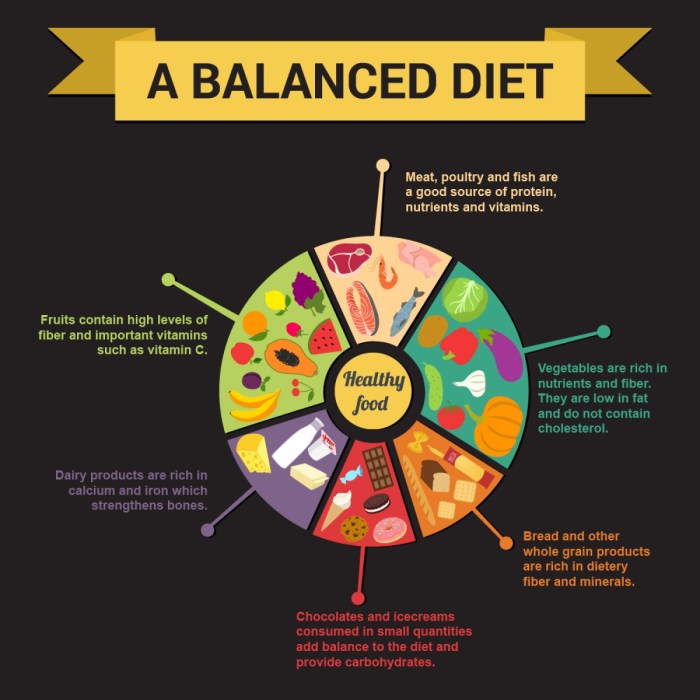
Understanding Nutritional Balance: How To Track Your Nutritional Balance
How to track your nutritional balance – When we talk about nutritional balance, we are referring to consuming the right amount of nutrients that our bodies need to function properly. This includes a mix of carbohydrates, proteins, fats, vitamins, and minerals.
Maintaining a balanced diet is crucial for overall well-being. It helps support our immune system, keeps our organs functioning optimally, and provides us with the energy we need to go about our daily activities. Without proper nutrition, our bodies can suffer from deficiencies that may lead to various health issues.
Impact of an Imbalanced Diet
- An excessive intake of unhealthy fats and sugars can lead to weight gain, obesity, and an increased risk of chronic diseases such as heart disease and diabetes.
- Too little protein in the diet can result in muscle loss, weakened immune system, and slower recovery from injuries.
- A lack of essential vitamins and minerals can cause deficiencies that may lead to issues like anemia, weakened bones, and impaired cognitive function.
Tracking Your Nutritional Intake
When it comes to maintaining a healthy diet, tracking your nutritional intake is key. By keeping a close eye on what you eat, you can ensure that you are getting all the essential nutrients your body needs to function at its best.
Different Methods to Track Your Daily Nutritional Intake
There are various ways to track your daily nutritional intake, ranging from traditional methods to modern technology:
- Keeping a Food Diary: Writing down everything you eat and drink throughout the day can help you become more aware of your eating habits.
- Using Nutrition Apps: There are many smartphone apps available that can help you track your food consumption, providing detailed breakdowns of calories, macronutrients, and micronutrients.
- Online Tools: Websites and online platforms offer tools to input your meals and receive nutritional analysis, making tracking easier and more convenient.
The Significance of Keeping a Food Diary or Using Apps to Monitor Food Consumption
Keeping a food diary or using apps to monitor food consumption can be highly beneficial for several reasons:
- Increased Awareness: Tracking your food intake can help you become more conscious of what you are eating and make healthier choices.
- Identifying Patterns: By documenting your meals, you can identify patterns in your eating habits and make necessary adjustments.
- Accountability: Tracking your intake holds you accountable for what you eat, motivating you to stick to your nutritional goals.
Tips on How to Accurately Track Calories, Macronutrients, and Micronutrients
For accurate tracking of your nutritional intake, consider the following tips:
- Read Labels: Pay attention to serving sizes and nutritional information on food labels to calculate your intake correctly.
- Use a Food Scale: Weighing your food can provide precise measurements, especially for calorie-dense items like nuts or oils.
- Track Everything: Don’t forget to include snacks, beverages, and cooking oils in your tracking to get a comprehensive picture of your intake.
- Stay Consistent: Make tracking a daily habit to ensure you have a consistent record of your nutritional intake.
Evaluating Your Nutritional Balance
To ensure that you are meeting your nutritional needs, it is important to evaluate your diet regularly. This can be done by assessing your food choices, portion sizes, and overall nutrient intake. Here are some guidelines on how to evaluate your nutritional balance effectively:
Role of Food Labels and Nutritional Information
Food labels and nutritional information play a crucial role in evaluating your diet. They provide detailed information about the nutrients present in the food you consume, allowing you to track your intake of essential vitamins, minerals, and macronutrients. By reading food labels and understanding nutritional information, you can make informed decisions about your diet and ensure that you are meeting your nutritional requirements.
Importance of Seeking Professional Advice
While evaluating your nutritional balance on your own can be helpful, it is also important to seek professional advice for a comprehensive assessment. A registered dietitian or nutritionist can provide personalized recommendations based on your individual needs and goals. They can help you identify any deficiencies or excesses in your diet, and create a plan to achieve optimal nutritional balance. Professional guidance can ensure that you are on the right track towards meeting your nutritional needs.
Adjusting Your Diet for Better Balance
When it comes to improving your nutritional balance, making adjustments to your diet is key. By incorporating a variety of nutrient-dense foods, you can ensure that you are getting the necessary vitamins and minerals for optimal health.
Eating the Rainbow
One popular approach to achieving a balanced diet is by following the concept of “eating the rainbow.” This means including a wide array of colorful fruits and vegetables in your meals to ensure that you are getting a diverse range of nutrients.
- Red fruits and vegetables like tomatoes, red peppers, and strawberries are rich in antioxidants like lycopene and vitamin C.
- Orange and yellow produce such as carrots, sweet potatoes, and oranges provide beta-carotene, vitamin A, and vitamin C.
- Green leafy vegetables like spinach, kale, and broccoli are packed with vitamins K, C, and E, as well as minerals like iron and calcium.
- Blue and purple foods like blueberries, eggplant, and plums contain anthocyanins and other antioxidants that support brain health and reduce inflammation.
- White fruits and vegetables such as bananas, cauliflower, and garlic offer nutrients like potassium, vitamin C, and allicin.
Nutrient-Dense Foods for Optimal Balance
In addition to incorporating a variety of colorful produce, focusing on nutrient-dense foods can help improve your nutritional balance. These foods are rich in essential nutrients while being relatively low in calories.
- Fatty fish like salmon and sardines are excellent sources of omega-3 fatty acids, which support heart health and brain function.
- Legumes such as lentils, chickpeas, and black beans are high in fiber, protein, and various vitamins and minerals.
- Nuts and seeds like almonds, chia seeds, and sunflower seeds provide healthy fats, protein, and micronutrients like magnesium and zinc.
- Whole grains including quinoa, brown rice, and oats offer fiber, B vitamins, and minerals like iron and magnesium.
- Dairy products like Greek yogurt and cottage cheese are rich in calcium, protein, and probiotics for gut health.
Maintaining Nutritional Balance for Specific Health Goals
Maintaining a balanced diet is crucial for overall health and well-being, but the specifics can vary based on individual health goals or dietary restrictions. Whether you are following a vegan, keto, gluten-free diet, or aiming for weight management, muscle gain, or improved athletic performance, it is essential to ensure you are meeting your nutritional needs while supporting your specific health objectives.
Nutritional Balance for Vegan, Keto, or Gluten-Free Diets
For individuals following vegan, keto, or gluten-free diets, maintaining nutritional balance can be challenging due to restrictions on certain food groups. Here are some tips to ensure you are getting essential nutrients while following these specific dietary patterns:
- Focus on a variety of plant-based protein sources like legumes, nuts, seeds, and tofu for vegans to meet protein needs.
- Include healthy fats from sources like avocados, olive oil, and nuts for a well-rounded keto diet.
- Opt for gluten-free whole grains like quinoa, brown rice, and buckwheat to ensure adequate fiber intake for gluten-free diets.
Adjusting Your Diet for Weight Management, Muscle Gain, or Athletic Performance
When it comes to specific health goals like weight management, muscle gain, or improved athletic performance, adjusting your diet to support these objectives is essential. Here are some strategies to help you maintain nutritional balance while working towards these goals:
- For weight management, focus on portion control, balanced meals, and regular physical activity to achieve a calorie deficit or surplus as needed.
- To support muscle gain, prioritize protein-rich foods, complex carbohydrates, and healthy fats to fuel your workouts and promote muscle recovery.
- For enhanced athletic performance, stay hydrated, consume adequate carbohydrates for energy, and incorporate lean proteins and nutrient-dense foods into your diet.
Integrating Nutritional Balance with Healthy Habits
When it comes to achieving optimal health, integrating nutritional balance with healthy habits is key. By incorporating factors like hydration, exercise, and sleep into your routine, you can create a holistic approach to wellness that complements a balanced diet.
The Role of Adequate Hydration
Hydration plays a crucial role in supporting overall health and well-being. Drinking enough water helps regulate body temperature, aids digestion, and flushes out toxins. Make sure to drink an adequate amount of water throughout the day to stay hydrated.
The Importance of Regular Exercise
Regular physical activity is essential for maintaining a healthy lifestyle. Exercise not only helps you manage weight but also boosts your mood, improves cardiovascular health, and enhances overall fitness. Incorporate a mix of cardio, strength training, and flexibility exercises into your routine for maximum benefits.
The Impact of Sufficient Sleep
Sleep is often overlooked but is crucial for overall health. Getting enough high-quality sleep each night is essential for cognitive function, mood regulation, and immune health. Aim for 7-9 hours of quality sleep to support your body’s recovery and repair processes.
Impact of Emotional Wellbeing on Nutritional Balance
Emotional wellbeing plays a significant role in influencing our dietary choices and overall nutritional balance. When we experience stress, anxiety, or other intense emotions, it can lead to unhealthy eating habits and disrupt our nutritional goals.
Influence of Emotions on Dietary Choices
During times of emotional stress, individuals may turn to food as a source of comfort or distraction. This often results in the consumption of high-calorie, low-nutrient foods that may provide temporary relief but ultimately lead to an imbalance in our nutritional intake.
Moreover, emotions can also impact our appetite regulation and food preferences, causing us to crave certain types of food based on our emotional state rather than our actual nutritional needs.
Strategies for Healthy Relationship with Food, How to track your nutritional balance
- Practice mindful eating: Pay attention to your food choices and eating habits, and try to eat slowly and savor each bite.
- Find alternative coping mechanisms: Instead of turning to food for comfort, explore other ways to manage stress and emotions, such as exercise, meditation, or talking to a friend.
- Seek professional help: If emotional eating becomes a persistent issue, consider seeking support from a therapist or counselor who can help you develop healthier coping strategies.
Connection to Achieving Nutritional Balance
By fostering a healthy relationship with food and addressing emotional triggers that may lead to unhealthy eating patterns, individuals can better align their dietary choices with their nutritional goals. Mindful eating practices can help improve awareness of hunger cues, prevent overeating, and support the maintenance of a balanced diet.
Promoting Healthy Aging through Nutritional Balance
As we age, our nutritional needs change, and maintaining a balanced diet becomes even more crucial for promoting healthy aging and preventing age-related diseases. Proper nutrition can help support overall well-being and longevity, allowing us to enjoy a higher quality of life as we grow older.
Role of Nutrition in Healthy Aging
Nutrition plays a vital role in supporting healthy aging by providing essential nutrients that help protect against age-related decline and diseases. Key nutrients such as antioxidants, omega-3 fatty acids, vitamins, and minerals can help reduce inflammation, support cognitive function, maintain bone health, and boost the immune system.
Key Nutrients for Healthy Aging
- Antioxidants: Found in fruits, vegetables, nuts, and seeds, antioxidants help protect cells from damage caused by free radicals, reducing the risk of chronic diseases.
- Omega-3 Fatty Acids: Sources include fatty fish, flaxseeds, and walnuts, omega-3 fatty acids support heart health, brain function, and reduce inflammation.
- Vitamins and Minerals: Adequate intake of vitamins like Vitamin D, B12, and minerals like calcium, magnesium, and potassium is essential for maintaining overall health and vitality.
Tips for Adjusting Your Diet as You Age
- Focus on Whole Foods: Choose nutrient-dense whole foods like fruits, vegetables, whole grains, lean proteins, and healthy fats to meet your changing nutritional needs.
- Stay Hydrated: Drink plenty of water and include hydrating foods like soups, smoothies, and fruits to support digestion and overall health.
- Monitor Portion Sizes: Adjust your portion sizes to match your activity level and metabolism, ensuring you are not overeating or undereating as you age.
- Consult a Nutritionist: Consider working with a nutritionist or dietitian to create a personalized eating plan that meets your specific nutritional requirements and health goals.
Achieving an Active Lifestyle with Nutritional Balance
To maintain an active lifestyle, it is crucial to have proper nutritional balance to support physical activity and exercise. Nutrition plays a significant role in fueling your body for optimal performance, aiding in recovery, and sustaining energy levels necessary for staying active.
Importance of Nutritional Balance for Physical Activity
- Proper nutrition provides the essential nutrients needed for muscle function, repair, and growth during physical activity.
- A balanced diet ensures adequate energy levels to sustain workouts and prevent fatigue, enhancing overall performance.
- Nutritional balance supports proper hydration, electrolyte balance, and overall well-being during exercise sessions.
Fueling Your Body for Optimal Performance and Recovery
- Include a mix of carbohydrates, proteins, and healthy fats in your pre-workout meal to provide sustained energy and support muscle function.
- Stay hydrated before, during, and after exercise to maintain optimal performance and aid in recovery.
- Incorporate post-workout snacks or meals rich in protein and carbohydrates to promote muscle recovery and replenish glycogen stores.
Link Between Nutritional Balance, Energy Levels, and Motivation
- Consuming a balanced diet rich in vitamins, minerals, and antioxidants can enhance energy levels and overall well-being, boosting motivation for regular physical activity.
- Maintaining stable blood sugar levels through balanced nutrition can prevent energy crashes and mood fluctuations, supporting a consistent exercise routine.
- Nutritional balance plays a key role in supporting mental focus, reducing stress, and enhancing motivation to engage in physical activities.
Cardiovascular Health and Nutritional Balance
A balanced diet plays a crucial role in maintaining heart health and reducing the risk of cardiovascular diseases. By incorporating key nutrients and following a healthy dietary pattern, you can support your cardiovascular wellness and overall well-being.
Key Nutrients for Heart Health
- Omega-3 fatty acids: Found in fatty fish like salmon and walnuts, omega-3s help reduce inflammation and lower the risk of heart disease.
- Fiber: Whole grains, fruits, and vegetables are rich in fiber, which helps lower cholesterol levels and improve heart health.
- Antioxidants: Foods high in antioxidants, such as berries, dark chocolate, and nuts, can protect against heart disease by reducing oxidative stress.
Heart-Healthy Foods and Dietary Patterns
- The Mediterranean diet: Emphasizing fruits, vegetables, whole grains, olive oil, and lean protein, this diet is known for its heart-protective benefits.
- Leafy greens: Spinach, kale, and other leafy greens are packed with vitamins, minerals, and antioxidants that support heart health.
- Lean proteins: Opt for lean sources of protein like poultry, fish, and legumes to reduce saturated fat intake and promote a healthy heart.
Tips for Maintaining Nutritional Balance for Cardiovascular Wellness
- Limit saturated fats and trans fats: Reduce consumption of red meat, processed foods, and fried items to lower cholesterol levels and support heart health.
- Monitor sodium intake: Too much salt can contribute to high blood pressure, a risk factor for heart disease. Choose low-sodium options and season foods with herbs and spices instead.
- Stay hydrated: Adequate hydration is essential for cardiovascular health. Drink plenty of water and limit sugary beverages to maintain overall balance.
Exploring Healthy Recipes for Nutritional Balance
When it comes to maintaining a balanced diet, incorporating nutritious and delicious recipes is key. Meal planning and preparation play a significant role in ensuring that you are meeting your nutritional needs. By creating well-rounded meals that include a variety of food groups, you can achieve optimal nutritional balance.
Importance of Meal Planning and Preparation
Meal planning and preparation are essential for maintaining a healthy diet. By taking the time to plan your meals in advance, you can ensure that you are getting the nutrients you need and avoid relying on unhealthy options when you are pressed for time. Preparing meals ahead of time also helps you stay on track with your nutritional goals and makes it easier to make healthier choices.
Nutritious and Balanced Recipes
- Quinoa Salad with Roasted Vegetables: This recipe is packed with protein, fiber, and essential vitamins and minerals. It combines quinoa, a complete protein source, with a variety of roasted vegetables for a nutritious and satisfying meal.
- Grilled Salmon with Asparagus and Sweet Potato: Salmon is an excellent source of omega-3 fatty acids, while asparagus and sweet potatoes provide a good mix of vitamins and minerals. This dish is not only delicious but also promotes heart health and overall well-being.
- Vegan Buddha Bowl: A colorful and nutrient-rich bowl that includes a mix of grains, legumes, and vegetables. This recipe is perfect for vegans and vegetarians looking to increase their protein intake and get a variety of nutrients in one meal.
Tips for Creating Well-Rounded Meals
- Include a variety of fruits and vegetables in every meal to ensure you are getting a range of vitamins and minerals.
- Incorporate lean proteins such as chicken, fish, tofu, or legumes to support muscle growth and repair.
- Choose whole grains like brown rice, quinoa, or whole wheat pasta for sustained energy and fiber.
- Limit processed foods and added sugars to reduce empty calories and promote overall health.
Enhancing Mental Resilience through Nutritional Balance
Nutrition plays a crucial role in not only physical health but also mental well-being. The food we consume can impact our brain function, mood, and ability to cope with stress. By maintaining a balanced and nutrient-rich diet, we can enhance our mental resilience and overall emotional health.
Impact of Nutrition on Mental Health
- Proper nutrition can influence neurotransmitter function in the brain, affecting mood and behavior.
- Deficiencies in certain nutrients, such as omega-3 fatty acids and B vitamins, have been linked to higher rates of depression and anxiety.
- Consuming whole foods rich in antioxidants and phytonutrients can protect brain cells from damage and support cognitive function.
Specific Nutrients for Brain Health and Mood Regulation
- Omega-3 fatty acids, found in fatty fish like salmon and walnuts, are essential for brain health and can help reduce inflammation in the brain.
- B vitamins, particularly B6, B12, and folate, play a role in neurotransmitter synthesis and can support mood regulation.
- Magnesium is crucial for stress management and relaxation, as it helps regulate the release of stress hormones like cortisol.
Nutritional Balance, Mental Clarity, and Stress Management
- Eating a balanced diet with a variety of nutrients can improve mental clarity, focus, and concentration.
- Avoiding processed foods high in sugar and unhealthy fats can help prevent fluctuations in blood sugar levels that can impact mood and energy levels.
- Practicing mindful eating and being aware of how food affects your mood can contribute to better stress management and emotional resilience.
Supporting Immune Health with Nutritional Balance
Maintaining a balanced diet is crucial for strengthening the immune system and supporting overall immune health. By ensuring that your body receives essential nutrients in the right amounts, you can enhance your immunity and resilience to illnesses.
Key Nutrients for Immune Health
- Vitamin C: Known for its antioxidant properties, vitamin C helps protect cells and supports the immune system. Citrus fruits, bell peppers, and strawberries are rich sources of vitamin C.
- Vitamin D: Plays a key role in immune function and can be obtained from sunlight exposure, fatty fish, and fortified dairy products.
- Zinc: Supports immune cell function and can be found in lean meats, legumes, seeds, and nuts.
Foods for Immune Support
- Berries: Packed with antioxidants, berries help fight free radicals and boost immune health.
- Garlic: Contains allicin, a compound known for its immune-boosting properties.
- Yogurt: Probiotics found in yogurt support gut health, which is closely linked to immune function.
Dietary Habits for Immune Function
- Stay Hydrated: Drinking an adequate amount of water is essential for maintaining optimal immune function.
- Include Fiber: Fiber-rich foods like whole grains, fruits, and vegetables promote a healthy gut microbiome, supporting immune health.
- Limit Sugar and Processed Foods: Excessive sugar consumption can weaken the immune system, so it’s important to minimize intake of sugary and processed foods.
Strategies for Stress Relief through Nutritional Balance
Stress can have a significant impact on our dietary choices and overall nutritional balance. When under stress, many people tend to turn to comfort foods that are often high in sugar, fat, and calories, which can disrupt the delicate balance of nutrients our bodies need. It’s essential to understand the relationship between stress, diet, and nutrition to effectively manage stress levels and maintain optimal health.
Using Food as a Tool for Stress Relief
- Include foods rich in magnesium, such as nuts, seeds, and leafy greens, which can help relax muscles and reduce stress.
- Opt for complex carbohydrates like whole grains, fruits, and vegetables, which can increase serotonin levels and promote a sense of well-being.
- Consume foods high in omega-3 fatty acids, like salmon and walnuts, which have been linked to reducing anxiety and improving mood.
Exploring Mindful Eating for Stress Reduction
- Practice mindful eating by savoring each bite, paying attention to flavors, textures, and sensations to promote relaxation.
- Avoid distractions like screens or work while eating to focus on the present moment and reduce stress levels.
- Listen to your body’s hunger and fullness cues to prevent overeating and promote a healthy relationship with food.
FAQ Explained
How often should I track my nutritional intake?
You should ideally track your nutritional intake daily to ensure consistency and accuracy.
Can I use any app to track my food consumption?
Yes, there are several apps available that can help you monitor your food intake and nutritional balance.
Is it necessary to seek professional advice for a nutritional assessment?
While not mandatory, consulting a nutritionist can provide valuable insights into your dietary needs and help you achieve better balance.