
Healthy aging and mobility exercises: Tips for a Vital Life

Healthy aging and mobility exercises

Healthy Aging and Mobility Exercises

Regular physical activity, including mobility exercises, plays a crucial role in promoting healthy aging. These exercises help seniors maintain flexibility, strength, and balance, ultimately enhancing their overall quality of life.

Low-Impact Exercises for Seniors

  • Gentle stretching routines to improve flexibility and range of motion.
  • Walking or brisk walking to boost cardiovascular health and maintain muscle tone.
  • Water aerobics or swimming for a full-body workout with minimal impact on joints.
  • Chair exercises to strengthen muscles and improve stability.

Improving Balance and Preventing Falls

Mobility exercises can significantly enhance balance and coordination in older adults, reducing the risk of falls. By incorporating exercises that focus on core strength and proprioception, seniors can build stability and prevent accidents that may lead to injuries.

Creating a Personalized Mobility Routine

  • Consult with a healthcare provider or a fitness professional to assess your current fitness level and set realistic goals.
  • Include a variety of exercises that target different muscle groups and movement patterns.
  • Start slowly and gradually increase the intensity and duration of your workouts to avoid overexertion.
  • Listen to your body and make adjustments as needed to accommodate any physical limitations or discomfort.

Healthy Habits

Healthy aging and mobility exercises – Establishing and maintaining healthy habits is essential for successful aging and overall well-being. These habits encompass various aspects of life, including nutrition, physical activity, and emotional wellness.

Role of Nutrition

Proper nutrition plays a crucial role in maintaining overall health and vitality as we age. Consuming a balanced diet rich in fruits, vegetables, whole grains, lean proteins, and healthy fats provides essential nutrients that support bodily functions and help prevent chronic diseases.

  • Aim to include a variety of colorful fruits and vegetables in your meals to ensure a diverse range of vitamins and minerals.
  • Stay hydrated by drinking an adequate amount of water throughout the day to support digestion, circulation, and overall health.
  • Avoid excessive intake of processed foods, sugary beverages, and high-sodium meals, as they can contribute to inflammation and increase the risk of health issues.

Regular Physical Activity

Engaging in regular physical activity is key to promoting healthy aging and maintaining mobility, strength, and flexibility. Exercise not only improves physical health but also enhances cognitive function and reduces the risk of chronic conditions such as heart disease, diabetes, and osteoporosis.

  • Include a combination of aerobic exercises, strength training, and flexibility exercises in your weekly routine to target different aspects of fitness.
  • Find activities you enjoy, such as walking, swimming, yoga, or dancing, to make exercise a sustainable and enjoyable habit.
  • Consult with a healthcare provider or a fitness professional to develop a safe and effective exercise plan tailored to your individual needs and abilities.

Mindfulness Practices

Incorporating mindfulness practices into daily routines can promote emotional well-being, reduce stress, and enhance overall quality of life. Mindfulness involves being present in the moment, cultivating self-awareness, and practicing acceptance and compassion towards oneself and others.

  • Start your day with a few minutes of mindful breathing or meditation to center yourself and set a positive tone for the day.
  • Practice gratitude by reflecting on things you are thankful for each day, which can help shift your focus towards positivity and contentment.
  • Engage in activities that bring you joy and relaxation, such as spending time in nature, practicing yoga, or engaging in creative pursuits.

Emotional Wellbeing

Healthy aging and mobility exercises

Emotional wellbeing plays a crucial role in healthy aging, as it impacts overall quality of life and physical health.

As individuals age, they may encounter various stressors such as health issues, loss of loved ones, or changes in living situations. Managing stress effectively and promoting mental resilience are essential for maintaining emotional balance and a positive mindset.

Strategies for Managing Stress and Promoting Mental Resilience

  • Practice relaxation techniques such as deep breathing, meditation, or yoga to reduce stress levels.
  • Engage in physical activities like walking, swimming, or dancing to boost mood and mental resilience.
  • Seek social support from friends, family, or support groups to cope with challenges and maintain emotional wellbeing.

Techniques for Fostering a Positive Mindset and Emotional Balance

  • Practice gratitude by reflecting on things you are thankful for each day.
  • Challenge negative thoughts and replace them with positive affirmations to shift your mindset.
  • Engage in hobbies or activities that bring you joy and a sense of accomplishment.

Activities to Enhance Emotional Wellbeing in Older Adults

  • Joining a book club or discussion group to stay socially connected and stimulated.
  • Volunteering for a cause that is meaningful to you to give back to the community and feel a sense of purpose.
  • Practicing mindfulness or tai chi to improve focus, reduce anxiety, and promote emotional balance.

Active Lifestyle

Leading an active lifestyle is crucial for healthy aging as it has numerous benefits for physical and mental wellbeing. Staying physically active as you age can help improve mobility, flexibility, cardiovascular health, and overall quality of life.

Benefits of an Active Lifestyle for Healthy Aging

Regular physical activity can help maintain muscle strength, improve balance and coordination, reduce the risk of chronic diseases such as heart disease, diabetes, and osteoporosis, and enhance cognitive function. It also promotes better sleep, mood, and overall mental health.

Tips for Staying Physically Active as You Age

  • Start slowly and gradually increase the intensity of your workouts.
  • Find activities you enjoy, such as walking, swimming, dancing, or gardening.
  • Incorporate strength training exercises to maintain muscle mass and bone density.
  • Stay hydrated and listen to your body to avoid overexertion.
  • Stay consistent with your exercise routine to reap the long-term benefits.

Fun Activities that Promote Mobility and Flexibility

  • Yoga: Improves flexibility, balance, and strength.
  • Dancing: Enhances coordination and cardiovascular health.
  • Aquatic exercises: Gentle on the joints while improving mobility and strength.
  • Tai Chi: Promotes relaxation, balance, and flexibility.

Importance of Regular Exercise for Cardiovascular Health

Regular exercise, such as aerobic activities like brisk walking, cycling, or swimming, can help improve cardiovascular health by strengthening the heart, lowering blood pressure, and reducing the risk of stroke and heart disease. It also helps in maintaining a healthy weight and improving overall wellbeing.

Cardiovascular Health

Healthy aging and mobility exercises
Maintaining cardiovascular health is crucial for healthy aging as it helps reduce the risk of heart disease, stroke, and other related conditions.

Exercise and Nutrition for Heart Health

Regular physical activity, such as brisk walking, swimming, or cycling, can improve heart function and strengthen the cardiovascular system. Combine this with a balanced diet rich in fruits, vegetables, whole grains, and lean proteins to support heart health.

Maintaining Healthy Blood Pressure and Cholesterol Levels

To keep blood pressure and cholesterol in check, limit salt intake, avoid trans fats, and incorporate foods high in fiber and omega-3 fatty acids. Regular monitoring and consultation with a healthcare provider are also essential.

Examples of Cardiovascular Exercises for Older Adults

  • Walking: A low-impact exercise that can be easily incorporated into daily routines.
  • Swimming: Gentle on the joints and provides a full-body workout.
  • Cycling: Improves cardiovascular fitness and leg strength.
  • Dancing: Fun way to stay active and boost heart health.

Healthy Recipes: Healthy Aging And Mobility Exercises

To support healthy aging, it is essential to incorporate nutritious recipes into your daily meals. These recipes play a crucial role in providing the body with the necessary nutrients to maintain vitality and overall wellbeing. Antioxidants and superfoods are particularly beneficial in promoting healthy aging by protecting the body from oxidative stress and inflammation. Meal planning and creating balanced, nutrient-rich meals are key aspects of a healthy diet for seniors. Additionally, staying hydrated is essential for maintaining optimal health and supporting bodily functions.

Role of Antioxidants and Superfoods

Antioxidants found in fruits, vegetables, nuts, and seeds help combat free radicals in the body, reducing the risk of chronic diseases and promoting healthy aging. Superfoods such as blueberries, spinach, and kale are packed with essential nutrients and antioxidants that support overall health and vitality.

Meal Planning and Balanced Nutrition

When planning meals for healthy aging, focus on incorporating a variety of colorful fruits and vegetables, lean proteins, whole grains, and healthy fats. Aim for nutrient-rich foods that provide essential vitamins and minerals to support overall health. Consider portion sizes and balance different food groups to create well-rounded meals that meet your dietary needs.

Importance of Hydration

Staying hydrated is crucial for seniors to support digestion, nutrient absorption, and overall health. Aim to drink an adequate amount of water throughout the day and include hydrating foods such as fruits and vegetables in your meals. Proper hydration can help maintain energy levels, cognitive function, and physical performance as you age.

Mental Resilience

As we age, maintaining mental resilience becomes crucial for overall wellbeing. Mental resilience refers to the ability to adapt to stress, challenges, and changes, which is essential for navigating the aging process with positivity and strength.

Enhancing Cognitive Function and Brain Health, Healthy aging and mobility exercises

Ensuring cognitive function and brain health is vital for promoting mental resilience. Here are some strategies to enhance brain health:

  • Engage in regular mental exercises such as puzzles, crosswords, and memory games to stimulate the brain.
  • Stay physically active, as exercise has been linked to improved brain function and reduced risk of cognitive decline.
  • Adopt a healthy diet rich in antioxidants, omega-3 fatty acids, and vitamins to support brain health.

Brain-Stimulating Activities and Exercises

Participating in brain-stimulating activities and exercises can help boost cognitive function and resilience. Here are some examples:

  • Learning a new skill or hobby, such as painting, playing a musical instrument, or learning a new language.
  • Reading regularly to keep the brain active and engaged.
  • Engaging in social activities that require problem-solving and critical thinking, such as group discussions or board games.

Role of Social Connections in Promoting Mental Wellbeing

Social connections play a significant role in promoting mental wellbeing and resilience. Building and maintaining strong social connections can:

  • Provide emotional support during challenging times, reducing feelings of isolation and loneliness.
  • Offer opportunities for social interaction, which can stimulate the brain and improve cognitive function.
  • Enhance overall quality of life and mental health by fostering a sense of belonging and connectedness.

Immune Support

Maintaining a strong immune system is crucial for healthy aging as it helps the body defend against infections and diseases. A robust immune system can also contribute to faster recovery times and overall well-being in older adults.

Proper Nutrition and Hydration

Proper nutrition and hydration play a key role in supporting the immune system. Eating a balanced diet rich in vitamins, minerals, and antioxidants helps provide the necessary nutrients for immune function. Staying hydrated is also important for flushing out toxins and supporting overall immune health.

Lifestyle Choices for Boosting Immunity

  • Regular exercise: Physical activity can help boost the immune system and reduce inflammation.
  • Quality sleep: Adequate rest is essential for immune function and overall health.
  • Stress management: Chronic stress can weaken the immune system, so finding ways to relax and de-stress is important.
  • Limiting alcohol and tobacco: Excessive alcohol consumption and smoking can impair immune function, so it’s best to avoid or limit these habits.

Immune-Boosting Foods and Supplements

Include the following immune-boosting foods in your diet:

  • Citrus fruits: Rich in vitamin C, which is known to enhance immune function.
  • Leafy greens: Packed with vitamins and antioxidants that support overall health.
  • Yogurt: Contains probiotics that promote gut health, which is linked to immune function.

It’s important to consult with a healthcare provider before starting any new supplements to ensure they are safe and appropriate for you.

Stress Relief

Stress can have a significant impact on the aging process, leading to various health issues and affecting overall well-being. It is essential for older adults to find effective ways to manage stress to maintain a healthy and active lifestyle.

Relaxation Techniques and Stress-Relief Strategies

  • Practice deep breathing exercises to calm the mind and body.
  • Engage in activities like yoga or tai chi to reduce stress levels.
  • Spend time in nature or listen to calming music to relax and unwind.
  • Try progressive muscle relaxation to release tension in the body.

Mindfulness Practices for Stress Management

  • Practice mindfulness meditation to increase awareness and reduce stress.
  • Focus on the present moment and let go of worries about the past or future.
  • Use guided imagery to visualize peaceful settings and promote relaxation.
  • Practice gratitude by reflecting on positive aspects of your life.

Importance of Self-Care and Finding Balance

  • Make time for activities you enjoy and prioritize self-care.
  • Set boundaries to avoid overcommitting and prioritize rest and relaxation.
  • Eat a balanced diet, exercise regularly, and get enough sleep to support overall well-being.
  • Seek support from friends, family, or a therapist if stress becomes overwhelming.

Nutritional Balance

Maintaining a balanced diet is crucial for healthy aging as it provides the necessary nutrients to support overall health and wellbeing. As we age, our bodies may require different nutrients to support various bodily functions and reduce the risk of age-related diseases.

Importance of Essential Nutrients for Older Adults

  • Protein: Helps maintain muscle mass and strength, important for mobility and injury prevention.
  • Calcium and Vitamin D: Essential for bone health and reducing the risk of osteoporosis.
  • B Vitamins: Support energy production and cognitive function.
  • Omega-3 Fatty Acids: Reduce inflammation and support heart health.
  • Fiber: Aids in digestion and helps maintain a healthy weight.

Tips for Achieving Nutritional Balance Through Food Choices

  • Include a variety of fruits, vegetables, whole grains, lean proteins, and healthy fats in your diet.
  • Avoid processed foods high in sugar, salt, and unhealthy fats.
  • Stay hydrated by drinking plenty of water throughout the day.
  • Limit alcohol consumption and opt for herbal teas or infused water instead.

Examples of Meal Plans Supporting Overall Health and Wellbeing

Breakfast Lunch Dinner
Scrambled eggs with spinach and whole grain toast Grilled chicken salad with mixed greens and quinoa Baked salmon with roasted sweet potatoes and steamed broccoli
Fruit smoothie with Greek yogurt and chia seeds Vegetable stir-fry with tofu and brown rice Turkey chili with kidney beans and side salad

FAQ Summary

How often should seniors engage in mobility exercises?

Seniors should aim for at least 150 minutes of moderate-intensity aerobic activity per week, along with muscle-strengthening exercises on two or more days a week.

Are there specific mobility exercises for seniors with mobility issues?

Yes, there are modified exercises that can cater to seniors with mobility challenges, focusing on improving range of motion and flexibility without causing strain.

Can mindfulness practices benefit older adults?

Absolutely, mindfulness practices have been shown to reduce stress, enhance focus, and promote emotional wellbeing in older adults, contributing to a higher quality of life.

Emotional wellbeing and the benefits of nature therapy: Enhancing Wellness Through Nature

Emotional wellbeing and the benefits of nature therapy

The Connection Between Emotional Wellbeing and Nature Therapy

Emotional wellbeing and the benefits of nature therapy

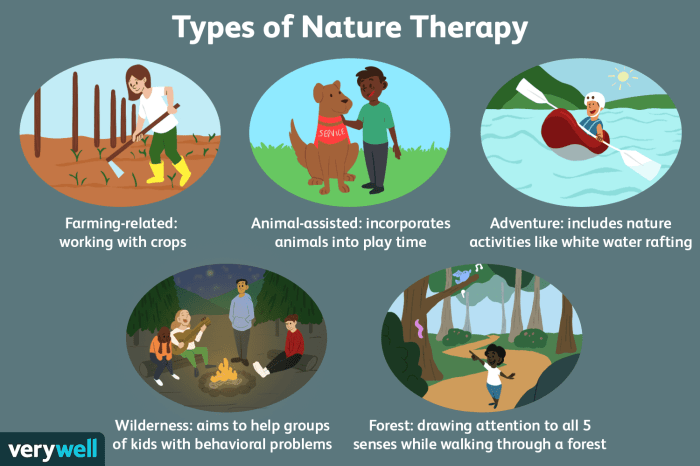
Emotional wellbeing and the benefits of nature therapy – Nature therapy, also known as ecotherapy or green therapy, has been shown to have a positive impact on emotional wellbeing by providing a calming and grounding effect on individuals. Spending time in nature can help reduce stress, anxiety, and depression, leading to improved overall mental health.

Activities in Nature for Emotional Wellness

  • Forest bathing, or shinrin-yoku, involves immersing oneself in the sights, sounds, and smells of the forest to promote relaxation and reduce stress.
  • Gardening allows individuals to connect with the earth, engage in physical activity, and experience the therapeutic benefits of nurturing living plants.
  • Hiking or walking in natural settings can help clear the mind, increase mindfulness, and provide a sense of accomplishment.

Benefits of Nature Therapy in Mental Health Practices

  • Nature therapy can serve as a complementary approach to traditional mental health treatments, enhancing the overall effectiveness of therapy.
  • Being in nature can boost mood, increase energy levels, and improve cognitive function, leading to better emotional regulation and resilience.
  • Studies have shown that exposure to natural environments can reduce rumination, which is linked to the development and persistence of mental health issues.

Healthy Habits for Emotional Wellbeing

Emotional wellbeing is crucial for overall health and happiness. Incorporating daily habits that promote emotional health can have a significant impact on our well-being. By focusing on self-care routines and maintaining a healthy mindset, we can enhance our emotional resilience and coping mechanisms.

Regular Exercise

Regular physical activity has been proven to reduce symptoms of anxiety and depression. Exercise releases endorphins, also known as “feel-good” hormones, which can improve mood and overall emotional well-being. Whether it’s a brisk walk, yoga, or a workout session, incorporating exercise into your daily routine can have a positive impact on your emotional health.

Healthy Eating Habits

Nutrition plays a vital role in our emotional well-being. Consuming a balanced diet rich in fruits, vegetables, whole grains, and lean proteins can help regulate mood and energy levels. Avoiding excessive consumption of processed foods, sugar, and caffeine can also contribute to better emotional health.

Quality Sleep

Getting an adequate amount of quality sleep is essential for emotional well-being. Lack of sleep can lead to irritability, mood swings, and difficulty concentrating. Establishing a bedtime routine, creating a comfortable sleep environment, and prioritizing restful sleep can significantly impact your emotional health.

Mindfulness Practices

Practicing mindfulness techniques such as meditation, deep breathing exercises, or yoga can help reduce stress and improve emotional regulation. Mindfulness allows us to be present in the moment, acknowledge our emotions without judgment, and cultivate a sense of inner peace and calm.

Healthy Social Connections

Maintaining healthy relationships and social connections is vital for emotional well-being. Surrounding yourself with supportive friends and family members, engaging in meaningful conversations, and seeking social support when needed can positively impact your emotional health. Building a strong support system can provide comfort, encouragement, and a sense of belonging.

The Role of Nature Therapy in Healthy Aging

Engaging with nature plays a crucial role in promoting healthy aging by providing numerous physical, mental, and emotional benefits. The therapeutic effects of nature can support older adults in maintaining their overall well-being and quality of life as they age.

Nature-Based Activities for Older Adults

Nature-based activities offer a variety of benefits for older adults, including improved physical health, reduced stress levels, enhanced mood, and increased social connections. Some examples of nature therapy activities beneficial for older adults include:

  • Taking leisurely walks in a nearby park or nature reserve
  • Participating in gardening activities to stay active and connected to the environment
  • Engaging in birdwatching or wildlife observation to promote mindfulness and relaxation
  • Attending nature-based therapy sessions or outdoor yoga classes for holistic well-being

Contribution of Nature Therapy to Cognitive Function

Nature therapy has been shown to have a positive impact on maintaining cognitive function in aging individuals. Spending time in natural environments can help improve memory, attention span, and problem-solving skills. The sensory stimulation provided by nature, such as the sights, sounds, and scents of the outdoors, can enhance brain function and support cognitive health in older adults.

Promoting an Active Lifestyle through Nature Therapy

Nature therapy not only benefits emotional wellbeing but also encourages physical activity. Being in nature provides opportunities for movement and exercise, which are essential for maintaining a healthy and active lifestyle.

Nature Therapy Encourages Physical Activity

  • Engaging in activities such as hiking, biking, or swimming in natural environments can help increase physical fitness levels.
  • Exploring nature trails or participating in outdoor sports can promote cardiovascular health and improve muscle strength.
  • Outdoor activities like gardening or birdwatching involve physical movements that contribute to overall well-being.

Link Between Outdoor Activities and Overall Health

  • Studies have shown that spending time outdoors reduces stress levels and boosts mood, leading to increased motivation for physical activity.
  • Exposure to natural sunlight helps regulate sleep patterns and enhances vitamin D production, which is essential for bone health.
  • Fresh air and outdoor environments can improve respiratory health and immune function, reducing the risk of illnesses.

Tips for Incorporating Nature-Based Exercises into a Daily Routine

  • Start by taking short walks in nearby parks or green spaces to gradually increase physical activity levels.
  • Join outdoor fitness classes or yoga sessions held in natural settings to combine exercise with the benefits of nature therapy.
  • Set goals for outdoor activities such as running a certain distance in a scenic route or practicing mindfulness in a peaceful natural setting.

Cardiovascular Health Benefits of Nature Therapy

Spending time in nature has been shown to have numerous benefits for cardiovascular health. The calming effect of nature can help reduce stress levels, lower blood pressure, and improve overall heart function.

Outdoor Activities for Heart Health

  • Hiking: Walking in nature not only provides physical exercise but also reduces the risk of heart disease.
  • Cycling: Riding a bike through scenic routes can improve cardiovascular endurance and strengthen the heart.
  • Kayaking: Engaging in water activities like kayaking can help boost heart health and overall fitness.

Reducing the Risk of Heart Disease

Studies have shown that regular exposure to nature can lower the risk of developing heart disease by up to 30%.

Outdoor activities that promote physical movement and relaxation in natural settings can contribute to a healthier heart and reduce the likelihood of cardiovascular issues in the future.

Healthy Recipes Inspired by Nature

Exploring nutritious recipes using ingredients found in nature can not only benefit our physical health but also contribute to our emotional wellbeing. Consuming whole foods has been linked to a positive impact on mental health, making it essential to incorporate such ingredients into our meals for overall wellness.

Fruit and Nut Breakfast Bowl

Start your day with a refreshing and nourishing fruit and nut breakfast bowl that is packed with vitamins, minerals, and fiber. This simple yet delicious recipe can help boost your mood and energy levels throughout the day.

  • Ingredients:

    – Mixed berries (strawberries, blueberries, raspberries)

    – Greek yogurt

    – Mixed nuts (almonds, walnuts, cashews)

    – Honey or maple syrup

  • Instructions:
    1. Start by layering the Greek yogurt at the bottom of a bowl.
    2. Add a generous amount of mixed berries on top of the yogurt.
    3. Sprinkle the mixed nuts over the berries.
    4. Drizzle honey or maple syrup for a touch of sweetness.
    5. Enjoy your fruit and nut breakfast bowl!

Herb-Roasted Vegetable Medley

Indulge in a colorful and flavorful herb-roasted vegetable medley that not only satisfies your taste buds but also provides a wealth of nutrients for your body and mind. This dish is a perfect balance of taste and health benefits.

  • Ingredients:

    – Assorted vegetables (bell peppers, zucchini, cherry tomatoes, red onion)

    – Olive oil

    – Fresh herbs (rosemary, thyme, parsley)

    – Salt and pepper

  • Instructions:
    1. Preheat the oven and prepare a baking sheet lined with parchment paper.
    2. Cut the assorted vegetables into bite-sized pieces and place them on the baking sheet.
    3. Drizzle olive oil over the vegetables and sprinkle fresh herbs, salt, and pepper.
    4. Toss the vegetables to ensure even coating of oil and seasonings.
    5. Roast in the oven until the vegetables are tender and slightly browned.
    6. Serve the herb-roasted vegetable medley as a side dish or a main course.

Building Mental Resilience through Nature Therapy

Nature therapy plays a crucial role in helping individuals develop mental resilience by providing a calming and rejuvenating environment that promotes emotional well-being. The connection between nature and mental health has been well-established, with natural surroundings offering a sense of peace and tranquility that can aid in coping with life’s challenges.

Natural Coping Mechanisms

  • Spending time in nature can help individuals gain perspective on their problems and reduce feelings of stress and anxiety.
  • Engaging in activities like hiking, gardening, or simply sitting in a natural setting can promote relaxation and mindfulness, leading to improved mental resilience.
  • Observing the beauty of nature, such as watching a sunrise or listening to the sounds of a forest, can evoke positive emotions and inspire hope, strengthening one’s ability to overcome adversity.

Impact on Stress Management and Resilience

Research has shown that exposure to natural environments can lower cortisol levels, the hormone associated with stress, leading to improved stress management and increased resilience. Being surrounded by green spaces or bodies of water has been linked to reduced feelings of anxiety and depression, enhancing mental well-being.

Immune Support from Nature Therapy

Exposure to nature has been shown to have a positive impact on immune health. Spending time in natural environments can help boost the immune system and improve overall wellbeing. The following are examples of how natural elements can support immune health:

1. Fresh Air, Emotional wellbeing and the benefits of nature therapy

Fresh air in natural settings is free from pollutants commonly found in urban areas, which can help reduce the risk of respiratory infections and strengthen the immune system.

2. Vitamin D from Sunlight

Sunlight is a natural source of vitamin D, which plays a crucial role in supporting immune function. Spending time outdoors and soaking up some sunlight can help maintain optimal levels of vitamin D in the body.

3. Phytoncides from Trees

Phytoncides are natural chemicals emitted by trees and plants that have been found to boost the immune system. Breathing in phytoncides while in a forested area can help enhance immune function.

A healthy immune system is essential for emotional wellbeing as it helps protect the body against illnesses and infections, reducing the physical stress that can impact mental health. By incorporating nature therapy into daily routines, individuals can support their immune system and promote overall emotional wellbeing.

Stress Relief Techniques in Nature Therapy

Nature therapy offers a powerful antidote to the stresses of modern life, providing a calming and rejuvenating environment for those seeking relief. Here, we explore various stress relief techniques that can be incorporated into nature therapy sessions.

Mindfulness Practices in Natural Settings

  • Practice deep breathing exercises while surrounded by the sights and sounds of nature.
  • Engage in mindful walking, focusing on each step and the sensations in your body as you move through a natural setting.
  • Sit quietly and observe the natural world around you, allowing yourself to be fully present in the moment.

Calming Effects of Nature on Stress and Anxiety

Research has shown that spending time in nature can significantly reduce levels of cortisol, the stress hormone, leading to a sense of calm and relaxation.

Being in nature can help lower heart rate, blood pressure, and muscle tension, all of which contribute to reducing stress and anxiety.

Creating a Peaceful Outdoor Space for Relaxation

  • Choose a quiet and serene natural setting, such as a forest, beach, or park, to create your outdoor relaxation space.
  • Add comfortable seating, such as a blanket or chair, to enhance your comfort and relaxation experience.
  • Bring along soothing elements like a book, journal, or meditation app to help you unwind and destress in nature.

Achieving Nutritional Balance through Nature

Nature-based foods play a crucial role in maintaining a balanced diet that supports overall health and well-being. These foods are rich in essential nutrients, vitamins, and minerals that our bodies need to function optimally. Let’s explore how incorporating natural, unprocessed foods and seasonal produce can help achieve nutritional balance.

Benefits of a Diet Rich in Natural, Unprocessed Foods

Eating natural, unprocessed foods such as fruits, vegetables, whole grains, nuts, and seeds can provide a wide range of health benefits. These foods are packed with nutrients like fiber, antioxidants, and phytochemicals that help reduce inflammation, support digestion, and boost immune function. By incorporating more natural foods into your diet, you can improve your overall health and well-being.

Incorporating Seasonal Produce for Optimal Nutrition

Eating seasonal produce is not only better for the environment but also for your health. Seasonal fruits and vegetables are harvested at peak ripeness, meaning they are packed with flavor and nutrients. By choosing seasonal produce, you can ensure that you are getting the freshest and most nutritious foods available. Additionally, seasonal eating can help you diversify your diet and enjoy a variety of flavors throughout the year.

Detailed FAQs: Emotional Wellbeing And The Benefits Of Nature Therapy

How does nature therapy impact emotional wellbeing?

Nature therapy promotes relaxation, reduces stress, and improves mood, leading to enhanced emotional health.

What are some examples of activities in nature that promote emotional wellness?

Activities like hiking, gardening, or simply spending time in a park can boost emotional wellbeing by connecting individuals with nature.

How does nature therapy contribute to healthy aging?

Engaging with nature can support cognitive function, physical health, and overall wellness in older adults, promoting healthy aging.

What are some outdoor activities that benefit cardiovascular health?

Outdoor activities such as walking, cycling, or swimming can improve heart health and reduce the risk of cardiovascular diseases.

How can nature therapy help in building mental resilience?

Nature therapy provides coping mechanisms, stress relief, and a sense of calm that contribute to developing mental resilience in individuals facing challenges.

Healthy habits for enhancing productivity: Tips and strategies for a more efficient work routine

Healthy habits for enhancing productivity

Healthy Habits

Maintaining healthy habits is crucial for enhancing productivity in both personal and professional life. By incorporating simple yet effective routines into your daily life, you can significantly improve your overall well-being and work performance.

Examples of Daily Healthy Habits:

  • Regular Exercise: Engaging in physical activity not only boosts your energy levels but also improves focus and concentration.
  • Healthy Eating: Fueling your body with nutritious foods can enhance brain function and productivity throughout the day.
  • Adequate Sleep: Getting enough rest is essential for cognitive function, memory consolidation, and overall productivity.
  • Hydration: Staying hydrated helps maintain optimal brain function and prevents fatigue.
  • Stress Management: Practicing mindfulness, meditation, or other relaxation techniques can reduce stress levels and improve productivity.

Importance of Establishing a Routine:

Healthy habits for enhancing productivity – Creating a daily routine that includes these healthy habits can help you stay on track and maintain consistency. When these habits become a part of your routine, they require less effort to maintain, leading to long-term benefits for your productivity and overall well-being.

Impact of Healthy Habits on Work Performance:

  • Increased Energy Levels: By following a healthy routine, you can experience higher energy levels throughout the day, enabling you to tackle tasks more efficiently.
  • Enhanced Focus and Concentration: Healthy habits such as exercise and proper nutrition can sharpen your focus and concentration, allowing you to work more effectively.
  • Improved Mood: Taking care of your physical and mental health can positively impact your mood, leading to a more positive and productive work environment.

Emotional Wellbeing

Emotional wellbeing plays a crucial role in enhancing productivity in the workplace. When employees are emotionally balanced and content, they are more likely to perform better, collaborate effectively with colleagues, and handle challenges with resilience.

Practices for Emotional Wellbeing

  • Practice mindfulness and meditation: Encouraging employees to take short breaks for mindfulness exercises can help reduce stress and improve focus.
  • Encourage open communication: Creating a supportive environment where employees feel comfortable sharing their feelings can foster emotional wellbeing.
  • Promote work-life balance: Setting clear boundaries between work and personal life can prevent burnout and improve overall emotional health.

Relationship between Emotional Health and Productivity

Emotional health directly impacts productivity levels in the workplace. Employees who are emotionally stable are better equipped to handle pressure, make sound decisions, and maintain positive relationships with coworkers. On the other hand, unresolved emotional issues can lead to decreased motivation, conflict, and reduced efficiency.

Strategies for Managing Stress

  • Encourage physical activity: Regular exercise can help reduce stress levels and improve mood.
  • Provide resources for mental health support: Offering access to counseling services or mental health resources can help employees cope with stress and emotional challenges.
  • Promote a positive work culture: Recognizing and appreciating employees’ efforts can boost morale and create a supportive work environment.

Healthy Aging

Healthy habits for enhancing productivity

As we age, it becomes increasingly important to adopt healthy habits that support overall well-being and productivity. By focusing on nutrition, exercise, and anti-aging practices, individuals can enhance their quality of life and maintain optimal function as they grow older.

Role of Nutrition and Exercise

Proper nutrition plays a vital role in healthy aging by providing essential nutrients that support bodily functions and help reduce the risk of chronic diseases. A diet rich in fruits, vegetables, whole grains, lean proteins, and healthy fats can promote longevity and vitality. Additionally, regular exercise is key to maintaining muscle mass, bone density, and cardiovascular health as we age. Physical activity also boosts mood, cognitive function, and overall well-being.

Incorporating Anti-Aging Practices

  • Stay hydrated by drinking plenty of water throughout the day to support skin health and overall hydration.
  • Get an adequate amount of sleep each night to allow your body to rest, repair, and regenerate.
  • Protect your skin from sun damage by using sunscreen and wearing protective clothing and accessories.
  • Engage in activities that stimulate the mind, such as puzzles, reading, or learning new skills, to maintain cognitive function.
  • Practice stress-reducing techniques like meditation, deep breathing, or yoga to support emotional well-being and reduce the impact of aging-related stress.

Active Lifestyle

An active lifestyle plays a crucial role in enhancing productivity by boosting energy levels, improving focus, and promoting overall well-being.

Benefits of an Active Lifestyle

  • Increased energy levels: Regular physical activity helps improve circulation and oxygen flow, leading to increased energy levels throughout the day.
  • Enhanced focus and concentration: Exercise releases endorphins that help reduce stress and improve cognitive function, leading to better focus and concentration.
  • Improved mood: Physical activity stimulates the production of serotonin and dopamine, neurotransmitters that help regulate mood and reduce feelings of anxiety and depression.

Simple Exercises to Boost Energy and Focus

  • Brisk walking: A 10-15 minute brisk walk can help increase blood flow, boost energy, and improve focus.
  • Jumping jacks: Performing a quick set of jumping jacks can elevate heart rate, increase circulation, and enhance alertness.
  • Yoga or stretching: Practicing yoga or simple stretching exercises can help relax muscles, reduce tension, and improve mental clarity.

Correlation Between Physical Activity and Mental Acuity

Studies have shown that regular physical activity is associated with improved cognitive function, memory retention, and overall mental acuity. Exercise helps stimulate the growth of new brain cells, improve neural connections, and enhance brain function, leading to better focus, creativity, and problem-solving skills.

Cardiovascular Health

Maintaining good cardiovascular health is crucial for enhancing productivity in the workplace. A healthy heart and circulatory system can improve energy levels, focus, and overall cognitive function, allowing individuals to perform at their best during work hours.

Heart-Healthy Habits

  • Follow a balanced diet rich in fruits, vegetables, whole grains, lean proteins, and healthy fats to support heart health.
  • Limit intake of processed foods, sugary drinks, and foods high in saturated and trans fats to reduce the risk of heart disease.
  • Manage stress through relaxation techniques, mindfulness, and adequate sleep to lower blood pressure and improve heart function.
  • Avoid smoking and limit alcohol consumption to protect your heart and blood vessels from damage.
  • Regularly monitor your blood pressure, cholesterol levels, and overall heart health with the guidance of a healthcare professional.

Importance of Regular Exercise, Healthy habits for enhancing productivity

Regular physical activity is essential for maintaining good cardiovascular health. Engaging in aerobic exercises like brisk walking, running, cycling, or swimming can strengthen the heart muscle, improve blood circulation, and reduce the risk of heart disease. Aim for at least 150 minutes of moderate-intensity exercise per week to keep your heart healthy and enhance your overall work performance.

Healthy Recipes: Healthy Habits For Enhancing Productivity

When it comes to enhancing productivity and focus, a key aspect to consider is the role of nutrition. Eating a well-balanced diet can significantly impact cognitive function and overall productivity. By incorporating nutritious recipes into your daily routine, you can support your brain health and optimize your performance.

Nutritious Breakfast Options

  • Start your day with a power-packed smoothie bowl made with fresh fruits, Greek yogurt, chia seeds, and a sprinkle of nuts for added crunch.
  • Opt for a nutrient-rich avocado toast topped with a poached egg and a dash of seasoning for a satisfying and energizing breakfast.

Wholesome Lunch Ideas

  • Prepare a colorful salad with mixed greens, cherry tomatoes, cucumbers, grilled chicken, and a drizzle of balsamic vinaigrette for a refreshing and filling midday meal.
  • Whip up a hearty quinoa bowl loaded with roasted vegetables, chickpeas, feta cheese, and a squeeze of lemon for a delicious and nutritious lunch option.

Flavorful Dinner Recipes

  • Cook a lean protein like salmon or tofu with a side of roasted sweet potatoes and steamed broccoli for a well-rounded and nourishing dinner.
  • Prepare a comforting vegetable stir-fry with tofu, bell peppers, snap peas, and a homemade teriyaki sauce served over brown rice for a satisfying and wholesome meal.

By incorporating these healthy recipes into your meal planning and preparation, you can fuel your body and mind with the nutrients needed to boost productivity and focus throughout the day.

Mental Resilience

Building mental resilience is crucial for improving productivity in the workplace. It involves developing the ability to adapt to challenges, setbacks, and stressors, while maintaining a positive mindset and focus on goals. By enhancing mental strength and resilience, individuals can navigate through tough situations more effectively, stay motivated, and bounce back from setbacks quicker.

Techniques for Enhancing Mental Strength and Focus

  • Practice mindfulness and meditation to improve focus and reduce stress levels.
  • Engage in regular physical exercise to boost mental clarity and overall well-being.
  • Establish a daily routine to create structure and consistency in your life.
  • Set realistic goals and break them down into smaller, manageable tasks.
  • Seek support from colleagues, mentors, or professional counselors when needed.

Strategies for Overcoming Challenges and Setbacks in the Workplace

  • View challenges as opportunities for growth and learning.
  • Stay flexible and adapt to changing circumstances.
  • Practice gratitude and focus on what you have accomplished rather than dwelling on failures.
  • Take breaks when needed to recharge and avoid burnout.
  • Communicate openly and seek feedback to learn from mistakes and improve performance.

Immune Support

Having a strong immune system is vital for maintaining productivity and overall well-being. A healthy immune system can help prevent illnesses that can disrupt your work routine and daily activities.

Immune-Boosting Habits

  • Get an adequate amount of sleep each night to allow your body to rest and recover.
  • Eat a balanced diet rich in fruits, vegetables, and whole grains to provide essential nutrients for a strong immune system.
  • Stay hydrated by drinking plenty of water throughout the day to help flush out toxins and keep your immune system functioning properly.
  • Engage in regular exercise to boost circulation and promote a healthy immune response.
  • Manage stress through relaxation techniques such as meditation or yoga, as stress can weaken the immune system.

Tips for Strengthening the Immune System

  • Include immune-boosting foods like garlic, ginger, and turmeric in your diet to help fight off infections.
  • Take vitamin supplements, such as Vitamin C and Vitamin D, to support immune function, especially during colder months.
  • Practice good hygiene by washing your hands frequently and avoiding close contact with sick individuals to reduce the risk of infection.
  • Stay up to date on vaccinations to protect yourself against common illnesses and maintain a strong immune response.

Stress Relief

In today’s fast-paced world, stress has become a common occurrence that can significantly impact our productivity. Finding effective stress-relief techniques is crucial for maintaining focus and achieving our goals.

Impact of Stress on Work Performance

  • Stress can lead to decreased concentration and memory, resulting in errors and reduced productivity.
  • Chronic stress can contribute to burnout, fatigue, and overall dissatisfaction with work.
  • High levels of stress can also affect decision-making abilities and interpersonal relationships in the workplace.

Effective Stress-Relief Techniques

  • Practice mindfulness and meditation to calm the mind and reduce anxiety.
  • Engage in regular physical activity to release endorphins and improve mood.
  • Take breaks throughout the day to relax and recharge, avoiding prolonged periods of intense work.
  • Establish boundaries between work and personal life to prevent work-related stress from spilling over into other areas.

Creating a Stress-Free Work Environment

  • Implement flexible work schedules to allow for better work-life balance and reduce stress levels.
  • Promote open communication and encourage employees to seek support when feeling overwhelmed.
  • Create a positive and supportive workplace culture that values well-being and mental health.
  • Provide resources for stress management, such as workshops, counseling services, or relaxation areas.

Nutritional Balance

Maintaining a proper nutritional balance is crucial for enhancing productivity in our daily lives. A well-rounded diet not only supports our energy levels but also plays a significant role in improving focus and cognitive function.

Tips for Achieving a Well-Rounded Diet

  • Include a variety of fruits, vegetables, whole grains, and lean proteins in your meals to ensure you are getting essential nutrients.
  • Avoid excessive consumption of processed foods, sugary snacks, and beverages high in added sugars.
  • Stay hydrated by drinking an adequate amount of water throughout the day to support optimal brain function and productivity.
  • Plan your meals in advance to prevent impulsive eating choices and ensure you are meeting your nutritional needs.
  • Consider consulting a registered dietitian to create a personalized nutrition plan tailored to your specific requirements.

The Role of Hydration in Cognitive Function

  • Hydration is key to maintaining cognitive function and productivity as even mild dehydration can lead to a decline in focus and mental clarity.
  • Drinking water helps transport essential nutrients to the brain, promoting optimal cognitive performance and enhancing productivity.
  • Aim to drink at least 8-10 glasses of water per day and increase your intake during periods of increased physical or mental activity.
  • Include hydrating foods such as fruits and vegetables in your diet to supplement your water intake and support overall hydration levels.
  • Monitor your urine color to ensure you are adequately hydrated, aiming for a pale yellow color as a sign of proper hydration.

Essential FAQs

How can daily healthy habits enhance productivity?

Establishing a routine of healthy habits can increase energy levels, focus, and overall well-being, leading to improved work performance.

What is the importance of emotional wellbeing in relation to productivity?

Emotional health directly impacts productivity by influencing motivation, decision-making, and interpersonal relationships in the workplace.

How does cardiovascular health affect work performance?

Maintaining good cardiovascular health through heart-healthy habits and regular exercise can improve energy levels and cognitive function, enhancing productivity.