Importance of hydration for nutritional balance: The key to overall health and well-being

Importance of hydration for nutritional balance

Importance of Hydration for Nutritional Balance

Importance of hydration for nutritional balance – Hydration plays a crucial role in maintaining a healthy nutritional balance as it is essential for various bodily functions. Water is a fundamental nutrient that impacts nutrient absorption, digestion, and overall health.

Hydration and Nutrient Absorption

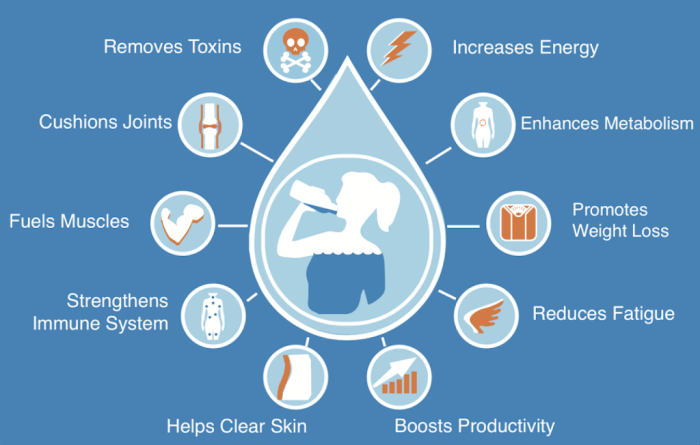
Proper hydration is vital for optimal nutrient absorption in the body. Water helps dissolve nutrients and deliver them to cells, enabling the absorption of vitamins, minerals, and other essential compounds. Without adequate hydration, nutrient absorption may be compromised, leading to potential deficiencies.

Importance of Water for Overall Health

Water is essential for overall health and well-being. It helps regulate body temperature, lubricate joints, remove waste products, and support organ function. Staying adequately hydrated can improve energy levels, enhance cognitive function, and promote overall vitality.

Healthy Habits

Proper hydration is a key component of maintaining a healthy lifestyle. By incorporating daily habits that promote hydration, you can improve your overall wellness and nutritional balance.

Examples of Daily Habits for Proper Hydration

  • Carrying a reusable water bottle with you throughout the day to remind yourself to drink water regularly.
  • Adding fruits like watermelon, oranges, and berries to your diet, as they have high water content.
  • Setting timers or alarms on your phone to prompt you to take water breaks at regular intervals.

The Link Between Hydration and Other Healthy Lifestyle Habits

  • Hydration plays a crucial role in digestion, nutrient absorption, and overall metabolism.
  • Proper hydration can help regulate body temperature, improve cognitive function, and support physical performance during exercise.
  • Combining hydration with a balanced diet, regular exercise, and sufficient sleep can enhance your overall health and well-being.

Tips on Incorporating Hydration into Your Routine

  • Start your day with a glass of water before consuming any other beverages or food.
  • Keep a water tracker or journal to monitor your daily water intake and set hydration goals.
  • Experiment with infused water by adding fresh herbs, citrus slices, or cucumber for added flavor.

Emotional Wellbeing

Staying hydrated is not only crucial for physical health but also plays a significant role in emotional wellbeing. Dehydration can have negative effects on mood and cognitive functions, impacting overall emotional balance.

Impact on Emotional Health

Proper hydration is essential for maintaining optimal brain function and supporting neurotransmitter production, which are crucial for regulating emotions. Dehydration can lead to irritability, anxiety, and even depression due to altered brain chemistry.

Connection Between Hydration and Mood Regulation

  • Hydration helps in the transport of essential nutrients to the brain, affecting mood regulation and emotional stability.
  • Water plays a key role in the removal of toxins and waste products from the body, preventing the build-up of substances that can negatively impact mood.
  • Dehydration can lead to fatigue, which in turn can contribute to mood swings and decreased emotional resilience.

Strategies for Maintaining Emotional Balance

  • Carry a reusable water bottle with you throughout the day as a reminder to stay hydrated.
  • Set specific goals for water intake based on your weight and activity level to ensure adequate hydration.
  • Infuse your water with fruits or herbs to add flavor and make it more appealing, encouraging increased consumption.
  • Monitor your urine color as a simple indicator of hydration levels – aim for pale yellow to clear urine.
  • Practice mindfulness and relaxation techniques to reduce stress, which can help in maintaining emotional balance alongside proper hydration.

Healthy Aging

As we age, staying hydrated becomes even more crucial for maintaining overall health and well-being. Adequate hydration plays a significant role in healthy aging by supporting various bodily functions, including cognitive function and skincare.

The Role of Hydration in Skincare and Healthy Aging, Importance of hydration for nutritional balance

Proper hydration is essential for maintaining healthy skin as we age. Dehydration can lead to dryness, fine lines, and wrinkles, making the skin appear dull and aged. By staying hydrated, seniors can help keep their skin plump, radiant, and youthful.

Supporting Cognitive Function with Adequate Hydration

  • Hydration is vital for brain health and cognitive function, especially in older adults. Dehydration can impair memory, concentration, and overall brain function.
  • Drinking enough water throughout the day can help seniors stay mentally sharp, focused, and alert.
  • Hydration also aids in the delivery of nutrients and oxygen to the brain, supporting optimal cognitive performance.

Tips for Seniors to Stay Hydrated

  • Carry a reusable water bottle with you wherever you go to ensure easy access to water throughout the day.
  • Set a hydration schedule or use reminders to drink water regularly, especially if you tend to forget to stay hydrated.
  • Incorporate hydrating foods such as fruits, vegetables, and soups into your diet to increase your water intake.
  • Avoid excessive caffeine and alcohol consumption, as they can contribute to dehydration.
  • Consult with a healthcare provider to determine your specific hydration needs based on your age, health status, and activity level.

Active Lifestyle

Staying hydrated is crucial for individuals who lead an active lifestyle, such as athletes and fitness enthusiasts. Proper hydration plays a key role in supporting overall performance and recovery.

Impact on Exercise Performance and Recovery

Hydration has a significant impact on exercise performance and recovery. Dehydration can lead to decreased endurance, strength, and coordination during physical activities. It can also increase the risk of muscle cramps, heat-related illnesses, and fatigue. Proper hydration ensures that the body can function optimally during exercise and aids in faster recovery post-workout.

  • Hydration helps regulate body temperature, allowing for better endurance and performance.
  • Fluid intake supports nutrient delivery to muscles and helps remove waste products produced during exercise.
  • Proper hydration maintains electrolyte balance, essential for muscle function and preventing cramps.

Hydration Strategies for Athletes and Fitness Enthusiasts

For individuals with an active lifestyle, it is essential to adopt effective hydration strategies to optimize performance and recovery.

  1. Drink water regularly throughout the day, not just during workouts.
  2. Monitor urine color to ensure adequate hydration levels (pale yellow is ideal).
  3. Consume electrolyte-rich drinks or snacks to replenish minerals lost through sweat.
  4. Weigh yourself before and after exercise to determine fluid loss and rehydrate accordingly.
  5. Avoid excessive caffeine and alcohol consumption, as they can contribute to dehydration.

Cardiovascular Health

Staying hydrated is crucial for maintaining good cardiovascular health. Dehydration can put a strain on the heart and lead to various issues related to circulation and overall heart function.

Relationship between Hydration and Cardiovascular Health

Proper hydration plays a key role in supporting heart function and circulation. When you are dehydrated, your blood becomes thicker, making it harder for the heart to pump and circulate throughout the body. This can lead to increased heart rate, elevated blood pressure, and overall stress on the cardiovascular system.

Benefits of Staying Hydrated for a Healthy Heart

  • Helps maintain normal blood volume and viscosity.
  • Supports optimal blood pressure levels.
  • Aids in the delivery of nutrients and oxygen to cells.
  • Promotes proper functioning of the heart muscle.

Tips for Maintaining Proper Hydration Levels

  • Drink an adequate amount of water throughout the day.
  • Monitor your urine color to ensure proper hydration.
  • Incorporate hydrating foods like fruits and vegetables into your diet.
  • Avoid excessive consumption of dehydrating beverages like alcohol and caffeine.
  • Carry a reusable water bottle with you to stay hydrated on the go.

Healthy Recipes

When it comes to maintaining optimal hydration levels and nutritional balance, incorporating hydrating foods into your diet is key. Below are some delicious and hydrating recipe ideas to help you stay healthy and hydrated.

Hydrating Beverages

  • Refreshing Cucumber Mint Water: Simply slice a cucumber and add it to a pitcher of water along with a few sprigs of fresh mint. Let it sit for a few hours in the fridge to allow the flavors to infuse.
  • Coconut Water Smoothie: Blend together coconut water, frozen berries, banana, and a handful of spinach for a hydrating and nutritious smoothie.
  • Watermelon Lime Cooler: Blend fresh watermelon chunks with lime juice and ice for a hydrating and delicious summer drink.

Hydrating Meals

  • Summer Salad with Citrus Dressing: Toss together mixed greens, sliced cucumber, cherry tomatoes, avocado, and a drizzle of citrus dressing for a hydrating and nutrient-packed meal.
  • Cucumber and Avocado Sushi Rolls: Wrap sushi rice, cucumber, avocado, and a sprinkle of sesame seeds in nori sheets for a hydrating and refreshing meal.
  • Greek Yogurt Parfait with Berries: Layer Greek yogurt, fresh berries, granola, and a drizzle of honey for a hydrating and satisfying breakfast or snack.

By incorporating these hydrating recipes into your diet, you can ensure that you are nourishing your body with the essential nutrients it needs while staying properly hydrated.

Mental Resilience

Maintaining proper hydration is not only crucial for physical health but also plays a significant role in mental resilience and cognitive function. Dehydration can have a negative impact on our mental clarity, focus, and overall cognitive performance.

Impact of Dehydration on Cognitive Function

Dehydration can lead to reduced cognitive abilities, including impaired memory, concentration, and decision-making skills. When the body lacks adequate water, the brain may struggle to perform optimally, affecting our mental resilience and ability to cope with stress.

  • Dehydration can cause fatigue and lethargy, making it challenging to stay alert and focused.
  • Studies have shown that even mild dehydration can impair cognitive function and mood.
  • Proper hydration is essential for maintaining brain health and supporting mental resilience in challenging situations.

Strategies for Staying Hydrated

To enhance mental clarity and focus, it is important to adopt strategies that promote hydration throughout the day.

  1. Carry a reusable water bottle with you to ensure easy access to water wherever you go.
  2. Set reminders or create a routine to drink water at regular intervals, especially during busy or stressful periods.
  3. Incorporate hydrating foods such as fruits, vegetables, and soups into your diet to supplement your water intake.
  4. Avoid excessive consumption of caffeinated or alcoholic beverages, as they can contribute to dehydration.

Immune Support

Importance of hydration for nutritional balance
Proper hydration plays a crucial role in supporting immune function by helping to flush out toxins and maintain the body’s natural defense system. Staying hydrated is essential for overall health and well-being, especially when it comes to boosting immunity.

Benefits of Hydration for Immune Support

  • Hydration helps in the production of lymph, which carries white blood cells and other immune system cells throughout the body to fight off infections.
  • Drinking an adequate amount of water can help prevent dehydration, which can weaken the immune system and make the body more susceptible to illnesses.
  • Proper hydration supports the body’s ability to remove waste and toxins, which can impact immune function if allowed to accumulate.

Tips for Staying Hydrated for Immunity

  • Carry a reusable water bottle with you throughout the day to remind yourself to drink water regularly.
  • Set reminders on your phone or use hydration tracking apps to monitor your water intake and ensure you are meeting your daily hydration needs.
  • Incorporate hydrating foods such as fruits, vegetables, and soups into your diet to supplement your water intake.
  • Avoid excessive consumption of dehydrating beverages like alcohol and caffeinated drinks, as they can contribute to dehydration.

Stress Relief

Hydration plays a crucial role in stress management as it directly impacts our mental and emotional wellbeing. Dehydration can exacerbate stress and anxiety, making it essential to maintain proper hydration levels for overall health.

Connection between Hydration and Stress Management

  • Staying hydrated helps regulate cortisol levels, the stress hormone, in the body.
  • Proper hydration supports cognitive function, which is important for managing stress effectively.
  • Dehydration can lead to increased feelings of irritability and fatigue, making it harder to cope with stressors.

Relaxation Techniques for Stress Relief

  • Start your day with a glass of water to kickstart hydration and promote a sense of calm.
  • Practice mindful drinking by focusing on the act of hydrating and taking deep breaths for relaxation.
  • Stay hydrated throughout the day to maintain energy levels and reduce feelings of stress and tension.

Nutritional Balance

Maintaining a balanced diet is crucial for overall health and well-being. Hydration plays a key role in achieving optimal nutritional balance as it impacts nutrient absorption and metabolism.

Impact of Hydration on Nutrient Absorption and Metabolism

Proper hydration is essential for the body to effectively absorb nutrients from food and beverages. Water helps transport nutrients to cells and organs, facilitating their absorption and utilization. Dehydration can hinder this process, leading to nutrient deficiencies and impaired metabolism.

Tips for Achieving Optimal Nutritional Balance through Proper Hydration

  • Drink an adequate amount of water throughout the day to stay hydrated. Aim for at least 8-10 glasses of water daily.
  • Include hydrating foods in your diet, such as fruits and vegetables with high water content like cucumbers, watermelon, and oranges.
  • Avoid excessive consumption of dehydrating beverages like caffeinated drinks and alcohol, as they can impact hydration levels.
  • Monitor your hydration status by paying attention to thirst cues and the color of your urine. Clear or pale yellow urine is a sign of adequate hydration.
  • Stay hydrated before, during, and after physical activity to support optimal nutrient absorption and replenish electrolytes lost through sweat.

Clarifying Questions: Importance Of Hydration For Nutritional Balance

How does hydration impact nutrient absorption?

Hydration helps in the absorption of nutrients in the body by aiding in digestion and transportation of essential vitamins and minerals.

What are some daily habits that promote proper hydration?

Examples of daily habits include carrying a water bottle everywhere, setting reminders to drink water, and consuming hydrating foods like fruits and vegetables.

Can hydration affect emotional wellbeing?

Yes, staying hydrated can positively impact emotional health by helping regulate mood and improve mental clarity.

How does hydration support immune function?

Proper hydration helps in flushing out toxins and supporting the immune system, thus boosting immunity and overall health.

What is the importance of hydration for those leading an active lifestyle?

Hydration is crucial for maintaining energy levels, enhancing exercise performance, and aiding in post-workout recovery for individuals with active lifestyles.


Best immune support supplements for adults: Enhance your immunity with these top supplements

Best immune support supplements for adults

Introduction to Immune Support Supplements

Immune support supplements play a crucial role in helping adults maintain a healthy immune system. These supplements are designed to provide the body with essential nutrients and vitamins that support the immune system’s function and overall health.

Role of Immune Support Supplements

Immune support supplements help boost the immune system by providing nutrients that are essential for its proper functioning. These supplements can help strengthen the body’s natural defense mechanisms, making it more resilient to infections and illnesses.

  • They help in promoting the production of white blood cells, which are essential for fighting off pathogens and infections.
  • Immune support supplements can also enhance the body’s antioxidant defenses, reducing oxidative stress and inflammation.
  • Some supplements contain probiotics that support gut health, which is closely linked to immune function.

Common Ingredients in Immune Support Supplements, Best immune support supplements for adults

Immune support supplements often contain a variety of vitamins, minerals, and botanical extracts that are known for their immune-boosting properties.

  • Vitamin C: Known for its antioxidant properties and its role in supporting immune function.
  • Zinc: Essential for immune cell function and overall immune system health.
  • Echinacea: A popular herb believed to enhance the immune system and reduce the duration of colds.
  • Probiotics: Beneficial bacteria that support gut health and immune function.

Best Immune Support Supplements for Adults

Best immune support supplements for adults – When it comes to boosting immunity in adults, there are several key supplements that are highly recommended for their effectiveness.

Vitamin C

Vitamin C is a powerful antioxidant that helps protect cells from damage and supports the immune system. It is available in various forms such as pills, powders, and liquids, with each form being effective in enhancing immunity.

Zinc

Zinc is essential for the normal development and function of immune cells. It helps regulate immune responses and has been shown to reduce the duration of colds. Zinc supplements come in different forms, including pills and lozenges, all of which are effective in supporting immune health.

Probiotics

Probiotics are beneficial bacteria that support gut health, which is closely linked to immune function. They help maintain a healthy balance of gut microflora, which in turn boosts the immune system. Probiotics are available in various forms like capsules, powders, and liquids, all of which can enhance immunity.

Healthy Habits and Immune Health

Maintaining healthy habits is crucial for supporting a strong immune system. From regular exercise to sufficient sleep, these habits play a vital role in boosting immunity and overall well-being.

Impact of Regular Exercise on Immune Function

Regular exercise is not only beneficial for physical health but also plays a significant role in boosting immune function. Engaging in regular physical activity can help improve circulation, promote healthy sleep patterns, and reduce stress levels, all of which contribute to a stronger immune system.

Importance of Sufficient Sleep and Stress Management for Immunity

Adequate sleep is essential for a well-functioning immune system. During sleep, the body repairs and rejuvenates itself, allowing the immune system to function optimally. On the other hand, chronic stress can weaken the immune system, making the body more susceptible to infections and illnesses. Practicing stress management techniques such as meditation, deep breathing exercises, or yoga can help reduce stress levels and support immune health.

Emotional Wellbeing and Immune System

Emotional wellbeing plays a crucial role in maintaining a healthy immune system. The mind and body are interconnected, and emotional health can impact the body’s ability to fight off infections and diseases.

The Connection Between Stress, Anxiety, and Immunity

Stress and anxiety can weaken the immune system, making the body more vulnerable to illnesses. When we are stressed, our bodies release cortisol, a hormone that can suppress immune function. Chronic stress can lead to inflammation and a weakened immune response, increasing the risk of infections.

  • High levels of stress can reduce the number of white blood cells in the body, which are essential for fighting off pathogens.
  • Anxiety can also impact the body’s ability to produce antibodies, which are crucial for recognizing and neutralizing harmful substances.
  • Prolonged stress can disrupt the balance of immune cells in the body, making it harder to combat infections effectively.

Strategies to Improve Emotional Health for Better Immune Function

Taking care of our emotional wellbeing can help strengthen our immune system and improve overall health.

  1. Practice stress-reducing activities such as meditation, deep breathing exercises, or yoga to lower cortisol levels and promote relaxation.
  2. Engage in regular physical activity, which can help reduce stress and anxiety while boosting immune function.
  3. Get an adequate amount of sleep to support immune health and improve mood regulation.
  4. Connect with friends and family for emotional support, as social relationships can have a positive impact on mental health.
  5. Seek professional help if you are struggling with chronic stress or anxiety, as therapy or counseling can provide effective coping strategies.

Healthy Aging and Immune Support

Best immune support supplements for adults
As we age, our immune system undergoes changes that can make us more susceptible to infections and illnesses. It’s important to take steps to support our immune health as we grow older.

Aging affects the immune system by causing a decline in immune function, known as immunosenescence. This means that the immune response becomes less efficient, making it harder for the body to fight off infections. Additionally, chronic conditions and medications that are more common in older adults can further weaken the immune system.

Specific Immune Support Supplements for the Elderly

  • Vitamin D: Helps regulate the immune system and reduce inflammation. Many older adults are deficient in vitamin D, so supplementation can be beneficial.
  • Probiotics: Support gut health, which plays a crucial role in immune function. Look for probiotics specifically formulated for seniors.
  • Zinc: Essential for immune function and wound healing. Zinc supplementation may help boost the immune response in older adults.

Tips for Maintaining a Strong Immune System as You Age

  • Eat a balanced diet rich in fruits, vegetables, whole grains, and lean proteins to provide essential nutrients for immune function.
  • Stay active with regular exercise to support overall health and immune function.
  • Get enough sleep to allow your body to rest and repair, which is crucial for a strong immune system.
  • Manage stress through relaxation techniques, meditation, or yoga, as chronic stress can weaken the immune system.
  • Stay up to date on vaccinations to protect against preventable infections and diseases.

Active Lifestyle and Immunity

Best immune support supplements for adults
Regular physical activity plays a crucial role in supporting a healthy immune system. An active lifestyle not only helps in maintaining overall fitness but also enhances the body’s ability to fight off infections and illnesses.

Benefits of Regular Exercise for Immunity

Regular exercise can boost the immune system by promoting good circulation, which allows immune cells to move freely throughout the body. It also helps in reducing inflammation and strengthening the body’s defense mechanisms. Additionally, exercise is known to improve overall mental health and reduce stress, which can have a positive impact on immune function.

  • Cardiovascular exercises like running, swimming, or cycling can improve cardiovascular health and enhance overall immune function.
  • Strength training exercises such as weightlifting or bodyweight exercises can help in building muscle mass and increasing the production of immune-boosting proteins.
  • Yoga and Pilates can aid in reducing stress levels and improving mental well-being, thereby supporting a healthy immune response.

Remember to stay hydrated and nourished before, during, and after your workouts to support your body’s immune system.

Cardiovascular Health and Immune Function

Maintaining a healthy cardiovascular system is crucial for supporting a strong immune system. The connection between heart health and immunity is closely intertwined, as the cardiovascular system plays a key role in delivering immune cells and essential nutrients throughout the body.

Impact of Heart Health on Immunity

A healthy heart ensures proper circulation of blood, which carries immune cells and antibodies to various parts of the body to fight off infections and illnesses. When the heart is strong and functioning well, it supports the immune system in effectively responding to pathogens and maintaining overall health.

  • Regular Exercise: Engaging in physical activity helps improve cardiovascular health by strengthening the heart muscle and promoting better blood flow. This, in turn, enhances the immune system’s ability to combat infections.
  • Heart-Healthy Diet: Consuming a balanced diet rich in fruits, vegetables, whole grains, lean proteins, and healthy fats can support both heart health and immune function. Foods high in antioxidants, such as berries, leafy greens, and nuts, can help reduce inflammation and boost immunity.
  • Manage Stress: Chronic stress can have a negative impact on both cardiovascular health and immune function. Implementing stress-reducing techniques like meditation, yoga, or deep breathing exercises can benefit the heart and immune system.
  • Adequate Sleep: Getting enough rest is essential for cardiovascular health and immune support. Aim for 7-9 hours of quality sleep each night to allow your body to repair and regenerate, supporting both systems.

Healthy Recipes for Immune Support

When it comes to supporting your immune system, a balanced diet plays a crucial role. Including immune-boosting ingredients in your meals can help strengthen your body’s defenses and overall wellness.

Immune-Boosting Meal Ideas:

  • Chicken and Vegetable Stir-Fry: This dish is packed with nutrients from colorful vegetables like bell peppers, broccoli, and carrots, along with lean protein from chicken. Add immune-boosting spices like garlic and ginger for an extra health kick.
  • Quinoa and Black Bean Salad: Quinoa is a great source of protein and fiber, while black beans provide essential nutrients like zinc. Mix in colorful vegetables like cherry tomatoes, cucumbers, and bell peppers for added vitamins and antioxidants.
  • Immune-Boosting Smoothie: Blend together spinach, kale, berries, Greek yogurt, and a splash of orange juice for a nutrient-packed smoothie that supports your immune system. You can also add a scoop of protein powder for an extra boost.

Importance of a Balanced Diet:

A balanced diet rich in fruits, vegetables, whole grains, lean proteins, and healthy fats provides essential nutrients that support a healthy immune system. Including a variety of foods in your meals ensures you’re getting the vitamins, minerals, and antioxidants your body needs to function optimally.

Overall Wellness:

By incorporating immune-boosting ingredients into your meals, you not only support your immune system but also promote overall wellness. Eating a nutritious diet can help improve energy levels, mood, and cognitive function, contributing to a healthier and happier lifestyle.

Mental Resilience and Immune Health

Maintaining mental resilience is crucial for overall well-being, including immune health. Our mindset and emotional state can significantly impact our immune system’s ability to function optimally.

Positive Mindset and Immune System

A positive mindset can lead to lower levels of stress hormones, such as cortisol, which can suppress the immune response. By reducing stress and promoting feelings of positivity, the immune system is better equipped to defend against pathogens and maintain overall health.

  • Practice gratitude: Cultivating a sense of gratitude has been shown to improve mental resilience and enhance immune function. Take time each day to reflect on things you are grateful for.
  • Stay connected: Building and maintaining strong social connections can help reduce feelings of loneliness and isolation, which are linked to weakened immune function. Reach out to friends and loved ones regularly.
  • Engage in stress-reducing activities: Activities like meditation, yoga, deep breathing exercises, and mindfulness can all help lower stress levels and improve mental resilience, leading to better immune health.
  • Seek professional help if needed: If you are struggling with maintaining a positive mindset or dealing with chronic stress, consider speaking with a mental health professional for support and guidance.

Stress Relief Techniques for Immune Support

Stress relief techniques play a crucial role in enhancing immune health by reducing the negative impact of chronic stress on the immune system. By incorporating relaxation methods into your daily routine, you can support your body’s natural defense mechanisms and promote overall well-being.

Mindfulness Meditation

Mindfulness meditation is a powerful stress relief technique that involves focusing on the present moment without judgment. This practice can help reduce anxiety, improve mood, and enhance immune function by lowering stress hormones in the body.

Deep Breathing Exercises

Deep breathing exercises are effective in calming the mind and relaxing the body. By taking slow, deep breaths, you can activate the body’s relaxation response, which can help alleviate stress and boost immune health.

Yoga and Tai Chi

Practicing yoga or Tai Chi can help reduce stress levels and improve immune function. These gentle forms of exercise combine movement with breath awareness, promoting relaxation and emotional well-being.

Progressive Muscle Relaxation

Progressive muscle relaxation involves tensing and then relaxing different muscle groups in the body. This technique can help release physical tension, reduce stress, and enhance immune system function.

Spending Time in Nature

Spending time in nature has been shown to lower stress levels and improve overall well-being. Whether it’s a walk in the park or a hike in the mountains, connecting with nature can have a positive impact on immune health.

Nutritional Balance and Immune Support

Maintaining a proper nutritional balance is crucial for supporting a healthy immune system. The foods we consume play a significant role in determining our immune response and overall health. By ensuring we get the right nutrients, we can help our immune system function optimally.

Key Nutrients for a Healthy Immune Response

  • Vitamin C: Known for its antioxidant properties, vitamin C helps boost the immune system and protect cells from damage. Citrus fruits, strawberries, and bell peppers are excellent sources of vitamin C.
  • Vitamin D: This vitamin plays a crucial role in regulating immune function and can be obtained from sunlight exposure, fatty fish, and fortified dairy products.
  • Zinc: Essential for immune cell function, zinc can be found in foods like meat, shellfish, legumes, seeds, and nuts.
  • Probiotics: These beneficial bacteria support gut health, which is closely linked to immune function. Yogurt, kefir, sauerkraut, and kimchi are good sources of probiotics.

Foods for Optimal Immune Function

  • Garlic: Known for its immune-boosting properties, garlic contains compounds that help fight infections and support immune health.
  • Broccoli: Packed with vitamins, minerals, and antioxidants, broccoli is a great addition to support overall immune function.
  • Turmeric: This spice has anti-inflammatory and antioxidant properties that can help enhance the immune response.
  • Green Tea: Rich in antioxidants, green tea can help strengthen the immune system and promote overall well-being.

Clarifying Questions

Can immune support supplements prevent all illnesses?

While immune support supplements can enhance your body’s defenses, they may not prevent all illnesses. It’s important to maintain a healthy lifestyle and consult with a healthcare provider for personalized advice.

Are there any side effects of taking immune support supplements?

Some individuals may experience mild side effects such as digestive issues when taking immune support supplements. It’s advisable to follow recommended dosages and consult a healthcare professional if you have concerns.

Should I take immune support supplements daily?

Consistency is key when it comes to immune support supplements. Taking them daily as part of your routine can help maintain optimal immune function and overall well-being.

Herbal teas for immune support – Boosting your health with natures remedies

Herbal teas for immune support

Introduction to Herbal Teas for Immune Support

Herbal teas for immune support

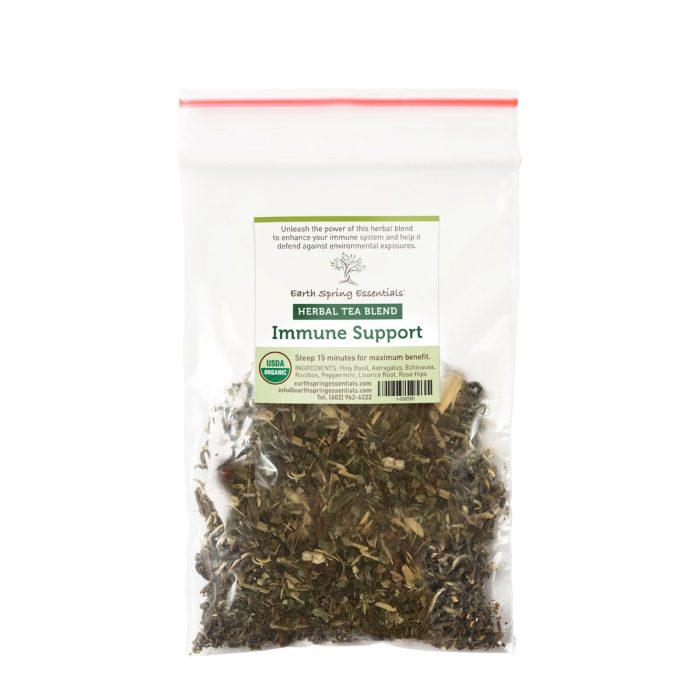
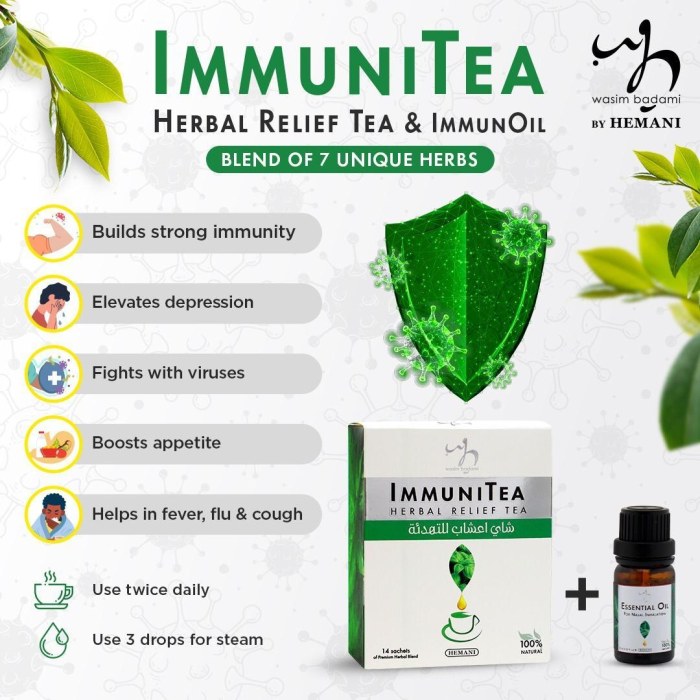
Herbal teas for immune support – Herbal teas are beverages made from the infusion of herbs, flowers, fruits, or other plant materials in hot water. They have been used for centuries in traditional medicine for their various health benefits, including supporting the immune system.

Incorporating herbal teas into a daily routine can provide a natural way to boost the immune system and enhance overall well-being. These teas are rich in antioxidants, vitamins, and minerals that help strengthen the body’s defense mechanism against infections and illnesses.

Benefits of Herbal Teas for Immune Health

  • Antioxidant-rich: Herbal teas contain powerful antioxidants that protect the body from free radicals and oxidative stress, reducing the risk of chronic diseases.
  • Anti-inflammatory properties: Many herbal teas have anti-inflammatory effects, which can help reduce inflammation in the body and support immune function.
  • Rich in vitamins and minerals: Herbal teas are a natural source of essential nutrients like vitamin C, zinc, and iron, which are crucial for a strong immune system.
  • Calming and stress-relieving: Some herbal teas have calming properties that can help reduce stress levels, which in turn can positively impact immune health.

Types of Herbal Teas for Immune Support

When it comes to herbal teas for immune support, there are several popular herbs known for their immune-boosting properties. These herbs are often used in teas to help strengthen the body’s defenses against illnesses and promote overall well-being.

Echinacea

Echinacea is a well-known herb that is commonly used to support the immune system. It is believed to help stimulate the production of white blood cells, which are essential for fighting off infections. Echinacea also has anti-inflammatory properties that can help reduce inflammation in the body.

Ginger

Ginger is another herb that is commonly used in herbal teas for immune support. It is known for its warming properties and its ability to help reduce inflammation. Ginger also has antimicrobial properties that can help fight off infections and boost the immune system.

Elderberry

Elderberry is a powerful immune-boosting herb that is rich in antioxidants and vitamins. It is often used to help support the immune system and prevent colds and flu. Elderberry is believed to help reduce the duration and severity of cold and flu symptoms.

Brewing and Consumption of Herbal Teas

When it comes to brewing and consuming herbal teas for immune support, there are certain guidelines to follow to ensure you get the maximum benefits. Here are some tips to help you make the most of your herbal tea consumption.

Guidelines for Brewing Herbal Teas

  • Start by boiling water and allowing it to cool slightly before adding your herbs. Boiling water can destroy some of the beneficial properties of the herbs.
  • Use about 1 teaspoon of dried herbs per cup of water. If using fresh herbs, you may need to use more.
  • Let the herbs steep for at least 5-10 minutes to extract their medicinal properties fully.
  • Strain the herbs before drinking to prevent any debris from getting into your tea.

Ideal Times to Consume Herbal Teas for Immune Support

  • Start your day with a cup of herbal tea to kickstart your immune system and provide a boost of nutrients.
  • Have a cup of herbal tea mid-morning or mid-afternoon to keep your immune system supported throughout the day.
  • Consider having a cup of herbal tea in the evening to help you relax and unwind while still supporting your immune system.

Healthy Habits

Incorporating herbal teas into your routine can complement other healthy habits such as regular exercise and balanced nutrition. The synergy between herbal teas and a healthy lifestyle plays a crucial role in supporting overall well-being.

Benefits of Herbal Teas with Healthy Habits

  • Provides antioxidants: Herbal teas are rich in antioxidants that help fight free radicals in the body, promoting overall health and well-being.
  • Hydration: Drinking herbal teas helps keep you hydrated, which is essential for maintaining optimal bodily functions.
  • Boosts immune system: The natural compounds in herbal teas can help strengthen the immune system, making it more resilient to illnesses.
  • Supports relaxation: Certain herbal teas like chamomile or lavender can aid in relaxation and stress relief, contributing to overall mental and emotional well-being.

Emotional Wellbeing

Herbal teas play a significant role in promoting emotional balance and reducing stress. The calming effects of certain herbs can help soothe the mind and body, providing a sense of relaxation and peace.

Calming Herbs in Herbal Teas

  • Lavender: Known for its calming properties, lavender can help reduce anxiety and promote relaxation.
  • Chamomile: A popular choice for bedtime tea, chamomile has soothing effects that can aid in reducing stress and improving sleep quality.
  • Peppermint: Not only does peppermint tea help with digestion, but it also has a refreshing and calming effect on the mind.
  • Lemon Balm: This herb is known to help reduce stress and anxiety, promoting a sense of calmness and well-being.

Healthy Aging: Herbal Teas For Immune Support

Antioxidants found in herbal teas play a crucial role in promoting healthy aging by combating oxidative stress and inflammation in the body. These compounds help protect cells from damage caused by free radicals, which can contribute to aging-related conditions such as heart disease, diabetes, and cognitive decline.

Antioxidants and Immune Support, Herbal teas for immune support

Antioxidants present in herbal teas, such as green tea, rooibos, and hibiscus tea, help boost the immune system by neutralizing harmful free radicals that can weaken the body’s defenses. By strengthening the immune response, these teas can support overall health and reduce the risk of age-related illnesses.

Anti-Inflammatory Properties

Certain herbal teas like ginger, turmeric, and peppermint tea contain anti-inflammatory compounds that can help reduce inflammation in the body. Chronic inflammation is linked to various age-related diseases, including arthritis, heart disease, and Alzheimer’s. By incorporating these teas into your daily routine, you can potentially lower inflammation levels and promote healthy aging.

Skin Health Benefits

Herbal teas rich in antioxidants, such as chamomile and dandelion tea, can also benefit skin health and promote a youthful appearance. Antioxidants help protect the skin from damage caused by UV radiation and environmental pollutants, reducing the signs of aging like wrinkles and fine lines. By maintaining healthy skin, you can support the overall aging process and feel more confident in your appearance.

Active Lifestyle

Herbal teas can play a significant role in enhancing energy levels and supporting an active lifestyle. By incorporating specific herbal teas into your routine, you can experience improved stamina and vitality to keep up with your physical activities.

Herbal Teas for Pre or Post-Workout

When it comes to pre or post-workout herbal teas, options like green tea, ginseng tea, and peppermint tea are excellent choices. Green tea is known for its metabolism-boosting properties and can provide a gentle energy boost before a workout. Ginseng tea, on the other hand, can help increase endurance and reduce fatigue, making it ideal for post-workout recovery. Lastly, peppermint tea can aid in digestion and soothe muscle aches, making it a refreshing option after a strenuous workout.

Cardiovascular Health

When it comes to cardiovascular health, herbal teas can play a significant role in supporting a healthy heart and complementing heart-healthy habits. The consumption of certain herbs in the form of teas has been linked to a range of benefits for the cardiovascular system.

Specific Herbs for Heart Health

There are several specific herbs known for their positive impact on heart health when consumed as teas. These herbs include:

  • Hawthorn: Known for its ability to support heart function and improve circulation.
  • Green Tea: Rich in antioxidants that can help reduce the risk of heart disease.
  • Hibiscus: Helps lower blood pressure and cholesterol levels, promoting overall heart health.
  • Ginger: Anti-inflammatory properties that can benefit cardiovascular health by reducing inflammation.

Healthy Recipes

Herbal teas for immune support
Incorporating herbal teas into recipes can be a delicious way to boost your immune system and overall health. Here are some creative ideas on how to use herbal teas in your everyday meals for added health benefits.

Herbal Iced Tea

  • Prepare a strong batch of your favorite herbal tea and let it cool.
  • Add some fresh fruit slices like lemon, orange, or berries for a refreshing twist.
  • For a touch of sweetness, add a drizzle of honey or maple syrup.
  • Pour over ice and enjoy a revitalizing and hydrating herbal iced tea.

Herbal Tea Smoothie

  • Brew a concentrated herbal tea and allow it to cool completely.
  • In a blender, combine the tea with your choice of fruits, greens, and a splash of coconut water or almond milk.
  • Add a scoop of protein powder or chia seeds for an extra nutritional boost.
  • Blend until smooth and creamy for a nutritious and flavorful herbal tea smoothie.

Mental Resilience

Herbal teas can play a significant role in enhancing mental resilience and cognitive function. By incorporating certain herbs known for their calming and focusing effects, individuals can better manage stress, improve concentration, and boost overall mental well-being.

Calming Effects of Herbal Teas

  • Chamomile tea: Chamomile is a popular herb known for its calming properties. It can help reduce anxiety, promote relaxation, and improve sleep quality.
  • Lemon balm tea: Lemon balm is another herb that can help alleviate stress and anxiety. It is believed to have a calming effect on the mind, making it easier to focus and concentrate.
  • Lavender tea: Lavender is often used for its soothing aroma, which can have a calming effect on the nervous system. Drinking lavender tea may help reduce stress and promote a sense of calmness.

Focusing Effects of Herbal Teas

  • Peppermint tea: Peppermint is known for its invigorating properties that can help enhance focus and concentration. It may also aid in relieving mental fatigue and improving cognitive function.
  • Ginkgo biloba tea: Ginkgo biloba is a herb that is believed to improve memory and cognitive function. Drinking ginkgo biloba tea may help enhance mental clarity and focus.
  • Rosemary tea: Rosemary is an herb that has been associated with improved cognitive performance. It may help enhance concentration and memory retention.

Immune Support

Herbal teas are known for their immune-boosting properties, helping to strengthen the body’s natural defense mechanisms.

Specific Mechanisms of Herbal Teas for Immune Support

Various herbs used in herbal teas contain compounds that can enhance the immune system in different ways. For example, echinacea is known for its ability to stimulate the immune system and increase the production of white blood cells, which play a key role in fighting off infections. Elderberry, on the other hand, is rich in antioxidants that help reduce inflammation and support immune function.

Comparison of Different Herbs for Immune Support

  • Echinacea: Boosts immune function and reduces the duration of colds and respiratory infections.
  • Ginger: Has anti-inflammatory properties that can help support the immune system and reduce the risk of chronic diseases.
  • Turmeric: Contains curcumin, a compound with powerful anti-inflammatory and antioxidant effects that can enhance immune function.
  • Peppermint: Supports digestion and can help soothe symptoms of respiratory conditions, indirectly supporting immune health.

Stress Relief

When it comes to managing stress and finding moments of relaxation, herbal teas can be a soothing and comforting option. The natural ingredients in herbal teas have been known to help calm the mind and body, promoting a sense of tranquility.

Incorporating Herbal Teas for Stress Relief

One way to incorporate herbal teas into your stress-relieving rituals is to create a calming tea-drinking routine. Start by setting aside a specific time each day to enjoy a cup of herbal tea in a quiet and peaceful environment. This can become a mindfulness practice that signals to your body and mind that it is time to unwind and de-stress.

  • Choose herbal teas known for their calming properties, such as chamomile, lavender, or lemon balm.
  • Brew your herbal tea mindfully, paying attention to the aroma and the warmth of the cup in your hands.
  • Sit down in a comfortable spot, take slow sips of your tea, and focus on the present moment, letting go of any stressful thoughts or worries.
  • Pair your herbal tea with relaxation techniques like deep breathing, meditation, or gentle stretches to enhance the calming effects.

Remember, the act of preparing and savoring a cup of herbal tea can be a simple yet powerful way to create a moment of peace and relaxation in your day.

Nutritional Balance

Herbal teas play a crucial role in contributing to overall nutritional balance in a daily diet. These teas are packed with essential vitamins, minerals, and antioxidants that can complement a diet rich in essential nutrients.

Benefits of Herbal Teas for Nutritional Balance

  • Herbal teas are rich in antioxidants that help protect the body’s cells from damage caused by free radicals.
  • Some herbal teas, like green tea, contain catechins that can aid in weight management and support a healthy metabolism.
  • Herbal teas such as chamomile and peppermint can aid in digestion and help maintain a healthy gut.
  • Drinking herbal teas can also help in staying hydrated, contributing to overall well-being.

General Inquiries

How often should I drink herbal teas for immune support?

It’s recommended to consume herbal teas for immune support daily to reap their full benefits and strengthen your immune system consistently.

Can herbal teas replace medication for immune support?

While herbal teas can complement a healthy lifestyle and support your immune system, they are not meant to replace prescribed medications. It’s important to consult with a healthcare professional for proper medical advice.

Are there any side effects of consuming herbal teas for immune support?

Most herbal teas are safe for consumption, but it’s advisable to be aware of potential allergies or interactions with certain medications. If in doubt, consult a healthcare provider before incorporating herbal teas into your routine.

Benefits of mindfulness for mental resilience: Enhancing well-being through mindfulness practices

Benefits of mindfulness for mental resilience

Benefits of Mindfulness for Mental Resilience

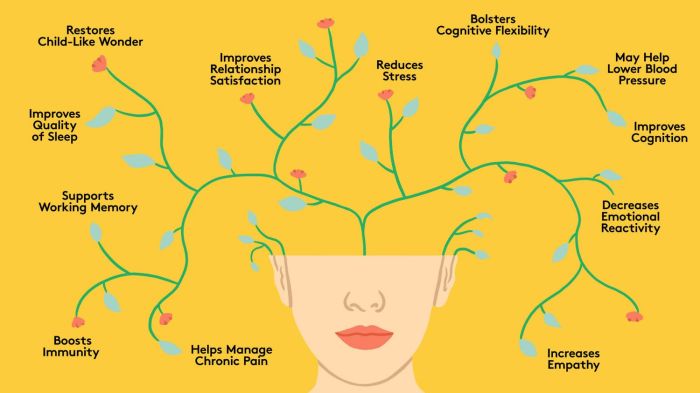
Mindfulness practices play a crucial role in enhancing mental resilience by allowing individuals to develop a greater sense of self-awareness, emotional regulation, and stress management techniques.

Mindfulness and Coping Mechanisms

  • Practicing mindfulness helps individuals build resilience by enabling them to stay present and focused during challenging situations.
  • It allows individuals to observe their thoughts and emotions without judgment, leading to a more balanced and adaptive response to stressors.
  • By cultivating mindfulness, individuals can develop healthier coping mechanisms such as deep breathing, meditation, and grounding techniques to navigate through difficult circumstances.

Mindfulness Techniques for Stress Management

  • Mindfulness-based stress reduction (MBSR) programs have shown to significantly reduce stress levels and improve overall well-being.
  • Regular mindfulness meditation practices help individuals build resilience against stressors by promoting relaxation and reducing the impact of negative emotions.
  • Engaging in mindful activities such as yoga, tai chi, or body scan exercises can also aid in stress management and enhance mental resilience.

Impact of Mindfulness on Mental Well-being

  • Studies have indicated that mindfulness practices can reduce symptoms of anxiety, depression, and other mental health disorders by promoting emotional regulation and cognitive flexibility.
  • By incorporating mindfulness into daily routines, individuals can experience a greater sense of calm, clarity, and overall psychological well-being.
  • Mindfulness techniques have been linked to improved focus, attention, and decision-making skills, contributing to enhanced mental resilience in various aspects of life.

Healthy Habits

Maintaining healthy habits is crucial for overall well-being and mental resilience. Incorporating daily routines that focus on physical activity, proper hydration, and a balanced diet can significantly impact your mental and physical health.

Physical Activity

Regular physical activity is essential for a healthy lifestyle. Whether it’s going for a walk, practicing yoga, or hitting the gym, staying active helps reduce stress, improve mood, and boost overall mental resilience.

Proper Hydration

Staying hydrated is key to maintaining optimal health. Drinking an adequate amount of water throughout the day can improve cognitive function, increase energy levels, and support overall well-being. Remember to listen to your body’s signals for thirst and aim to consume water consistently.

Balanced Diet

Eating a balanced diet rich in nutrients is vital for mental and physical health. Include a variety of fruits, vegetables, whole grains, lean proteins, and healthy fats in your meals. Avoid excessive consumption of processed foods, sugary drinks, and high-fat snacks. A balanced diet provides essential nutrients that support brain function, mood regulation, and overall resilience.

Emotional Wellbeing: Benefits Of Mindfulness For Mental Resilience

Mindfulness practices have a profound impact on emotional wellbeing by enhancing emotional regulation and increasing self-awareness and emotional intelligence. These practices play a crucial role in cultivating positive emotions, reducing anxiety, and alleviating symptoms of depression.

Connection between Mindfulness and Emotional Regulation

  • Mindfulness helps individuals become more aware of their emotions without judgment, allowing them to regulate their emotional responses effectively.
  • By practicing mindfulness, individuals can observe their emotions as they arise, acknowledge them, and choose how to respond, leading to better emotional regulation.
  • Regular mindfulness practice can reduce emotional reactivity and increase emotional resilience, enabling individuals to navigate challenging situations with greater ease.

Improving Self-Awareness and Emotional Intelligence

  • Mindfulness practices promote self-awareness by encouraging individuals to pay attention to their thoughts, feelings, and bodily sensations in the present moment.
  • Increased self-awareness through mindfulness allows individuals to better understand their emotions, triggers, and patterns of behavior, leading to improved emotional intelligence.
  • Enhanced emotional intelligence enables individuals to communicate effectively, empathize with others, and make healthier decisions in various situations.

Techniques for Cultivating Positive Emotions through Mindfulness

  • Engage in loving-kindness meditation to cultivate feelings of compassion, kindness, and gratitude towards oneself and others.
  • Practice gratitude by focusing on the positive aspects of life and expressing appreciation for simple pleasures and meaningful experiences.
  • Use mindful breathing techniques to center yourself in the present moment, acknowledge your emotions, and choose to respond with positivity and kindness.

Role of Mindfulness in Reducing Anxiety and Depression

  • Mindfulness-based interventions have been shown to be effective in reducing symptoms of anxiety and depression by promoting relaxation, stress reduction, and emotional regulation.
  • Regular mindfulness practice can help individuals break free from negative thought patterns, rumination, and self-criticism that contribute to anxiety and depression.
  • By fostering a non-judgmental attitude towards emotions and thoughts, mindfulness empowers individuals to manage their mental health more effectively and build resilience against stressors.

Healthy Aging

Mindfulness practices can significantly contribute to healthy aging by helping individuals maintain cognitive functions, emotional wellbeing, and overall quality of life as they grow older.

:
As individuals age, it is common for cognitive functions to decline, leading to issues with memory, focus, and decision-making. However, incorporating mindfulness practices into daily routines can help mitigate these effects and support healthy aging. Mindfulness techniques such as meditation, deep breathing exercises, and yoga have been shown to reduce stress, improve concentration, and enhance overall cognitive function in older adults.

Benefits of Mindfulness in Healthy Aging

  • Enhanced cognitive functions: Mindfulness practices have been linked to improved memory, attention, and problem-solving skills, which are essential for maintaining mental sharpness in older age.
  • Reduced stress and anxiety: By practicing mindfulness, older adults can better manage stress and anxiety, leading to a more positive outlook on life and improved emotional wellbeing.
  • Promotion of emotional resilience: Mindfulness techniques help individuals build emotional resilience, enabling them to cope better with challenges and maintain a sense of balance and peace.
  • Improved quality of life: Engaging in mindfulness practices can enhance overall quality of life in the aging population by promoting a sense of purpose, connection, and gratitude.

Active Lifestyle

Benefits of mindfulness for mental resilience

Benefits of mindfulness for mental resilience – Engaging in physical activity is crucial for promoting an active lifestyle and maintaining overall health and well-being. Exercise not only strengthens our bodies but also has a positive impact on our mental health.

Importance of Physical Activity

  • Regular exercise helps improve cardiovascular health, build muscle strength, and enhance flexibility.
  • Physical activity can reduce the risk of chronic diseases such as heart disease, diabetes, and obesity.
  • Exercise releases endorphins, which are known as “feel-good” hormones that can help alleviate stress and boost mood.

Examples of Exercises

  • Cardiovascular exercises like running, cycling, or swimming can improve heart health and stamina.
  • Strength training with weights or bodyweight exercises can help build muscle mass and increase metabolism.
  • Yoga and Pilates focus on flexibility, balance, and mindfulness, promoting overall well-being.

Relationship Between Mindfulness and Exercise

Practicing mindfulness during exercise can enhance the mind-body connection and improve focus and concentration. Mindful movement, such as yoga or tai chi, combines physical activity with mental awareness, creating a balanced approach to fitness.

Tips for Creating a Sustainable Routine

  • Start with small, manageable goals and gradually increase the intensity and duration of your workouts.
  • Find activities that you enjoy and mix up your routine to prevent boredom and plateaus.
  • Schedule exercise sessions at a consistent time each day to establish a habit and make it a priority.

Cardiovascular Health

Mindfulness practices have been shown to have a positive impact on cardiovascular health by reducing stress levels and promoting overall well-being. The connection between stress reduction through mindfulness and heart health is significant, as chronic stress can contribute to the development of cardiovascular diseases.

Techniques for Incorporating Mindfulness

  • Practice deep breathing exercises to calm the mind and body, reducing stress and promoting relaxation.
  • Engage in mindful meditation to increase self-awareness and focus on the present moment, reducing anxiety and tension.
  • Take mindful walks or engage in mindful movement practices like yoga to improve circulation and cardiovascular fitness.

Role of Mindfulness in Managing Risk Factors

  • By promoting relaxation and stress reduction, mindfulness can help lower blood pressure and reduce the risk of hypertension.
  • Improving emotional well-being through mindfulness can lead to healthier lifestyle choices, such as maintaining a balanced diet and regular exercise, which are essential for cardiovascular health.
  • Mindfulness can also help individuals recognize and address unhealthy habits or behaviors that may contribute to the development of cardiovascular diseases, such as smoking or excessive alcohol consumption.

Healthy Recipes

When it comes to maintaining overall health and well-being, incorporating nutritious recipes into your diet is essential. Not only do these recipes provide the necessary nutrients for your body, but they also support your mental resilience and emotional well-being.

One way to ensure you are getting the most out of your meals is by incorporating ingredients known for their health benefits. By being mindful of what you eat, you can achieve a better nutritional balance and improve your overall health.

Nutrient-Packed Meal Ideas, Benefits of mindfulness for mental resilience

  • Quinoa Salad with Roasted Vegetables: A delicious and nutrient-dense meal packed with fiber, vitamins, and minerals.
  • Salmon with Avocado Salsa: Rich in omega-3 fatty acids and healthy fats, this dish is great for heart health and cognitive function.
  • Vegetable Stir-Fry with Tofu: A plant-based meal loaded with antioxidants and protein to support muscle and tissue health.

Importance of Mindful Eating

Practicing mindful eating can have a significant impact on your nutritional balance and overall well-being. By paying attention to your food choices and eating habits, you can better control portion sizes, reduce overeating, and improve digestion.

Cooking Tips for Healthy Meals

  • Use herbs and spices instead of salt to add flavor to your dishes.
  • Opt for cooking methods like grilling, baking, or steaming instead of frying.
  • Incorporate a variety of colorful fruits and vegetables to ensure a diverse range of nutrients in your meals.

Mental Resilience

Mental resilience is the ability to adapt and bounce back from adversity, stress, or trauma. It plays a crucial role in overall well-being as it helps individuals navigate challenges, setbacks, and difficult emotions effectively.

Mindfulness Practices for Strengthening Mental Resilience

Mindfulness practices can significantly enhance mental resilience by promoting present-moment awareness, emotional regulation, and cognitive flexibility. By cultivating mindfulness, individuals can develop a greater capacity to cope with stress, manage difficult emotions, and maintain a positive outlook even in challenging circumstances.

  • Mindful Breathing: Engaging in deep, conscious breathing exercises can help calm the mind, reduce anxiety, and enhance emotional stability.
  • Body Scan Meditation: This practice involves systematically scanning the body for sensations, promoting self-awareness and relaxation, which can build resilience against physical and emotional stress.
  • Mindful Walking: Walking mindfully, focusing on each step and the sensations in the body, can help individuals stay grounded, reduce racing thoughts, and improve mental clarity.
  • Gratitude Journaling: Cultivating a practice of gratitude by writing down things one is thankful for can increase positive emotions, resilience, and overall well-being.

Strategies for Enhancing Mental Resilience through Mindfulness

Integrating mindfulness into daily life can be a powerful way to boost mental resilience and emotional strength. Here are some strategies to enhance mental resilience through mindfulness:

  1. Consistent Practice: Dedicate regular time to mindfulness exercises such as meditation, deep breathing, or body scans to build resilience over time.
  2. Non-judgmental Awareness: Practice observing thoughts and emotions without judgment, allowing them to come and go without attachment, which fosters resilience against negative self-talk.
  3. Self-Compassion: Treat yourself with kindness and understanding during challenging times, acknowledging that setbacks are a natural part of life and fostering resilience through self-care.
  4. Mindful Communication: Engage in mindful listening and speaking, being fully present in conversations, which can improve relationships, reduce conflicts, and enhance emotional resilience.

Immune Support

Mindfulness practices have been shown to have a positive impact on immune function by reducing stress levels in the body. When we are stressed, our immune system becomes weakened, making us more susceptible to illness and infections. By incorporating mindfulness techniques into our daily routine, we can effectively boost our immune system and enhance our overall health and resilience.

Techniques for Promoting Immune Support through Mindfulness Activities

  • Deep Breathing: Practice deep breathing exercises to calm the mind and reduce stress, which can help strengthen the immune system.
  • Body Scan Meditation: By focusing on different parts of the body and releasing tension, we can improve our overall health and immune function.
  • Gratitude Journaling: Cultivating a sense of gratitude through journaling can promote positive emotions and enhance immune support.

Impact of Mindfulness on Overall Immune Health and Resilience

Mindfulness has been shown to decrease inflammation in the body, which is linked to a stronger immune response and better overall health.

  • Studies have shown that individuals who regularly practice mindfulness have higher levels of immune cells and antibodies, indicating a stronger immune system.
  • By reducing stress and promoting relaxation, mindfulness can enhance immune function and resilience, helping us better cope with challenges and illnesses.

Stress Relief

Benefits of mindfulness for mental resilience
Mindfulness plays a crucial role in stress relief and relaxation by helping individuals stay present in the moment and focus on their thoughts and feelings without judgment. This practice can significantly reduce stress levels and promote a sense of calm and inner peace.

Calming Techniques and Mindfulness Exercises

  • Deep Breathing: Taking slow, deep breaths can help activate the body’s relaxation response and reduce stress.
  • Body Scan Meditation: This involves focusing on different parts of the body, releasing tension, and promoting relaxation.
  • Mindful Walking: Paying attention to each step and the sensations in the body while walking can help clear the mind and reduce stress.

Tips for Integrating Mindfulness into Daily Routines

  • Start the day with a mindful breathing exercise to set a positive tone for the day.
  • Practice mindfulness during daily activities such as eating, driving, or showering to stay present and reduce stress.
  • Set aside dedicated time for meditation or mindfulness practices to prioritize mental well-being.

Nutritional Balance

Maintaining a balanced diet is crucial for overall health as it provides the necessary nutrients to support bodily functions, energy levels, and overall well-being. A balanced diet includes a variety of foods from different food groups to ensure the body receives essential vitamins, minerals, and macronutrients.

Mindful Eating and Nutritional Balance

Mindfulness can promote mindful eating by encouraging individuals to pay attention to their food choices, eating habits, and hunger cues. By practicing mindfulness, individuals can become more aware of their food preferences, portion sizes, and eating patterns, leading to better control over their nutritional intake.

  • Focus on whole, nutrient-dense foods such as fruits, vegetables, whole grains, lean proteins, and healthy fats to support optimal nutrition.
  • Avoid highly processed foods high in added sugars, unhealthy fats, and artificial ingredients that can negatively impact overall health.
  • Practice portion control by listening to your body’s hunger and fullness cues, avoiding overeating or undereating.
  • Eat slowly, savoring each bite, and paying attention to the flavors and textures of your food to enhance the eating experience.
  • Stay hydrated by drinking an adequate amount of water throughout the day to support digestion, nutrient absorption, and overall well-being.

Mindful eating can help cultivate a positive relationship with food and nutrition by promoting a non-judgmental, compassionate attitude towards eating habits and choices.

Expert Answers

How can mindfulness practices enhance mental resilience?

Mindfulness practices enhance mental resilience by improving self-awareness, emotional regulation, and coping mechanisms during challenging situations.

What is the impact of mindfulness on overall mental well-being?

Mindfulness positively impacts mental well-being by reducing stress, promoting emotional strength, and enhancing adaptability.

How does mindfulness contribute to healthy aging?

Mindfulness helps in healthy aging by maintaining cognitive functions, improving quality of life, and supporting overall well-being in older adults.

The role of sleep in mental resilience: A crucial factor in overall well-being

The role of sleep in mental resilience

The Importance of Sleep

The role of sleep in mental resilience
Sleep plays a crucial role in mental resilience by allowing our brains to rest, process emotions, and consolidate memories. It is during sleep that our bodies repair tissues, regulate hormones, and support overall brain function. The relationship between sleep and mental resilience is undeniable, as a lack of quality sleep can lead to cognitive impairment, mood disturbances, and increased stress levels.

Impact of Sleep Quality on Emotional Wellbeing

Poor sleep quality can have a significant impact on emotional wellbeing. When we do not get enough restorative sleep, our ability to regulate emotions is compromised, making us more prone to mood swings, irritability, and anxiety. Chronic sleep deprivation can also contribute to the development of mental health disorders such as depression and PTSD. It is essential to prioritize good sleep hygiene to maintain emotional balance and resilience.

Role of Sleep in Healthy Aging

Quality sleep is essential for maintaining a healthy aging process. As we age, our sleep patterns may change, making it more challenging to get a good night’s rest. Sleep disturbances in older adults have been linked to cognitive decline, memory problems, and an increased risk of developing neurodegenerative diseases such as Alzheimer’s. By prioritizing sleep and adopting healthy sleep habits, older adults can support their brain health and overall resilience as they age.

Healthy Sleep Habits

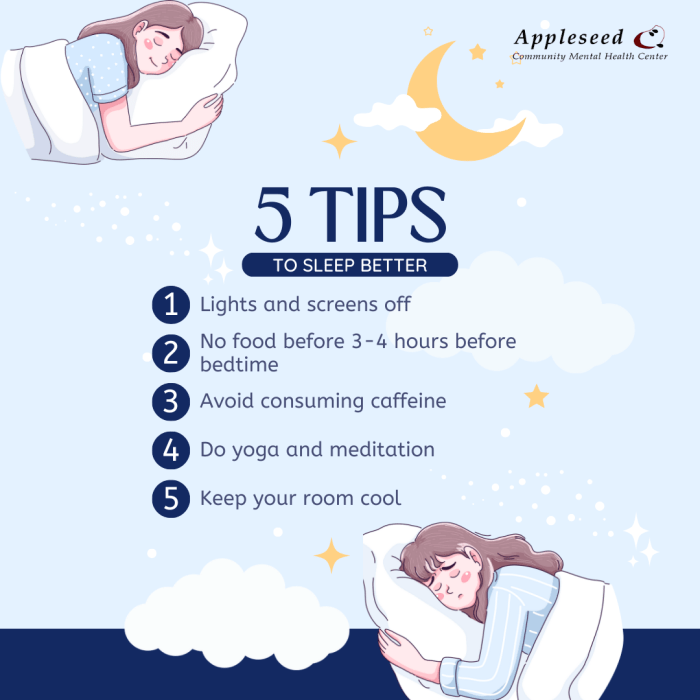
Establishing a regular sleep routine is essential for maintaining optimal mental resilience. By following a few simple tips, you can improve your sleep hygiene and ensure you are getting the rest you need to face life’s challenges.

Set a Consistent Sleep Schedule

Maintaining a regular sleep schedule, even on weekends, helps regulate your body’s internal clock. Aim to go to bed and wake up at the same time every day to establish a healthy sleep pattern.

Create a Relaxing Bedtime Routine

Engage in calming activities before bedtime, such as reading a book, taking a warm bath, or practicing relaxation techniques. Avoid stimulating activities like watching TV or using electronic devices.

Optimize Your Sleep Environment

Make sure your bedroom is conducive to sleep by keeping it cool, dark, and quiet. Invest in a comfortable mattress and pillows to create a relaxing sleep environment.

Avoid Technology Before Bed

The blue light emitted by screens can disrupt your body’s production of melatonin, the hormone that regulates sleep. Limit screen time before bed and consider using blue light filters on your devices.

Limit Caffeine and Alcohol Intake

Caffeine and alcohol can interfere with your sleep quality and disrupt your sleep cycle. Avoid consuming these substances close to bedtime to ensure a restful night’s sleep.

Stay Active During the Day, The role of sleep in mental resilience

Regular physical activity can improve the quality of your sleep and help you fall asleep faster. Aim for at least 30 minutes of exercise each day, but avoid vigorous workouts close to bedtime.

Practice Mindfulness and Relaxation Techniques

Engage in relaxation exercises like deep breathing, meditation, or progressive muscle relaxation to calm your mind and prepare your body for sleep.

Sleep and Active Lifestyle: The Role Of Sleep In Mental Resilience

Adequate sleep plays a crucial role in maintaining an active lifestyle as it provides the necessary energy and recovery for physical activities.

Effects of Sleep Deprivation on Physical Activity

  • Sleep deprivation can lead to decreased motivation and energy levels, making it harder to engage in regular exercise routines.
  • It can also impair coordination, reaction time, and decision-making abilities, increasing the risk of accidents or injuries during physical activities.
  • Without enough rest, the body may struggle to recover and repair muscles, impacting performance and overall fitness levels.

Benefits of a Well-Rested Body on Maintaining Cardiovascular Health

  • A well-rested body is better equipped to handle physical stress and exercise, reducing the risk of cardiovascular issues such as high blood pressure and heart disease.
  • Quality sleep helps regulate blood pressure, heart rate, and inflammation levels, promoting heart health and overall well-being.
  • By allowing the body to rest and recover properly, adequate sleep supports cardiovascular function and improves endurance for physical activities.

Sleep and Nutrition

The role of sleep in mental resilience – Getting sufficient sleep is crucial for maintaining a healthy diet and promoting overall well-being. The connection between sleep and nutrition is significant, as our eating habits can be greatly influenced by our sleep patterns.

The Impact of Sleep Patterns on Nutritional Balance

Irregular sleep patterns can disrupt hormonal balance, leading to increased cravings for unhealthy, high-calorie foods. This can result in poor food choices and overeating, ultimately affecting our nutritional balance.

  • Prioritize whole foods such as fruits, vegetables, whole grains, and lean proteins in your diet to support a good night’s sleep.
  • Avoid consuming caffeine, sugary foods, and heavy meals close to bedtime to prevent disturbances in your sleep cycle.
  • Incorporate foods rich in magnesium, like nuts, seeds, and leafy greens, which have been linked to improved sleep quality.
  • Include tryptophan-rich foods such as turkey, chicken, and dairy products, as this amino acid is a precursor to serotonin and melatonin, promoting relaxation and better sleep.

Coping with Stress through Sleep

When it comes to coping with stress, getting sufficient sleep plays a crucial role in helping individuals relax and rejuvenate both mentally and physically. Sleep provides the necessary rest and recovery time for our bodies and minds, allowing us to better manage stressors in our daily lives.

Impact of Stress on Sleep Quality and Mental Resilience

Stress can significantly impact the quality of our sleep, leading to difficulties falling asleep, staying asleep, or experiencing restful sleep. This lack of quality rest can further exacerbate stress levels, creating a cycle that is detrimental to our mental resilience. Chronic stress can also contribute to conditions like insomnia or anxiety disorders, further affecting our overall well-being.

Relaxation Techniques for Improving Sleep and Managing Stress

  • Practice deep breathing exercises: Deep breathing can help calm the mind and body, promoting relaxation before bedtime and reducing stress levels.
  • Engage in mindfulness meditation: Mindfulness practices can help focus the mind, reduce racing thoughts, and create a sense of calm conducive to better sleep.
  • Establish a bedtime routine: Creating a consistent bedtime routine can signal to your body that it’s time to wind down, making it easier to relax and fall asleep.
  • Avoid screens before bed: The blue light emitted from screens can disrupt melatonin production, making it harder to fall asleep. Try to limit screen time before bedtime for better sleep quality.
  • Engage in physical activity: Regular exercise can help reduce stress levels, improve sleep quality, and boost overall mental resilience.

Immune Support and Sleep

Sleep plays a crucial role in supporting immune function. Adequate and quality sleep is essential for maintaining a strong immune system, which is vital for overall health and mental resilience.

The Link Between Sleep and Immune Function

During sleep, the body produces cytokines, a type of protein that helps the immune system fight off infections and inflammation. Lack of sleep can reduce the production of these protective cytokines, making the body more susceptible to illnesses.

How Inadequate Sleep Weakens the Immune System

Inadequate sleep weakens the immune system by compromising the body’s ability to produce enough cytokines and antibodies to combat infections. This can lead to a higher risk of getting sick and prolonged recovery times.

Strategies for Optimizing Sleep to Support Immune Health

  • Aim for 7-9 hours of quality sleep each night to support immune function.
  • Establish a consistent sleep schedule by going to bed and waking up at the same time every day.
  • Create a relaxing bedtime routine to signal to your body that it’s time to wind down and prepare for sleep.
  • Avoid caffeine, heavy meals, and electronic devices before bedtime to improve sleep quality.
  • Create a comfortable sleep environment that is cool, dark, and quiet to promote restful sleep.

FAQ Summary

How does sleep impact mental resilience?

Sleep plays a crucial role in regulating emotions and cognitive functions, which are essential for building mental resilience.

Can sleep quality affect our ability to manage stress?

Yes, poor sleep quality can hinder our stress management abilities and make us more susceptible to feeling overwhelmed by stressors.

What are some strategies for improving sleep hygiene?

Establishing a consistent sleep routine, creating a relaxing bedtime environment, and limiting screen time before bed can all help improve sleep hygiene.

The role of sleep in cardiovascular health: Importance, Habits, Aging, Lifestyle, Disorders, Recipes, Resilience, Immune Support, Stress Relief, Nutritional Balance

The role of sleep in cardiovascular health

The Importance of Sleep in Cardiovascular Health

Sleep plays a crucial role in maintaining cardiovascular health. It is during sleep that the body repairs and rejuvenates itself, including the heart and blood vessels. Lack of adequate sleep can have detrimental effects on heart health and increase the risk of developing cardiovascular diseases.

Impact of Lack of Sleep on Heart Health

  • Poor sleep habits can lead to high blood pressure, a major risk factor for heart disease.
  • Insufficient sleep is associated with an increased risk of heart attack and stroke.
  • Lack of sleep can disrupt the body’s natural processes, such as regulating blood sugar levels and inflammation, which are essential for heart health.

Relationship between Sleep Quality and Cardiovascular Disease Risk

  • Studies have shown that poor sleep quality, characterized by frequent awakenings or inadequate deep sleep, is linked to a higher risk of cardiovascular diseases.
  • Individuals with sleep disorders like sleep apnea have a higher likelihood of developing heart problems due to the repeated interruption of breathing during sleep.
  • Improving sleep quality through lifestyle changes or medical interventions can help reduce the risk of cardiovascular issues and improve overall heart health.

Healthy Habits for Quality Sleep

Creating a sleep-friendly environment and establishing a consistent sleep schedule are crucial for improving sleep quality and overall cardiovascular health.

Tips for Creating a Sleep-Friendly Environment

  • Avoid exposure to bright lights and electronics before bedtime to promote relaxation and signal your body that it’s time to sleep.
  • Keep your bedroom cool, quiet, and dark to create an optimal sleeping environment.
  • Invest in a comfortable mattress and pillows that support a good night’s sleep.
  • Avoid consuming caffeine, heavy meals, and alcohol close to bedtime as they can disrupt your sleep quality.

The Importance of Establishing a Consistent Sleep Schedule

  • Going to bed and waking up at the same time every day helps regulate your body’s internal clock, promoting better sleep quality.
  • Consistency in your sleep schedule can improve the overall quality of your sleep and reduce the risk of cardiovascular issues.
  • Irregular sleep patterns can lead to sleep deprivation, which may contribute to heart problems and other health issues in the long run.

Emotional Wellbeing and Sleep

Emotional wellbeing plays a crucial role in determining the quality of one’s sleep. Stress, anxiety, and other emotional factors can significantly impact sleep patterns, leading to difficulties falling asleep, staying asleep, or experiencing restful sleep.

Strategies to Manage Stress and Improve Sleep Quality

  • Practice relaxation techniques such as deep breathing, progressive muscle relaxation, or guided imagery before bedtime to calm the mind and body.
  • Engage in regular physical activity to reduce stress levels and promote better sleep.
  • Establish a consistent bedtime routine and create a relaxing sleep environment free from distractions.
  • Avoid caffeine, nicotine, and heavy meals close to bedtime to prevent disruptions in sleep patterns.

Impact of Mindfulness and Relaxation Techniques on Sleep and Cardiovascular Health

  • Research has shown that mindfulness meditation can improve sleep quality by reducing rumination and promoting relaxation.
  • Practicing relaxation techniques can help lower blood pressure, reduce inflammation, and improve overall cardiovascular health.
  • Engaging in mindfulness practices regularly can also enhance emotional wellbeing, leading to better sleep and improved heart health.
  • Healthy Aging and Sleep Quality

    Aging can significantly impact sleep patterns as individuals get older. Changes in circadian rhythms, increased prevalence of medical conditions, and alterations in sleep architecture can all contribute to sleep disturbances in older adults.

    Tips for Improving Sleep Quality in Older Adults

    • Establish a consistent sleep schedule by going to bed and waking up at the same time every day.
    • Create a relaxing bedtime routine to signal to your body that it’s time to wind down.
    • Avoid stimulants like caffeine and nicotine close to bedtime.
    • Ensure your sleep environment is conducive to rest, with a comfortable mattress and pillows.
    • Engage in regular physical activity during the day, but avoid vigorous exercise close to bedtime.

    Relationship Between Aging, Sleep, and Cardiovascular Health

    As individuals age, the risk of cardiovascular disease increases, and poor sleep quality can further exacerbate this risk. Sleep disturbances have been linked to hypertension, arrhythmias, and other cardiovascular conditions. Therefore, prioritizing quality sleep in older adults is crucial for maintaining heart health and overall well-being.

    Maintaining an Active Lifestyle for Better Sleep

    Physical activity plays a crucial role in promoting better sleep quality and overall cardiovascular health. By incorporating regular exercise into your routine, you can experience improved sleep patterns and enhance your well-being.

    Recommended Exercise Routines for Improving Sleep Quality

    • Cardiovascular exercises such as running, cycling, or swimming can help regulate your sleep-wake cycle and promote deeper sleep.
    • Strength training exercises like weightlifting or bodyweight exercises can also contribute to better sleep by reducing stress and anxiety levels.
    • Yoga and stretching exercises are beneficial for relaxation and can help prepare your body for a restful night’s sleep.

    Benefits of an Active Lifestyle on Cardiovascular Health and Sleep Patterns

    • Regular physical activity can improve circulation, reduce inflammation, and lower the risk of heart disease, ultimately leading to better cardiovascular health.
    • Exercise helps release endorphins, which can alleviate stress and anxiety, leading to improved sleep quality and duration.
    • An active lifestyle can enhance the overall quality of life, promoting better sleep hygiene and supporting healthy aging.

    Cardiovascular Health and Sleep Disorders

    Sleep disorders can have a significant impact on cardiovascular health, as they disrupt the body’s natural rhythms and processes. Common sleep disorders that can affect heart health include sleep apnea, insomnia, restless legs syndrome, and narcolepsy.

    Importance of Diagnosing and Treating Sleep Disorders

    • Untreated sleep disorders can lead to an increased risk of hypertension, heart disease, stroke, and other cardiovascular conditions.
    • Diagnosing and treating sleep disorders is crucial in preventing these serious health issues and improving overall heart health.
    • Individuals with sleep disorders are more likely to have irregular heart rhythms, which can be dangerous and potentially life-threatening.

    Improving Sleep for Better Cardiovascular Health

    • Establishing a consistent sleep schedule and creating a relaxing bedtime routine can help improve sleep quality and promote heart health.
    • Practicing good sleep hygiene, such as keeping the bedroom dark, quiet, and cool, can enhance the quality of sleep and reduce the risk of cardiovascular problems.
    • Engaging in regular physical activity and maintaining a healthy diet can also contribute to better sleep and improved cardiovascular health.

    Healthy Recipes for Promoting Sleep: The Role Of Sleep In Cardiovascular Health

    The role of sleep in cardiovascular health – When it comes to improving sleep quality and cardiovascular health, the role of diet cannot be underestimated. Consuming nutritious foods can have a positive impact on your overall wellbeing, including promoting better sleep.

    Warm Milk with Honey

    One classic bedtime drink known for its sleep-inducing properties is a warm glass of milk with a hint of honey. Milk contains tryptophan, an amino acid that helps in the production of serotonin, a neurotransmitter that promotes relaxation. Honey can also aid in the release of melatonin, the hormone responsible for regulating sleep.

    Oatmeal with Bananas

    Starting your day with a hearty bowl of oatmeal topped with sliced bananas can also contribute to better sleep at night. Oats are rich in complex carbohydrates that can increase serotonin levels, while bananas are a good source of magnesium and potassium, which help relax muscles and nerves.

    Herbal Tea Blend

    Before bedtime, consider sipping on a calming herbal tea blend made with ingredients like chamomile, valerian root, or lavender. These herbs have natural sedative properties that can help you unwind and prepare for a restful night’s sleep.

    Mental Resilience and Sleep Quality

    Sleep quality and mental resilience are closely interconnected. When individuals have higher levels of mental resilience, they are better equipped to cope with stress, anxiety, and other mental health challenges that may disrupt sleep patterns. This ability to bounce back from adversity and maintain a positive mindset can significantly impact the quality of sleep a person gets each night.

    Building Mental Resilience for Healthy Sleep Habits

    Building mental resilience is essential for supporting healthy sleep habits. Strategies to enhance mental resilience include practicing mindfulness and meditation, engaging in regular physical activity, fostering social connections, and seeking professional help when needed. By developing coping mechanisms and stress management techniques, individuals can create a more balanced and positive mindset that promotes better sleep.

    Impact of Resilient Mindset on Sleep and Cardiovascular Health

    A resilient mindset not only improves sleep quality but also has a positive impact on cardiovascular health. Studies have shown that individuals with higher levels of mental resilience are less likely to experience sleep disturbances, which in turn can lower the risk of developing cardiovascular issues such as high blood pressure and heart disease. By cultivating mental resilience, individuals can create a strong foundation for overall health and well-being.

    Immune Support Through Quality Sleep

    The role of sleep in cardiovascular health

    Quality sleep plays a crucial role in supporting the immune system and overall health. Lack of sleep can weaken the immune response, making individuals more susceptible to infections and illnesses.

    Sleep and Immune Function

    During sleep, the body produces cytokines, a type of protein that helps the immune system respond to infections and inflammation. Adequate sleep promotes the production of these cytokines, enhancing the body’s ability to fight off pathogens.

    Immune Support, Sleep Quality, and Cardiovascular Health, The role of sleep in cardiovascular health

    Poor sleep quality is associated with increased inflammation in the body, which can negatively impact cardiovascular health. By prioritizing quality sleep, individuals can support their immune system, reduce inflammation, and lower the risk of heart disease and other cardiovascular conditions.

    Tips for Optimizing Sleep for Immune Support

    • Aim for 7-9 hours of quality sleep per night to support immune function.
    • Establish a consistent sleep schedule by going to bed and waking up at the same time every day.
    • Create a relaxing bedtime routine to signal to your body that it’s time to wind down and prepare for sleep.
    • Avoid caffeine, alcohol, and heavy meals close to bedtime, as they can disrupt sleep quality.
    • Keep your sleep environment dark, quiet, and cool to promote restful sleep.

    Stress Relief Techniques for Better Sleep

    When it comes to improving sleep quality, effective stress relief techniques play a crucial role. Stress can have a significant impact on both sleep patterns and heart health, making it essential to incorporate relaxation methods into your routine for better sleep and cardiovascular wellbeing.

    Mindfulness Meditation

    • Practice mindfulness meditation to calm the mind and reduce stress levels before bedtime.
    • Focus on your breath and bring your attention to the present moment to promote relaxation.
    • Regular practice can help improve sleep quality and overall emotional wellbeing.

    Progressive Muscle Relaxation

    • Engage in progressive muscle relaxation by tensing and then releasing each muscle group in your body.
    • This technique helps relieve physical tension and promotes a sense of relaxation, aiding in better sleep.
    • Perform this practice before bedtime to unwind and prepare your body for rest.

    Deep Breathing Exercises

    • Practice deep breathing exercises to reduce stress and anxiety, allowing your body to enter a state of calmness.
    • Inhale deeply through your nose, hold for a few seconds, and exhale slowly through your mouth.
    • Repeat this process several times to relax your body and mind before sleep.

    Achieving Nutritional Balance for Quality Sleep

    Ensuring a balanced diet is crucial for promoting quality sleep and overall cardiovascular health. The nutrients we consume play a significant role in regulating our sleep patterns and supporting optimal heart function.

    Role of Specific Nutrients in Promoting Better Sleep

    Specific nutrients can directly impact our sleep quality by influencing neurotransmitters and hormones that regulate our sleep-wake cycle. Some key nutrients that promote better sleep include:

    • Magnesium: Helps relax muscles and promote calmness, aiding in falling asleep faster.
    • Melatonin: A hormone that regulates sleep-wake cycles, often taken as a supplement to improve sleep quality.
    • Vitamin B6: Necessary for the production of neurotransmitters like serotonin, which helps regulate mood and sleep.

    Tips for Maintaining a Balanced Diet for Healthy Sleep

    Adopting a diet rich in essential nutrients can significantly improve sleep quality and support cardiovascular health. Here are some tips for maintaining a balanced diet:

    • Include a variety of fruits, vegetables, whole grains, lean proteins, and healthy fats in your meals.
    • Avoid consuming caffeine, alcohol, and heavy meals close to bedtime, as they can disrupt sleep.
    • Stay hydrated throughout the day but reduce fluid intake before bedtime to minimize nighttime awakenings.
    • Consider incorporating foods rich in the above-mentioned nutrients that support better sleep, such as nuts, seeds, leafy greens, and fish.

    FAQ Resource

    How does lack of sleep affect cardiovascular health?

    Lack of sleep can lead to increased risk of heart disease, high blood pressure, and other cardiovascular issues.

    What are some tips for improving sleep quality?

    Creating a sleep-friendly environment, maintaining a consistent sleep schedule, and incorporating relaxation techniques can help improve sleep quality.

    Can emotional wellbeing impact sleep patterns?

    Yes, emotional wellbeing plays a significant role in sleep patterns. Stress management and mindfulness practices can help improve sleep.

    How does physical activity relate to better sleep?

    Regular physical activity can promote better sleep by helping regulate sleep patterns and improving overall health.

Cardiovascular health risks of smoking: Understanding the Dangers

Cardiovascular health risks of smoking

Cardiovascular Health Risks of Smoking

Smoking has detrimental effects on cardiovascular health, increasing the risk of various heart-related conditions.

Increased Risk of Heart Disease

  • Smokers are at a significantly higher risk of developing heart disease compared to non-smokers.
  • According to the Centers for Disease Control and Prevention (CDC), smoking is a major cause of coronary heart disease, which can lead to heart attacks.
  • Individuals who smoke are two to four times more likely to develop heart disease than non-smokers.

Impact on Blood Pressure and Cholesterol Levels

  • Smoking can elevate blood pressure, putting additional strain on the heart and blood vessels.
  • High blood pressure is a leading risk factor for heart disease and stroke.
  • Cigarette smoke can also lead to an increase in LDL (bad) cholesterol and a decrease in HDL (good) cholesterol levels, contributing to the development of atherosclerosis.

Healthy Habits: Cardiovascular Health Risks Of Smoking

Cardiovascular health risks of smoking
Maintaining healthy habits is crucial in reducing cardiovascular risks and promoting overall heart health. This includes a combination of regular exercise and a balanced diet to keep your heart strong and functioning optimally.

Regular Exercise

Regular physical activity plays a key role in maintaining heart health. Engaging in activities such as brisk walking, running, swimming, or cycling helps strengthen the heart muscle, improve circulation, and lower blood pressure. Aim for at least 150 minutes of moderate-intensity exercise per week to reap the cardiovascular benefits. Remember, even small changes like taking the stairs instead of the elevator or going for a short walk during breaks can make a big difference in your heart health.

Balanced Diet

A balanced diet is essential for preventing heart disease and reducing cardiovascular risks. Focus on incorporating a variety of fruits, vegetables, whole grains, lean proteins, and healthy fats into your meals. Limit your intake of saturated fats, trans fats, cholesterol, and sodium, as these can contribute to heart problems. Opt for foods rich in fiber, antioxidants, and omega-3 fatty acids to support heart health. Remember to stay hydrated by drinking plenty of water throughout the day to help maintain a healthy cardiovascular system.

Emotional Wellbeing

Cardiovascular health risks of smoking – Emotional wellbeing plays a crucial role in maintaining heart health. Stress, anxiety, and negative emotions can have a significant impact on cardiovascular wellness, making it essential to address emotional factors for overall well-being.

Strategies for Managing Stress

Stress management is key to improving cardiovascular health. Here are some effective strategies to help reduce stress levels:

  • Avoiding stressful triggers and situations whenever possible.
  • Practicing relaxation techniques such as deep breathing, meditation, or yoga.
  • Engaging in regular physical activity to release endorphins and reduce stress.
  • Maintaining a healthy work-life balance to prevent burnout and chronic stress.
  • Seeking support from friends, family, or a therapist to talk about feelings and emotions.

Positive Emotions and Heart Health

Cultivating positive emotions can have a profound impact on heart health. Studies have shown that emotions like joy, gratitude, and love can benefit cardiovascular wellness in the following ways:

  • Lowering blood pressure and reducing the risk of heart disease.
  • Boosting the immune system and promoting overall well-being.
  • Improving heart rate variability, a key indicator of heart health.
  • Enhancing social connections and support networks, which are crucial for heart health.

Healthy Aging

Smoking not only impacts cardiovascular health in the present but also accelerates the aging process of the cardiovascular system, leading to long-term consequences.

Effects of Smoking on Aging

  • Smoking causes damage to blood vessels, making them less elastic and more prone to plaque build-up, which accelerates the aging of the cardiovascular system.
  • It increases the risk of developing conditions such as atherosclerosis, which can further strain the heart and lead to premature aging of the cardiovascular system.
  • Smoking also contributes to oxidative stress and inflammation in the body, accelerating cellular aging processes that affect the heart and blood vessels.

Tips for Healthy Aging Despite Smoking, Cardiovascular health risks of smoking

  • Avoid smoking and seek support to quit if you are a smoker. Quitting smoking can slow down the aging process of the cardiovascular system and reduce the risk of heart disease.
  • Adopt a healthy lifestyle with regular exercise, balanced diet, and stress management techniques to support overall cardiovascular health and counteract the effects of smoking.
  • Stay hydrated, get enough sleep, and prioritize self-care to maintain optimal heart function and reduce the impact of smoking on the aging process.

Importance of Regular Health Check-ups

Regular health check-ups are crucial as you age to monitor cardiovascular health, detect any early signs of heart disease, and take preventive measures. These check-ups can help in assessing the impact of smoking on your heart health and guide you towards making necessary lifestyle changes for healthy aging.

Active Lifestyle

Regular physical activity plays a crucial role in reducing cardiovascular risks and promoting overall heart health. Engaging in an active lifestyle helps strengthen the heart, improve circulation, and maintain healthy blood pressure levels.

Benefits of an Active Lifestyle

  • Improved cardiovascular health: Regular exercise can lower the risk of heart disease, stroke, and other cardiovascular conditions.
  • Weight management: Physical activity helps maintain a healthy weight, reducing the strain on the heart.
  • Stress reduction: Exercise releases endorphins, which can help alleviate stress and improve emotional well-being.
  • Increased energy levels: Being active can boost energy levels and overall vitality.

Physical Activities for Heart Health

  • Cardiovascular exercises: Running, cycling, swimming, and aerobics are great for strengthening the heart and improving endurance.
  • Strength training: Weightlifting and resistance exercises help build muscle mass, which can improve overall cardiovascular health.
  • Yoga and Pilates: These practices focus on flexibility, balance, and relaxation, contributing to heart health indirectly through stress reduction.
  • Daily activities: Simple activities like walking, gardening, or taking the stairs instead of the elevator can also contribute to a more active lifestyle.

Relationship Between Exercise and Heart Strength

Regular exercise helps the heart become more efficient in pumping blood, leading to a stronger cardiovascular system. The heart muscle grows stronger with exercise, allowing it to pump more blood with less effort. This improved efficiency reduces the risk of heart disease and other cardiovascular issues over time.

Healthy Recipes

When it comes to reducing cardiovascular risks, nutrition plays a crucial role in maintaining overall heart health. By incorporating heart-healthy recipes into your diet, you can support a healthy cardiovascular system and improve your overall well-being.

Impact of Nutrition on Heart Health

  • Focus on incorporating fruits and vegetables rich in antioxidants such as berries, leafy greens, and citrus fruits to reduce inflammation and oxidative stress in the body.
  • Choose whole grains like quinoa, brown rice, and oats over refined grains to support heart health and regulate cholesterol levels.
  • Include sources of lean protein such as fish, poultry, tofu, and legumes to reduce saturated fat intake and promote heart health.
  • Opt for healthy fats like avocados, nuts, seeds, and olive oil to improve cholesterol levels and reduce the risk of heart disease.

Heart-Healthy Meal Ideas

  • Grilled salmon with quinoa and roasted vegetables
  • Vegetable stir-fry with tofu and brown rice
  • Spinach and strawberry salad with walnuts and balsamic vinaigrette
  • Oatmeal topped with fresh berries, almonds, and a drizzle of honey

Mental Resilience

Mental resilience plays a crucial role in positively impacting cardiovascular health. The ability to bounce back from challenges, stress, and setbacks can significantly reduce the harmful effects of smoking on the heart.

Techniques for Building Mental Strength

  • Practice positive self-talk to counter negative thoughts and emotions.
  • Engage in regular physical exercise to release endorphins and boost mood.
  • Utilize relaxation techniques such as deep breathing, meditation, or yoga to reduce stress levels.
  • Seek support from friends, family, or a therapist to navigate difficult emotions and situations.

Examples of Mindfulness Practices

  • Mindful breathing exercises to promote relaxation and reduce anxiety.
  • Body scan meditation to increase awareness of physical sensations and promote overall well-being.
  • Gratitude journaling to cultivate a positive mindset and focus on the good in life.
  • Visualization techniques to imagine a healthy heart and encourage positive health outcomes.

Immune Support

Smoking can weaken the immune system, making individuals more vulnerable to various health issues, including cardiovascular problems. Maintaining a healthy immune system is crucial for protecting the heart and overall wellness.

Boosting the Immune System

There are several ways to boost the immune system to support heart health:

  • Avoid smoking and exposure to secondhand smoke, as it can compromise the immune system.
  • Eat a balanced diet rich in fruits, vegetables, whole grains, and lean proteins to provide essential nutrients for immune function.
  • Stay physically active to enhance immune response and reduce the risk of heart disease.
  • Get an adequate amount of sleep to support immune function and overall health.

Maintaining a Healthy Immune System

Here are some tips for maintaining a healthy immune system:

  • Stay hydrated by drinking plenty of water throughout the day.
  • Manage stress through relaxation techniques like deep breathing, meditation, or yoga.
  • Avoid excessive alcohol consumption, as it can weaken the immune system.
  • Engage in regular physical activity to boost immune function and promote heart health.

Stress Relief

When it comes to cardiovascular health, managing stress is crucial, especially for individuals who smoke. Stress can significantly impact the heart and exacerbate the negative effects of smoking on the cardiovascular system. Finding effective ways to reduce stress is essential for overall heart health and well-being.

Impact of Stress on Cardiovascular Health

Stress can lead to increased heart rate, elevated blood pressure, and the release of stress hormones, all of which can strain the heart and blood vessels. When combined with the harmful effects of smoking, the risk of heart disease and other cardiovascular issues becomes even higher. It is important for smokers to recognize the impact of stress on their heart health and take proactive steps to manage it.

  • Practice deep breathing exercises: Deep breathing can help calm the mind and reduce stress levels. Take slow, deep breaths in through your nose and exhale slowly through your mouth.
  • Engage in physical activity: Regular exercise is a great way to relieve stress and improve cardiovascular health. Aim for at least 30 minutes of moderate exercise most days of the week.
  • Try meditation or mindfulness: These practices can help you stay present and focused, reducing anxiety and stress levels.
  • Spend time in nature: Connecting with nature can have a calming effect on the mind and body. Take a walk in the park or spend time in a garden to unwind.

Importance of Stress Management in Preventing Heart Disease

Effective stress management is key to preventing heart disease and maintaining a healthy heart. By reducing stress levels, individuals can lower their risk of developing cardiovascular issues and improve their overall quality of life. It is essential for smokers to prioritize stress relief techniques as part of their heart-healthy lifestyle.

Nutritional Balance

Having a balanced diet plays a crucial role in reducing cardiovascular health risks associated with smoking. It can help counteract the negative effects of smoking on the heart and overall wellness.

Foods Supporting Heart Health

  • Eat plenty of fruits and vegetables rich in antioxidants, vitamins, and minerals to protect the heart.
  • Incorporate whole grains, lean proteins, and healthy fats like avocados and nuts to support heart function.
  • Include sources of omega-3 fatty acids such as salmon, flaxseeds, and chia seeds for their anti-inflammatory properties.

Importance of Nutritional Balance

Maintaining a balanced diet is essential for overall cardiovascular wellness. It helps regulate blood pressure, cholesterol levels, and weight, all of which are important factors in reducing the risks of heart disease, especially in individuals who smoke.

FAQ Summary

What specific cardiovascular health risks are associated with smoking?

Smoking increases the risk of heart disease, high blood pressure, and elevated cholesterol levels, leading to potential cardiovascular complications.

Can quitting smoking reverse the cardiovascular damage already done?

Quitting smoking can significantly reduce the risk of cardiovascular issues and improve heart health over time, but it may not entirely reverse the damage already incurred.

How does smoking impact emotional well-being in relation to heart health?

Smoking can exacerbate stress and anxiety, negatively affecting emotional well-being, which in turn can impact cardiovascular health by increasing the risk of heart-related problems.

Healthy aging and maintaining independence: Tips and Strategies

Healthy aging and maintaining independence

Healthy Habits

Developing healthy habits is essential for aging adults to maintain their independence and overall well-being. By incorporating simple routines into daily life, seniors can improve their physical and mental health, leading to a better quality of life.

Regular Exercise

Regular exercise plays a crucial role in maintaining independence as we age. It helps improve strength, flexibility, and balance, reducing the risk of falls and injuries. Simple activities like walking, swimming, or yoga can have a significant impact on overall health.

Balanced Diet

Eating a balanced diet is key to promoting healthy aging. Seniors should focus on consuming a variety of fruits, vegetables, whole grains, lean proteins, and healthy fats. Adequate hydration is also essential for overall well-being.

Daily Routines

Incorporating healthy habits into daily routines can support overall well-being for aging adults. Simple practices like getting enough sleep, staying socially connected, and managing stress can have a positive impact on physical and mental health. Additionally, engaging in activities that stimulate the mind, such as reading or puzzles, can help maintain cognitive function as we age.

Emotional Wellbeing

Emotional health plays a crucial role in the aging process as it directly impacts overall well-being and quality of life for older individuals. Maintaining good emotional well-being can help seniors navigate the challenges that come with aging and promote a sense of fulfillment and contentment.

Managing Stress and Anxiety

Chronic stress and anxiety can have detrimental effects on physical health and emotional well-being, especially in older adults. To manage stress and anxiety, older individuals can:

  • Practice relaxation techniques such as deep breathing, meditation, or yoga.
  • Engage in regular physical activity to release endorphins and reduce stress.
  • Seek support from friends, family members, or mental health professionals.
  • Maintain a healthy lifestyle with balanced nutrition, adequate sleep, and regular check-ups.

Impact of Social Connections

Social connections play a vital role in promoting emotional well-being among older adults. Meaningful relationships and interactions with others can help combat feelings of loneliness and isolation. Seniors can enhance their social connections by:

  • Joining community groups, clubs, or volunteering opportunities.
  • Participating in social events, classes, or support groups tailored for seniors.
  • Staying in touch with family and friends through regular communication and visits.
  • Utilizing technology to connect with loved ones virtually, especially if distance is a barrier.

Activities for Emotional Wellness

Engaging in activities that promote emotional wellness can have a positive impact on mental health and overall well-being. Some examples of activities that older individuals can explore include:

  • Art therapy or creative pursuits like painting, drawing, or crafting.
  • Mindfulness and meditation practices to cultivate self-awareness and inner peace.
  • Journaling or writing to express thoughts and emotions in a safe space.
  • Listening to music, playing musical instruments, or attending concerts for relaxation and enjoyment.

Active Lifestyle

Regular physical activity plays a crucial role in maintaining overall health and promoting healthy aging. An active lifestyle can help older adults improve their strength, flexibility, and balance, reducing the risk of falls and injuries. It also enhances cardiovascular health, boosts mood, and increases energy levels, leading to a better quality of life.

Types of Physical Activities for Older Adults

  • Walking: A simple and effective way to stay active, improve cardiovascular health, and strengthen muscles.
  • Yoga: Helps increase flexibility, balance, and reduce stress levels.
  • Swimming: Low-impact exercise that is gentle on joints while providing a full-body workout.
  • Strength Training: Helps maintain muscle mass, bone density, and improve metabolism.

Incorporating Exercise into Daily Routines

  • Schedule regular exercise sessions in your daily calendar to make it a priority.
  • Take short walks after meals or during breaks to increase activity levels.
  • Join group fitness classes or exercise with friends to stay motivated and accountable.
  • Use household items like cans or water bottles as weights for strength training exercises.

Link between Physical Activity and Independence

Regular physical activity can help older adults maintain their independence by improving mobility, reducing the risk of chronic diseases, and enhancing cognitive function. By staying active, individuals can continue to perform daily tasks without assistance, leading to a more fulfilling and independent lifestyle.

Cardiovascular Health

Maintaining cardiovascular health is crucial as people age to reduce the risk of heart disease, stroke, and other related conditions. A healthy heart can help seniors maintain their independence and overall quality of life.

Common Heart Conditions in the Elderly

  • Coronary artery disease: A narrowing of the arteries that supply blood to the heart.
  • Heart failure: The heart’s inability to pump blood effectively.
  • Arrhythmias: Irregular heartbeats that can lead to complications.
  • High blood pressure: Increases the risk of heart disease and stroke.

Tips for Improving Heart Health

  • Eat a balanced diet rich in fruits, vegetables, whole grains, and lean proteins.
  • Exercise regularly to keep the heart strong and improve circulation.
  • Avoid smoking and limit alcohol consumption to reduce the risk of heart disease.
  • Manage stress through relaxation techniques like meditation or yoga.
  • Monitor cholesterol levels and blood pressure regularly with the help of healthcare providers.

Cardiovascular Exercises for Seniors

  • Walking or brisk walking: A low-impact aerobic exercise that strengthens the heart and improves endurance.
  • Swimming: A full-body workout that is gentle on the joints and beneficial for cardiovascular health.
  • Cycling: Improves heart health, leg strength, and overall fitness level.
  • Dancing: A fun way to get the heart pumping and improve cardiovascular fitness.

Healthy Recipes

Healthy aging and maintaining independence – As we age, it becomes even more crucial to pay attention to our diet and ensure we are getting the necessary nutrients to support our health and wellbeing. Here, we will explore some nutritious recipes that can help in promoting healthy aging.

A well-balanced diet plays a key role in preventing age-related illnesses such as heart disease, osteoporosis, and diabetes. By incorporating a variety of fruits, vegetables, whole grains, lean proteins, and healthy fats into our meals, we can provide our bodies with the essential nutrients they need to function optimally.

Easy-to-Prepare Meals for Older Adults

  • Grilled Salmon with Asparagus and Quinoa:
    • Grill a salmon fillet seasoned with lemon and herbs.
    • Steam asparagus until tender-crisp.
    • Cook quinoa according to package instructions.
    • Serve the grilled salmon on a bed of quinoa with steamed asparagus on the side.
  • Vegetable Stir-Fry with Tofu:
    • Sauté tofu cubes with garlic and ginger until golden brown.
    • Add a variety of colorful vegetables such as bell peppers, broccoli, and snap peas.
    • Season with low-sodium soy sauce and a touch of honey.
    • Serve over brown rice or whole wheat noodles.
  • Greek Yogurt Parfait with Berries and Almonds:
    • Layer Greek yogurt with fresh berries (such as strawberries, blueberries, or raspberries).
    • Sprinkle with toasted almonds or walnuts for added crunch.
    • Drizzle with a touch of honey or maple syrup for sweetness.

Mental Resilience: Healthy Aging And Maintaining Independence

Mental resilience is the ability to adapt and bounce back from difficult situations, challenges, or setbacks. It involves coping with stress, maintaining a positive outlook, and finding ways to overcome obstacles.

Building Mental Strength

Building mental strength is essential for maintaining resilience as we age. Strategies to improve mental strength include:

  • Practicing mindfulness and meditation to reduce stress and enhance focus
  • Engaging in regular physical exercise to boost mood and cognitive function
  • Seeking social support from friends, family, or support groups
  • Challenging negative thoughts and replacing them with positive affirmations

Activities for Brain Health

Engaging in activities that promote cognitive function and brain health can help maintain mental resilience. Some activities to consider include:

  1. Doing puzzles or brain games to stimulate mental activity
  2. Learning a new skill or hobby to keep the brain active and engaged
  3. Reading books or articles to expand knowledge and keep the mind sharp
  4. Participating in social activities to stimulate conversation and connection

Tips for Maintaining Mental Resilience, Healthy aging and maintaining independence

As we grow older, it’s important to continue prioritizing mental resilience. Here are some tips to help maintain mental strength:

  • Practice self-care and prioritize your mental health
  • Stay socially connected with loved ones and friends
  • Engage in activities that bring you joy and fulfillment
  • Seek professional help if needed to address mental health concerns

Immune Support

Healthy aging and maintaining independence

Having a strong immune system is crucial for healthy aging as it helps protect the body against infections, diseases, and other health issues that can become more prevalent with age.

Boosting immunity through diet and lifestyle choices is essential in maintaining overall health and well-being. By incorporating immune-boosting foods and making healthy lifestyle changes, individuals can support their immune system and promote longevity.

Tips for Boosting Immunity

  • Aim to include a variety of fruits and vegetables in your daily diet to ensure you are getting essential vitamins and minerals that support immune function.
  • Stay hydrated by drinking an adequate amount of water each day to help flush out toxins and keep your immune system functioning optimally.
  • Get regular exercise to promote circulation and overall health, which can help boost immune function.
  • Ensure you are getting enough sleep each night, as lack of sleep can weaken the immune system and make you more susceptible to illness.
  • Consider adding immune-boosting supplements like vitamin C, vitamin D, and zinc to your daily routine, especially during times of increased immune stress.

Immune-Boosting Foods and Supplements

  • Citrus fruits like oranges, lemons, and grapefruits are rich in vitamin C, which is essential for immune function.
  • Leafy greens such as spinach and kale are packed with antioxidants and vitamins that can help support the immune system.
  • Garlic contains allicin, a compound known for its immune-boosting properties, making it a great addition to meals.
  • Probiotic-rich foods like yogurt and kefir can help support gut health, which is closely linked to immune function.
  • Zinc supplements have been shown to help reduce the duration and severity of colds and other respiratory infections.

Stress Relief

Healthy aging and maintaining independence
Managing stress is crucial for promoting overall wellbeing, especially in older adults. Chronic stress can have a significant impact on aging and health, leading to various physical and mental health issues. Creating a calming environment at home and engaging in stress-relief activities can help alleviate stress and promote relaxation.

Techniques for Managing Stress

  • Practice deep breathing exercises to calm the mind and body.
  • Engage in mindfulness meditation to focus on the present moment and reduce stress.
  • Take a nature walk or spend time outdoors to unwind and connect with nature.
  • Try gentle yoga stretches to release tension and promote relaxation.
  • Listen to soothing music or sounds to create a peaceful atmosphere.

Impact of Chronic Stress on Aging and Health

  • Chronic stress can weaken the immune system, making older adults more susceptible to illnesses.
  • Long-term stress can contribute to the development of chronic conditions such as heart disease, diabetes, and depression.
  • Stress can accelerate the aging process and impact cognitive function over time.

Creating a Calming Environment at Home

  • Declutter and organize your living space to create a sense of peace and harmony.
  • Add elements of nature such as plants or natural light to enhance relaxation.
  • Create a cozy corner with comfortable seating and soft lighting for relaxation.
  • Avoid noise and distractions by creating a quiet space for relaxation and stress relief.

Stress-Relief Activities

  • Practice guided imagery to visualize calming scenes and promote relaxation.
  • Engage in progressive muscle relaxation to release tension and reduce stress.
  • Attend a gentle yoga or tai chi class to improve flexibility and reduce stress levels.
  • Join a meditation group or use meditation apps for guided relaxation exercises.
  • Try aromatherapy with essential oils like lavender or chamomile for a soothing effect.

Nutritional Balance

Maintaining a balanced diet is crucial for aging individuals as it helps support overall health, energy levels, and independence. As we age, our bodies require specific nutrients to stay healthy and function properly. Here, we will delve into the importance of nutritional balance for healthy aging, key nutrients needed, tips for addressing deficiencies, and sample meal plans to promote independence.

Key Nutrients for Healthy Aging

  • Protein: essential for maintaining muscle mass and strength.
  • Calcium and Vitamin D: important for bone health and preventing osteoporosis.
  • Omega-3 fatty acids: support heart health and cognitive function.
  • Fiber: aids digestion and helps prevent constipation.
  • Vitamin B12: crucial for nerve function and red blood cell production.

Tips for Addressing Nutritional Deficiencies

  • Consult with a healthcare provider or dietitian to identify deficiencies and create a personalized plan.
  • Focus on whole foods such as fruits, vegetables, whole grains, lean proteins, and dairy products.
  • Consider supplementation if necessary, but always seek professional advice first.
  • Stay hydrated and limit intake of processed foods high in sugars and unhealthy fats.

Sample Meal Plan for Nutritional Balance

Meal Food Choices
Breakfast Whole grain toast with avocado, scrambled eggs, and a side of berries.
Lunch Quinoa salad with mixed vegetables, grilled chicken, and a sprinkle of nuts.
Dinner Baked salmon with steamed broccoli and a quinoa pilaf.
Snacks Greek yogurt with honey and almonds, or carrot sticks with hummus.

User Queries

How can I incorporate exercise into my daily routine as an older adult?

Try simple activities like walking, swimming, or yoga for a start. Gradually increase intensity and duration for better results.

What are some immune-boosting foods that can aid in healthy aging?

Foods like citrus fruits, almonds, and green leafy vegetables are great choices to support your immune system.

Why is mental resilience important for aging individuals?

Mental resilience helps in coping with challenges and maintaining cognitive function, contributing to overall well-being.

Best supplements for healthy aging: A comprehensive guide to staying youthful

Best supplements for healthy aging

Healthy Habits

Maintaining healthy habits is crucial for promoting overall well-being and healthy aging. By incorporating daily routines that prioritize physical activity, hydration, and rest, individuals can enhance their quality of life and support longevity.

Daily Habits for Healthy Aging

  • A balanced diet rich in fruits, vegetables, whole grains, and lean proteins provides essential nutrients for optimal body function and cellular repair.
  • Regular exercise, such as cardiovascular workouts, strength training, and flexibility exercises, helps improve cardiovascular health, muscle strength, and joint flexibility.
  • Staying hydrated by consuming an adequate amount of water throughout the day supports proper digestion, nutrient absorption, and toxin elimination.
  • Getting enough sleep, ideally 7-9 hours a night, allows the body to repair tissues, consolidate memories, and regulate hormones essential for healthy aging.

Emotional Wellbeing: Best Supplements For Healthy Aging

Emotional wellbeing plays a crucial role in the aging process, impacting both physical health and overall quality of life. Managing stress, promoting emotional wellness, and fostering social connections are essential aspects of healthy aging.

Managing Stress and Promoting Emotional Wellness

Chronic stress can have detrimental effects on both mental and physical health, accelerating the aging process. To manage stress and promote emotional wellness, older adults can engage in activities such as mindfulness meditation, deep breathing exercises, and yoga. These practices help reduce cortisol levels, improve mood, and enhance overall wellbeing.

Importance of Social Connections

Maintaining strong social connections is vital for emotional wellbeing in older adults. Loneliness and social isolation can lead to depression, anxiety, and cognitive decline. Engaging in social activities, joining clubs or groups, volunteering, and staying connected with family and friends can help combat feelings of loneliness and enhance emotional health.

Activities to Boost Emotional Wellbeing

1. Regular physical exercise: Exercise releases endorphins, which are known as “feel-good” hormones that can improve mood and reduce stress.
2. Creative pursuits: Engaging in hobbies such as painting, gardening, or playing a musical instrument can provide a sense of accomplishment and joy.
3. Cognitive activities: Stimulating the brain through activities like reading, puzzles, or learning a new skill can boost cognitive function and emotional wellbeing.
4. Pet therapy: Spending time with pets has been shown to reduce stress, anxiety, and feelings of loneliness in older adults.
5. Mindfulness practices: Practicing mindfulness and being present in the moment can help reduce negative thoughts and promote emotional balance.

Healthy Aging

Healthy aging refers to the process of growing old in a way that maintains good physical, mental, and emotional well-being. It involves making choices and taking actions that support overall health as individuals age. Key components of healthy aging include staying active, eating a balanced diet, getting enough sleep, managing stress, and staying socially connected.

Lifestyle Choices and Aging

Making healthy lifestyle choices can greatly influence the aging process. Regular exercise helps maintain muscle mass and strength, improves cardiovascular health, and enhances overall well-being. A balanced diet rich in fruits, vegetables, whole grains, and lean proteins provides essential nutrients for healthy aging. Avoiding smoking, limiting alcohol consumption, and protecting skin from sun exposure also play a crucial role in promoting healthy aging.

Genetics in Healthy Aging

While genetics can influence certain aspects of aging, such as predisposition to certain diseases, lifestyle choices have a significant impact on how genes are expressed. Making healthy choices, such as maintaining a healthy weight, exercising regularly, and managing stress, can help mitigate genetic factors that may contribute to aging-related issues.

Tips for Maintaining a Positive Outlook on Aging

– Embrace the aging process as a natural part of life and focus on the positive aspects of growing older.
– Stay engaged in activities that bring joy and fulfillment, whether it’s hobbies, volunteering, or spending time with loved ones.
– Practice gratitude and mindfulness to appreciate the present moment and cultivate a positive mindset.
– Take care of your physical and mental health through regular check-ups, exercise, healthy eating, and stress management techniques.

Active Lifestyle

Best supplements for healthy aging
Staying physically active is crucial for healthy aging as it helps maintain muscle strength, flexibility, and overall well-being. Regular exercise can also reduce the risk of chronic diseases such as heart disease, diabetes, and osteoporosis in seniors.

Benefits of Staying Physically Active, Best supplements for healthy aging

  • Improves cardiovascular health and circulation
  • Enhances mood and reduces stress
  • Helps with weight management and metabolism
  • Increases bone density and reduces the risk of falls

Low-Impact Exercises for Older Adults

  • Walking or brisk walking
  • Swimming or water aerobics
  • Yoga or tai chi
  • Cycling on a stationary bike

How Regular Physical Activity Improves Overall Health

  • Boosts immune function and reduces inflammation
  • Enhances cognitive function and memory
  • Improves sleep quality and energy levels
  • Increases longevity and quality of life

Tips for Incorporating Movement into Daily Routines

  • Take short walks after meals
  • Use the stairs instead of the elevator
  • Join a group fitness class or exercise with friends
  • Set reminders to stand up and stretch every hour

Cardiovascular Health

Maintaining cardiovascular health is crucial for the aging population as it helps reduce the risk of heart disease and other related conditions. As individuals age, the heart undergoes changes that can impact its function, making it essential to adopt lifestyle habits that support heart health.

Common Cardiovascular Issues in Older Adults

  • High blood pressure: A common issue that increases the risk of heart disease and stroke.
  • High cholesterol: Elevated levels can lead to plaque buildup in arteries, restricting blood flow.
  • Heart failure: The heart’s ability to pump blood efficiently decreases with age.

Dietary Recommendations for Cardiovascular Health

  • Include plenty of fruits, vegetables, whole grains, and lean proteins in your diet.
  • Limit intake of saturated fats, trans fats, and sodium to support heart health.
  • Consume omega-3 fatty acids from sources like fish, flaxseeds, and walnuts.

Exercises for Heart Health in Seniors

  • Walking: A low-impact activity that improves cardiovascular fitness.
  • Swimming: Gentle on the joints while providing a full-body workout.
  • Cycling: Helps strengthen the heart and lower the risk of heart disease.

Healthy Recipes

Healthy aging is not just about supplements and lifestyle changes; it also involves maintaining a nutritious diet. Here are some delicious and healthy recipes that can support your journey towards longevity.

Antioxidant-Packed Smoothie Bowl

Best supplements for healthy aging – Start your day with a nutrient-dense smoothie bowl packed with antioxidants. Blend together berries, spinach, chia seeds, and a splash of almond milk for a refreshing and satisfying breakfast option.

Roasted Veggie Quinoa Salad

For a hearty and balanced meal, try a roasted veggie quinoa salad. Toss together roasted vegetables like sweet potatoes, bell peppers, and zucchini with cooked quinoa, fresh herbs, and a lemon vinaigrette dressing for a flavorful dish rich in vitamins and minerals.

Herb-Crusted Baked Salmon

Incorporate omega-3 fatty acids into your diet with a herb-crusted baked salmon recipe. Coat a salmon fillet with a mixture of fresh herbs, lemon zest, and breadcrumbs, then bake until flaky and tender. Serve with a side of steamed vegetables for a complete and nutritious meal.

Tips for Meal Planning and Preparation

  • Plan your meals ahead of time to ensure you have all the necessary ingredients on hand.
  • Include a variety of colorful fruits and vegetables in your dishes to maximize the nutritional content.
  • Consider batch cooking and freezing meals for easy and convenient options throughout the week.
  • Experiment with herbs and spices to add flavor to your meals without relying on excessive salt or sugar.

Mental Resilience

Best supplements for healthy aging

As we age, mental resilience plays a crucial role in maintaining overall well-being and quality of life. It involves the ability to adapt and bounce back from challenges, enabling older adults to cope with stress, setbacks, and changes effectively.

Strategies for Maintaining Cognitive Function

It is essential to engage in activities that stimulate the brain to maintain cognitive function as you age. Some effective strategies include:

  • Regular exercise, which improves blood flow to the brain
  • Healthy diet rich in antioxidants and omega-3 fatty acids
  • Quality sleep to support brain health and memory consolidation
  • Mental exercises like puzzles, reading, or learning a new skill

Lifelong Learning for Mental Health

Lifelong learning is key to promoting mental health in older adults. It helps in keeping the brain active, enhancing cognitive abilities, and fostering a sense of accomplishment. Some ways to engage in lifelong learning include:

  • Attending classes or workshops on topics of interest
  • Exploring new hobbies or skills
  • Reading books, articles, or taking online courses
  • Participating in discussions or debates to stimulate the mind

Activities for Brain Health

Engaging in activities that promote brain health is vital for older adults. Some examples of activities that enhance brain health include:

  • Playing musical instruments to stimulate multiple areas of the brain
  • Practicing yoga or meditation to reduce stress and improve focus
  • Socializing with friends and family to maintain cognitive function
  • Volunteering or engaging in community service to stay mentally active

Immune Support

Maintaining a strong immune system is crucial for healthy aging, as it helps the body fend off illnesses and infections. As we age, our immune system may weaken, making seniors more susceptible to diseases. Here are some tips for boosting immunity through lifestyle choices and examples of immune-boosting foods and supplements for seniors.

Healthy Lifestyle Choices

  • Get regular exercise to support immune function and overall health.
  • Ensure an adequate intake of nutrients through a balanced diet rich in fruits, vegetables, whole grains, and lean proteins.
  • Stay hydrated by drinking plenty of water throughout the day.
  • Get enough sleep to allow your body to rest and recharge.

Immune-Boosting Foods and Supplements

  • Include foods rich in antioxidants, such as berries, nuts, and leafy greens, in your diet.
  • Consider incorporating immune-boosting supplements like vitamin C, vitamin D, and zinc, after consulting with a healthcare provider.
  • Probiotics found in yogurt and fermented foods can also help support a healthy immune system.

Exercise for Immune Function

Regular physical activity has been shown to support immune function in older adults. Engaging in activities like walking, swimming, or yoga can help reduce inflammation and improve overall health, contributing to a stronger immune system.

Stress Relief

Managing stress is crucial for the overall health and wellbeing of older adults. Chronic stress can have a significant impact on the aging process, leading to a variety of physical and mental health issues. Finding effective ways to relieve stress can improve quality of life and promote healthy aging.

Techniques for Managing Stress

  • Practice deep breathing exercises to calm the mind and body.
  • Engage in regular physical activity, such as walking or yoga, to reduce stress levels.
  • Try meditation or mindfulness practices to increase relaxation and self-awareness.
  • Connect with loved ones and participate in social activities to boost mood and reduce feelings of isolation.

Impact of Chronic Stress on Aging

  • Chronic stress can accelerate the aging process by causing inflammation and weakening the immune system.
  • Long-term stress can contribute to the development of chronic conditions like heart disease, diabetes, and depression.
  • High levels of stress hormones, such as cortisol, can negatively affect cognitive function and memory.

Relaxation Exercises and Mindfulness Practices

  • Progressive muscle relaxation involves tensing and releasing different muscle groups to promote relaxation.
  • Guided imagery uses visualization techniques to create a sense of calm and peace.
  • Body scan meditation focuses on bringing awareness to different parts of the body to promote relaxation and reduce tension.

Connection Between Stress Relief and Overall Health

  • Reducing stress levels can improve sleep quality, boost immune function, and enhance cognitive performance.
  • Managing stress effectively can lower the risk of developing chronic diseases and improve overall quality of life in seniors.
  • Practicing stress relief techniques regularly can lead to better emotional wellbeing and greater resilience in the face of challenges.

Nutritional Balance

Maintaining a well-balanced diet is crucial for healthy aging as it provides the necessary nutrients to support overall health and longevity in seniors.

Key Nutrients for Healthy Aging

  • Protein: Essential for muscle maintenance and repair, especially important for seniors to prevent muscle loss.
  • Calcium and Vitamin D: Vital for bone health and reducing the risk of osteoporosis.
  • Omega-3 Fatty Acids: Help reduce inflammation and support brain health.
  • Antioxidants (Vitamins C and E, Selenium): Protect cells from damage and support the immune system.

Tips for Achieving Nutritional Balance

  • Include a variety of fruits, vegetables, whole grains, lean proteins, and healthy fats in your diet.
  • Stay hydrated by drinking an adequate amount of water throughout the day.
  • Avoid processed foods high in sugar, salt, and unhealthy fats.
  • Consult with a healthcare provider or nutritionist to create a personalized nutrition plan.

Dietary Supplements for Healthy Aging

  • Omega-3 Fish Oil: Supports heart health, brain function, and joint health.
  • Calcium and Vitamin D: Helps maintain bone density and prevent fractures.
  • Multivitamins for Seniors: Provides essential nutrients that may be lacking in the diet.
  • Probiotics: Promote gut health and strengthen the immune system.

Key Questions Answered

What are the top supplements for healthy aging?

Some of the best supplements for healthy aging include Omega-3 fatty acids, Vitamin D, Coenzyme Q10, and Resveratrol.

How do supplements contribute to healthy aging?

Supplements can fill in nutrient gaps and support overall health, providing essential vitamins and minerals that may be lacking in your diet.

Are supplements safe for older adults?

It’s important to consult with a healthcare provider before starting any new supplements to ensure they are safe and appropriate for your individual needs.