Benefits of mindfulness for mental resilience: Enhancing well-being through mindfulness practices

Benefits of mindfulness for mental resilience

Benefits of Mindfulness for Mental Resilience

Mindfulness practices play a crucial role in enhancing mental resilience by allowing individuals to develop a greater sense of self-awareness, emotional regulation, and stress management techniques.

Mindfulness and Coping Mechanisms

  • Practicing mindfulness helps individuals build resilience by enabling them to stay present and focused during challenging situations.
  • It allows individuals to observe their thoughts and emotions without judgment, leading to a more balanced and adaptive response to stressors.
  • By cultivating mindfulness, individuals can develop healthier coping mechanisms such as deep breathing, meditation, and grounding techniques to navigate through difficult circumstances.

Mindfulness Techniques for Stress Management

  • Mindfulness-based stress reduction (MBSR) programs have shown to significantly reduce stress levels and improve overall well-being.
  • Regular mindfulness meditation practices help individuals build resilience against stressors by promoting relaxation and reducing the impact of negative emotions.
  • Engaging in mindful activities such as yoga, tai chi, or body scan exercises can also aid in stress management and enhance mental resilience.

Impact of Mindfulness on Mental Well-being

  • Studies have indicated that mindfulness practices can reduce symptoms of anxiety, depression, and other mental health disorders by promoting emotional regulation and cognitive flexibility.
  • By incorporating mindfulness into daily routines, individuals can experience a greater sense of calm, clarity, and overall psychological well-being.
  • Mindfulness techniques have been linked to improved focus, attention, and decision-making skills, contributing to enhanced mental resilience in various aspects of life.

Healthy Habits

Maintaining healthy habits is crucial for overall well-being and mental resilience. Incorporating daily routines that focus on physical activity, proper hydration, and a balanced diet can significantly impact your mental and physical health.

Physical Activity

Regular physical activity is essential for a healthy lifestyle. Whether it’s going for a walk, practicing yoga, or hitting the gym, staying active helps reduce stress, improve mood, and boost overall mental resilience.

Proper Hydration

Staying hydrated is key to maintaining optimal health. Drinking an adequate amount of water throughout the day can improve cognitive function, increase energy levels, and support overall well-being. Remember to listen to your body’s signals for thirst and aim to consume water consistently.

Balanced Diet

Eating a balanced diet rich in nutrients is vital for mental and physical health. Include a variety of fruits, vegetables, whole grains, lean proteins, and healthy fats in your meals. Avoid excessive consumption of processed foods, sugary drinks, and high-fat snacks. A balanced diet provides essential nutrients that support brain function, mood regulation, and overall resilience.

Emotional Wellbeing: Benefits Of Mindfulness For Mental Resilience

Mindfulness practices have a profound impact on emotional wellbeing by enhancing emotional regulation and increasing self-awareness and emotional intelligence. These practices play a crucial role in cultivating positive emotions, reducing anxiety, and alleviating symptoms of depression.

Connection between Mindfulness and Emotional Regulation

  • Mindfulness helps individuals become more aware of their emotions without judgment, allowing them to regulate their emotional responses effectively.
  • By practicing mindfulness, individuals can observe their emotions as they arise, acknowledge them, and choose how to respond, leading to better emotional regulation.
  • Regular mindfulness practice can reduce emotional reactivity and increase emotional resilience, enabling individuals to navigate challenging situations with greater ease.

Improving Self-Awareness and Emotional Intelligence

  • Mindfulness practices promote self-awareness by encouraging individuals to pay attention to their thoughts, feelings, and bodily sensations in the present moment.
  • Increased self-awareness through mindfulness allows individuals to better understand their emotions, triggers, and patterns of behavior, leading to improved emotional intelligence.
  • Enhanced emotional intelligence enables individuals to communicate effectively, empathize with others, and make healthier decisions in various situations.

Techniques for Cultivating Positive Emotions through Mindfulness

  • Engage in loving-kindness meditation to cultivate feelings of compassion, kindness, and gratitude towards oneself and others.
  • Practice gratitude by focusing on the positive aspects of life and expressing appreciation for simple pleasures and meaningful experiences.
  • Use mindful breathing techniques to center yourself in the present moment, acknowledge your emotions, and choose to respond with positivity and kindness.

Role of Mindfulness in Reducing Anxiety and Depression

  • Mindfulness-based interventions have been shown to be effective in reducing symptoms of anxiety and depression by promoting relaxation, stress reduction, and emotional regulation.
  • Regular mindfulness practice can help individuals break free from negative thought patterns, rumination, and self-criticism that contribute to anxiety and depression.
  • By fostering a non-judgmental attitude towards emotions and thoughts, mindfulness empowers individuals to manage their mental health more effectively and build resilience against stressors.

Healthy Aging

Mindfulness practices can significantly contribute to healthy aging by helping individuals maintain cognitive functions, emotional wellbeing, and overall quality of life as they grow older.

:
As individuals age, it is common for cognitive functions to decline, leading to issues with memory, focus, and decision-making. However, incorporating mindfulness practices into daily routines can help mitigate these effects and support healthy aging. Mindfulness techniques such as meditation, deep breathing exercises, and yoga have been shown to reduce stress, improve concentration, and enhance overall cognitive function in older adults.

Benefits of Mindfulness in Healthy Aging

  • Enhanced cognitive functions: Mindfulness practices have been linked to improved memory, attention, and problem-solving skills, which are essential for maintaining mental sharpness in older age.
  • Reduced stress and anxiety: By practicing mindfulness, older adults can better manage stress and anxiety, leading to a more positive outlook on life and improved emotional wellbeing.
  • Promotion of emotional resilience: Mindfulness techniques help individuals build emotional resilience, enabling them to cope better with challenges and maintain a sense of balance and peace.
  • Improved quality of life: Engaging in mindfulness practices can enhance overall quality of life in the aging population by promoting a sense of purpose, connection, and gratitude.

Active Lifestyle

Benefits of mindfulness for mental resilience

Benefits of mindfulness for mental resilience – Engaging in physical activity is crucial for promoting an active lifestyle and maintaining overall health and well-being. Exercise not only strengthens our bodies but also has a positive impact on our mental health.

Importance of Physical Activity

  • Regular exercise helps improve cardiovascular health, build muscle strength, and enhance flexibility.
  • Physical activity can reduce the risk of chronic diseases such as heart disease, diabetes, and obesity.
  • Exercise releases endorphins, which are known as “feel-good” hormones that can help alleviate stress and boost mood.

Examples of Exercises

  • Cardiovascular exercises like running, cycling, or swimming can improve heart health and stamina.
  • Strength training with weights or bodyweight exercises can help build muscle mass and increase metabolism.
  • Yoga and Pilates focus on flexibility, balance, and mindfulness, promoting overall well-being.

Relationship Between Mindfulness and Exercise

Practicing mindfulness during exercise can enhance the mind-body connection and improve focus and concentration. Mindful movement, such as yoga or tai chi, combines physical activity with mental awareness, creating a balanced approach to fitness.

Tips for Creating a Sustainable Routine

  • Start with small, manageable goals and gradually increase the intensity and duration of your workouts.
  • Find activities that you enjoy and mix up your routine to prevent boredom and plateaus.
  • Schedule exercise sessions at a consistent time each day to establish a habit and make it a priority.

Cardiovascular Health

Mindfulness practices have been shown to have a positive impact on cardiovascular health by reducing stress levels and promoting overall well-being. The connection between stress reduction through mindfulness and heart health is significant, as chronic stress can contribute to the development of cardiovascular diseases.

Techniques for Incorporating Mindfulness

  • Practice deep breathing exercises to calm the mind and body, reducing stress and promoting relaxation.
  • Engage in mindful meditation to increase self-awareness and focus on the present moment, reducing anxiety and tension.
  • Take mindful walks or engage in mindful movement practices like yoga to improve circulation and cardiovascular fitness.

Role of Mindfulness in Managing Risk Factors

  • By promoting relaxation and stress reduction, mindfulness can help lower blood pressure and reduce the risk of hypertension.
  • Improving emotional well-being through mindfulness can lead to healthier lifestyle choices, such as maintaining a balanced diet and regular exercise, which are essential for cardiovascular health.
  • Mindfulness can also help individuals recognize and address unhealthy habits or behaviors that may contribute to the development of cardiovascular diseases, such as smoking or excessive alcohol consumption.

Healthy Recipes

When it comes to maintaining overall health and well-being, incorporating nutritious recipes into your diet is essential. Not only do these recipes provide the necessary nutrients for your body, but they also support your mental resilience and emotional well-being.

One way to ensure you are getting the most out of your meals is by incorporating ingredients known for their health benefits. By being mindful of what you eat, you can achieve a better nutritional balance and improve your overall health.

Nutrient-Packed Meal Ideas, Benefits of mindfulness for mental resilience

  • Quinoa Salad with Roasted Vegetables: A delicious and nutrient-dense meal packed with fiber, vitamins, and minerals.
  • Salmon with Avocado Salsa: Rich in omega-3 fatty acids and healthy fats, this dish is great for heart health and cognitive function.
  • Vegetable Stir-Fry with Tofu: A plant-based meal loaded with antioxidants and protein to support muscle and tissue health.

Importance of Mindful Eating

Practicing mindful eating can have a significant impact on your nutritional balance and overall well-being. By paying attention to your food choices and eating habits, you can better control portion sizes, reduce overeating, and improve digestion.

Cooking Tips for Healthy Meals

  • Use herbs and spices instead of salt to add flavor to your dishes.
  • Opt for cooking methods like grilling, baking, or steaming instead of frying.
  • Incorporate a variety of colorful fruits and vegetables to ensure a diverse range of nutrients in your meals.

Mental Resilience

Mental resilience is the ability to adapt and bounce back from adversity, stress, or trauma. It plays a crucial role in overall well-being as it helps individuals navigate challenges, setbacks, and difficult emotions effectively.

Mindfulness Practices for Strengthening Mental Resilience

Mindfulness practices can significantly enhance mental resilience by promoting present-moment awareness, emotional regulation, and cognitive flexibility. By cultivating mindfulness, individuals can develop a greater capacity to cope with stress, manage difficult emotions, and maintain a positive outlook even in challenging circumstances.

  • Mindful Breathing: Engaging in deep, conscious breathing exercises can help calm the mind, reduce anxiety, and enhance emotional stability.
  • Body Scan Meditation: This practice involves systematically scanning the body for sensations, promoting self-awareness and relaxation, which can build resilience against physical and emotional stress.
  • Mindful Walking: Walking mindfully, focusing on each step and the sensations in the body, can help individuals stay grounded, reduce racing thoughts, and improve mental clarity.
  • Gratitude Journaling: Cultivating a practice of gratitude by writing down things one is thankful for can increase positive emotions, resilience, and overall well-being.

Strategies for Enhancing Mental Resilience through Mindfulness

Integrating mindfulness into daily life can be a powerful way to boost mental resilience and emotional strength. Here are some strategies to enhance mental resilience through mindfulness:

  1. Consistent Practice: Dedicate regular time to mindfulness exercises such as meditation, deep breathing, or body scans to build resilience over time.
  2. Non-judgmental Awareness: Practice observing thoughts and emotions without judgment, allowing them to come and go without attachment, which fosters resilience against negative self-talk.
  3. Self-Compassion: Treat yourself with kindness and understanding during challenging times, acknowledging that setbacks are a natural part of life and fostering resilience through self-care.
  4. Mindful Communication: Engage in mindful listening and speaking, being fully present in conversations, which can improve relationships, reduce conflicts, and enhance emotional resilience.

Immune Support

Mindfulness practices have been shown to have a positive impact on immune function by reducing stress levels in the body. When we are stressed, our immune system becomes weakened, making us more susceptible to illness and infections. By incorporating mindfulness techniques into our daily routine, we can effectively boost our immune system and enhance our overall health and resilience.

Techniques for Promoting Immune Support through Mindfulness Activities

  • Deep Breathing: Practice deep breathing exercises to calm the mind and reduce stress, which can help strengthen the immune system.
  • Body Scan Meditation: By focusing on different parts of the body and releasing tension, we can improve our overall health and immune function.
  • Gratitude Journaling: Cultivating a sense of gratitude through journaling can promote positive emotions and enhance immune support.

Impact of Mindfulness on Overall Immune Health and Resilience

Mindfulness has been shown to decrease inflammation in the body, which is linked to a stronger immune response and better overall health.

  • Studies have shown that individuals who regularly practice mindfulness have higher levels of immune cells and antibodies, indicating a stronger immune system.
  • By reducing stress and promoting relaxation, mindfulness can enhance immune function and resilience, helping us better cope with challenges and illnesses.

Stress Relief
Benefits of mindfulness for mental resilience
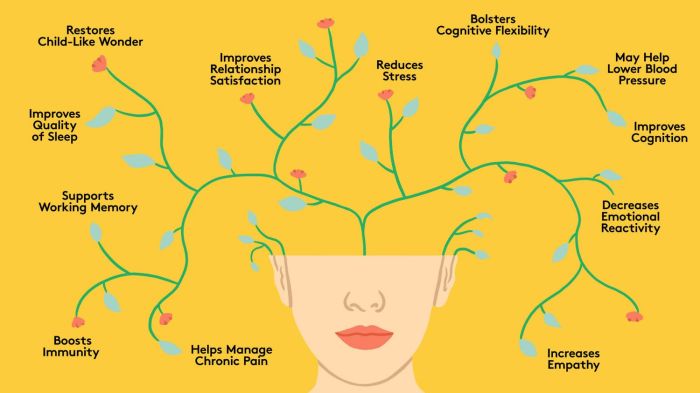
Mindfulness plays a crucial role in stress relief and relaxation by helping individuals stay present in the moment and focus on their thoughts and feelings without judgment. This practice can significantly reduce stress levels and promote a sense of calm and inner peace.

Calming Techniques and Mindfulness Exercises

  • Deep Breathing: Taking slow, deep breaths can help activate the body’s relaxation response and reduce stress.
  • Body Scan Meditation: This involves focusing on different parts of the body, releasing tension, and promoting relaxation.
  • Mindful Walking: Paying attention to each step and the sensations in the body while walking can help clear the mind and reduce stress.

Tips for Integrating Mindfulness into Daily Routines

  • Start the day with a mindful breathing exercise to set a positive tone for the day.
  • Practice mindfulness during daily activities such as eating, driving, or showering to stay present and reduce stress.
  • Set aside dedicated time for meditation or mindfulness practices to prioritize mental well-being.

Nutritional Balance

Maintaining a balanced diet is crucial for overall health as it provides the necessary nutrients to support bodily functions, energy levels, and overall well-being. A balanced diet includes a variety of foods from different food groups to ensure the body receives essential vitamins, minerals, and macronutrients.

Mindful Eating and Nutritional Balance

Mindfulness can promote mindful eating by encouraging individuals to pay attention to their food choices, eating habits, and hunger cues. By practicing mindfulness, individuals can become more aware of their food preferences, portion sizes, and eating patterns, leading to better control over their nutritional intake.

  • Focus on whole, nutrient-dense foods such as fruits, vegetables, whole grains, lean proteins, and healthy fats to support optimal nutrition.
  • Avoid highly processed foods high in added sugars, unhealthy fats, and artificial ingredients that can negatively impact overall health.
  • Practice portion control by listening to your body’s hunger and fullness cues, avoiding overeating or undereating.
  • Eat slowly, savoring each bite, and paying attention to the flavors and textures of your food to enhance the eating experience.
  • Stay hydrated by drinking an adequate amount of water throughout the day to support digestion, nutrient absorption, and overall well-being.

Mindful eating can help cultivate a positive relationship with food and nutrition by promoting a non-judgmental, compassionate attitude towards eating habits and choices.

Expert Answers

How can mindfulness practices enhance mental resilience?

Mindfulness practices enhance mental resilience by improving self-awareness, emotional regulation, and coping mechanisms during challenging situations.

What is the impact of mindfulness on overall mental well-being?

Mindfulness positively impacts mental well-being by reducing stress, promoting emotional strength, and enhancing adaptability.

How does mindfulness contribute to healthy aging?

Mindfulness helps in healthy aging by maintaining cognitive functions, improving quality of life, and supporting overall well-being in older adults.

How to stay active while traveling: Tips for a Healthy Journey

How to stay active while traveling

Healthy Habits

Maintaining healthy habits while traveling is essential to ensure overall well-being and energy levels. By incorporating simple practices into your routine, you can stay active and feel your best throughout your trip.

Examples of Healthy Habits:

  • Start your day with a nutritious breakfast to fuel your body for the day ahead.
  • Stay hydrated by carrying a reusable water bottle and drinking water regularly.
  • Incorporate physical activities like walking, hiking, or cycling into your itinerary.
  • Take breaks to stretch and move around, especially during long flights or car rides.

Establishing a Routine:

Having a routine while traveling can help you maintain healthy habits more effectively. By setting aside time for exercise, meals, and relaxation, you can stay on track and prioritize your well-being.

Importance of Small Activities:

Even small activities like walking to explore a new city or doing simple stretches in your hotel room can contribute to your overall well-being. These moments of movement can boost your energy levels and improve your mood during travel.

Balance Eating Habits:

While it’s tempting to indulge in local cuisine while traveling, it’s important to balance your eating habits. Enjoying local dishes in moderation and incorporating fruits, vegetables, and lean proteins into your meals can help you stay healthy and energized throughout your trip.

Emotional Wellbeing

Maintaining emotional wellbeing is crucial for staying active while traveling. The impact of stress and anxiety can hinder your motivation to engage in physical activities. It is essential to focus on managing your emotions to ensure a positive mindset that will keep you motivated throughout your journey.

Strategies for Managing Stress and Anxiety

  • Practice deep breathing exercises to calm your mind and reduce stress levels.
  • Engage in mindfulness activities such as yoga or meditation to stay grounded and centered.
  • Stay connected with loved ones through calls or messages to alleviate feelings of loneliness or isolation.
  • Set realistic expectations for your travel plans to avoid unnecessary pressure and anxiety.

Maintaining a Positive Mindset

  • Acknowledge and challenge negative thoughts that may arise during your travels.
  • Focus on gratitude by keeping a travel journal to reflect on positive experiences and moments of joy.
  • Surround yourself with positive influences by engaging with uplifting content or music.

Relaxation Techniques for Enhancing Emotional Wellbeing

  • Practice progressive muscle relaxation by tensing and releasing each muscle group in your body.
  • Listen to calming music or nature sounds to create a soothing atmosphere wherever you are.
  • Try aromatherapy using essential oils like lavender or chamomile to promote relaxation and reduce stress.

Healthy Aging

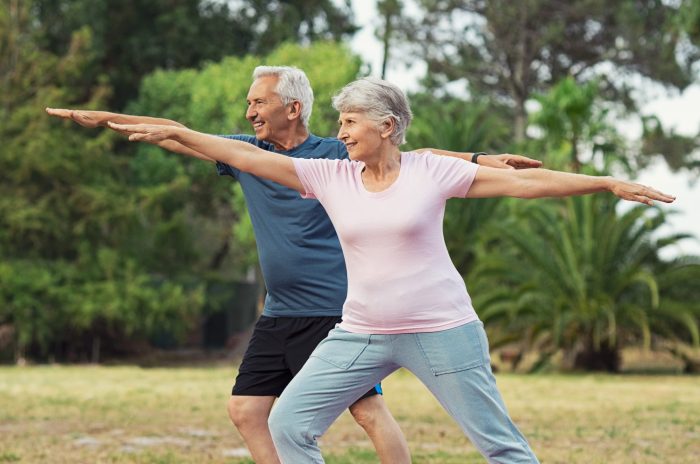
Staying active while traveling plays a crucial role in promoting healthy aging by helping older adults maintain their physical fitness, mobility, and overall well-being. It can contribute to improved cardiovascular health, muscle strength, flexibility, and cognitive function, which are all essential aspects of healthy aging.

Incorporating Strength Training Exercises

Strength training exercises are particularly important for older adults to maintain muscle mass and bone density, which tend to decline with age. By incorporating resistance training into their routine, older travelers can improve their strength, balance, and coordination, reducing the risk of falls and injuries. Examples of strength training exercises include bodyweight exercises, resistance band workouts, and light weightlifting.

Adapting Physical Activities for Different Fitness Levels

When traveling, it’s essential to adapt physical activities to accommodate different fitness levels. Older travelers can engage in activities such as walking, hiking, swimming, yoga, or tai chi, which can be easily modified based on individual fitness levels. It’s important to listen to your body, start slow, and gradually increase the intensity and duration of physical activities.

Low-Impact Exercises for Older Travelers

For older travelers looking to stay active, low-impact exercises are a great option to protect their joints and prevent injuries. Examples of low-impact exercises suitable for older adults include cycling, water aerobics, gentle stretching, and Pilates. These exercises help improve cardiovascular health, flexibility, and muscle tone without putting too much stress on the joints.

Active Lifestyle: How To Stay Active While Traveling

Maintaining an active lifestyle while traveling can bring numerous benefits to both your physical and mental well-being. Engaging in physical activities not only helps you stay fit but also allows you to explore new destinations in a more immersive way.

Exploring new destinations through activities like hiking, biking, or swimming can provide a unique perspective and a deeper connection to the place you are visiting. It allows you to experience the local environment firsthand and appreciate the beauty of nature up close.

Incorporating Movement into Daily Travel Itineraries

  • Start your day with a morning run or walk to explore the surroundings before the crowds emerge.
  • Opt for walking tours instead of bus tours to discover hidden gems and interact with locals.
  • Choose accommodations with fitness facilities or nearby outdoor spaces for a quick workout.
  • Try out local activities like dancing, yoga, or water sports to experience the culture in a fun and active way.

Enhancing the Travel Experience

  • Regular physical activity can boost your energy levels and mood, making you more alert and engaged during your travels.
  • Staying active can help you combat jet lag, improve your sleep quality, and reduce stress levels while on the road.
  • Engaging in physical activities can create lasting memories and unique experiences that add depth to your travel adventures.

Cardiovascular Health

Regular physical activity plays a crucial role in maintaining cardiovascular health, especially while traveling. Engaging in aerobic exercises can significantly improve heart health and reduce the risk of cardiovascular diseases. It is essential to prioritize activities that elevate the heart rate and promote circulation to strengthen the heart muscle.

Importance of Aerobic Exercises

Aerobic exercises, such as brisk walking, jogging, cycling, or swimming, are excellent for cardiovascular health. These activities help improve blood flow, lower blood pressure, and increase overall cardiovascular fitness. While traveling, aim to incorporate at least 30 minutes of moderate-intensity aerobic exercise most days of the week to reap the benefits for your heart.

Monitoring Cardiovascular Fitness Levels

To monitor your cardiovascular fitness levels while on the road, consider using a fitness tracker or smartwatch with built-in heart rate monitoring capabilities. Keep track of your heart rate during exercise sessions and aim to gradually increase your endurance over time. Another way to assess your cardiovascular fitness is by paying attention to how quickly your heart rate recovers after physical exertion.

Cardiovascular Workouts for Travel

– Interval training: Incorporate short bursts of high-intensity exercise followed by brief periods of rest. This type of workout can be done in a hotel room or outdoor space.
– Stair climbing: Utilize stairs in your hotel or find a nearby staircase for a challenging cardiovascular workout.
– Bodyweight exercises: Perform exercises like jumping jacks, burpees, or mountain climbers to elevate your heart rate without any equipment.
– Swimming: If you have access to a pool, swimming is an excellent full-body workout that is gentle on the joints and beneficial for cardiovascular health.
– Cycling or running: Explore the local area by renting a bike or going for a run to combine sightseeing with cardiovascular exercise.

Healthy Recipes

How to stay active while traveling – When traveling, it can be challenging to maintain a healthy diet. However, preparing nutritious meals is essential to support your physical activity and overall well-being. Below are some tips and recipes to help you stay on track while on the go.

Easy Nutritious Recipes

  • Quinoa Salad with Fresh Vegetables: Cook quinoa and mix it with chopped cucumbers, tomatoes, bell peppers, and a light vinaigrette dressing.
  • Grilled Chicken Wraps: Grill chicken breast strips and wrap them in whole wheat tortillas with lettuce, tomatoes, and avocado slices.
  • Greek Yogurt Parfait: Layer Greek yogurt with fresh berries, granola, and a drizzle of honey for a delicious and filling snack or breakfast option.

Balanced Diet for Travelers

  • Include a variety of fruits, vegetables, whole grains, lean proteins, and healthy fats in your meals to ensure you’re getting all the essential nutrients.
  • Avoid excessive consumption of processed foods and sugary drinks, as they can leave you feeling sluggish and tired.
  • Opt for local and seasonal ingredients to explore new flavors while still maintaining a balanced diet.

Portable Snack Ideas

  • Trail Mix: Combine nuts, seeds, dried fruits, and a sprinkle of dark chocolate chips for a convenient and energizing snack.
  • Rice Cake with Nut Butter: Spread almond or peanut butter on a rice cake for a quick and satisfying pick-me-up between meals.
  • Veggies and Hummus: Pack sliced carrots, cucumbers, and bell peppers with a side of hummus for a crunchy and nutritious snack on the go.

Mental Resilience

When it comes to staying active while traveling, mental resilience plays a crucial role in overcoming challenges and setbacks that may hinder physical activity. It involves the ability to bounce back from difficult situations and maintain a positive mindset to stay motivated.

Strategies for Overcoming Obstacles

One effective strategy for overcoming obstacles is to stay flexible and adaptable in your approach to physical activity while traveling. This may involve finding alternative workout options or adjusting your fitness routine based on the resources available in different locations.

Another important aspect is to practice mindfulness and self-awareness to stay focused on your fitness goals and avoid getting discouraged by external factors.

Setting Realistic Goals

Setting realistic goals is essential for maintaining motivation during travel. By breaking down your fitness objectives into smaller, achievable targets, you can track your progress and celebrate each milestone along the way.

It’s also important to be kind to yourself and understand that travel may bring unexpected challenges that can impact your workout routine. By setting realistic expectations, you can stay committed to your fitness journey without feeling overwhelmed.

Mental Exercises for Resilience

Engaging in mental exercises can help build resilience and perseverance while traveling. Practices such as visualization, positive affirmations, and deep breathing techniques can calm the mind and boost your confidence in overcoming obstacles.

Additionally, practicing gratitude and focusing on the present moment can help shift your perspective towards a more positive outlook, enabling you to stay motivated and resilient in pursuing your fitness goals.

Immune Support

Regular physical activity plays a crucial role in supporting immune health, especially when traveling. It can help boost the immune system, making it more resilient to pathogens encountered during the journey. Additionally, proper rest and recovery are essential to ensure the immune system functions optimally while on the go.

Impact of Physical Activity on Immune Health

Regular exercise has been shown to enhance immune function by promoting good circulation, which allows immune cells to move freely throughout the body. It also helps reduce inflammation and stress, both of which can weaken the immune system. Staying active while traveling can help maintain the body’s defense mechanisms at their best.

Tips for Boosting the Immune System through Physical Activity

– Engage in moderate-intensity exercises like brisk walking, hiking, or swimming to stimulate the immune system without causing excessive stress.
– Incorporate strength training exercises to build muscle mass, which can contribute to a stronger immune response.
– Practice yoga or meditation to reduce stress levels, as chronic stress can suppress immune function.
– Stay hydrated and maintain a balanced diet to provide the necessary nutrients for immune health.

Importance of Rest and Recovery for Immune Function, How to stay active while traveling

Adequate rest is essential for immune support, as sleep allows the body to repair and regenerate cells crucial for immune function. When traveling, prioritize quality sleep and relaxation to ensure the immune system remains robust throughout the journey.

Immune-Boosting Foods for Travelers

– Citrus fruits rich in vitamin C, such as oranges and grapefruits, can enhance immune function.
– Garlic contains allicin, a compound known for its immune-boosting properties.
– Yogurt and other probiotic-rich foods support gut health, which is closely linked to immune function.
– Leafy greens like spinach and kale provide essential vitamins and minerals for a healthy immune system.
– Nuts and seeds offer a source of antioxidants and healthy fats that support immune health.

Stress Relief

Physical activity can be a powerful tool for relieving stress, especially while traveling. The combination of exercise and exploring new surroundings can help clear the mind and promote a sense of well-being. In addition to physical activity, mindfulness practices can also play a crucial role in reducing stress levels on the road. By staying present and focused on the current moment, travelers can let go of worries about the past or future, leading to a more relaxed state of mind.

Incorporating Relaxation Exercises

  • Start your day with a short meditation session to set a positive tone for the day ahead.
  • Practice deep breathing exercises whenever you feel overwhelmed or anxious during your travels.
  • Take short breaks throughout the day to stretch and relax your muscles, especially after long periods of sitting.
  • Engage in activities like yoga or tai chi to combine physical movement with relaxation techniques.

Managing Stress Through Physical Activity

  • Regular exercise releases endorphins, which are known as the body’s natural stress relievers.
  • Engaging in outdoor activities like hiking or biking can help connect with nature and reduce stress levels.
  • Choose activities that you enjoy and that bring you joy, whether it’s swimming, dancing, or simply taking a walk in a new city.
  • Stay active throughout your travels to maintain a sense of routine and stability, even in unfamiliar environments.

Nutritional Balance

How to stay active while traveling
Maintaining a balanced diet is crucial for travelers to support physical activity and ensure overall well-being on the go. Planning meals that provide essential nutrients for energy and recovery is essential, as is staying hydrated while engaging in physical activities during travel. Including nutrient-rich foods in your diet can enhance performance and promote well-being while on the move.

Planning Nutrient-Rich Meals

  • Start your day with a balanced breakfast that includes protein, healthy fats, and complex carbohydrates to fuel your activities.
  • Include lean proteins such as chicken, fish, tofu, or legumes in your meals to support muscle recovery and growth.
  • Opt for whole grains like quinoa, brown rice, or oats to provide sustained energy throughout the day.
  • Incorporate a variety of colorful fruits and vegetables to ensure you get a range of vitamins, minerals, and antioxidants.

Importance of Hydration

Staying hydrated is essential for maintaining optimal performance and preventing dehydration while on the move. Always carry a reusable water bottle and aim to drink water regularly throughout the day, especially before, during, and after physical activities.

Nutrient-Rich Foods for Travelers

Food Nutrients
Almonds Healthy fats, protein, fiber, vitamin E, magnesium
Greek yogurt Protein, calcium, probiotics
Salmon Omega-3 fatty acids, protein, vitamin D
Spinach Vitamins A, C, K, iron, magnesium
Blueberries Antioxidants, fiber, vitamins C, K

User Queries

How can I stay active if I have a busy travel itinerary?

Try incorporating short bursts of physical activity like brisk walking or stretching whenever you have a moment. Every little bit helps!

What are some healthy snacks I can pack for traveling?

Opt for portable options like nuts, fruits, or granola bars to keep you fueled on the go without compromising your health goals.

How important is it to stay hydrated while traveling?

Hydration is crucial for maintaining energy levels and overall well-being, especially when engaging in physical activities during your trip.

Healthy aging and mobility exercises: Tips for a Vital Life

Healthy aging and mobility exercises

Healthy Aging and Mobility Exercises

Regular physical activity, including mobility exercises, plays a crucial role in promoting healthy aging. These exercises help seniors maintain flexibility, strength, and balance, ultimately enhancing their overall quality of life.

Low-Impact Exercises for Seniors

  • Gentle stretching routines to improve flexibility and range of motion.
  • Walking or brisk walking to boost cardiovascular health and maintain muscle tone.
  • Water aerobics or swimming for a full-body workout with minimal impact on joints.
  • Chair exercises to strengthen muscles and improve stability.

Improving Balance and Preventing Falls

Mobility exercises can significantly enhance balance and coordination in older adults, reducing the risk of falls. By incorporating exercises that focus on core strength and proprioception, seniors can build stability and prevent accidents that may lead to injuries.

Creating a Personalized Mobility Routine

  • Consult with a healthcare provider or a fitness professional to assess your current fitness level and set realistic goals.
  • Include a variety of exercises that target different muscle groups and movement patterns.
  • Start slowly and gradually increase the intensity and duration of your workouts to avoid overexertion.
  • Listen to your body and make adjustments as needed to accommodate any physical limitations or discomfort.

Healthy Habits

Healthy aging and mobility exercises – Establishing and maintaining healthy habits is essential for successful aging and overall well-being. These habits encompass various aspects of life, including nutrition, physical activity, and emotional wellness.

Role of Nutrition

Proper nutrition plays a crucial role in maintaining overall health and vitality as we age. Consuming a balanced diet rich in fruits, vegetables, whole grains, lean proteins, and healthy fats provides essential nutrients that support bodily functions and help prevent chronic diseases.

  • Aim to include a variety of colorful fruits and vegetables in your meals to ensure a diverse range of vitamins and minerals.
  • Stay hydrated by drinking an adequate amount of water throughout the day to support digestion, circulation, and overall health.
  • Avoid excessive intake of processed foods, sugary beverages, and high-sodium meals, as they can contribute to inflammation and increase the risk of health issues.

Regular Physical Activity

Engaging in regular physical activity is key to promoting healthy aging and maintaining mobility, strength, and flexibility. Exercise not only improves physical health but also enhances cognitive function and reduces the risk of chronic conditions such as heart disease, diabetes, and osteoporosis.

  • Include a combination of aerobic exercises, strength training, and flexibility exercises in your weekly routine to target different aspects of fitness.
  • Find activities you enjoy, such as walking, swimming, yoga, or dancing, to make exercise a sustainable and enjoyable habit.
  • Consult with a healthcare provider or a fitness professional to develop a safe and effective exercise plan tailored to your individual needs and abilities.

Mindfulness Practices

Incorporating mindfulness practices into daily routines can promote emotional well-being, reduce stress, and enhance overall quality of life. Mindfulness involves being present in the moment, cultivating self-awareness, and practicing acceptance and compassion towards oneself and others.

  • Start your day with a few minutes of mindful breathing or meditation to center yourself and set a positive tone for the day.
  • Practice gratitude by reflecting on things you are thankful for each day, which can help shift your focus towards positivity and contentment.
  • Engage in activities that bring you joy and relaxation, such as spending time in nature, practicing yoga, or engaging in creative pursuits.

Emotional Wellbeing

Healthy aging and mobility exercises

Emotional wellbeing plays a crucial role in healthy aging, as it impacts overall quality of life and physical health.

As individuals age, they may encounter various stressors such as health issues, loss of loved ones, or changes in living situations. Managing stress effectively and promoting mental resilience are essential for maintaining emotional balance and a positive mindset.

Strategies for Managing Stress and Promoting Mental Resilience

  • Practice relaxation techniques such as deep breathing, meditation, or yoga to reduce stress levels.
  • Engage in physical activities like walking, swimming, or dancing to boost mood and mental resilience.
  • Seek social support from friends, family, or support groups to cope with challenges and maintain emotional wellbeing.

Techniques for Fostering a Positive Mindset and Emotional Balance

  • Practice gratitude by reflecting on things you are thankful for each day.
  • Challenge negative thoughts and replace them with positive affirmations to shift your mindset.
  • Engage in hobbies or activities that bring you joy and a sense of accomplishment.

Activities to Enhance Emotional Wellbeing in Older Adults

  • Joining a book club or discussion group to stay socially connected and stimulated.
  • Volunteering for a cause that is meaningful to you to give back to the community and feel a sense of purpose.
  • Practicing mindfulness or tai chi to improve focus, reduce anxiety, and promote emotional balance.

Active Lifestyle

Leading an active lifestyle is crucial for healthy aging as it has numerous benefits for physical and mental wellbeing. Staying physically active as you age can help improve mobility, flexibility, cardiovascular health, and overall quality of life.

Benefits of an Active Lifestyle for Healthy Aging

Regular physical activity can help maintain muscle strength, improve balance and coordination, reduce the risk of chronic diseases such as heart disease, diabetes, and osteoporosis, and enhance cognitive function. It also promotes better sleep, mood, and overall mental health.

Tips for Staying Physically Active as You Age

  • Start slowly and gradually increase the intensity of your workouts.
  • Find activities you enjoy, such as walking, swimming, dancing, or gardening.
  • Incorporate strength training exercises to maintain muscle mass and bone density.
  • Stay hydrated and listen to your body to avoid overexertion.
  • Stay consistent with your exercise routine to reap the long-term benefits.

Fun Activities that Promote Mobility and Flexibility

  • Yoga: Improves flexibility, balance, and strength.
  • Dancing: Enhances coordination and cardiovascular health.
  • Aquatic exercises: Gentle on the joints while improving mobility and strength.
  • Tai Chi: Promotes relaxation, balance, and flexibility.

Importance of Regular Exercise for Cardiovascular Health

Regular exercise, such as aerobic activities like brisk walking, cycling, or swimming, can help improve cardiovascular health by strengthening the heart, lowering blood pressure, and reducing the risk of stroke and heart disease. It also helps in maintaining a healthy weight and improving overall wellbeing.

Cardiovascular Health

Healthy aging and mobility exercises
Maintaining cardiovascular health is crucial for healthy aging as it helps reduce the risk of heart disease, stroke, and other related conditions.

Exercise and Nutrition for Heart Health

Regular physical activity, such as brisk walking, swimming, or cycling, can improve heart function and strengthen the cardiovascular system. Combine this with a balanced diet rich in fruits, vegetables, whole grains, and lean proteins to support heart health.

Maintaining Healthy Blood Pressure and Cholesterol Levels

To keep blood pressure and cholesterol in check, limit salt intake, avoid trans fats, and incorporate foods high in fiber and omega-3 fatty acids. Regular monitoring and consultation with a healthcare provider are also essential.

Examples of Cardiovascular Exercises for Older Adults

  • Walking: A low-impact exercise that can be easily incorporated into daily routines.
  • Swimming: Gentle on the joints and provides a full-body workout.
  • Cycling: Improves cardiovascular fitness and leg strength.
  • Dancing: Fun way to stay active and boost heart health.

Healthy Recipes: Healthy Aging And Mobility Exercises

To support healthy aging, it is essential to incorporate nutritious recipes into your daily meals. These recipes play a crucial role in providing the body with the necessary nutrients to maintain vitality and overall wellbeing. Antioxidants and superfoods are particularly beneficial in promoting healthy aging by protecting the body from oxidative stress and inflammation. Meal planning and creating balanced, nutrient-rich meals are key aspects of a healthy diet for seniors. Additionally, staying hydrated is essential for maintaining optimal health and supporting bodily functions.

Role of Antioxidants and Superfoods

Antioxidants found in fruits, vegetables, nuts, and seeds help combat free radicals in the body, reducing the risk of chronic diseases and promoting healthy aging. Superfoods such as blueberries, spinach, and kale are packed with essential nutrients and antioxidants that support overall health and vitality.

Meal Planning and Balanced Nutrition

When planning meals for healthy aging, focus on incorporating a variety of colorful fruits and vegetables, lean proteins, whole grains, and healthy fats. Aim for nutrient-rich foods that provide essential vitamins and minerals to support overall health. Consider portion sizes and balance different food groups to create well-rounded meals that meet your dietary needs.

Importance of Hydration

Staying hydrated is crucial for seniors to support digestion, nutrient absorption, and overall health. Aim to drink an adequate amount of water throughout the day and include hydrating foods such as fruits and vegetables in your meals. Proper hydration can help maintain energy levels, cognitive function, and physical performance as you age.

Mental Resilience

As we age, maintaining mental resilience becomes crucial for overall wellbeing. Mental resilience refers to the ability to adapt to stress, challenges, and changes, which is essential for navigating the aging process with positivity and strength.

Enhancing Cognitive Function and Brain Health, Healthy aging and mobility exercises

Ensuring cognitive function and brain health is vital for promoting mental resilience. Here are some strategies to enhance brain health:

  • Engage in regular mental exercises such as puzzles, crosswords, and memory games to stimulate the brain.
  • Stay physically active, as exercise has been linked to improved brain function and reduced risk of cognitive decline.
  • Adopt a healthy diet rich in antioxidants, omega-3 fatty acids, and vitamins to support brain health.

Brain-Stimulating Activities and Exercises

Participating in brain-stimulating activities and exercises can help boost cognitive function and resilience. Here are some examples:

  • Learning a new skill or hobby, such as painting, playing a musical instrument, or learning a new language.
  • Reading regularly to keep the brain active and engaged.
  • Engaging in social activities that require problem-solving and critical thinking, such as group discussions or board games.

Role of Social Connections in Promoting Mental Wellbeing

Social connections play a significant role in promoting mental wellbeing and resilience. Building and maintaining strong social connections can:

  • Provide emotional support during challenging times, reducing feelings of isolation and loneliness.
  • Offer opportunities for social interaction, which can stimulate the brain and improve cognitive function.
  • Enhance overall quality of life and mental health by fostering a sense of belonging and connectedness.

Immune Support

Maintaining a strong immune system is crucial for healthy aging as it helps the body defend against infections and diseases. A robust immune system can also contribute to faster recovery times and overall well-being in older adults.
Proper Nutrition and Hydration

Proper nutrition and hydration play a key role in supporting the immune system. Eating a balanced diet rich in vitamins, minerals, and antioxidants helps provide the necessary nutrients for immune function. Staying hydrated is also important for flushing out toxins and supporting overall immune health.

Lifestyle Choices for Boosting Immunity

  • Regular exercise: Physical activity can help boost the immune system and reduce inflammation.
  • Quality sleep: Adequate rest is essential for immune function and overall health.
  • Stress management: Chronic stress can weaken the immune system, so finding ways to relax and de-stress is important.
  • Limiting alcohol and tobacco: Excessive alcohol consumption and smoking can impair immune function, so it’s best to avoid or limit these habits.

Immune-Boosting Foods and Supplements

Include the following immune-boosting foods in your diet:

  • Citrus fruits: Rich in vitamin C, which is known to enhance immune function.
  • Leafy greens: Packed with vitamins and antioxidants that support overall health.
  • Yogurt: Contains probiotics that promote gut health, which is linked to immune function.

It’s important to consult with a healthcare provider before starting any new supplements to ensure they are safe and appropriate for you.

Stress Relief

Stress can have a significant impact on the aging process, leading to various health issues and affecting overall well-being. It is essential for older adults to find effective ways to manage stress to maintain a healthy and active lifestyle.

Relaxation Techniques and Stress-Relief Strategies

  • Practice deep breathing exercises to calm the mind and body.
  • Engage in activities like yoga or tai chi to reduce stress levels.
  • Spend time in nature or listen to calming music to relax and unwind.
  • Try progressive muscle relaxation to release tension in the body.

Mindfulness Practices for Stress Management

  • Practice mindfulness meditation to increase awareness and reduce stress.
  • Focus on the present moment and let go of worries about the past or future.
  • Use guided imagery to visualize peaceful settings and promote relaxation.
  • Practice gratitude by reflecting on positive aspects of your life.

Importance of Self-Care and Finding Balance

  • Make time for activities you enjoy and prioritize self-care.
  • Set boundaries to avoid overcommitting and prioritize rest and relaxation.
  • Eat a balanced diet, exercise regularly, and get enough sleep to support overall well-being.
  • Seek support from friends, family, or a therapist if stress becomes overwhelming.

Nutritional Balance

Maintaining a balanced diet is crucial for healthy aging as it provides the necessary nutrients to support overall health and wellbeing. As we age, our bodies may require different nutrients to support various bodily functions and reduce the risk of age-related diseases.

Importance of Essential Nutrients for Older Adults

  • Protein: Helps maintain muscle mass and strength, important for mobility and injury prevention.
  • Calcium and Vitamin D: Essential for bone health and reducing the risk of osteoporosis.
  • B Vitamins: Support energy production and cognitive function.
  • Omega-3 Fatty Acids: Reduce inflammation and support heart health.
  • Fiber: Aids in digestion and helps maintain a healthy weight.

Tips for Achieving Nutritional Balance Through Food Choices

  • Include a variety of fruits, vegetables, whole grains, lean proteins, and healthy fats in your diet.
  • Avoid processed foods high in sugar, salt, and unhealthy fats.
  • Stay hydrated by drinking plenty of water throughout the day.
  • Limit alcohol consumption and opt for herbal teas or infused water instead.

Examples of Meal Plans Supporting Overall Health and Wellbeing

Breakfast Lunch Dinner
Scrambled eggs with spinach and whole grain toast Grilled chicken salad with mixed greens and quinoa Baked salmon with roasted sweet potatoes and steamed broccoli
Fruit smoothie with Greek yogurt and chia seeds Vegetable stir-fry with tofu and brown rice Turkey chili with kidney beans and side salad

FAQ Summary

How often should seniors engage in mobility exercises?

Seniors should aim for at least 150 minutes of moderate-intensity aerobic activity per week, along with muscle-strengthening exercises on two or more days a week.

Are there specific mobility exercises for seniors with mobility issues?

Yes, there are modified exercises that can cater to seniors with mobility challenges, focusing on improving range of motion and flexibility without causing strain.

Can mindfulness practices benefit older adults?

Absolutely, mindfulness practices have been shown to reduce stress, enhance focus, and promote emotional wellbeing in older adults, contributing to a higher quality of life.

Healthy habits for promoting mindfulness: Tips and Practices for a Balanced Life

Healthy habits for promoting mindfulness

Healthy Habits for Promoting Mindfulness

Healthy habits for promoting mindfulness – Practicing mindfulness involves being fully present and aware of your thoughts, feelings, and surroundings without judgment. It can help reduce stress, improve focus, and enhance overall well-being.

Examples of Simple Mindfulness Practices:

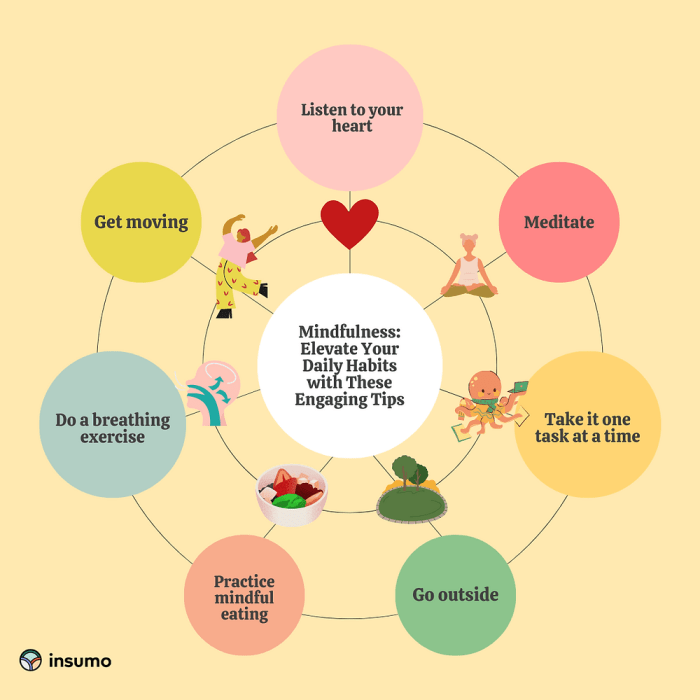
  • Deep breathing exercises to center yourself in the present moment.
  • Body scan meditation to focus on different parts of your body and release tension.
  • Mindful eating by savoring each bite and paying attention to flavors and textures.

Benefits of Mindfulness:, Healthy habits for promoting mindfulness

  • Reduced stress and anxiety levels.
  • Improved emotional regulation and mental clarity.
  • Enhanced self-awareness and compassion towards oneself and others.

Tips for Cultivating Mindfulness:

  • Practice mindfulness in everyday activities like walking or washing dishes.
  • Set aside time for formal meditation practices to train your mind for mindfulness.
  • Engage in mindful communication by listening actively and responding thoughtfully.

Healthy Habits for Emotional Wellbeing

Mindfulness plays a crucial role in emotional wellbeing by helping individuals become more aware of their thoughts and feelings, allowing them to respond to challenging situations with greater clarity and composure.

Managing Stress and Promoting Emotional Resilience

  • Practice deep breathing exercises to calm the mind and body during stressful moments.
  • Engage in regular physical activity to release endorphins and reduce stress levels.
  • Establish a healthy sleep routine to ensure adequate rest and rejuvenation for emotional resilience.

Impact of Positive Thinking on Emotional Health

  • Cultivate a positive mindset by focusing on gratitude and reframing negative situations in a more optimistic light.
  • Acknowledge and challenge negative thought patterns to promote a more positive outlook on life.
  • Practice mindfulness meditation to enhance self-awareness and foster a positive emotional state.

Techniques for Fostering Emotional Intelligence and Self-awareness

  • Develop active listening skills to better understand and empathize with the emotions of others.
  • Reflect on your own emotions and triggers to increase self-awareness and regulate emotional responses effectively.
  • Engage in journaling or therapy to explore and process underlying emotions for improved emotional intelligence.

Healthy Aging through Mindful Practices

As we age, incorporating mindfulness practices into our daily routines can have a significant impact on our overall health and wellbeing. Mindfulness can help seniors maintain cognitive function, memory retention, and emotional stability, ultimately promoting healthy aging.

Role of Mindfulness in Cognitive Function and Memory Retention

Mindfulness practices such as meditation, deep breathing exercises, and yoga have been shown to improve cognitive function and memory retention in seniors. By reducing stress, enhancing focus, and promoting mental clarity, mindfulness can help seniors maintain sharp cognitive abilities as they age.

Tips for Seniors on Incorporating Mindfulness

  • Start with short mindfulness sessions: Seniors can begin by dedicating just a few minutes each day to mindfulness practices to gradually build up their routine.
  • Find a quiet and comfortable space: Creating a peaceful environment for mindfulness practice can enhance its effectiveness and help seniors relax and focus.
  • Practice mindfulness during daily activities: Seniors can incorporate mindfulness into everyday tasks such as eating, walking, or gardening to cultivate a sense of presence and awareness.

Mindfulness Exercises for Healthy Aging

  • Body scan meditation: This practice involves focusing on different parts of the body to promote relaxation, reduce tension, and increase body awareness.
  • Loving-kindness meditation: Seniors can practice sending well wishes and compassion to themselves and others to cultivate positive emotions and enhance emotional wellbeing.
  • Breath awareness exercises: Simple breathing techniques can help seniors calm the mind, reduce stress, and improve concentration and focus.

Maintaining an Active Lifestyle with Mindfulness

Maintaining an active lifestyle is crucial for overall health and well-being. When combined with mindfulness practices, physical activity can have a profound impact on both the body and mind.

Connection between Mindfulness and Physical Activity

Practicing mindfulness during physical activities can help individuals stay present, focused, and engaged in the moment. This can enhance the overall experience of exercise and promote a deeper mind-body connection.

Guidance on Combining Mindfulness with Exercise Routines

To incorporate mindfulness into exercise routines, individuals can start by focusing on their breath, tuning into body sensations, and staying present during each movement. Mindful walking, yoga, and tai chi are great examples of activities that combine physical movement with mindfulness practices.

Benefits of Mindful Movement for Health and Well-being

Mindful movement not only improves physical fitness but also reduces stress, enhances mental clarity, and promotes emotional well-being. It can help individuals manage anxiety, improve sleep quality, and boost overall mood.

Examples of Mindful Activities

– Yoga: Combining breath work with flowing movements can create a meditative exercise experience.
– Walking Meditations: Focusing on each step and the sensations of walking can turn a simple stroll into a mindful practice.
– Tai Chi: This gentle martial art emphasizes slow, deliberate movements that promote relaxation and mindfulness.

Cardiovascular Health and Mindful Living

Mindfulness practices can have a significant positive impact on cardiovascular health by helping to reduce stress levels, lower blood pressure, and improve overall heart function.

Mindfulness and Heart Health

Stress is known to have a direct impact on heart health, increasing the risk of cardiovascular diseases. By incorporating mindfulness techniques into daily routines, individuals can effectively manage stress levels, leading to a healthier heart.

  • Practicing deep breathing exercises can help reduce blood pressure and promote relaxation, benefiting heart health.
  • Engaging in mindfulness meditation regularly can improve heart rate variability, a key indicator of cardiovascular health.
  • Being present in the moment and focusing on the sensations of the body can help individuals become more aware of physical signs of stress, allowing for timely intervention to prevent heart-related issues.

By cultivating mindfulness, individuals can create a protective shield against the negative effects of stress on the heart, promoting long-term cardiovascular well-being.

Healthy Recipes to Nourish the Mind and Body

Healthy habits for promoting mindfulness

When it comes to promoting mindfulness and overall well-being, the food we consume plays a crucial role. Nourishing our bodies with nutritious meals not only benefits our physical health but also supports mental clarity and focus. Mindful eating is about being present and fully engaged with the process of eating, allowing us to appreciate the flavors and textures of our food while also being aware of our body’s hunger and fullness cues.

The Importance of Mindful Eating

Mindful eating involves paying attention to the sensory experience of eating, such as the taste, texture, and aroma of food. By practicing mindful eating, we can cultivate a deeper connection with our food, leading to better digestion and improved nutrition absorption. This approach can also help prevent overeating and promote a healthier relationship with food.

Tips for Incorporating Mindfulness into Meal Preparation and Eating Habits

  • Start by setting aside dedicated time for meals without distractions such as phones or screens.
  • Focus on the colors and presentation of your food to enhance the sensory experience.
  • Chew your food slowly and savor each bite to fully appreciate the flavors.
  • Express gratitude for the nourishment your meal provides before starting to eat.

Ingredients that Promote Mental Clarity and Focus

  • Fatty fish like salmon, rich in omega-3 fatty acids, support brain health and cognitive function.
  • Leafy greens such as spinach and kale are packed with antioxidants and vitamins that help protect the brain from oxidative stress.
  • Blueberries contain compounds that have been shown to improve memory and cognitive performance.
  • Turmeric, known for its anti-inflammatory properties, may enhance brain function and reduce the risk of neurodegenerative diseases.

Building Mental Resilience through Mindfulness

Mindfulness practices can significantly enhance mental resilience by helping individuals better cope with stress, anxiety, and challenges. By cultivating mindfulness, individuals can develop a greater sense of self-awareness, emotional regulation, and acceptance of difficult emotions or situations.

Strategies for Overcoming Challenges and Setbacks with a Mindful Approach

  • Practice deep breathing exercises to stay calm and grounded during difficult moments.
  • Engage in meditation to improve focus and clarity of thought when facing obstacles.
  • Use mindful self-compassion to treat oneself with kindness and understanding during setbacks.

The Role of Mindfulness in Developing a Positive Mindset and Coping Skills

  • Mindfulness helps individuals shift their perspective from negative to positive, fostering a resilient mindset.
  • By staying present in the moment, mindfulness enables individuals to respond to challenges with clarity and creativity.
  • Regular mindfulness practice can enhance coping skills, allowing individuals to navigate stressors more effectively.

Examples of Mindfulness Techniques for Building Mental Strength

  • Body scan meditation to connect with physical sensations and release tension.
  • Gratitude journaling to cultivate a positive outlook and resilience in the face of adversity.
  • Walking meditation to promote mindfulness in motion and enhance mental clarity.

Supporting Immune Health with Mindful Practices

Healthy habits for promoting mindfulness
Mindfulness practices not only benefit mental and emotional well-being but also play a crucial role in supporting immune health. By reducing stress and promoting relaxation, mindfulness techniques can have a positive impact on the body’s immune function.

Connection between Mindfulness and Immune Function

  • Research has shown that chronic stress can weaken the immune system, making individuals more susceptible to illnesses.
  • Mindfulness practices, such as deep breathing exercises and meditation, can help lower stress levels and reduce inflammation in the body.

How Stress Reduction Supports a Healthy Immune System

  • Reducing stress through mindfulness can enhance the production of white blood cells, which are essential for fighting off infections.
  • Lowering stress levels also helps regulate the release of stress hormones like cortisol, which can suppress immune function when elevated for prolonged periods.

Tips for Incorporating Mindfulness Practices to Boost Immune Health

  • Set aside a few minutes each day for mindfulness meditation or deep breathing exercises to help calm the mind and body.
  • Practice mindfulness while eating by focusing on the textures, flavors, and sensations of each bite, promoting mindful eating habits that support overall health.

Mindfulness Techniques for Overall Immune Support

  • Body scan meditation can help you tune into your body and identify areas of tension or discomfort that may be contributing to stress.
  • Loving-kindness meditation involves sending positive thoughts and well-wishes to yourself and others, fostering a sense of connection and emotional well-being that can positively impact immune function.

Stress Relief Strategies through Mindfulness

Mindfulness can play a crucial role in managing stress and promoting relaxation. By incorporating mindfulness practices into your daily routine, you can reduce stress levels and improve your overall well-being.

Techniques for Using Mindfulness to Reduce Stress

  • Deep Breathing Exercises: Engage in deep breathing exercises to calm your mind and body, promoting relaxation and reducing stress.
  • Body Scans: Conduct body scan exercises to bring awareness to different parts of your body, releasing tension and promoting a sense of calm.
  • Mindful Meditation: Practice mindful meditation to focus your attention on the present moment, helping to alleviate stress and anxiety.

Impact of Mindfulness on the Body’s Stress Response

  • Mindfulness can help regulate the body’s stress response by activating the relaxation response, reducing the production of stress hormones like cortisol.
  • Regular mindfulness practice can lead to lower overall stress levels and improved emotional well-being.

Examples of Mindfulness Practices for Stress Relief

  • Guided Imagery: Use guided imagery to visualize calming scenes or situations, promoting relaxation and reducing stress levels.
  • Progressive Muscle Relaxation: Practice progressive muscle relaxation to release tension in the body and promote a state of relaxation.
  • Mindful Walking: Engage in mindful walking by focusing on each step and your surroundings, promoting a sense of calm and reducing stress.

Achieving Nutritional Balance with Mindful Eating

Mindful eating is a practice that involves being fully present and aware of the food you are consuming, your thoughts, feelings, and sensations while eating. This approach helps you develop a healthier relationship with food and gain a deeper appreciation for the eating experience.

Benefits of Mindful Eating

Mindful eating can lead to improved digestion, better portion control, and overall nutritional balance. By paying attention to the taste, texture, and smell of food, you are more likely to make conscious and healthier food choices.

  • Increases awareness of hunger and fullness cues
  • Promotes a sense of satisfaction and enjoyment during meals
  • Reduces mindless eating and emotional eating habits

Tips for Practicing Mindful Eating

Here are some tips to help you cultivate mindful eating habits and make better food choices:

  1. Avoid distractions such as watching TV or using your phone while eating
  2. Eat slowly and savor each bite
  3. Pay attention to your body’s hunger and fullness signals

Mindful Eating Practices for Nutritional Balance

Practicing mindful eating can help you achieve a balanced diet and overall well-being. Here are some examples of mindful eating practices:

  1. Choose whole, nutrient-dense foods over processed options
  2. Listen to your body’s cues and stop eating when you are satisfied
  3. Be mindful of portion sizes and avoid overeating

Detailed FAQs: Healthy Habits For Promoting Mindfulness

How can mindfulness benefit our mental health?

Mindfulness helps us stay present, reduce stress, and improve our overall emotional well-being by fostering a sense of awareness and acceptance of the present moment.

What are some simple mindfulness practices we can incorporate into our daily routines?

Examples include mindful breathing exercises, body scans, and practicing gratitude or mindfulness during everyday activities like eating or walking.

How does mindfulness impact our relationships?

Mindfulness can lead to better communication, empathy, and emotional regulation in relationships, fostering deeper connections and understanding with others.

Can mindfulness help with work-related stress?

Absolutely. Mindfulness practices can reduce work-related stress by promoting focus, productivity, and a sense of calm amidst hectic work environments.

Is it possible to cultivate mindfulness in all aspects of life?

Yes, mindfulness can be integrated into various areas such as work, relationships, self-care, and even daily activities like cooking or exercising.