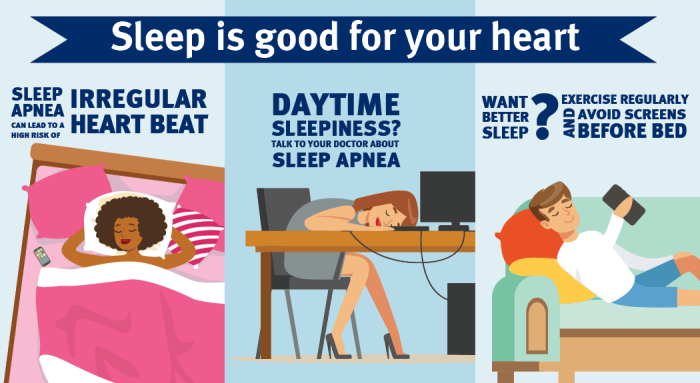
The Importance of Sleep in Cardiovascular Health
Sleep plays a crucial role in maintaining cardiovascular health. It is during sleep that the body repairs and rejuvenates itself, including the heart and blood vessels. Lack of adequate sleep can have detrimental effects on heart health and increase the risk of developing cardiovascular diseases.
Impact of Lack of Sleep on Heart Health
- Poor sleep habits can lead to high blood pressure, a major risk factor for heart disease.
- Insufficient sleep is associated with an increased risk of heart attack and stroke.
- Lack of sleep can disrupt the body’s natural processes, such as regulating blood sugar levels and inflammation, which are essential for heart health.
Relationship between Sleep Quality and Cardiovascular Disease Risk
- Studies have shown that poor sleep quality, characterized by frequent awakenings or inadequate deep sleep, is linked to a higher risk of cardiovascular diseases.
- Individuals with sleep disorders like sleep apnea have a higher likelihood of developing heart problems due to the repeated interruption of breathing during sleep.
- Improving sleep quality through lifestyle changes or medical interventions can help reduce the risk of cardiovascular issues and improve overall heart health.
Healthy Habits for Quality Sleep
Creating a sleep-friendly environment and establishing a consistent sleep schedule are crucial for improving sleep quality and overall cardiovascular health.
Tips for Creating a Sleep-Friendly Environment
- Avoid exposure to bright lights and electronics before bedtime to promote relaxation and signal your body that it’s time to sleep.
- Keep your bedroom cool, quiet, and dark to create an optimal sleeping environment.
- Invest in a comfortable mattress and pillows that support a good night’s sleep.
- Avoid consuming caffeine, heavy meals, and alcohol close to bedtime as they can disrupt your sleep quality.
The Importance of Establishing a Consistent Sleep Schedule
- Going to bed and waking up at the same time every day helps regulate your body’s internal clock, promoting better sleep quality.
- Consistency in your sleep schedule can improve the overall quality of your sleep and reduce the risk of cardiovascular issues.
- Irregular sleep patterns can lead to sleep deprivation, which may contribute to heart problems and other health issues in the long run.
Emotional Wellbeing and Sleep
Emotional wellbeing plays a crucial role in determining the quality of one’s sleep. Stress, anxiety, and other emotional factors can significantly impact sleep patterns, leading to difficulties falling asleep, staying asleep, or experiencing restful sleep.
Strategies to Manage Stress and Improve Sleep Quality
- Practice relaxation techniques such as deep breathing, progressive muscle relaxation, or guided imagery before bedtime to calm the mind and body.
- Engage in regular physical activity to reduce stress levels and promote better sleep.
- Establish a consistent bedtime routine and create a relaxing sleep environment free from distractions.
- Avoid caffeine, nicotine, and heavy meals close to bedtime to prevent disruptions in sleep patterns.
Impact of Mindfulness and Relaxation Techniques on Sleep and Cardiovascular Health
- Research has shown that mindfulness meditation can improve sleep quality by reducing rumination and promoting relaxation.
- Practicing relaxation techniques can help lower blood pressure, reduce inflammation, and improve overall cardiovascular health.
- Engaging in mindfulness practices regularly can also enhance emotional wellbeing, leading to better sleep and improved heart health.
- Establish a consistent sleep schedule by going to bed and waking up at the same time every day.
- Create a relaxing bedtime routine to signal to your body that it’s time to wind down.
- Avoid stimulants like caffeine and nicotine close to bedtime.
- Ensure your sleep environment is conducive to rest, with a comfortable mattress and pillows.
- Engage in regular physical activity during the day, but avoid vigorous exercise close to bedtime.
- Cardiovascular exercises such as running, cycling, or swimming can help regulate your sleep-wake cycle and promote deeper sleep.
- Strength training exercises like weightlifting or bodyweight exercises can also contribute to better sleep by reducing stress and anxiety levels.
- Yoga and stretching exercises are beneficial for relaxation and can help prepare your body for a restful night’s sleep.
- Regular physical activity can improve circulation, reduce inflammation, and lower the risk of heart disease, ultimately leading to better cardiovascular health.
- Exercise helps release endorphins, which can alleviate stress and anxiety, leading to improved sleep quality and duration.
- An active lifestyle can enhance the overall quality of life, promoting better sleep hygiene and supporting healthy aging.
- Untreated sleep disorders can lead to an increased risk of hypertension, heart disease, stroke, and other cardiovascular conditions.
- Diagnosing and treating sleep disorders is crucial in preventing these serious health issues and improving overall heart health.
- Individuals with sleep disorders are more likely to have irregular heart rhythms, which can be dangerous and potentially life-threatening.
- Establishing a consistent sleep schedule and creating a relaxing bedtime routine can help improve sleep quality and promote heart health.
- Practicing good sleep hygiene, such as keeping the bedroom dark, quiet, and cool, can enhance the quality of sleep and reduce the risk of cardiovascular problems.
- Engaging in regular physical activity and maintaining a healthy diet can also contribute to better sleep and improved cardiovascular health.
- Aim for 7-9 hours of quality sleep per night to support immune function.
- Establish a consistent sleep schedule by going to bed and waking up at the same time every day.
- Create a relaxing bedtime routine to signal to your body that it’s time to wind down and prepare for sleep.
- Avoid caffeine, alcohol, and heavy meals close to bedtime, as they can disrupt sleep quality.
- Keep your sleep environment dark, quiet, and cool to promote restful sleep.
- Practice mindfulness meditation to calm the mind and reduce stress levels before bedtime.
- Focus on your breath and bring your attention to the present moment to promote relaxation.
- Regular practice can help improve sleep quality and overall emotional wellbeing.
- Engage in progressive muscle relaxation by tensing and then releasing each muscle group in your body.
- This technique helps relieve physical tension and promotes a sense of relaxation, aiding in better sleep.
- Perform this practice before bedtime to unwind and prepare your body for rest.
- Practice deep breathing exercises to reduce stress and anxiety, allowing your body to enter a state of calmness.
- Inhale deeply through your nose, hold for a few seconds, and exhale slowly through your mouth.
- Repeat this process several times to relax your body and mind before sleep.
- Magnesium: Helps relax muscles and promote calmness, aiding in falling asleep faster.
- Melatonin: A hormone that regulates sleep-wake cycles, often taken as a supplement to improve sleep quality.
- Vitamin B6: Necessary for the production of neurotransmitters like serotonin, which helps regulate mood and sleep.
- Include a variety of fruits, vegetables, whole grains, lean proteins, and healthy fats in your meals.
- Avoid consuming caffeine, alcohol, and heavy meals close to bedtime, as they can disrupt sleep.
- Stay hydrated throughout the day but reduce fluid intake before bedtime to minimize nighttime awakenings.
- Consider incorporating foods rich in the above-mentioned nutrients that support better sleep, such as nuts, seeds, leafy greens, and fish.
Healthy Aging and Sleep Quality
Aging can significantly impact sleep patterns as individuals get older. Changes in circadian rhythms, increased prevalence of medical conditions, and alterations in sleep architecture can all contribute to sleep disturbances in older adults.
Tips for Improving Sleep Quality in Older Adults
Relationship Between Aging, Sleep, and Cardiovascular Health
As individuals age, the risk of cardiovascular disease increases, and poor sleep quality can further exacerbate this risk. Sleep disturbances have been linked to hypertension, arrhythmias, and other cardiovascular conditions. Therefore, prioritizing quality sleep in older adults is crucial for maintaining heart health and overall well-being.
Maintaining an Active Lifestyle for Better Sleep
Physical activity plays a crucial role in promoting better sleep quality and overall cardiovascular health. By incorporating regular exercise into your routine, you can experience improved sleep patterns and enhance your well-being.
Recommended Exercise Routines for Improving Sleep Quality
Benefits of an Active Lifestyle on Cardiovascular Health and Sleep Patterns
Cardiovascular Health and Sleep Disorders
Sleep disorders can have a significant impact on cardiovascular health, as they disrupt the body’s natural rhythms and processes. Common sleep disorders that can affect heart health include sleep apnea, insomnia, restless legs syndrome, and narcolepsy.
Importance of Diagnosing and Treating Sleep Disorders
Improving Sleep for Better Cardiovascular Health
Healthy Recipes for Promoting Sleep: The Role Of Sleep In Cardiovascular Health
The role of sleep in cardiovascular health – When it comes to improving sleep quality and cardiovascular health, the role of diet cannot be underestimated. Consuming nutritious foods can have a positive impact on your overall wellbeing, including promoting better sleep.
Warm Milk with Honey
One classic bedtime drink known for its sleep-inducing properties is a warm glass of milk with a hint of honey. Milk contains tryptophan, an amino acid that helps in the production of serotonin, a neurotransmitter that promotes relaxation. Honey can also aid in the release of melatonin, the hormone responsible for regulating sleep.
Oatmeal with Bananas
Starting your day with a hearty bowl of oatmeal topped with sliced bananas can also contribute to better sleep at night. Oats are rich in complex carbohydrates that can increase serotonin levels, while bananas are a good source of magnesium and potassium, which help relax muscles and nerves.
Herbal Tea Blend
Before bedtime, consider sipping on a calming herbal tea blend made with ingredients like chamomile, valerian root, or lavender. These herbs have natural sedative properties that can help you unwind and prepare for a restful night’s sleep.
Mental Resilience and Sleep Quality
Sleep quality and mental resilience are closely interconnected. When individuals have higher levels of mental resilience, they are better equipped to cope with stress, anxiety, and other mental health challenges that may disrupt sleep patterns. This ability to bounce back from adversity and maintain a positive mindset can significantly impact the quality of sleep a person gets each night.
Building Mental Resilience for Healthy Sleep Habits
Building mental resilience is essential for supporting healthy sleep habits. Strategies to enhance mental resilience include practicing mindfulness and meditation, engaging in regular physical activity, fostering social connections, and seeking professional help when needed. By developing coping mechanisms and stress management techniques, individuals can create a more balanced and positive mindset that promotes better sleep.
Impact of Resilient Mindset on Sleep and Cardiovascular Health
A resilient mindset not only improves sleep quality but also has a positive impact on cardiovascular health. Studies have shown that individuals with higher levels of mental resilience are less likely to experience sleep disturbances, which in turn can lower the risk of developing cardiovascular issues such as high blood pressure and heart disease. By cultivating mental resilience, individuals can create a strong foundation for overall health and well-being.
Immune Support Through Quality Sleep
Quality sleep plays a crucial role in supporting the immune system and overall health. Lack of sleep can weaken the immune response, making individuals more susceptible to infections and illnesses.
Sleep and Immune Function
During sleep, the body produces cytokines, a type of protein that helps the immune system respond to infections and inflammation. Adequate sleep promotes the production of these cytokines, enhancing the body’s ability to fight off pathogens.
Immune Support, Sleep Quality, and Cardiovascular Health, The role of sleep in cardiovascular health
Poor sleep quality is associated with increased inflammation in the body, which can negatively impact cardiovascular health. By prioritizing quality sleep, individuals can support their immune system, reduce inflammation, and lower the risk of heart disease and other cardiovascular conditions.
Tips for Optimizing Sleep for Immune Support
Stress Relief Techniques for Better Sleep
When it comes to improving sleep quality, effective stress relief techniques play a crucial role. Stress can have a significant impact on both sleep patterns and heart health, making it essential to incorporate relaxation methods into your routine for better sleep and cardiovascular wellbeing.
Mindfulness Meditation
Progressive Muscle Relaxation
Deep Breathing Exercises
Achieving Nutritional Balance for Quality Sleep
Ensuring a balanced diet is crucial for promoting quality sleep and overall cardiovascular health. The nutrients we consume play a significant role in regulating our sleep patterns and supporting optimal heart function.
Role of Specific Nutrients in Promoting Better Sleep
Specific nutrients can directly impact our sleep quality by influencing neurotransmitters and hormones that regulate our sleep-wake cycle. Some key nutrients that promote better sleep include:
Tips for Maintaining a Balanced Diet for Healthy Sleep
Adopting a diet rich in essential nutrients can significantly improve sleep quality and support cardiovascular health. Here are some tips for maintaining a balanced diet:
FAQ Resource
How does lack of sleep affect cardiovascular health?
Lack of sleep can lead to increased risk of heart disease, high blood pressure, and other cardiovascular issues.
What are some tips for improving sleep quality?
Creating a sleep-friendly environment, maintaining a consistent sleep schedule, and incorporating relaxation techniques can help improve sleep quality.
Can emotional wellbeing impact sleep patterns?
Yes, emotional wellbeing plays a significant role in sleep patterns. Stress management and mindfulness practices can help improve sleep.
How does physical activity relate to better sleep?
Regular physical activity can promote better sleep by helping regulate sleep patterns and improving overall health.