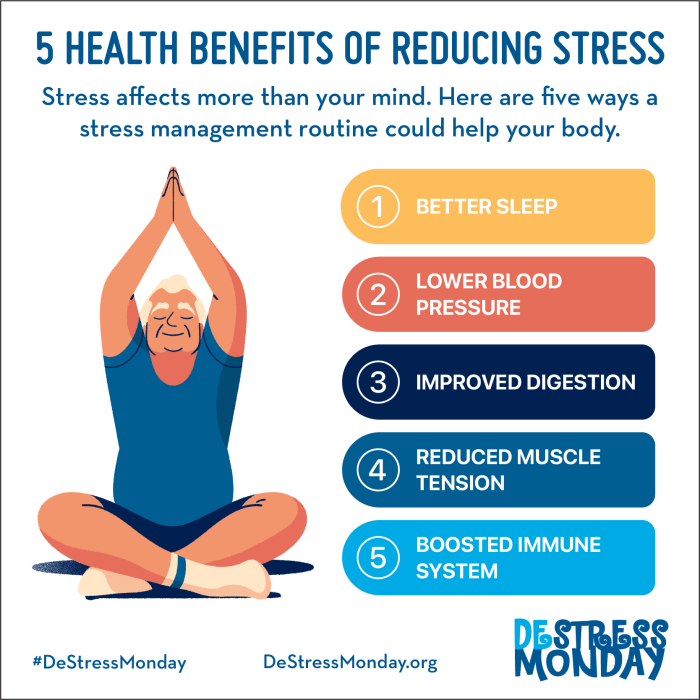
Stress relief benefits of regular exercise

Stress relief benefits of regular exercise

Healthy Habits

Regular exercise plays a crucial role in establishing healthy habits that can significantly improve overall well-being. By incorporating simple healthy habits into your routine, you can enhance the benefits of exercise and promote a healthier lifestyle.

Examples of Simple Healthy Habits

  • Drinking an adequate amount of water throughout the day to stay hydrated.
  • Eating a balanced diet rich in fruits, vegetables, lean proteins, and whole grains.
  • Getting enough quality sleep each night to allow your body to rest and recover.
  • Taking short breaks to stretch and move around if you have a sedentary job.
  • Practicing mindfulness or meditation to reduce stress and improve mental well-being.

Tips for Staying Motivated

  • Set specific, achievable goals for both exercise and healthy habits to track your progress.
  • Find a workout buddy or join a fitness class to stay accountable and motivated.
  • Reward yourself for reaching milestones in your fitness journey and healthy habit goals.
  • Mix up your exercise routine and healthy habits to prevent boredom and stay engaged.
  • Visualize the long-term benefits of maintaining healthy habits alongside regular exercise to stay motivated.

Emotional Wellbeing

Regular exercise plays a crucial role in improving emotional wellbeing by positively impacting mental health. It is closely linked to reducing stress, anxiety, and depression while promoting a sense of overall well-being.

Connection Between Physical Activity and Emotional Health

Exercise triggers the release of endorphins, often referred to as “feel-good hormones,” which help alleviate stress and boost mood. Physical activity also reduces levels of cortisol, the stress hormone, leading to a decrease in feelings of anxiety and tension. Additionally, engaging in exercise can improve self-esteem and confidence, providing a sense of accomplishment and empowerment.

  • Incorporating aerobic exercises such as running, swimming, or cycling into your routine can help regulate mood and reduce symptoms of anxiety and depression.
  • Participating in strength training activities like weightlifting or bodyweight exercises can enhance self-image and body confidence, contributing to better emotional well-being.
  • Mind-body exercises such as yoga, tai chi, or Pilates promote relaxation, mindfulness, and stress reduction, fostering a harmonious balance between the mind and body.

Healthy Aging

Regular exercise plays a crucial role in promoting healthy aging by maintaining physical and mental well-being as we grow older. Consistent physical activity can help seniors stay mobile, strong, and independent, reducing the risk of age-related health issues.

Benefits of Regular Exercise for Healthy Aging

  • Improves cardiovascular health: Aerobic exercises like walking, swimming, or cycling can strengthen the heart and improve circulation, reducing the risk of heart disease and stroke.
  • Enhances muscle strength and flexibility: Strength training exercises such as weight lifting or bodyweight exercises help maintain muscle mass, bone density, and flexibility, reducing the risk of falls and fractures.
  • Promotes mental well-being: Physical activity releases endorphins that boost mood, reduce stress, and improve cognitive function, helping to prevent cognitive decline and dementia.
  • Supports overall quality of life: Regular exercise can increase energy levels, enhance sleep quality, and boost immunity, leading to a better quality of life in older adults.

Active Lifestyle

Regular exercise is a key component of maintaining an active lifestyle. It not only helps improve physical health but also contributes to overall well-being. Incorporating various activities beyond traditional workouts can further enhance the benefits of an active lifestyle.

Examples of Activities

  • Walking or biking to work instead of driving
  • Taking the stairs instead of the elevator
  • Gardening or doing yard work
  • Dancing or participating in group fitness classes
  • Playing recreational sports or engaging in outdoor activities

Integration of Movement

  • Schedule regular breaks during work to stretch or take a short walk
  • Use a standing desk or balance ball chair to promote active sitting
  • Set reminders to get up and move every hour
  • Involve friends or family in physical activities for added motivation
  • Choose active hobbies like swimming, hiking, or kayaking to stay fit and engaged

Cardiovascular Health

Stress relief benefits of regular exercise
Regular exercise plays a crucial role in maintaining good cardiovascular health. By engaging in physical activities, individuals can strengthen their heart and improve overall cardiovascular function.

Benefits of Different Types of Exercises

  • Aerobic exercises such as running, swimming, and cycling help in increasing heart rate, improving circulation, and boosting overall heart health.
  • Strength training exercises like weight lifting can also benefit the heart by reducing blood pressure and enhancing cardiovascular endurance.
  • Flexibility exercises such as yoga and stretching contribute to better circulation and help in preventing heart-related issues.

Prevention of Heart Diseases

Regular exercise can significantly lower the risk of developing heart diseases by reducing cholesterol levels, controlling blood sugar, and maintaining a healthy weight. It also helps in managing stress, which is a known risk factor for heart problems.

Improvement in Cardiovascular Function

By engaging in physical activities, individuals can strengthen their heart muscles, improve blood flow, and enhance the efficiency of the cardiovascular system. This leads to better oxygen delivery to tissues and organs, overall improving heart function and reducing the likelihood of cardiovascular issues.

Healthy Recipes: Stress Relief Benefits Of Regular Exercise

Stress relief benefits of regular exercise – When it comes to complementing a regular exercise routine, maintaining a balanced diet is crucial. Fueling your body with nutritious meals can help optimize your energy levels and performance during workouts.

Nutritious Pre-Workout Meals

  • Avocado toast with a poached egg
  • Greek yogurt with berries and a sprinkle of granola
  • Whole grain toast with almond butter and banana slices

Energizing Post-Workout Snacks

  • Protein smoothie with spinach, banana, and protein powder
  • Rice cakes with hummus and cucumber slices
  • Grilled chicken and vegetable skewers

Mental Resilience

Regular exercise not only benefits physical health but also plays a significant role in enhancing mental resilience. By engaging in physical activity, individuals can develop coping mechanisms and improve their ability to bounce back from challenges.

Enhanced Coping Mechanisms

Regular exercise has been shown to reduce symptoms of anxiety and depression, which are common barriers to resilience. Physical activity stimulates the release of endorphins, also known as “feel-good” hormones, which can elevate mood and reduce stress levels. This positive impact on mental health can help individuals cope better with adversity and setbacks.

Psychological Benefits

In addition to the physiological effects, the psychological benefits of exercise are crucial for building mental strength. By setting and achieving fitness goals, individuals can boost their self-esteem and confidence. This sense of accomplishment can translate to other areas of life, providing a foundation for resilience in the face of challenges.

Strategies for Building Resilience

Exercise can be used as a tool to overcome challenges and build resilience by incorporating specific strategies into your routine. Setting realistic fitness goals, maintaining a consistent exercise schedule, and seeking support from workout buddies or fitness communities can all contribute to mental resilience. Additionally, practicing mindfulness during physical activity can help individuals stay present and focused, enhancing their ability to navigate stressors effectively.

Immune Support

Regular exercise plays a crucial role in supporting the immune system. By engaging in physical activity, individuals can strengthen their immunity and reduce the risk of infections.

Benefits of Exercise for Immune Health

Regular physical activity helps to boost the immune system by promoting good circulation, which allows immune cells to move freely throughout the body. Exercise also triggers the release of endorphins, which can help reduce stress levels and improve overall immune function.

  • Physical activity can enhance the production of antibodies and white blood cells, which are essential components of the immune system.
  • Exercise can also improve the body’s ability to fight off infections by increasing circulation and promoting the elimination of toxins through sweat.
  • Optimal frequency and intensity of exercise for immune health benefits typically involve moderate-intensity activities like brisk walking, jogging, or cycling for at least 30 minutes most days of the week.

Stress Relief

Regular exercise is a powerful tool in managing and reducing stress levels. When incorporated into a daily routine, exercise can have numerous benefits for both the body and the mind.

Exercise helps reduce stress by stimulating the production of endorphins, which are chemicals in the brain that act as natural painkillers and mood elevators. These endorphins help to improve mood, reduce anxiety, and promote a sense of well-being. Additionally, exercise can help distract the mind from stressful thoughts and increase feelings of relaxation.

Physiological Mechanisms behind Stress Reduction

  • Exercise triggers the release of endorphins, which are known to reduce stress and improve mood.
  • Physical activity can help regulate stress hormones such as cortisol, leading to a decrease in stress levels.
  • Regular exercise promotes better sleep patterns, which are essential for managing stress and improving overall well-being.

Effective Exercises for Stress Relief

  • Aerobic Exercise: Activities like running, swimming, or cycling can help release tension and reduce stress levels.
  • Yoga and Pilates: These mind-body exercises focus on breathing techniques and relaxation, promoting stress relief and mindfulness.
  • Strength Training: Lifting weights or doing bodyweight exercises can help release pent-up energy and reduce feelings of stress.

Nutritional Balance

Maintaining a nutritional balance is essential when paired with regular exercise to support overall health and wellbeing. Diet and exercise go hand in hand, working together to help us achieve optimal health and fitness levels. By focusing on creating a balanced meal plan that complements an active lifestyle, we can maximize the benefits of our physical activities and nourish our bodies properly.

The Role of Nutrition in Physical Health, Stress relief benefits of regular exercise

Nutrition plays a crucial role in supporting our physical health and performance. A well-rounded diet provides the necessary nutrients, vitamins, and minerals needed for energy, muscle recovery, and overall wellness. When combined with regular exercise, a balanced diet can enhance the effectiveness of our workouts, improve endurance, and promote faster recovery.

  • Include a variety of fruits, vegetables, whole grains, lean proteins, and healthy fats in your meals to ensure you’re getting a wide range of nutrients.
  • Stay hydrated by drinking an adequate amount of water throughout the day to support digestion, nutrient absorption, and overall health.
  • Avoid processed foods, sugary drinks, and excessive amounts of unhealthy fats to maintain a balanced diet that supports your fitness goals.
  • Plan your meals ahead of time to ensure you have nutritious options available, especially on busy days when it’s easy to reach for convenience foods.

Questions Often Asked

How can regular exercise help in reducing stress levels?

Regular exercise helps in reducing stress by releasing endorphins, which are natural mood lifters, and promoting better sleep, both of which are essential for stress management.

What are some simple healthy habits that can complement a regular exercise routine?

Simple healthy habits like staying hydrated, getting enough sleep, and maintaining a balanced diet can complement a regular exercise routine and enhance its benefits.

Can exercise really improve emotional wellbeing?

Yes, exercise has been shown to improve emotional wellbeing by reducing symptoms of anxiety and depression, boosting self-esteem, and promoting better overall mental health.

How does physical activity contribute to healthy aging?

Physical activity helps in promoting healthy aging by maintaining muscle mass, bone density, and overall mobility, reducing the risk of age-related health issues and enhancing quality of life as you age.

What types of exercises are particularly effective in relieving stress?

Exercises like yoga, meditation, and aerobic activities have been found to be particularly effective in relieving stress due to their focus on relaxation, mindfulness, and physical movement.
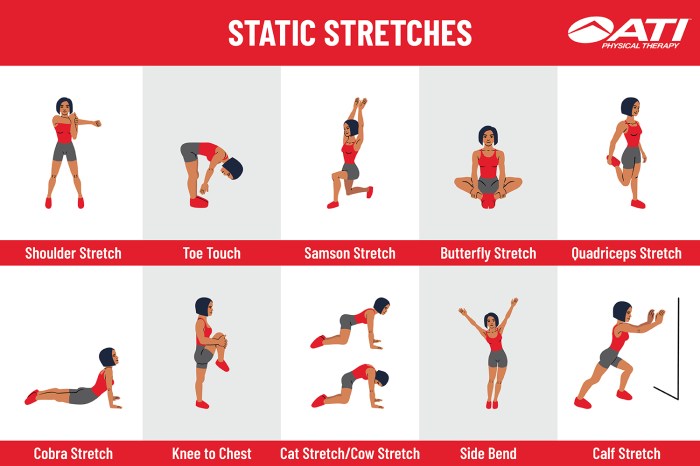
Effective stretching routines for active people: Enhance your flexibility and well-being

Effective stretching routines for active people

Healthy Habits

Effective stretching routines for active people – Incorporating stretching into daily routines is crucial for active individuals as it helps in improving flexibility, reducing the risk of injuries, and enhancing overall performance.

Examples of Other Healthy Habits

  • Eating a balanced diet rich in nutrients to fuel the body for physical activities.
  • Staying hydrated by drinking an adequate amount of water throughout the day.
  • Getting sufficient rest and sleep to allow the body to recover and repair muscles.
  • Engaging in regular cardiovascular exercises to improve heart health and endurance.

Benefits of Stretching Compared to Other Healthy Habits

Stretching not only improves flexibility and reduces muscle tension but also aids in better circulation, posture, and stress relief. While other healthy habits like eating well and staying hydrated are important, incorporating a regular stretching routine can provide immediate benefits for overall well-being and performance.

Emotional Wellbeing

Stretching routines not only benefit physical health but also play a crucial role in improving emotional wellbeing. Regular stretching can positively impact emotional health by reducing stress, anxiety, and depression. It helps to release tension in the muscles and promotes relaxation, leading to an overall sense of calmness and well-being.

Combining Mindfulness with Stretching

Practicing mindfulness while stretching can further enhance the emotional benefits of the routine. By focusing on the present moment and being aware of sensations in the body during stretching, individuals can cultivate a greater sense of mindfulness. This practice can help in reducing negative thought patterns, increasing self-awareness, and improving emotional resilience.

Physical Flexibility and Mental Resilience

There is a strong connection between physical flexibility and mental resilience. When the body is flexible, it can adapt to various physical and emotional stressors more effectively. Improved flexibility in the body can translate to increased adaptability and resilience in facing challenges and setbacks in life. By incorporating stretching routines into a regular wellness routine, individuals can build both physical and mental strength to navigate the ups and downs of life with greater ease.

Healthy Aging

Regular stretching plays a crucial role in maintaining mobility and flexibility as people age. As we grow older, our muscles tend to lose elasticity and joint mobility decreases, leading to stiffness and reduced range of motion. By incorporating stretching exercises into daily routines, older adults can improve flexibility, enhance circulation, and reduce the risk of injuries.

Adapting Stretching Routines for Older Adults

  • Start with gentle warm-up exercises to prepare the muscles and joints for stretching.
  • Focus on dynamic stretches that involve controlled movements to help improve flexibility without causing strain.
  • Modify stretching exercises to accommodate any physical limitations or health conditions, such as arthritis or osteoporosis.
  • Hold each stretch for 15-30 seconds to allow the muscles to relax and elongate gradually.
  • Encourage older adults to listen to their bodies and avoid overstretching to prevent injuries.

Preventing Age-Related Muscle Stiffness and Joint Pain

  • Regular stretching helps maintain muscle tone and flexibility, reducing the risk of muscle stiffness and joint pain.
  • Stretching improves blood circulation, which can help alleviate joint discomfort and promote overall joint health.
  • Incorporating a variety of stretching exercises targeting different muscle groups can help prevent imbalances and promote better posture.
  • Consistent stretching routines can also aid in stress relief and improve overall quality of life for older adults.

Active Lifestyle

Stretching plays a crucial role in enhancing performance for individuals leading an active lifestyle. It helps improve flexibility, range of motion, and overall muscle function, which are essential for various physical activities.

Stretching Exercises for Different Workouts

  • For Cardiovascular Workouts: Dynamic stretches like leg swings, arm circles, and high knees can help warm up the muscles and prepare the body for activities like running or cycling.
  • For Strength Training: Static stretches targeting major muscle groups such as hamstrings, quadriceps, and calves can help improve muscle flexibility and prevent injuries during weightlifting or resistance training.
  • For Yoga or Pilates: Incorporating both dynamic and static stretches focusing on core strength and balance can enhance performance in these mind-body exercises.

Importance of Dynamic Stretching

Dynamic stretching involves moving parts of your body and gradually increasing reach and speed of movement. It is particularly beneficial for active individuals as it helps improve muscle elasticity, coordination, and blood flow, preparing the body for the demands of physical activities.

Cardiovascular Health

Stretching routines play a crucial role in maintaining cardiovascular health by improving circulation, reducing the risk of heart disease, and enhancing overall heart function. When combined with aerobic exercises, stretching can offer optimal benefits for heart health.

Examples of Stretching Exercises for Heart Health

  • Arm circles: Stand with your arms extended to the sides and make circular motions with your arms, gradually increasing the size of the circles.
  • Leg swings: Hold onto a stable surface and swing one leg forward and backward, then switch to the other leg.
  • Torso twists: Sit on the floor with your legs extended, twist your torso to one side, hold, then switch to the other side.

Stretching Complementing Aerobic Exercises, Effective stretching routines for active people

Stretching before and after aerobic exercises helps warm up the muscles, improve flexibility, and enhance blood flow to the heart. This combination prepares the body for cardiovascular activities, reduces the risk of injury, and promotes better overall heart health.

Healthy Recipes

Effective stretching routines for active people
Incorporating nutritious recipes into your diet can significantly support muscle recovery and flexibility, especially for individuals following a stretching routine. Hydration and proper nutrition play a crucial role in maximizing the benefits of stretching, making it essential to fuel your body with the right nutrients. Here are some meal ideas that can enhance the effectiveness of your stretching routines:

Post-Workout Smoothie

  • Ingredients:
    • 1 banana
    • 1 cup of spinach
    • 1/2 cup of Greek yogurt
    • 1 tablespoon of chia seeds
    • 1/2 cup of almond milk
  • Directions:
    • Blend all the ingredients together until smooth.
    • Enjoy this protein-packed smoothie after your stretching routine to replenish your muscles.

Quinoa Salad with Grilled Chicken

  • Ingredients:
    • 1 cup of cooked quinoa
    • Grilled chicken breast, sliced
    • Cherry tomatoes, halved
    • Cucumber, diced
    • Feta cheese crumbles
    • Lemon vinaigrette dressing
  • Directions:
    • Combine quinoa, grilled chicken, cherry tomatoes, cucumber, and feta cheese in a bowl.
    • Drizzle with lemon vinaigrette dressing and toss to combine.
    • This protein-rich salad is perfect for refueling your body after a stretching session.

Mental Resilience: Effective Stretching Routines For Active People

Stretching routines are not only beneficial for physical health but also play a significant role in enhancing mental resilience. By incorporating relaxation techniques into your stretching sessions, you can effectively manage stress and improve your overall mental well-being. Consistency in maintaining a stretching routine can also provide psychological benefits that contribute to building resilience in facing life’s challenges.

Relaxation Techniques for Improved Mental Well-being

  • Deep Breathing: Incorporate deep breathing exercises into your stretching routine to promote relaxation and reduce stress levels.
  • Mindfulness Meditation: Practice mindfulness meditation while stretching to increase self-awareness and focus on the present moment, fostering a sense of calmness.
  • Progressive Muscle Relaxation: Combine progressive muscle relaxation techniques with stretching to release tension in the body and promote relaxation.

Psychological Benefits of Consistency in Stretching Routine

  • Stress Management: Regular stretching helps in releasing endorphins, which are known as the body’s natural stress relievers, leading to better stress management.
  • Enhanced Focus: Consistent stretching routines can improve concentration and mental clarity, allowing you to tackle tasks with a clear mind.
  • Emotional Well-being: By establishing a routine and sticking to it, you create a sense of stability and accomplishment, positively impacting your emotional well-being.

Immune Support

Regular stretching not only benefits your physical health but also plays a crucial role in supporting your immune system. Let’s explore how incorporating stretching routines into your daily life can help boost your immune function.

Reducing Inflammation and Supporting Immune Health

Stretching has been shown to help reduce inflammation in the body, which is essential for supporting a strong immune system. By promoting blood circulation and oxygen flow to the muscles, stretching can help prevent chronic inflammation that may weaken the immune response. Additionally, stretching helps improve lymphatic circulation, which is crucial for removing toxins and waste from the body, ultimately supporting immune function.

Stress Relief and Immune Health

Stress is known to weaken the immune system, making us more susceptible to illnesses. Regular stretching can help alleviate stress by releasing tension in the muscles and promoting relaxation. When we are less stressed, our immune system functions more effectively, as chronic stress can suppress immune responses. Incorporating stretching into your routine can be a powerful tool in boosting your overall immune health and resilience.

Stress Relief

Stretching is not only beneficial for physical health but also plays a significant role in relieving stress and tension in the body. When we experience stress, our muscles tend to tighten up, leading to discomfort and decreased flexibility. Stretching helps to counteract this by releasing tension in the muscles and promoting relaxation throughout the body.

Mechanisms for Stress Relief

  • Stretching increases blood flow to the muscles, which can help reduce feelings of stress and anxiety.
  • By focusing on the body’s movements and sensations during stretching, individuals can practice mindfulness, which is a key component in stress management.
  • Stretching releases endorphins, also known as “feel-good” hormones, which can elevate mood and reduce stress levels.

Effective Stretching Exercises for Stress Relief

  • Neck Rolls: Slowly roll your head in a circular motion, stretching the neck muscles and relieving tension.
  • Forward Fold: Bend at the waist and reach towards your toes, stretching the hamstrings and calming the mind.
  • Child’s Pose: Sit back on your heels and reach your arms forward, stretching the back and promoting relaxation.

Importance of Deep Breathing and Mindfulness

  • Deep breathing during stretching helps to oxygenate the body, promoting a sense of calm and reducing stress levels.
  • Practicing mindfulness while stretching involves being fully present in the moment, focusing on the sensations in the body, and letting go of stress-inducing thoughts.
  • Combining deep breathing and mindfulness with stretching can enhance the overall stress-relieving benefits and promote a sense of well-being.

Nutritional Balance

Maintaining a balanced diet is crucial in supporting the effectiveness of stretching routines for active individuals. Proper nutrition provides the body with essential nutrients needed for muscle recovery, flexibility, and overall health.

Essential Nutrients for Muscle Recovery and Flexibility

  • Protein: Helps repair and build muscle tissue, essential for muscle recovery after workouts.
  • Omega-3 fatty acids: Reduce inflammation, improve joint flexibility, and support overall muscle health.
  • Vitamin D: Supports muscle function and helps prevent muscle weakness and fatigue.
  • Magnesium: Important for muscle relaxation, which can enhance flexibility and reduce muscle cramps.
  • Antioxidants (Vitamin C, Vitamin E): Help reduce muscle soreness and inflammation, promoting faster recovery.

Optimizing Benefits of Stretching with Nutritional Balance

Consuming a well-balanced diet rich in lean proteins, healthy fats, complex carbohydrates, vitamins, and minerals can optimize the benefits of stretching for active individuals. Adequate hydration is also essential for maintaining muscle flexibility and preventing injuries during physical activity. By fueling the body with the right nutrients, individuals can improve muscle recovery, enhance flexibility, and support overall performance and well-being.

FAQ

How often should I stretch as an active person?

It’s recommended to stretch at least 2-3 times a week to maintain flexibility and prevent injuries.

Can stretching really improve emotional well-being?

Absolutely, stretching helps release tension, which can positively impact your mood and reduce stress levels.

Is there a specific time of day that’s best for stretching?

While mornings can be great for energizing stretches, any time that fits your schedule is beneficial.