Best Nutritional Balance Tips for Busy Lifestyles

Best nutritional balance tips for busy lifestyles and on-the-go eating

Best Nutritional Balance Tips for Busy Lifestyles and On-the-Go Eating – Navigating a busy life often means sacrificing healthy eating habits. But, it doesn’t have to be a struggle! This guide provides practical tips and strategies to help you maintain a balanced diet even when you’re on the go.

We’ll explore the importance of nutrient density, efficient meal planning, smart snacking, and more, empowering you to fuel your body with the nutrients it needs to thrive.

From understanding your unique nutritional needs to navigating the challenges of eating out, we’ll cover a range of topics designed to make healthy eating a sustainable part of your busy lifestyle. We’ll also delve into the impact of stress and sleep on your nutritional choices, providing valuable insights and actionable strategies to support your overall well-being.

Understanding Nutritional Needs for Busy Lifestyles: Best Nutritional Balance Tips For Busy Lifestyles And On-the-go Eating

Juggling work, family, and social commitments can make it challenging to prioritize healthy eating habits. A busy lifestyle often leads to skipping meals, relying on processed foods, and making impulsive food choices that may not be nutritionally balanced. However, prioritizing good nutrition is essential for maintaining energy levels, boosting immunity, and promoting overall well-being.

Nutrient Density in Food Choices

Nutrient density refers to the amount of nutrients per calorie in a food. When you’re on the go, choosing nutrient-dense foods can help you get the most nutritional value from your meals and snacks, even if you’re limited on time.

  • Opt for foods rich in vitamins, minerals, fiber, and protein, which provide sustained energy and support various bodily functions.
  • Prioritize whole, unprocessed foods over processed options that are often high in calories, sugar, and unhealthy fats.
  • Choose foods with natural flavors instead of those with added sugars, artificial sweeteners, or flavor enhancers.

Examples of Nutrient-Rich Snacks and Meals

Here are some examples of nutrient-rich snacks and meals that are convenient for busy individuals:

    • Snacks:
      • A handful of almonds or walnuts provide healthy fats, protein, and fiber.
      • A piece of fruit, like an apple or banana, offers essential vitamins, minerals, and fiber.
      • Greek yogurt with berries provides protein, calcium, and antioxidants.
      • Hard-boiled eggs are a great source of protein and healthy fats.
    • Meals:
      • A salad with grilled chicken or fish, quinoa, and vegetables provides protein, fiber, and essential nutrients.
      • A lentil soup with whole-grain bread is a hearty and nutritious option packed with protein, fiber, and vitamins.
      • A whole-wheat wrap with hummus, vegetables, and grilled chicken or tofu is a quick and easy meal that provides protein, fiber, and healthy fats.

Meal Planning and Preparation Strategies

Meal planning and preparation are essential for navigating a busy lifestyle while maintaining a healthy diet. By taking the time to plan ahead, you can save time, money, and make healthier choices.

Sample Meal Plan for a Busy Week

A sample meal plan can help you visualize how to incorporate healthy and convenient options into your week. Here’s an example for a busy individual:

Monday

Breakfast

Overnight oats with berries and nuts

Lunch

Leftover chicken salad sandwich on whole-wheat bread with a side of fruit

Dinner

Lentil soup with whole-wheat bread

Tuesday

Breakfast

Smoothie with protein powder, spinach, and banana

Lunch

Salad with grilled chicken or tofu, mixed greens, and a light vinaigrette

Dinner

Salmon with roasted vegetables

Wednesday

Breakfast

Greek yogurt with granola and fruit

Lunch

Leftover salmon with roasted vegetables

Dinner

Vegetable stir-fry with brown rice

Thursday

Breakfast

Eggs with whole-wheat toast and avocado

Lunch

Quinoa salad with chickpeas, bell peppers, and feta cheese

Dinner

Chicken and vegetable skewers with a side of quinoa

Friday

Breakfast

Oatmeal with fruit and nuts

Lunch

Leftover chicken and vegetable skewers

Dinner

Pizza with whole-wheat crust, vegetables, and lean protein

Saturday

Breakfast

Pancakes with fruit and syrup

Lunch

Leftover pizza

Dinner

Out to dinner with friends or family

Sunday

Breakfast

Eggs with whole-wheat toast and avocado

Lunch

Leftover chicken and vegetable skewers

Dinner

Roasted chicken with roasted vegetables

Tips for Efficient Meal Preparation

Efficient meal preparation strategies can save you time and effort in the kitchen. Here are some tips:* Batch cooking:Cook large quantities of food at once and freeze portions for later use. This is a great way to save time on weeknights.

Meal prepping

Set aside time on the weekend to prepare meals for the week ahead. This could involve chopping vegetables, cooking grains, or assembling salads.

Use a slow cooker

Slow cookers are great for making meals that require minimal effort. Simply throw in your ingredients and let the slow cooker do the work.

Plan ahead

Take a few minutes each week to plan your meals and make a grocery list. This will help you stay organized and avoid impulse purchases.

Benefits of Using Meal Delivery Services

Meal delivery services can be a convenient option for busy individuals. Here are some benefits:* Convenience:Meal delivery services take the hassle out of meal planning and preparation. They deliver pre-portioned meals directly to your door.

Healthy options

Many meal delivery services offer healthy and nutritious meal options. They can help you eat more fruits, vegetables, and whole grains.

Variety

Meal delivery services often offer a variety of meal options, so you can choose something different every day.

Snacking Smartly on the Go

Snacking is a crucial part of maintaining energy levels and staying on track with your nutritional goals, especially when you’re leading a busy lifestyle. Making smart choices about your snacks can help you avoid energy crashes, curb cravings, and keep your body fueled throughout the day.

Importance of Balanced Snacking

Choosing snacks that provide a balance of protein, carbohydrates, and healthy fats is essential for sustained energy and optimal nutrition. Protein helps keep you feeling full and satisfied, while carbohydrates provide quick energy. Healthy fats, like those found in nuts and seeds, promote satiety and support brain function.

Healthy and Portable Snacks

Here are some healthy and portable snack options that can provide sustained energy and keep you feeling satisfied:

      • Trail Mix:A mix of nuts, seeds, dried fruit, and dark chocolate offers a good balance of protein, carbohydrates, and healthy fats.
      • Hard-Boiled Eggs:A great source of protein and essential nutrients, hard-boiled eggs are easy to pack and eat on the go.
      • Greek Yogurt with Berries:Greek yogurt provides protein and calcium, while berries offer fiber and antioxidants.
      • Fruit and Nut Butter:Apples, bananas, or pears paired with almond butter or peanut butter offer a satisfying combination of carbohydrates, protein, and healthy fats.
      • Whole-Grain Crackers with Cheese:Whole-grain crackers provide fiber, while cheese offers protein and calcium.
      • Energy Bars:Choose energy bars that are low in sugar and high in protein and fiber.
      • Hummus and Veggie Sticks:Hummus is a great source of protein and healthy fats, while veggie sticks provide fiber and vitamins.
      • Popcorn:Air-popped popcorn is a low-calorie snack that is high in fiber.
      • Smoothies:Blend together fruits, vegetables, yogurt, and protein powder for a quick and nutritious snack.

Hydration for Optimal Functioning

Best nutritional balance tips for busy lifestyles and on-the-go eating

Water is essential for life and plays a vital role in numerous bodily functions. Staying hydrated is crucial for maintaining overall health and well-being, especially when leading a busy lifestyle.

Importance of Hydration

Adequate hydration is essential for various bodily functions, including:* Regulating Body Temperature:Water helps regulate body temperature by absorbing and releasing heat.

Transporting Nutrients and Oxygen

Water acts as a solvent, carrying nutrients and oxygen to cells throughout the body.

Flushing Out Waste Products

Water helps remove waste products from the body through urine and sweat.

Maintaining Joint Lubrication

Water helps lubricate joints, reducing friction and preventing pain.

Protecting Organs and Tissues

Water cushions and protects organs and tissues from damage.

Tips for Staying Hydrated Throughout the Day

Staying hydrated throughout the day, especially when on the go, can be challenging. Here are some tips to help you maintain adequate hydration:* Carry a Water Bottle:Keep a reusable water bottle with you at all times and refill it throughout the day.

Drink Water Before, During, and After Exercise

Water loss through sweat is increased during exercise, so it’s essential to stay hydrated before, during, and after workouts.

Choose Water Over Sugary Beverages

Opt for water over sugary drinks like soda and juice, which can dehydrate you and contribute to weight gain.

Eat Fruits and Vegetables with High Water Content

Fruits and vegetables like watermelon, cucumbers, and spinach are rich in water and can contribute to your daily hydration needs.

Monitor Your Urine Color

Pale yellow urine is a sign of good hydration, while dark yellow urine indicates dehydration.

Listen to Your Body

Pay attention to your thirst cues and drink water whenever you feel thirsty.

Benefits of Drinking Water Over Sugary Beverages

Drinking water offers numerous benefits over sugary beverages:* Weight Management:Sugary drinks are high in calories and contribute to weight gain. Water, on the other hand, is calorie-free.

Improved Blood Sugar Control

Sugary drinks can spike blood sugar levels, while water does not affect blood sugar.

Reduced Risk of Chronic Diseases

Sugary drinks have been linked to an increased risk of chronic diseases like type 2 diabetes, heart disease, and some types of cancer.

Improved Skin Health

Water helps keep skin hydrated and radiant.

Eating Out Wisely

Eating out is a common part of modern life, but it can be challenging to make healthy choices when surrounded by tempting and often unhealthy options. However, with a little planning and awareness, you can enjoy dining out without compromising your nutritional goals.

Identifying Healthy Options on Menus

Navigating restaurant menus to find healthy choices can be overwhelming. Here are some strategies to help you make informed decisions:

      • Look for dishes that are grilled, baked, or steamed, as these cooking methods generally use less fat and calories than frying.
      • Choose lean protein sources such as fish, chicken breast, or tofu, and avoid dishes that are breaded or fried.
      • Opt for salads with grilled protein or lean meats, and request dressing on the side to control portion sizes.
      • Explore vegetarian or vegan options, which often feature fresh vegetables and healthy grains.
      • Check for menus that highlight nutritional information, such as calorie counts and ingredients lists, to make informed choices.

Negotiating with Restaurants for Healthier Meals

Many restaurants are willing to accommodate dietary restrictions and preferences. Here are some tips for negotiating with restaurants to customize dishes for a healthier meal:

      • Don’t be afraid to ask questions about ingredients and preparation methods.
      • Request substitutions, such as swapping fried foods for grilled options or substituting regular pasta for whole-grain pasta.
      • Ask for sauces and dressings on the side to control portion sizes.
      • Be polite and respectful when communicating your requests.
      • If a restaurant is unable to accommodate your needs, don’t hesitate to choose a different establishment.

Tips for Making Healthy Choices When Dining Out, Best nutritional balance tips for busy lifestyles and on-the-go eating

Here are some additional tips for making healthy choices when dining out:

      • Start your meal with a salad or soup to fill you up and reduce your overall calorie intake.
      • Order appetizers to share, which can help you control portion sizes.
      • Avoid sugary drinks and opt for water, unsweetened tea, or sparkling water with a squeeze of lemon.
      • Be mindful of portion sizes and don’t feel pressured to finish everything on your plate.
      • If you’re unsure about a dish, ask your server for recommendations or nutritional information.

Stress Management and Its Impact on Nutrition

Stress is an inevitable part of life, but it can significantly impact our eating habits and overall well-being. When we’re stressed, our bodies release hormones like cortisol, which can trigger cravings for unhealthy foods high in sugar, fat, and salt.

These cravings can lead to overeating, poor nutritional choices, and ultimately, negative health consequences.

The Connection Between Stress and Unhealthy Eating Habits

Stress can lead to a variety of unhealthy eating habits. For example, some people may turn to comfort foods high in calories and fat to cope with stress, while others may skip meals altogether due to feeling overwhelmed or exhausted.

Stress can also disrupt our sleep patterns, leading to fatigue and increased cravings for sugary and processed foods.

Strategies for Managing Stress and Maintaining a Healthy Diet

Managing stress is crucial for maintaining a healthy diet. Here are some practical strategies:

Practicing Mindfulness and Relaxation Techniques

Mindfulness and relaxation techniques can help reduce stress levels and promote healthy eating habits. These techniques can help us become more aware of our thoughts, feelings, and physical sensations, enabling us to make conscious choices about our food intake.

Examples of mindfulness and relaxation techniques include:

      • Deep Breathing Exercises: Deep breathing exercises can help calm the nervous system and reduce stress levels. To practice deep breathing, inhale slowly through your nose, hold your breath for a few seconds, and then exhale slowly through your mouth.Repeat this process several times.
      • Meditation: Meditation involves focusing your attention on a single point, such as your breath or a mantra. Regular meditation practice can help reduce stress, improve focus, and promote emotional well-being.
      • Yoga: Yoga combines physical postures, breathing techniques, and meditation to promote relaxation and stress reduction. Many different types of yoga are available, so you can find one that suits your needs and preferences.

Prioritizing Sleep

Getting enough sleep is essential for managing stress and maintaining a healthy diet. When we’re sleep-deprived, our bodies produce more cortisol, which can lead to increased cravings for unhealthy foods. Aim for 7-8 hours of sleep per night to help regulate your hormones and improve your overall well-being.

Engaging in Physical Activity

Regular physical activity is a powerful stress reliever and can improve your overall health. Exercise releases endorphins, which have mood-boosting effects. It also helps reduce cortisol levels and improve sleep quality. Aim for at least 30 minutes of moderate-intensity exercise most days of the week.

Seeking Support

Don’t hesitate to reach out for support if you’re struggling to manage stress. Talking to a therapist or counselor can help you develop healthy coping mechanisms and strategies for managing stress. Joining a support group can also provide a sense of community and shared experiences.

The Role of Sleep in Nutritional Balance

Sleep is a fundamental pillar of overall health, including nutritional well-being. It plays a crucial role in regulating appetite, managing weight, and making healthy food choices.

The Link Between Sleep Quality and Dietary Choices

Adequate sleep supports healthy eating habits by influencing our hormonal balance and cognitive function. When we are well-rested, our bodies produce leptin, a hormone that signals fullness, and suppress ghrelin, the hormone that stimulates hunger. This balance helps us feel satisfied after meals and prevents overeating.

On the other hand, sleep deprivation disrupts this delicate equilibrium, leading to an increase in ghrelin and a decrease in leptin. This hormonal imbalance can lead to increased hunger, cravings for unhealthy foods, and difficulty controlling portions. Furthermore, sleep deprivation impairs our decision-making abilities, making it harder to resist tempting food choices.

The Impact of Sleep Deprivation on Hunger Hormones and Food Cravings

Studies have shown a strong correlation between sleep deprivation and increased appetite, particularly for calorie-dense, high-fat, and sugary foods. When we are sleep-deprived, our brains are less able to process signals from our bodies, including those related to hunger and satiety.

This can lead to overeating, as we may not recognize when we are full. Moreover, sleep deprivation can trigger the release of cortisol, a stress hormone that promotes fat storage and increases cravings for unhealthy foods.

Tips for Improving Sleep Hygiene to Support Healthy Eating Habits

Establishing a consistent sleep schedule, creating a relaxing bedtime routine, and optimizing your sleep environment can significantly improve your sleep quality and contribute to healthier eating habits.

      • Stick to a Regular Sleep Schedule:Go to bed and wake up around the same time each day, even on weekends, to regulate your body’s natural sleep-wake cycle.
      • Create a Relaxing Bedtime Routine:Engage in calming activities such as taking a warm bath, reading a book, or listening to soothing music to signal your body that it’s time to wind down.
      • Optimize Your Sleep Environment:Ensure your bedroom is dark, quiet, and cool, and use a comfortable mattress and pillows. Avoid caffeine and alcohol before bed, as they can disrupt sleep.
      • Limit Screen Time Before Bed:The blue light emitted from electronic devices can interfere with melatonin production, a hormone that regulates sleep. Try to avoid using screens for at least an hour before bedtime.

Healthy Habits for Long-Term Success

Adopting healthy habits is crucial for maintaining a balanced diet and overall well-being. These habits are not just about short-term changes; they are about creating a sustainable lifestyle that supports your health goals.

Consistency and Gradual Change

Consistency is key to making healthy habits stick. Instead of drastic overhauls, focus on making small, gradual changes that you can sustain over time. This approach reduces the risk of feeling overwhelmed and helps you build momentum.

Motivational Strategies

Staying committed to healthy eating goals requires motivation. Here are some strategies to keep you on track:

      • Set Realistic Goals:Avoid setting unrealistic goals that are difficult to achieve. Start with small, achievable changes and gradually increase your efforts.
      • Find Support:Surround yourself with supportive friends, family, or a community that encourages your healthy lifestyle choices.
      • Reward Yourself:Celebrate your progress and achievements, no matter how small. This helps maintain your motivation and reinforces positive behaviors.
      • Track Your Progress:Keeping a food journal or using a fitness tracker can help you visualize your progress and stay accountable.
      • Focus on the Benefits:Remind yourself of the long-term benefits of healthy eating, such as increased energy, improved mood, and reduced risk of chronic diseases.

Additional Tips for Maintaining Nutritional Balance

In addition to the strategies already discussed, here are some extra tips to help you achieve and maintain a healthy nutritional balance, even with a busy lifestyle.

Incorporating Whole Foods into a Busy Lifestyle

Making time for whole foods, even with a busy schedule, is essential for optimal health. Here are some practical tips:

      • Plan Ahead:Dedicate a few hours each week to meal prep. Prepare large batches of grains, vegetables, and protein sources to have on hand for quick meals and snacks throughout the week.
      • Choose Convenience Wisely:Opt for frozen fruits and vegetables, pre-cut salad kits, or pre-cooked protein options to save time.
      • Embrace Snacking:Keep healthy snacks like nuts, seeds, fruits, and yogurt readily available to prevent hunger pangs and impulsive unhealthy choices.
      • Make Time for Cooking:Even if it’s just a few nights a week, try to cook at home to control ingredients and portion sizes.

Benefits of Using a Food Journal

A food journal can be a powerful tool for understanding your eating habits and making positive changes.

      • Increased Awareness:Recording your food intake can help you identify patterns, triggers, and areas where you can make improvements.
      • Accountability:Knowing that you’re tracking your food can encourage you to make healthier choices.
      • Improved Portion Control:A food journal can help you become more mindful of your portion sizes and avoid overeating.
      • Data for Professionals:If you’re working with a registered dietitian or nutritionist, a food journal can provide valuable data to help them tailor a plan specifically for you.

Seeking Professional Guidance

A registered dietitian or nutritionist can provide personalized advice and support to help you achieve your nutritional goals.

      • Tailored Plans:A professional can create a meal plan that aligns with your individual needs, preferences, and lifestyle.
      • Addressing Specific Concerns:They can help you manage conditions like diabetes, heart disease, or food allergies.
      • Motivation and Support:A registered dietitian can provide encouragement and accountability, helping you stay on track with your healthy eating goals.

Final Thoughts

Balancing nutrition with a busy lifestyle is a journey, not a destination. Remember, small, consistent changes can make a big difference. By prioritizing nutrient-rich foods, planning ahead, and making conscious choices, you can nourish your body and maintain your energy levels, even on the busiest of days.

Embrace these tips, and discover the joy of feeling your best, both inside and out!

FAQ Insights

What are some quick and easy meals I can prepare for a busy week?

Quick and easy meals for a busy week include: salads with grilled chicken or fish, whole-wheat pasta with vegetables and lean protein, overnight oats, smoothies, and pre-made soup.

How can I make healthier choices when dining out?

When dining out, choose grilled or baked options over fried, request sauces and dressings on the side, and opt for lean protein sources and plenty of vegetables. You can also ask for substitutions to make dishes healthier, like swapping white rice for brown rice or asking for your meal to be prepared without added salt or butter.

How can I stay hydrated throughout the day, especially when I’m on the go?

Carry a reusable water bottle with you and refill it throughout the day. You can also opt for water-rich fruits and vegetables, like watermelon, cucumbers, and spinach. Avoid sugary drinks like soda and juice, which can dehydrate you.
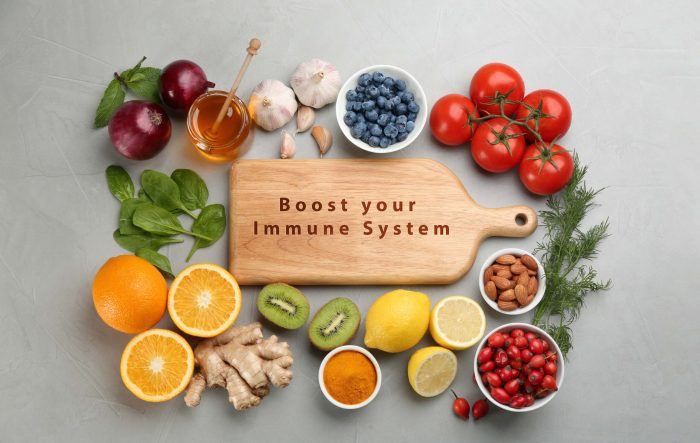
Boost Your Immunity: Diet and Nutrition Strategies

How to improve immune support through diet and nutrition

How to improve immune support through diet and nutrition is a topic that’s gained significant attention in recent years. Our immune system, the body’s natural defense against illness, is intricately linked to the foods we consume. By making strategic choices about what we eat, we can empower our bodies to fight off infections and maintain overall well-being.

This guide explores the vital role of nutrition in bolstering our immune defenses, offering practical tips and insights to help you optimize your immune health.

From understanding the foundational role of essential nutrients to discovering power foods that pack an immune-boosting punch, we’ll delve into a comprehensive approach to immune support through diet and nutrition. We’ll also explore the importance of hydration, the potential benefits of supplements, and lifestyle factors that contribute to a robust immune system.

Whether you’re seeking to prevent illness or simply enhance your overall health, this guide provides a roadmap to a stronger, more resilient you.

The Foundation of a Strong Immune System

How to improve immune support through diet and nutrition

A robust immune system is crucial for protecting your body from infections and diseases. Nutrition plays a vital role in supporting and strengthening your immune defenses. By consuming a balanced diet rich in essential nutrients, you can empower your body to fight off invaders effectively.

The Role of Nutrition in Immune Function

Your immune system is a complex network of cells, tissues, and organs that work together to protect your body from harmful invaders such as bacteria, viruses, and parasites. Nutrition plays a crucial role in supporting the various components of your immune system, ensuring they function optimally.

A balanced diet provides the building blocks and fuel necessary for immune cells to develop, mature, and function effectively. Essential nutrients, such as vitamins, minerals, and antioxidants, directly influence the activity and responsiveness of immune cells.

Essential Nutrients for Immune Support

A diverse range of nutrients contribute to a robust immune system. Here are some of the key players:

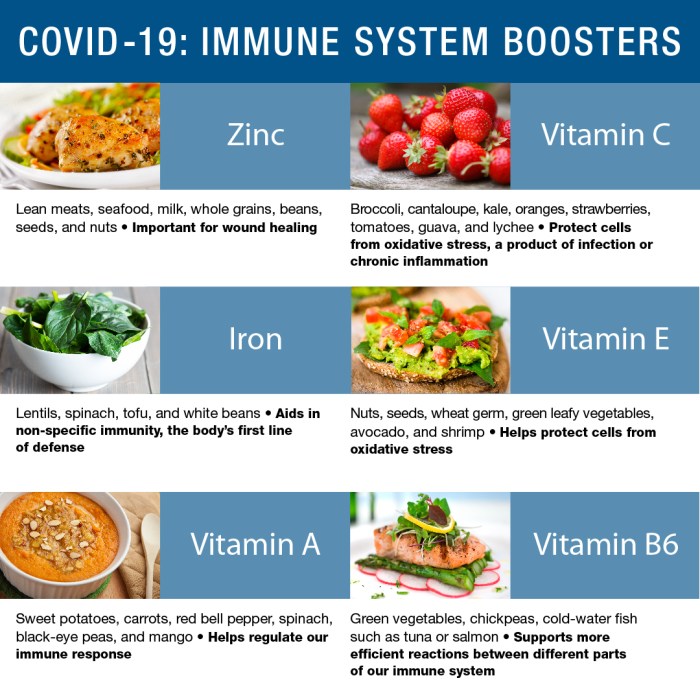
  • Vitamin C:This powerful antioxidant is essential for the production of white blood cells, which are the front-line defenders against infections. It also helps to protect cells from damage caused by free radicals, which can weaken the immune system.
  • Vitamin D:This vitamin is vital for the proper functioning of immune cells, including T cells, which are responsible for targeting and destroying infected cells.

  • Zinc:This mineral plays a crucial role in immune cell development and function. It also supports the production of white blood cells and helps to regulate the immune response.
  • Selenium:This mineral is an essential component of enzymes that protect cells from oxidative stress, which can damage immune cells and weaken the immune response.

  • Probiotics:These beneficial bacteria found in fermented foods like yogurt and kimchi contribute to a healthy gut microbiome, which plays a crucial role in immune function. A healthy gut microbiome supports the production of immune cells and helps to regulate the immune response.

Power Foods for Immune Boosting

A robust immune system relies on a steady supply of essential nutrients. Certain foods are packed with vitamins, minerals, and antioxidants that can bolster your body’s defenses against infections and illnesses. These power foods act as fuel for your immune cells, helping them function optimally.

Foods Rich in Antioxidants, Vitamins, and Minerals

Consuming a diverse range of fruits, vegetables, and whole grains provides your body with a spectrum of nutrients crucial for immune health. Here are some power foods that stand out for their immune-boosting properties:

  • Citrus fruits:Oranges, grapefruits, lemons, and limes are excellent sources of vitamin C, a potent antioxidant that supports the production of white blood cells, which are essential for fighting infections.
  • Garlic:This pungent bulb is known for its antimicrobial and antiviral properties. Garlic contains allicin, a compound that boosts the immune system and may help fight infections.
  • Ginger:Ginger has anti-inflammatory and immune-boosting properties. It can help reduce inflammation and support the body’s natural defenses against illness.
  • Leafy green vegetables:Spinach, kale, and collard greens are rich in vitamins A, C, and K, as well as antioxidants, all of which contribute to a strong immune system.
  • Bell peppers:Red bell peppers are particularly high in vitamin C, providing even more than citrus fruits. They also contain vitamin A, which is important for healthy skin and mucous membranes, the body’s first line of defense against infections.
  • Broccoli:This cruciferous vegetable is packed with vitamins C and K, as well as antioxidants like sulforaphane, which may help protect against cancer and boost immune function.
  • Yogurt:Yogurt, especially those containing live and active cultures, is a good source of probiotics, which are beneficial bacteria that support gut health. A healthy gut microbiome is essential for a strong immune system.
  • Almonds:Almonds are rich in vitamin E, a powerful antioxidant that helps protect cells from damage and supports immune function.
  • Sweet potatoes:Sweet potatoes are an excellent source of vitamin A, which is crucial for immune cell development and function. They also contain beta-carotene, which the body converts into vitamin A.

Sample Meal Plan for a Week

Incorporating these power foods into your daily diet can significantly enhance your immune system’s strength. Here’s a sample meal plan that highlights immune-boosting foods:

Day Breakfast Lunch Dinner
Monday Oatmeal with berries and a sprinkle of almonds Salad with grilled chicken, bell peppers, and spinach Salmon with roasted broccoli and a side of brown rice
Tuesday Yogurt with fruit and a drizzle of honey Turkey sandwich on whole-wheat bread with lettuce, tomato, and avocado Lentil soup with a side of whole-wheat bread
Wednesday Scrambled eggs with spinach and a slice of whole-wheat toast Chicken stir-fry with broccoli, carrots, and ginger Chicken and vegetable curry with brown rice
Thursday Smoothie with spinach, banana, and almond milk Tuna salad sandwich on whole-wheat bread with lettuce and tomato Pasta with marinara sauce and a side of leafy greens
Friday Pancakes with fruit and a sprinkle of nuts Quinoa salad with grilled tofu, bell peppers, and onions Shrimp scampi with a side of steamed vegetables
Saturday Breakfast burrito with eggs, black beans, and salsa Leftover chicken and vegetable curry Pizza with vegetables and whole-wheat crust
Sunday French toast with fruit and a sprinkle of cinnamon Soup and salad Roasted chicken with sweet potatoes and asparagus

Benefits of Specific Immune-Boosting Foods

While many foods contribute to immune health, certain foods stand out for their specific benefits:

  • Citrus fruits:Vitamin C is a potent antioxidant that supports the production of white blood cells, which are essential for fighting infections. Studies have shown that vitamin C supplementation can reduce the duration and severity of colds.
  • Garlic:Garlic contains allicin, a compound with antimicrobial and antiviral properties. Allicin has been shown to boost the immune system and may help fight infections. In one study, garlic supplements were found to reduce the incidence of colds by 63%.
  • Ginger:Ginger has anti-inflammatory and immune-boosting properties. It can help reduce inflammation and support the body’s natural defenses against illness. Ginger has also been shown to reduce nausea and vomiting, which can be helpful during illness.
  • Leafy green vegetables:Leafy green vegetables are packed with vitamins A, C, and K, as well as antioxidants, all of which contribute to a strong immune system. Vitamin A is essential for immune cell development and function, while vitamin C supports white blood cell production.

    Vitamin K is important for blood clotting and wound healing, which are crucial for recovery from illness.

The Importance of Hydration

Water is essential for life, and it plays a crucial role in maintaining a healthy immune system. Just like a well-oiled machine, our body needs the right amount of fluids to function properly.

The Role of Water in Immune Function

Water is involved in many essential bodily processes that directly impact our immune response. Here’s how:* Transporting Immune Cells:Water acts as a vehicle to transport immune cells throughout the body. These cells, like white blood cells, are responsible for fighting off infections and diseases.

Without adequate hydration, these cells may not be able to reach their destinations effectively, hindering the immune response.

Flushing Out Toxins

Water helps flush out waste products and toxins from the body. These toxins can weaken the immune system, making us more susceptible to illness.

Maintaining Body Temperature

Water helps regulate body temperature, which is essential for optimal immune function. When we are dehydrated, our bodies struggle to maintain a stable temperature, potentially impacting immune cells’ activity.

Supporting Lymphatic System

The lymphatic system, a crucial part of our immune defense, relies on adequate hydration to function properly. It carries waste and toxins away from tissues and helps circulate immune cells.

The Impact of Dehydration on the Immune System

When we are dehydrated, our bodies go into a state of stress, compromising our immune system. Here’s how dehydration affects our immune response:* Reduced Immune Cell Activity:Dehydration can decrease the number and activity of immune cells, making it harder to fight off infections.

Increased Risk of Infections

Studies have shown that dehydration can increase the risk of respiratory infections, including colds and flu.

Delayed Wound Healing

Water is crucial for wound healing. Dehydration can slow down the healing process, making us more vulnerable to infections.

Daily Water Intake Recommendations

To ensure optimal immune function, it’s essential to stay hydrated throughout the day. The recommended daily water intake varies based on factors like age, activity level, and climate. However, a general guideline is to drink around 8 glasses of water daily.

Tip:Pay attention to your body’s signals. If you feel thirsty, it’s a sign that you are already slightly dehydrated. Make sure to drink water regularly throughout the day, even when you don’t feel thirsty.

Nutritional Supplements for Immune Support

How to improve immune support through diet and nutrition

While a balanced diet provides the foundation for a strong immune system, certain nutritional supplements can offer additional support. These supplements can help fill potential gaps in nutrient intake and enhance immune function.

Benefits and Risks of Immune-Boosting Supplements

It’s important to understand both the potential benefits and risks associated with using nutritional supplements for immune support. While supplements can be helpful, they are not a substitute for a healthy diet and lifestyle.

  • Potential Benefits:Supplements like vitamin C, D, and zinc can help strengthen the immune system by supporting various immune cells and processes. For example, vitamin C is an antioxidant that helps protect cells from damage, while vitamin D plays a role in immune cell regulation.

    Zinc is essential for immune cell development and function.

  • Potential Risks:Excessive intake of certain supplements can lead to adverse effects. For instance, high doses of vitamin C can cause gastrointestinal upset, while excessive vitamin D intake can lead to calcium buildup in the body. It’s crucial to follow recommended dosage guidelines and consult with a healthcare professional before taking any supplements, especially if you have underlying health conditions or are taking medications.

Choosing and Using Supplements Safely and Effectively

Choosing and using supplements safely and effectively involves careful consideration and adherence to guidelines.

  • Choose Reputable Brands:Opt for supplements from reputable brands that have been tested for quality and purity. Look for products that have been third-party verified by organizations like NSF International or USP.
  • Follow Dosage Recommendations:Always follow the recommended dosage on the supplement label. Excessive intake can be harmful, so it’s important to stay within safe limits.
  • Consult with a Healthcare Professional:If you have any concerns about using supplements, consult with a doctor or registered dietitian. They can help you determine if supplements are right for you and recommend appropriate dosages.

Lifestyle Factors for a Healthy Immune System

In addition to diet and nutrition, several lifestyle factors play a crucial role in supporting a robust immune system. These factors influence the body’s ability to fight off infections and maintain overall health.

The Impact of Stress on Immune Function

Stress, whether physical or emotional, can significantly impact immune function. When the body experiences stress, it releases hormones like cortisol, which can suppress the immune system’s ability to fight off infections. Chronic stress can lead to a weakened immune system, making individuals more susceptible to illnesses.

  • Increased susceptibility to infections:Studies have shown that prolonged stress can increase the risk of developing common colds, flu, and other infections. This is because stress hormones suppress the immune system’s ability to fight off pathogens.
  • Impaired wound healing:Stress can also delay wound healing, as it interferes with the body’s natural repair mechanisms.

  • Exacerbation of autoimmune diseases:In individuals with autoimmune diseases, stress can trigger flare-ups and worsen symptoms.

The Importance of Regular Exercise for Immune Health

Regular exercise has a positive impact on immune function. It promotes circulation, strengthens the cardiovascular system, and helps the body effectively fight off infections. Engaging in moderate-intensity exercise for at least 30 minutes most days of the week can boost immune function.

  • Enhanced circulation:Exercise improves blood flow, allowing immune cells to circulate efficiently throughout the body, reaching areas where they are needed to fight infections.
  • Improved lymphatic drainage:Exercise helps to move lymph fluid, which contains immune cells, throughout the body, enhancing immune response.
  • Reduced inflammation:Regular exercise can help reduce chronic inflammation, which is associated with a weakened immune system.

The Benefits of Adequate Sleep for a Strong Immune System

Getting enough sleep is essential for a healthy immune system. During sleep, the body produces cytokines, proteins that help regulate immune responses and fight off infections. Adequate sleep also allows the body to repair and regenerate tissues, which is crucial for immune function.

  • Increased cytokine production:During sleep, the body produces cytokines, which are essential for immune cell communication and activation.
  • Improved cell repair and regeneration:Sleep allows the body to repair and regenerate tissues, including immune cells, enhancing immune function.
  • Enhanced antibody production:Studies have shown that sleep deprivation can reduce antibody production, making individuals more susceptible to infections.

The Role of Probiotics and Gut Health

Your gut is home to trillions of bacteria, both good and bad, collectively known as the gut microbiome. This complex ecosystem plays a crucial role in your overall health, including your immune system. A healthy gut microbiome is characterized by a balanced population of beneficial bacteria, which contribute to various functions, including immune regulation.

The Link Between Gut Health and Immune Function

The gut microbiome is intricately linked to the immune system. About 70% of the immune system is located in the gut, where it interacts with the trillions of bacteria residing there. The gut microbiome influences the development and function of the immune system by:

  • Training the Immune System:The gut microbiome exposes the immune system to a vast array of antigens, helping it to learn to distinguish between harmful pathogens and harmless microbes. This training process is essential for the immune system’s ability to respond appropriately to threats.

  • Producing Anti-inflammatory Compounds:Beneficial bacteria produce short-chain fatty acids (SCFAs), which have anti-inflammatory properties. SCFAs help to regulate immune responses and prevent excessive inflammation.
  • Creating a Barrier Against Pathogens:The gut microbiome forms a protective barrier that prevents harmful bacteria from entering the bloodstream. This barrier helps to prevent infections and maintain overall health.

How Probiotics Can Contribute to a Healthy Gut Microbiome

Probiotics are live microorganisms that, when consumed in adequate amounts, provide health benefits to the host. They are often referred to as “good bacteria” because they contribute to a healthy gut microbiome. Probiotics can:

  • Increase the Population of Beneficial Bacteria:Probiotics supplement the gut with beneficial bacteria, helping to restore balance and diversity to the microbiome.
  • Improve Digestion and Nutrient Absorption:Probiotics aid in digestion by producing enzymes that break down food and promoting the absorption of nutrients.
  • Reduce Inflammation:Probiotics can reduce inflammation in the gut by producing SCFAs and other anti-inflammatory compounds.

Incorporating Probiotics into Your Diet

There are several ways to incorporate probiotics into your diet:

  • Consume Fermented Foods:Fermented foods, such as yogurt, kefir, sauerkraut, kimchi, and miso, are naturally rich in probiotics. Look for varieties that are unsweetened and contain live and active cultures.
  • Take Probiotic Supplements:Probiotic supplements are available in various forms, including capsules, tablets, and powders. Choose supplements that contain a variety of strains and are backed by scientific evidence.
  • Make Probiotic-Rich Foods at Home:You can easily make your own fermented foods at home using readily available ingredients. There are numerous online resources and cookbooks that provide detailed instructions.

Avoiding Immune-Compromising Habits

While a healthy diet and lifestyle are crucial for a robust immune system, certain habits can undermine your body’s natural defenses. These habits can compromise your immune function, leaving you more susceptible to infections and illnesses. It’s essential to be aware of these habits and take steps to avoid them.

The Impact of Smoking and Alcohol Consumption, How to improve immune support through diet and nutrition

Smoking and excessive alcohol consumption have a detrimental effect on your immune system. Smoking damages your lungs and weakens your body’s ability to fight off infections. Nicotine, a primary component of cigarettes, impairs the function of white blood cells, which are essential for fighting off infections.

Additionally, smoking can increase your risk of chronic diseases like lung cancer and heart disease, further compromising your overall health.

Alcohol consumption, particularly in excess, also weakens your immune system. Excessive alcohol intake can suppress the immune response, making you more vulnerable to infections. It can also damage your liver, which plays a crucial role in filtering toxins and producing immune cells.

Limiting alcohol consumption or abstaining altogether is essential for maintaining a healthy immune system.

The Importance of Avoiding Processed Foods and Excessive Sugar Intake

Processed foods and excessive sugar intake can significantly impact your immune health. Processed foods are often high in unhealthy fats, sugar, and sodium, which can contribute to inflammation and weaken your immune system. Excessive sugar intake can lead to insulin resistance, which can further suppress your immune response.

Additionally, sugar can feed harmful bacteria in your gut, potentially disrupting the delicate balance of your gut microbiome, which is crucial for a healthy immune system.

  • Opt for whole, unprocessed foods like fruits, vegetables, lean protein, and whole grains. These foods are packed with essential nutrients that support a strong immune system.
  • Limit your intake of processed foods, sugary drinks, and refined carbohydrates. These foods provide little nutritional value and can contribute to inflammation and weakened immunity.

Maintaining a Healthy Weight for Immune Health

Maintaining a healthy weight is crucial for a robust immune system. Obesity can contribute to chronic inflammation, which weakens your immune response. Excess body fat can also disrupt the balance of your gut microbiome, further compromising your immune function.

If you are overweight or obese, losing even a small amount of weight can have a significant impact on your immune health. Aim for gradual weight loss through a balanced diet and regular exercise. Talk to your doctor about a weight management plan that is right for you.

Seeking Professional Guidance

While this guide provides valuable information on boosting your immune system, it’s crucial to remember that everyone is unique. A one-size-fits-all approach to diet and nutrition may not be the best strategy for everyone.

Personalized Dietary Advice

Consulting with a healthcare professional, specifically a registered dietitian or nutritionist, is essential for personalized dietary advice. These professionals are trained to assess your individual needs, taking into account factors such as your medical history, current health status, allergies, and lifestyle.

They can help you develop a customized dietary plan that supports your immune system while meeting your overall health goals.

When to Seek Medical Attention

While a healthy diet and lifestyle can significantly contribute to a strong immune system, it’s important to seek medical attention if you experience any concerning symptoms related to your immune system. These may include:

  • Frequent or persistent infections
  • Unexplained weight loss
  • Fatigue that doesn’t improve with rest
  • Swollen lymph nodes
  • Recurring skin rashes or sores

These symptoms could indicate an underlying health condition that requires medical intervention.

Finding Qualified Nutritionists and Dietitians

Finding a qualified nutritionist or dietitian is essential for receiving accurate and personalized advice. Here are some resources to help you find a professional in your area:

  • Academy of Nutrition and Dietetics:This professional organization offers a search tool to find registered dietitians in your location. You can filter your search by specialty, such as sports nutrition, weight management, or pediatrics.
  • American College of Lifestyle Medicine:This organization offers a directory of healthcare professionals specializing in lifestyle medicine, including nutritionists and dietitians.
  • Your primary care physician:Your doctor can recommend qualified nutritionists or dietitians in your area who have experience working with patients with similar health concerns.

Ultimate Conclusion: How To Improve Immune Support Through Diet And Nutrition

By embracing a diet rich in immune-boosting foods, staying hydrated, incorporating healthy lifestyle habits, and seeking professional guidance when needed, you can empower your body’s natural defenses and enjoy a healthier, more vibrant life. Remember, the power to strengthen your immune system lies within your own choices.

Nourish your body wisely, and reap the rewards of a robust and resilient immune system.

FAQ Compilation

What are some easy ways to incorporate more immune-boosting foods into my diet?

Start by adding a variety of colorful fruits and vegetables to your meals. Include citrus fruits, berries, leafy greens, garlic, and ginger. Try adding a handful of nuts or seeds to your yogurt or salads. And don’t forget about the power of spices like turmeric and cinnamon, which have anti-inflammatory properties.

How much water should I drink daily for optimal immune function?

Aim for at least 8 glasses of water per day. Your individual needs may vary depending on your activity level and climate. Listen to your body and drink water throughout the day, especially when you feel thirsty.

Are there any foods I should avoid to support my immune system?

Limit processed foods, sugary drinks, and excessive amounts of saturated and unhealthy fats. These foods can contribute to inflammation and weaken your immune system. Focus on whole, unprocessed foods as much as possible.

Early Cancer Detection: Essential Screenings

Best health screenings for detecting cancer at an early stage

Early cancer detection is a vital step in improving treatment outcomes and survival rates. “Best health screenings for detecting cancer at an early stage” are crucial for identifying potential issues before they become more severe, giving patients the best chance at a successful recovery.

This article delves into the most important cancer screenings, outlining their benefits, limitations, and recommendations for different age groups and risk factors.

Understanding the significance of early detection is essential for making informed decisions about your health. By taking a proactive approach and engaging in regular screenings, you can significantly increase your chances of detecting cancer at an early, more treatable stage.

The Importance of Early Cancer Detection

Best health screenings for detecting cancer at an early stage

Early cancer detection is crucial for improving treatment outcomes and increasing survival rates. When cancer is detected early, it is often smaller, less aggressive, and has not spread to other parts of the body. This makes treatment more effective and less invasive, leading to better chances of a full recovery.

Impact of Early Detection on Survival Rates

Early detection significantly impacts cancer survival rates. Numerous studies have demonstrated the positive correlation between early diagnosis and improved outcomes. For instance, the American Cancer Society reports that the five-year survival rate for breast cancer is 99% when diagnosed at the localized stage, compared to 27% when diagnosed at the distant stage.

Similarly, the five-year survival rate for colorectal cancer is 90% when diagnosed at the localized stage, compared to 14% when diagnosed at the distant stage. These statistics underscore the critical role of early detection in improving cancer survival rates.

Challenges Associated with Late-Stage Cancer Diagnosis

Late-stage cancer diagnosis poses significant challenges for treatment and prognosis. When cancer is detected at a later stage, it is often more difficult to treat effectively. The cancer may have spread to other parts of the body, making it more resistant to treatment.

Furthermore, treatment options for late-stage cancer are often more invasive and aggressive, leading to more severe side effects and a lower quality of life.

Common Cancers and Recommended Screenings

Early detection of cancer is crucial for increasing survival rates and improving treatment outcomes. Regular screenings are essential for identifying cancer at an early stage when it is most treatable. This section will delve into common cancers and their associated screenings, providing insights into recommended tests, effectiveness, and frequency guidelines.

Cancer Screenings: An Overview, Best health screenings for detecting cancer at an early stage

Cancer screenings are preventive medical tests that aim to detect cancer at an early stage when it may not cause symptoms. These tests can include imaging scans, blood tests, or physical examinations.

Common Cancers and Recommended Screenings

The following table provides a summary of common cancers, their associated risk factors, and recommended screening tests.

Cancer Risk Factors Recommended Screenings
Breast Cancer Family history, genetic mutations (BRCA1 and BRCA2), age, race/ethnicity, dense breast tissue, early menarche, late menopause, nulliparity, hormone replacement therapy, alcohol consumption, smoking, obesity, lack of physical activity Mammograms, breast ultrasound, breast MRI (for high-risk individuals)
Cervical Cancer Human papillomavirus (HPV) infection, smoking, weakened immune system, early age at first intercourse, multiple sexual partners, long-term use of oral contraceptives Pap test, HPV test
Colorectal Cancer Family history, personal history of polyps, age, race/ethnicity, smoking, obesity, physical inactivity, diet low in fruits and vegetables, heavy alcohol consumption, inflammatory bowel disease Colonoscopy, fecal occult blood test (FOBT), sigmoidoscopy
Prostate Cancer Age, family history, race/ethnicity, diet high in red meat and dairy products, obesity, smoking Prostate-specific antigen (PSA) test, digital rectal exam (DRE)
Lung Cancer Smoking, exposure to radon, asbestos, and other carcinogens, family history, air pollution, genetic mutations Low-dose computed tomography (LDCT) scan

Screening Frequency and Guidelines

The frequency of cancer screenings varies based on age, family history, and other risk factors. It is essential to consult with your healthcare provider to determine the most appropriate screening schedule for your individual needs.

Breast Cancer

Women aged 40-44

Mammogram every 1-2 years

Women aged 45-54

Mammogram annually

Women aged 55 and older

Mammogram every 1-2 years or as recommended by your doctor

Women with a strong family history of breast cancer

Mammograms and/or other screenings may be recommended at an earlier age or more frequently

Cervical Cancer

Women aged 21-29

Pap test every 3 years

Women aged 30-65

Pap test and HPV test every 5 years or Pap test alone every 3 years

Women over 65

No further screening if prior screenings have been normal and the woman is not at high risk

Women who have had a hysterectomy

No further screening is necessary unless the hysterectomy was performed for cervical cancer or precancerous lesions

Colorectal Cancer

Individuals aged 45-75

Colonoscopy every 10 years

Individuals at increased risk

Colonoscopy may be recommended at an earlier age or more frequently

Individuals aged 76-85

Colonoscopy every 10 years, but individualized risk assessment is recommended

Individuals over 85

Colonoscopy is generally not recommended unless there is a specific indication

Prostate Cancer

Men aged 55-69

PSA test and DRE every 1-2 years, individualized risk assessment is recommended

Men over 70

PSA test and DRE may be considered if there are specific risk factors

Men with a strong family history of prostate cancer

PSA test and DRE may be recommended at an earlier age or more frequently

Lung Cancer

Individuals aged 55-80 who have a 30 pack-year smoking history

LDCT scan annually

Individuals who have quit smoking within the past 15 years

LDCT scan annually

Individuals who have never smoked

LDCT scan is not generally recommended

Breast Cancer Screenings: Best Health Screenings For Detecting Cancer At An Early Stage

Breast cancer is one of the most common cancers among women, and early detection is crucial for improving treatment outcomes. Mammograms are the most widely used screening tool for breast cancer, but other methods, such as breast ultrasound and MRI, can also play a role.

Mammograms

Mammograms are X-ray images of the breast that can detect abnormalities, such as tumors, before they are felt. Mammograms are typically recommended for women starting at age 40 or 45, but earlier screening may be recommended for women with a family history of breast cancer or other risk factors.

  • Benefits:Mammograms can detect breast cancer at an early stage, when it is most treatable. Early detection can increase the chances of survival and reduce the need for aggressive treatments.
  • Limitations:Mammograms are not perfect, and they can sometimes miss cancers or produce false-positive results. Dense breast tissue can make it harder to detect tumors on mammograms. Also, mammograms can be uncomfortable for some women.

Breast Ultrasound

Breast ultrasound uses sound waves to create images of the breast. It is often used to investigate suspicious areas found on a mammogram or to evaluate breast lumps.

  • Benefits:Ultrasound is a painless and non-invasive procedure. It can help to differentiate between solid and fluid-filled breast masses, which can be helpful in determining whether a lump is cancerous.
  • Limitations:Ultrasound is not as effective as mammograms in detecting small cancers. It can also be difficult to distinguish between benign and malignant tumors, especially in women with dense breasts.

Breast MRI

Breast MRI uses a magnetic field and radio waves to create detailed images of the breast. It is often used to screen women with a high risk of breast cancer, such as those with a strong family history or a genetic mutation.

  • Benefits:Breast MRI is very sensitive and can detect small cancers that may be missed by mammograms or ultrasound. It can also help to identify multiple tumors and evaluate the extent of the cancer.
  • Limitations:Breast MRI is more expensive and time-consuming than other screening methods. It can also produce false-positive results, leading to unnecessary biopsies.

Colorectal Cancer Screenings

Colorectal cancer is the third most common cancer diagnosed in both men and women in the United States. Early detection is crucial for successful treatment and improved outcomes. There are several screening methods available to detect colorectal cancer at an early stage.

Colonoscopy

A colonoscopy is the gold standard for colorectal cancer screening. During a colonoscopy, a doctor inserts a thin, flexible tube with a camera attached into the rectum and colon. This allows the doctor to visualize the entire colon and rectum, enabling them to detect any abnormalities or polyps.

Polyps are growths in the colon that can become cancerous if left untreated. Removing polyps during a colonoscopy can significantly reduce the risk of developing colorectal cancer.

Alternative Screening Methods

While colonoscopy is considered the most effective screening method, there are alternative options available for individuals who may not be able to undergo a colonoscopy.

Fecal Occult Blood Testing (FOBT)

FOBT involves testing a stool sample for the presence of blood that is not visible to the naked eye. This type of blood can be a sign of colorectal cancer or other gastrointestinal problems. FOBT is less invasive than a colonoscopy but may not detect all precancerous polyps.

Stool DNA Testing

Stool DNA testing analyzes a stool sample for the presence of abnormal DNA, which can indicate the presence of colorectal cancer or polyps. This test is more sensitive than FOBT and can detect a wider range of abnormalities. However, it is not as accurate as a colonoscopy and may require follow-up testing.

Risks and Benefits of Screening Methods

Each screening method has its own set of risks and benefits.

Colonoscopy

Benefits
  • Highly accurate in detecting colorectal cancer and polyps.
  • Allows for the removal of polyps during the procedure.
  • Can help prevent colorectal cancer.
Risks
  • Potential for complications, such as bleeding or perforation of the colon.
  • Requires sedation, which may have side effects.
  • Can be uncomfortable for some individuals.

Fecal Occult Blood Testing (FOBT)

Benefits
  • Non-invasive and easy to perform at home.
  • Relatively inexpensive.
  • Risks
  • Less sensitive than colonoscopy and may miss some precancerous polyps.
  • May produce false-positive results, leading to unnecessary follow-up testing.
  • Stool DNA Testing

    Benefits
  • More sensitive than FOBT and can detect a wider range of abnormalities.
  • Non-invasive and easy to perform at home.
  • Risks
  • Not as accurate as colonoscopy and may require follow-up testing.
  • Can be more expensive than FOBT.
  • Outcome Summary

    Early cancer detection is a crucial aspect of preventative healthcare. By understanding the recommended screenings for your age and risk factors, you can empower yourself to take control of your health and potentially catch cancer in its earliest stages.

    Remember, regular screenings, combined with a healthy lifestyle, can make a significant difference in your overall well-being and chances of successful cancer treatment.

    FAQ Section

    What are the most common cancers?

    The most common cancers vary depending on factors like age, gender, and ethnicity. However, some of the most prevalent cancers include breast cancer, lung cancer, colorectal cancer, prostate cancer, and skin cancer.

    How often should I get screened for cancer?

    Screening frequency varies based on age, family history, and individual risk factors. It’s crucial to consult with your healthcare provider to determine the appropriate screening schedule for you.

    What are the risks associated with cancer screenings?

    Most cancer screenings have minimal risks, but some procedures, like colonoscopies, may carry slight risks. Discuss any concerns with your healthcare provider to weigh the benefits and risks.

    Can I do anything to reduce my risk of developing cancer?

    Yes, adopting a healthy lifestyle can significantly reduce your cancer risk. This includes maintaining a balanced diet, exercising regularly, avoiding smoking, and limiting alcohol consumption.

    Best Supplements for Healthy Skin, Hair, and Nails

    Best nutritional supplements for maintaining healthy skin hair and nails

    Best nutritional supplements for maintaining healthy skin hair and nails – Best Supplements for Maintaining Healthy Skin, Hair, and Nails – a comprehensive guide to understanding how these essential nutrients can contribute to a vibrant appearance. From the inside out, our bodies rely on a balanced diet and targeted supplements to nourish skin, hair, and nails, leading to a healthy glow.

    This exploration delves into the science behind key vitamins and minerals, highlighting their impact on overall well-being.

    This guide will cover a range of topics, from the role of nutrition in maintaining healthy skin, hair, and nails to the benefits and potential side effects of popular supplements like collagen, biotin, vitamin C, and zinc. We’ll also discuss supplements that can help address specific skin, hair, and nail concerns, as well as lifestyle factors that can enhance their health.

    Understanding the Role of Nutrition in Skin, Hair, and Nail Health

    Best nutritional supplements for maintaining healthy skin hair and nails

    Your skin, hair, and nails are constantly renewing themselves, and this process relies heavily on the nutrients you get from your diet. When your body doesn’t receive enough of the essential building blocks it needs, it can manifest as problems with your skin, hair, and nails.

    The Connection Between Nutrient Deficiencies and Skin, Hair, and Nail Problems

    A lack of certain nutrients can lead to a range of skin, hair, and nail issues. For example, a deficiency in iron can cause hair loss, while a lack of vitamin C can lead to dry, brittle hair and nails.

    Specific Nutrients that Impact Skin, Hair, and Nail Health

    A variety of nutrients play a crucial role in maintaining healthy skin, hair, and nails. Here are some key examples:

    • Vitamin A: Promotes skin cell growth and helps protect against sun damage. A deficiency can lead to dry, flaky skin, and acne.
    • Vitamin C: Essential for collagen production, which gives skin its elasticity and strength. A deficiency can cause brittle hair, slow wound healing, and dry, rough skin.
    • Biotin: Known as the “beauty vitamin,” biotin is crucial for healthy hair, skin, and nails. A deficiency can cause hair loss, brittle nails, and skin rashes.
    • Zinc: Plays a role in wound healing and collagen production. A deficiency can lead to hair loss, slow wound healing, and acne.
    • Iron: Essential for transporting oxygen to cells, including those in the hair follicles. A deficiency can cause hair loss, fatigue, and pale skin.

    The Importance of a Balanced Diet

    A balanced diet that includes a variety of nutrient-rich foods is essential for maintaining healthy skin, hair, and nails. It’s important to consume a wide range of fruits, vegetables, whole grains, lean protein, and healthy fats.

    Supplements for Specific Skin, Hair, and Nail Concerns

    While a balanced diet is crucial for overall health, including skin, hair, and nails, targeted supplements can address specific concerns and provide additional support.

    Supplements for Acne

    Acne is a common skin condition that occurs when hair follicles become clogged with oil and dead skin cells. Some supplements may help reduce acne by regulating oil production, reducing inflammation, and promoting skin cell turnover.

    • Zinc: Zinc plays a role in regulating oil production and reducing inflammation. Studies have shown that zinc supplements may be beneficial for acne.
    • Vitamin A: Vitamin A is important for skin cell growth and repair. It may help reduce acne by promoting the shedding of dead skin cells and preventing clogged pores.
    • Fish oil: Fish oil contains omega-3 fatty acids, which have anti-inflammatory properties and may help reduce acne.

    Supplements for Eczema

    Eczema is a skin condition that causes dry, itchy, and inflamed skin. Supplements may help manage eczema by reducing inflammation, supporting skin barrier function, and reducing allergic reactions.

    • Omega-3 fatty acids: Omega-3 fatty acids have anti-inflammatory properties and may help reduce eczema symptoms. They can be found in supplements like fish oil, flaxseed oil, and algae oil.
    • Probiotics: Probiotics are beneficial bacteria that live in the gut. Some research suggests that probiotics may help improve eczema by modulating the immune system and reducing inflammation.
    • Vitamin D: Vitamin D plays a role in skin health and may help reduce eczema symptoms.

    Supplements for Hair Growth and Reduction of Hair Loss

    Hair loss is a common concern, and supplements can provide support for healthy hair growth.

    • Biotin: Biotin is a B vitamin that plays a role in hair growth and can help prevent hair loss.
    • Iron: Iron deficiency is a common cause of hair loss. Iron supplements can help address this deficiency and promote hair growth.
    • Zinc: Zinc is essential for hair growth and can help reduce hair loss.

    Supplements for Nail Strength and Prevention of Breakage

    Strong nails are a sign of overall health. Supplements can help strengthen nails and prevent breakage.

    • Biotin: Biotin is essential for healthy nail growth and can help prevent breakage.
    • Vitamin D: Vitamin D may help improve nail strength and reduce breakage.
    • Gelatin: Gelatin is a protein that contains amino acids that are essential for nail growth and strength.

    Lifestyle Factors that Enhance Skin, Hair, and Nail Health

    Best nutritional supplements for maintaining healthy skin hair and nails

    A healthy lifestyle is crucial for maintaining healthy skin, hair, and nails. While nutritional supplements can provide additional support, incorporating these habits into your daily routine can significantly enhance your overall well-being.

    Healthy Habits for Skin, Hair, and Nail Health

    Adopting healthy habits can positively impact the health of your skin, hair, and nails. These habits work in synergy to promote overall well-being and contribute to a vibrant appearance.

    • Hydration:Water is essential for maintaining skin elasticity, hair hydration, and nail strength. Aim for at least 8 glasses of water per day.
    • Sleep:Adequate sleep allows your body to repair and regenerate, promoting healthy skin cell turnover, hair growth, and nail growth. Aim for 7-9 hours of quality sleep each night.
    • Stress Management:Chronic stress can negatively impact skin health, leading to breakouts, wrinkles, and premature aging. Engage in stress-reducing activities like yoga, meditation, or spending time in nature.
    • Exercise:Regular physical activity improves blood circulation, delivering oxygen and nutrients to your skin, hair, and nails. Aim for at least 30 minutes of moderate-intensity exercise most days of the week.
    • Sun Protection:Excessive sun exposure can damage your skin, leading to wrinkles, age spots, and an increased risk of skin cancer. Always wear sunscreen with an SPF of 30 or higher, even on cloudy days.
    • Healthy Diet:A balanced diet rich in fruits, vegetables, whole grains, and lean protein provides essential nutrients for healthy skin, hair, and nails.
    • Avoid Smoking and Excessive Alcohol Consumption:Smoking and excessive alcohol consumption can damage your skin, hair, and nails, leading to premature aging and other health problems.

    Sample Daily Routine, Best nutritional supplements for maintaining healthy skin hair and nails

    Incorporating these healthy habits into your daily routine can contribute to a healthy lifestyle that supports skin, hair, and nail health. Here’s a sample routine:

    1. Morning:Start your day with a glass of water and a healthy breakfast rich in protein and fiber.
    2. Mid-morning:Snack on fruits or vegetables to maintain energy levels and provide essential nutrients.
    3. Lunch:Enjoy a balanced lunch with lean protein, whole grains, and vegetables.
    4. Afternoon:Stay hydrated by drinking water throughout the day.
    5. Evening:Have a light dinner with lean protein and vegetables.
    6. Before Bed:Relax with a warm bath or shower and engage in a calming activity like reading or listening to music. Aim for 7-9 hours of quality sleep.

    Tips for Maintaining a Healthy Lifestyle

    Maintaining a healthy lifestyle is an ongoing journey. Here are some tips for staying on track:

    • Set realistic goals:Don’t try to change everything at once. Start with small, achievable goals and gradually build upon them.
    • Make healthy choices easier:Keep healthy snacks on hand, prepare meals in advance, and choose active forms of transportation whenever possible.
    • Find a support system:Share your goals with friends and family, and join a support group or online community.
    • Be patient and persistent:It takes time to develop healthy habits. Don’t get discouraged if you slip up; simply get back on track as soon as possible.

    Last Word

    By understanding the role of nutrition in maintaining healthy skin, hair, and nails, you can make informed choices about your diet and supplement intake. Remember to consult with a healthcare professional before starting any new supplements, especially if you have any underlying health conditions or are taking medications.

    By prioritizing a healthy lifestyle that includes a balanced diet, regular exercise, and stress management, you can achieve optimal skin, hair, and nail health, radiating both inner and outer beauty.

    Quick FAQs: Best Nutritional Supplements For Maintaining Healthy Skin Hair And Nails

    What are the best supplements for hair growth?

    Supplements like biotin, vitamin D, and zinc are often recommended for hair growth. However, it’s essential to consult a healthcare professional to determine the best supplements for your individual needs.

    Are there any side effects to taking collagen supplements?

    While generally safe, some people may experience mild side effects such as digestive issues or allergic reactions. It’s important to choose high-quality collagen supplements from reputable brands.

    How long does it take to see results from taking supplements for skin, hair, and nails?

    Results can vary depending on the individual and the supplement. Some people may notice improvements within a few weeks, while others may take several months. Consistency is key.

    Cardiovascular health benefits of walking: Enhancing heart health through regular physical activity

    Cardiovascular health benefits of walking

    Introduction to Cardiovascular Health Benefits of Walking

    Cardiovascular health benefits of walking – Cardiovascular health refers to the overall well-being of the heart and blood vessels, essential for the proper functioning of the circulatory system. It is crucial for maintaining optimal blood flow and delivering nutrients and oxygen to the body’s tissues and organs.

    Walking, a simple yet effective form of exercise, plays a significant role in promoting cardiovascular health. It is a low-impact activity that can be easily incorporated into daily routines, making it accessible to individuals of all ages and fitness levels.

    The Significance of Maintaining a Healthy Heart Through Physical Activity

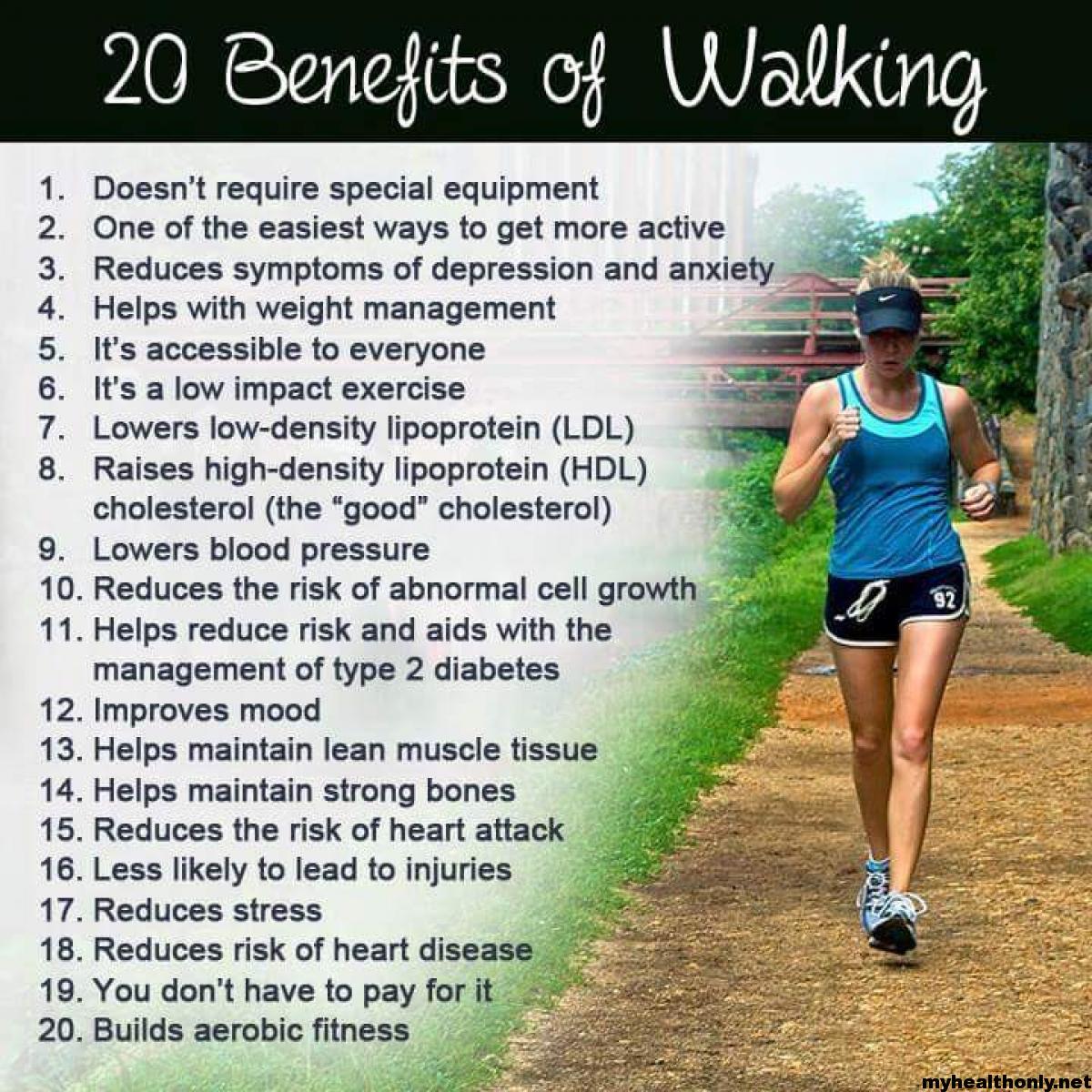
    • Regular walking helps strengthen the heart muscle, improving its efficiency in pumping blood throughout the body.
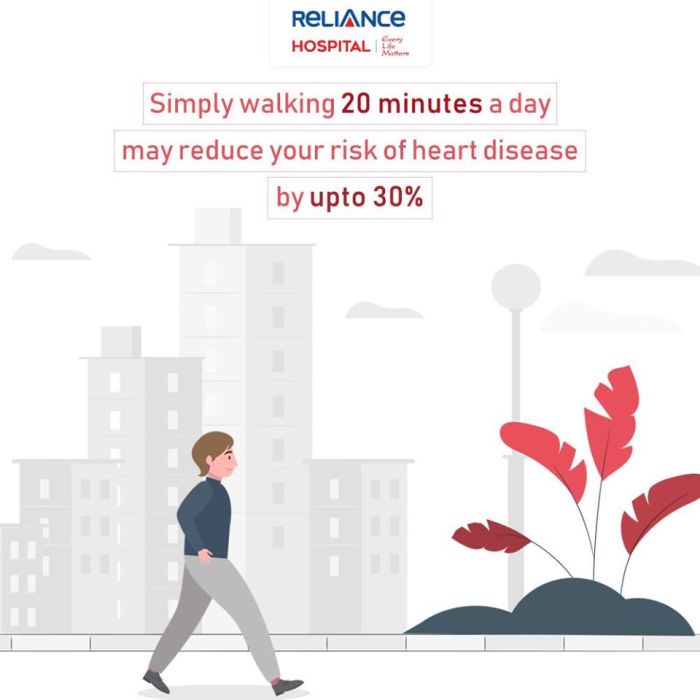
    • By increasing heart rate and circulation, walking helps lower blood pressure and reduce the risk of heart disease and stroke.
    • Engaging in physical activity like walking can also help manage cholesterol levels and maintain a healthy weight, further supporting cardiovascular health.
    • Walking stimulates the release of endorphins, reducing stress and improving overall mental well-being, which in turn benefits heart health.

    Physical Benefits of Walking for Cardiovascular Health

    Walking is a simple yet effective way to improve cardiovascular health by boosting heart function, enhancing blood circulation, and reducing the risk of heart diseases.

    Boosts Heart Health

    Walking regularly helps strengthen the heart muscle, making it more efficient at pumping blood throughout the body. This increased efficiency lowers the resting heart rate and reduces the workload on the heart, ultimately leading to a healthier heart.

    Impact on Blood Circulation

    Walking stimulates blood flow and circulation, which is essential for delivering oxygen and nutrients to all parts of the body. Improved circulation also helps in removing waste and toxins, promoting overall cardiovascular health.

    Reduces Risk of Heart Diseases

    Engaging in brisk walking on a consistent basis can lower the risk of developing heart diseases such as coronary artery disease, hypertension, and stroke. It helps in maintaining healthy blood pressure levels, cholesterol levels, and weight, all of which are crucial factors in preventing heart-related issues.

    Comparison of Walking with Other Cardiovascular Exercises

    Walking is a popular form of exercise due to its accessibility and low-impact nature. Let’s compare the benefits of walking with running, cycling, and swimming for heart health.

    Benefits of Walking vs. Running, Cycling, and Swimming

    • Walking is a low-impact exercise option, making it gentler on the joints compared to running, which can be high-impact and lead to injuries over time.
    • Cycling provides a great cardiovascular workout while being low-impact, similar to walking, but it may require specialized equipment and is not as easily accessible as walking.
    • Swimming is a full-body workout that is also low-impact, making it ideal for individuals with joint issues. However, access to a pool may not always be convenient, unlike walking which can be done almost anywhere.

    Long-Term Cardiovascular Benefits of Walking

    Regular walking has been shown to have numerous long-term benefits for cardiovascular health:

    • Improves circulation and helps lower blood pressure, reducing the risk of heart disease and stroke.
    • Increases HDL (good) cholesterol levels while lowering LDL (bad) cholesterol, improving overall heart health.
    • Helps maintain a healthy weight, reducing the risk of obesity-related heart conditions.
    • Reduces stress and anxiety, which can contribute to better heart health and overall well-being.

    Tips for Incorporating Walking into a Healthy Lifestyle

    To make walking a regular part of your routine and reap the cardiovascular benefits it offers, here are some tips to help you get started and stay motivated.

    Strategies for Beginners to Start a Walking Routine

    • Start slow and gradually increase your pace and duration as you build stamina.
    • Set achievable goals, such as walking for 30 minutes a day, and track your progress.
    • Find a walking buddy or join a walking group for added motivation and accountability.
    • Invest in a good pair of walking shoes to ensure comfort and prevent injury.

    Ways to Increase Intensity and Duration of Walks

    • Incorporate intervals of brisk walking or uphill terrain to challenge your cardiovascular system.
    • Try to walk for longer periods or increase your walking speed to elevate your heart rate and improve endurance.
    • Add variety to your walks by exploring different routes or incorporating strength training exercises like lunges or squats.
    • Consider using fitness trackers or apps to monitor your steps, distance, and calories burned for extra motivation.

    Recommendations to Incorporate Walking into Daily Activities

    • Park farther away from your destination or opt for walking or cycling instead of driving for short trips.
    • Take the stairs instead of the elevator whenever possible to sneak in extra steps throughout the day.
    • Use a standing desk at work or schedule walking meetings to break up long periods of sitting.
    • Set reminders on your phone or calendar to prioritize daily walks and make them a non-negotiable part of your routine.

    Emotional Wellbeing and Cardiovascular Health

    Regular walking not only benefits physical health but also plays a crucial role in improving emotional wellbeing, which in turn contributes to better cardiovascular health. The connection between emotional health and heart health is significant, as stress, anxiety, and depression can have negative impacts on the heart.

    Improving Mood and Reducing Stress through Walking

    Walking is a simple yet effective way to boost mood and reduce stress levels. Physical activity releases endorphins, also known as “feel-good” hormones, which can elevate mood and create a sense of well-being. By incorporating walking into your daily routine, you can experience these mood-boosting benefits and lower stress levels, ultimately benefiting your cardiovascular health.

    • Walking outdoors in nature can have a calming effect on the mind and body, reducing stress and promoting relaxation.
    • Regular physical activity like walking can help manage symptoms of anxiety and depression, improving overall emotional wellbeing.
    • Creating a walking routine with a friend or loved one can provide social support and additional emotional benefits.

    Role of Emotional Wellbeing in Heart Health

    Emotional wellbeing is closely linked to heart health, as chronic stress and negative emotions can contribute to the development of heart disease. By managing stress levels and improving mood through activities like walking, individuals can reduce their risk of cardiovascular issues and promote overall heart health.

    It’s important to prioritize emotional wellbeing alongside physical health to achieve holistic wellness and support cardiovascular health.

    Healthy Aging and Walking for Cardiovascular Health

    As individuals age, maintaining cardiovascular health becomes increasingly important. Walking is a simple yet effective way for older adults to improve heart health and overall well-being.

    Impact of Walking on Cardiovascular Health in Older Adults

    Walking regularly has been shown to have a positive impact on cardiovascular health in older adults. It can help improve blood circulation, lower blood pressure, and reduce the risk of heart disease.

    How Walking Helps in Maintaining Heart Health as Individuals Age

    • Improves cardiovascular fitness and endurance.
    • Strengthens the heart muscle and improves overall heart function.
    • Helps in maintaining a healthy weight and reducing the risk of obesity-related heart conditions.
    • Reduces stress and anxiety, which can have a positive impact on heart health.

    Tips for Seniors to Safely Engage in Walking for Cardiovascular Benefits

    • Consult with a healthcare provider before starting a new walking routine.
    • Start slow and gradually increase the duration and intensity of your walks.
    • Wear proper footwear and comfortable clothing to prevent injuries.
    • Stay hydrated and take breaks when needed, especially in hot weather.
    • Consider walking with a buddy or joining a walking group for added motivation and safety.

    Active Lifestyle Promotion through Walking

    Cardiovascular health benefits of walking

    Walking plays a crucial role in promoting an active lifestyle by offering a simple yet effective way to incorporate physical activity into daily routines.

    Importance of Regular Physical Activity

    Regular physical activity, such as walking, is essential for overall health and wellbeing. It helps to improve cardiovascular health, boost energy levels, enhance mood, and manage weight.

    Integration of Walking into Daily Routine, Cardiovascular health benefits of walking

    • Walk or bike to work instead of driving.
    • Take the stairs instead of the elevator.
    • Go for a walk during your lunch break.
    • Walk with family or friends after dinner.
    • Use a pedometer to track your steps and set goals.

    Healthy Recipes to Complement Cardiovascular Health Benefits of Walking

    Regular physical activity like walking plays a crucial role in maintaining cardiovascular health. Pairing this with a nutritious diet can further enhance the benefits. Here are some heart-healthy recipes to complement the cardiovascular health benefits of walking.

    Avocado and Salmon Salad

    • Ingredients: Fresh salmon fillet, avocado, mixed greens, cherry tomatoes, cucumber, olive oil, lemon juice, salt, and pepper.
    • Instructions: Grill the salmon, slice avocado and vegetables, toss together with greens, and drizzle with olive oil and lemon juice. Season with salt and pepper.
    • Benefits: Salmon provides omega-3 fatty acids for heart health, while avocado offers monounsaturated fats and fiber.

    Quinoa Stuffed Bell Peppers

    • Ingredients: Bell peppers, quinoa, black beans, corn, tomatoes, onion, garlic, cumin, paprika, and cheese.
    • Instructions: Cook quinoa, sauté vegetables, mix in spices and beans, stuff peppers, top with cheese, and bake until tender.
    • Benefits: Quinoa is a complete protein source with fiber, and the veggies offer vitamins and antioxidants.

    Fruit and Nut Energy Bites

    • Ingredients: Dates, almonds, dried cranberries, chia seeds, and dark chocolate chips.
    • Instructions: Blend dates and almonds, add other ingredients, form into balls, and refrigerate until firm.
    • Benefits: These bites provide a natural source of energy, fiber, healthy fats, and antioxidants.

    Mental Resilience and Cardiovascular Health

    Maintaining mental resilience is crucial for overall well-being, including heart health. Psychological factors like stress, anxiety, and depression can have a negative impact on cardiovascular health. Building mental resilience can help individuals cope better with life’s challenges and reduce the risk of heart disease.

    Role of Walking in Building Mental Resilience

    Walking is a simple yet effective way to enhance mental resilience. Physical activity, such as walking, releases endorphins that act as natural mood lifters. Regular walking can help reduce stress, improve sleep quality, and boost self-esteem, all of which contribute to better mental resilience.

    • Walking as a Stress Reliever: Engaging in a brisk walk can help clear the mind and reduce stress levels. The rhythmic motion of walking can be meditative and calming, providing a much-needed break from daily worries.
    • Enhanced Cognitive Function: Walking has been linked to improved cognitive function and memory. This can help individuals think more clearly and make better decisions, ultimately leading to increased mental resilience.
    • Social Interaction: Walking with a friend or in a group can provide social support, which is essential for mental well-being. Connecting with others while walking can reduce feelings of isolation and strengthen relationships, leading to improved mental resilience.

    Psychological Benefits of Walking for Cardiovascular Wellness

    The psychological benefits of walking extend beyond mental resilience and can positively impact overall cardiovascular wellness.

    Regular walking has been shown to decrease symptoms of anxiety and depression, which are risk factors for heart disease.

    • Improved Mood: Walking releases feel-good chemicals in the brain, such as endorphins and serotonin, which can help improve mood and reduce the risk of developing mental health conditions.
    • Stress Reduction: Walking outdoors in nature can have a calming effect on the mind and body, reducing stress levels and promoting relaxation. This, in turn, can benefit heart health by lowering blood pressure and reducing the risk of heart disease.
    • Enhanced Quality of Life: By incorporating walking into a daily routine, individuals can experience a better quality of life, improved mental well-being, and overall cardiovascular health. Walking is a sustainable and accessible form of exercise that can be enjoyed by people of all ages and fitness levels.

    Immune Support and Walking for Cardiovascular Health

    Cardiovascular health benefits of walking
    Regular walking not only benefits cardiovascular health but also plays a crucial role in boosting the immune system. The immune system is our body’s defense mechanism against infections and illnesses, and a strong immune system is essential for overall wellbeing. Let’s delve into how walking can contribute to supporting both cardiovascular health and immune function.

    Benefits of Walking for Immune Support

    • Regular physical activity, such as walking, helps to improve circulation and promote the efficient functioning of immune cells throughout the body.
    • Walking can reduce inflammation, which is a common factor in many chronic diseases, including heart disease, by regulating the immune response.
    • Engaging in moderate-intensity walking has been shown to reduce the risk of respiratory infections, such as the common cold, by enhancing the immune system’s ability to fight off pathogens.

    Connection Between Immune System and Heart Health

    • A strong immune system is closely linked to heart health, as chronic inflammation and immune dysfunction can contribute to the development of cardiovascular diseases.
    • Regular walking can help lower levels of inflammatory markers in the body, reducing the risk of heart disease and supporting overall cardiovascular health.
    • By maintaining a healthy immune system through activities like walking, individuals can better protect themselves against conditions that may impact heart function.

    Role of Walking in Maintaining Immune Health

    • Consistent physical activity, such as walking, can help regulate immune function by promoting the production of antibodies and enhancing the body’s ability to defend against infections.
    • Walking outdoors exposes individuals to fresh air and sunlight, which can further support immune function by increasing vitamin D levels and improving mood.
    • Regular walking also aids in reducing stress levels, which can have a positive impact on immune health and overall wellbeing.

    Stress Relief through Walking for Cardiovascular Health

    Walking not only benefits your physical health but also plays a vital role in reducing stress levels, which in turn promotes cardiovascular wellness. The act of walking can have a calming effect on the mind and body, providing a natural way to alleviate stress and anxiety.

    Reducing Cortisol Levels

    Walking has been shown to reduce cortisol levels in the body, which is often referred to as the stress hormone. High levels of cortisol can have a negative impact on cardiovascular health, leading to increased blood pressure and inflammation. By incorporating a regular walking routine into your lifestyle, you can effectively lower cortisol levels and mitigate these harmful effects.

    Tips for Maximizing Stress Relief

    • Choose a scenic route: Walking in nature or in a peaceful environment can enhance the stress-relieving benefits of walking.
    • Practice mindfulness: Focus on the present moment during your walk, paying attention to your surroundings and the sensations in your body.
    • Set realistic goals: Start with a manageable walking pace and gradually increase the intensity as you build stamina.
    • Listen to calming music or podcasts: Engaging in soothing audio content while walking can further enhance the relaxation effects.
    • Walk with a friend or pet: Social interaction and companionship during walks can boost mood and reduce stress levels.

    Nutritional Balance to Enhance Cardiovascular Health Benefits of Walking

    Maintaining a balanced diet is crucial for optimal heart health, especially when combined with a regular walking routine. Nutrition plays a key role in enhancing the cardiovascular benefits of walking by providing the essential nutrients needed for a healthy heart and overall well-being.

    Importance of a Well-Rounded Diet Plan

    Creating a well-rounded diet plan is essential to support heart health alongside a walking regimen. A diet rich in fruits, vegetables, whole grains, lean proteins, and healthy fats can help reduce the risk of heart disease and improve cardiovascular function.

    Nutrient-Rich Foods for Heart Health

    • Include foods high in omega-3 fatty acids, such as fatty fish, flaxseeds, and walnuts, to support heart health and reduce inflammation.
    • Opt for whole grains like brown rice, quinoa, and oats, which provide fiber and essential nutrients for a healthy heart.
    • Incorporate colorful fruits and vegetables rich in antioxidants, vitamins, and minerals to promote heart health and overall wellness.
    • Choose lean proteins like poultry, beans, and legumes to maintain muscle mass and support heart function.

    Hydration and Heart Health

    Staying hydrated is important for cardiovascular health, so be sure to drink an adequate amount of water throughout the day. Limit sugary beverages and opt for water, herbal teas, or infused water for hydration.

    Maintaining a Healthy Weight

    Managing weight through a balanced diet and regular physical activity like walking can reduce the risk of heart disease and improve overall cardiovascular health. Aim for a healthy weight to support your heart and well-being.

    FAQ Guide: Cardiovascular Health Benefits Of Walking

    How often should I walk to see cardiovascular benefits?

    It is recommended to aim for at least 150 minutes of moderate-intensity walking per week to improve cardiovascular health.

    Can walking help with reducing stress levels?

    Absolutely! Walking has been shown to reduce cortisol levels and alleviate stress, benefiting both your mental and cardiovascular wellness.

    Is walking suitable for seniors?

    Yes, walking is a low-impact exercise that is highly beneficial for seniors in maintaining their cardiovascular health and overall wellbeing.

    Emotional wellbeing and the benefits of nature therapy: Enhancing Wellness Through Nature

    Emotional wellbeing and the benefits of nature therapy

    The Connection Between Emotional Wellbeing and Nature Therapy

    Emotional wellbeing and the benefits of nature therapy

    Emotional wellbeing and the benefits of nature therapy – Nature therapy, also known as ecotherapy or green therapy, has been shown to have a positive impact on emotional wellbeing by providing a calming and grounding effect on individuals. Spending time in nature can help reduce stress, anxiety, and depression, leading to improved overall mental health.

    Activities in Nature for Emotional Wellness

    • Forest bathing, or shinrin-yoku, involves immersing oneself in the sights, sounds, and smells of the forest to promote relaxation and reduce stress.
    • Gardening allows individuals to connect with the earth, engage in physical activity, and experience the therapeutic benefits of nurturing living plants.
    • Hiking or walking in natural settings can help clear the mind, increase mindfulness, and provide a sense of accomplishment.

    Benefits of Nature Therapy in Mental Health Practices

    • Nature therapy can serve as a complementary approach to traditional mental health treatments, enhancing the overall effectiveness of therapy.
    • Being in nature can boost mood, increase energy levels, and improve cognitive function, leading to better emotional regulation and resilience.
    • Studies have shown that exposure to natural environments can reduce rumination, which is linked to the development and persistence of mental health issues.

    Healthy Habits for Emotional Wellbeing

    Emotional wellbeing is crucial for overall health and happiness. Incorporating daily habits that promote emotional health can have a significant impact on our well-being. By focusing on self-care routines and maintaining a healthy mindset, we can enhance our emotional resilience and coping mechanisms.

    Regular Exercise

    Regular physical activity has been proven to reduce symptoms of anxiety and depression. Exercise releases endorphins, also known as “feel-good” hormones, which can improve mood and overall emotional well-being. Whether it’s a brisk walk, yoga, or a workout session, incorporating exercise into your daily routine can have a positive impact on your emotional health.

    Healthy Eating Habits

    Nutrition plays a vital role in our emotional well-being. Consuming a balanced diet rich in fruits, vegetables, whole grains, and lean proteins can help regulate mood and energy levels. Avoiding excessive consumption of processed foods, sugar, and caffeine can also contribute to better emotional health.

    Quality Sleep

    Getting an adequate amount of quality sleep is essential for emotional well-being. Lack of sleep can lead to irritability, mood swings, and difficulty concentrating. Establishing a bedtime routine, creating a comfortable sleep environment, and prioritizing restful sleep can significantly impact your emotional health.

    Mindfulness Practices

    Practicing mindfulness techniques such as meditation, deep breathing exercises, or yoga can help reduce stress and improve emotional regulation. Mindfulness allows us to be present in the moment, acknowledge our emotions without judgment, and cultivate a sense of inner peace and calm.

    Healthy Social Connections

    Maintaining healthy relationships and social connections is vital for emotional well-being. Surrounding yourself with supportive friends and family members, engaging in meaningful conversations, and seeking social support when needed can positively impact your emotional health. Building a strong support system can provide comfort, encouragement, and a sense of belonging.

    The Role of Nature Therapy in Healthy Aging

    Engaging with nature plays a crucial role in promoting healthy aging by providing numerous physical, mental, and emotional benefits. The therapeutic effects of nature can support older adults in maintaining their overall well-being and quality of life as they age.

    Nature-Based Activities for Older Adults

    Nature-based activities offer a variety of benefits for older adults, including improved physical health, reduced stress levels, enhanced mood, and increased social connections. Some examples of nature therapy activities beneficial for older adults include:

    • Taking leisurely walks in a nearby park or nature reserve
    • Participating in gardening activities to stay active and connected to the environment
    • Engaging in birdwatching or wildlife observation to promote mindfulness and relaxation
    • Attending nature-based therapy sessions or outdoor yoga classes for holistic well-being

    Contribution of Nature Therapy to Cognitive Function

    Nature therapy has been shown to have a positive impact on maintaining cognitive function in aging individuals. Spending time in natural environments can help improve memory, attention span, and problem-solving skills. The sensory stimulation provided by nature, such as the sights, sounds, and scents of the outdoors, can enhance brain function and support cognitive health in older adults.

    Promoting an Active Lifestyle through Nature Therapy

    Nature therapy not only benefits emotional wellbeing but also encourages physical activity. Being in nature provides opportunities for movement and exercise, which are essential for maintaining a healthy and active lifestyle.

    Nature Therapy Encourages Physical Activity

    • Engaging in activities such as hiking, biking, or swimming in natural environments can help increase physical fitness levels.
    • Exploring nature trails or participating in outdoor sports can promote cardiovascular health and improve muscle strength.
    • Outdoor activities like gardening or birdwatching involve physical movements that contribute to overall well-being.

    Link Between Outdoor Activities and Overall Health

    • Studies have shown that spending time outdoors reduces stress levels and boosts mood, leading to increased motivation for physical activity.
    • Exposure to natural sunlight helps regulate sleep patterns and enhances vitamin D production, which is essential for bone health.
    • Fresh air and outdoor environments can improve respiratory health and immune function, reducing the risk of illnesses.

    Tips for Incorporating Nature-Based Exercises into a Daily Routine

    • Start by taking short walks in nearby parks or green spaces to gradually increase physical activity levels.
    • Join outdoor fitness classes or yoga sessions held in natural settings to combine exercise with the benefits of nature therapy.
    • Set goals for outdoor activities such as running a certain distance in a scenic route or practicing mindfulness in a peaceful natural setting.

    Cardiovascular Health Benefits of Nature Therapy

    Spending time in nature has been shown to have numerous benefits for cardiovascular health. The calming effect of nature can help reduce stress levels, lower blood pressure, and improve overall heart function.

    Outdoor Activities for Heart Health

    • Hiking: Walking in nature not only provides physical exercise but also reduces the risk of heart disease.
    • Cycling: Riding a bike through scenic routes can improve cardiovascular endurance and strengthen the heart.
    • Kayaking: Engaging in water activities like kayaking can help boost heart health and overall fitness.

    Reducing the Risk of Heart Disease

    Studies have shown that regular exposure to nature can lower the risk of developing heart disease by up to 30%.

    Outdoor activities that promote physical movement and relaxation in natural settings can contribute to a healthier heart and reduce the likelihood of cardiovascular issues in the future.

    Healthy Recipes Inspired by Nature

    Exploring nutritious recipes using ingredients found in nature can not only benefit our physical health but also contribute to our emotional wellbeing. Consuming whole foods has been linked to a positive impact on mental health, making it essential to incorporate such ingredients into our meals for overall wellness.

    Fruit and Nut Breakfast Bowl

    Start your day with a refreshing and nourishing fruit and nut breakfast bowl that is packed with vitamins, minerals, and fiber. This simple yet delicious recipe can help boost your mood and energy levels throughout the day.

    • Ingredients:

      – Mixed berries (strawberries, blueberries, raspberries)

      – Greek yogurt

      – Mixed nuts (almonds, walnuts, cashews)

      – Honey or maple syrup

    • Instructions:
      1. Start by layering the Greek yogurt at the bottom of a bowl.
      2. Add a generous amount of mixed berries on top of the yogurt.
      3. Sprinkle the mixed nuts over the berries.
      4. Drizzle honey or maple syrup for a touch of sweetness.
      5. Enjoy your fruit and nut breakfast bowl!

    Herb-Roasted Vegetable Medley

    Indulge in a colorful and flavorful herb-roasted vegetable medley that not only satisfies your taste buds but also provides a wealth of nutrients for your body and mind. This dish is a perfect balance of taste and health benefits.

    • Ingredients:

      – Assorted vegetables (bell peppers, zucchini, cherry tomatoes, red onion)

      – Olive oil

      – Fresh herbs (rosemary, thyme, parsley)

      – Salt and pepper

    • Instructions:
      1. Preheat the oven and prepare a baking sheet lined with parchment paper.
      2. Cut the assorted vegetables into bite-sized pieces and place them on the baking sheet.
      3. Drizzle olive oil over the vegetables and sprinkle fresh herbs, salt, and pepper.
      4. Toss the vegetables to ensure even coating of oil and seasonings.
      5. Roast in the oven until the vegetables are tender and slightly browned.
      6. Serve the herb-roasted vegetable medley as a side dish or a main course.

    Building Mental Resilience through Nature Therapy

    Nature therapy plays a crucial role in helping individuals develop mental resilience by providing a calming and rejuvenating environment that promotes emotional well-being. The connection between nature and mental health has been well-established, with natural surroundings offering a sense of peace and tranquility that can aid in coping with life’s challenges.

    Natural Coping Mechanisms

    • Spending time in nature can help individuals gain perspective on their problems and reduce feelings of stress and anxiety.
    • Engaging in activities like hiking, gardening, or simply sitting in a natural setting can promote relaxation and mindfulness, leading to improved mental resilience.
    • Observing the beauty of nature, such as watching a sunrise or listening to the sounds of a forest, can evoke positive emotions and inspire hope, strengthening one’s ability to overcome adversity.

    Impact on Stress Management and Resilience

    Research has shown that exposure to natural environments can lower cortisol levels, the hormone associated with stress, leading to improved stress management and increased resilience. Being surrounded by green spaces or bodies of water has been linked to reduced feelings of anxiety and depression, enhancing mental well-being.

    Immune Support from Nature Therapy

    Exposure to nature has been shown to have a positive impact on immune health. Spending time in natural environments can help boost the immune system and improve overall wellbeing. The following are examples of how natural elements can support immune health:

    1. Fresh Air, Emotional wellbeing and the benefits of nature therapy

    Fresh air in natural settings is free from pollutants commonly found in urban areas, which can help reduce the risk of respiratory infections and strengthen the immune system.

    2. Vitamin D from Sunlight

    Sunlight is a natural source of vitamin D, which plays a crucial role in supporting immune function. Spending time outdoors and soaking up some sunlight can help maintain optimal levels of vitamin D in the body.

    3. Phytoncides from Trees

    Phytoncides are natural chemicals emitted by trees and plants that have been found to boost the immune system. Breathing in phytoncides while in a forested area can help enhance immune function.

    A healthy immune system is essential for emotional wellbeing as it helps protect the body against illnesses and infections, reducing the physical stress that can impact mental health. By incorporating nature therapy into daily routines, individuals can support their immune system and promote overall emotional wellbeing.

    Stress Relief Techniques in Nature Therapy

    Nature therapy offers a powerful antidote to the stresses of modern life, providing a calming and rejuvenating environment for those seeking relief. Here, we explore various stress relief techniques that can be incorporated into nature therapy sessions.

    Mindfulness Practices in Natural Settings

    • Practice deep breathing exercises while surrounded by the sights and sounds of nature.
    • Engage in mindful walking, focusing on each step and the sensations in your body as you move through a natural setting.
    • Sit quietly and observe the natural world around you, allowing yourself to be fully present in the moment.

    Calming Effects of Nature on Stress and Anxiety

    Research has shown that spending time in nature can significantly reduce levels of cortisol, the stress hormone, leading to a sense of calm and relaxation.

    Being in nature can help lower heart rate, blood pressure, and muscle tension, all of which contribute to reducing stress and anxiety.

    Creating a Peaceful Outdoor Space for Relaxation

    • Choose a quiet and serene natural setting, such as a forest, beach, or park, to create your outdoor relaxation space.
    • Add comfortable seating, such as a blanket or chair, to enhance your comfort and relaxation experience.
    • Bring along soothing elements like a book, journal, or meditation app to help you unwind and destress in nature.

    Achieving Nutritional Balance through Nature

    Nature-based foods play a crucial role in maintaining a balanced diet that supports overall health and well-being. These foods are rich in essential nutrients, vitamins, and minerals that our bodies need to function optimally. Let’s explore how incorporating natural, unprocessed foods and seasonal produce can help achieve nutritional balance.

    Benefits of a Diet Rich in Natural, Unprocessed Foods

    Eating natural, unprocessed foods such as fruits, vegetables, whole grains, nuts, and seeds can provide a wide range of health benefits. These foods are packed with nutrients like fiber, antioxidants, and phytochemicals that help reduce inflammation, support digestion, and boost immune function. By incorporating more natural foods into your diet, you can improve your overall health and well-being.

    Incorporating Seasonal Produce for Optimal Nutrition

    Eating seasonal produce is not only better for the environment but also for your health. Seasonal fruits and vegetables are harvested at peak ripeness, meaning they are packed with flavor and nutrients. By choosing seasonal produce, you can ensure that you are getting the freshest and most nutritious foods available. Additionally, seasonal eating can help you diversify your diet and enjoy a variety of flavors throughout the year.

    Detailed FAQs: Emotional Wellbeing And The Benefits Of Nature Therapy

    How does nature therapy impact emotional wellbeing?

    Nature therapy promotes relaxation, reduces stress, and improves mood, leading to enhanced emotional health.

    What are some examples of activities in nature that promote emotional wellness?

    Activities like hiking, gardening, or simply spending time in a park can boost emotional wellbeing by connecting individuals with nature.

    How does nature therapy contribute to healthy aging?

    Engaging with nature can support cognitive function, physical health, and overall wellness in older adults, promoting healthy aging.

    What are some outdoor activities that benefit cardiovascular health?

    Outdoor activities such as walking, cycling, or swimming can improve heart health and reduce the risk of cardiovascular diseases.

    How can nature therapy help in building mental resilience?

    Nature therapy provides coping mechanisms, stress relief, and a sense of calm that contribute to developing mental resilience in individuals facing challenges.