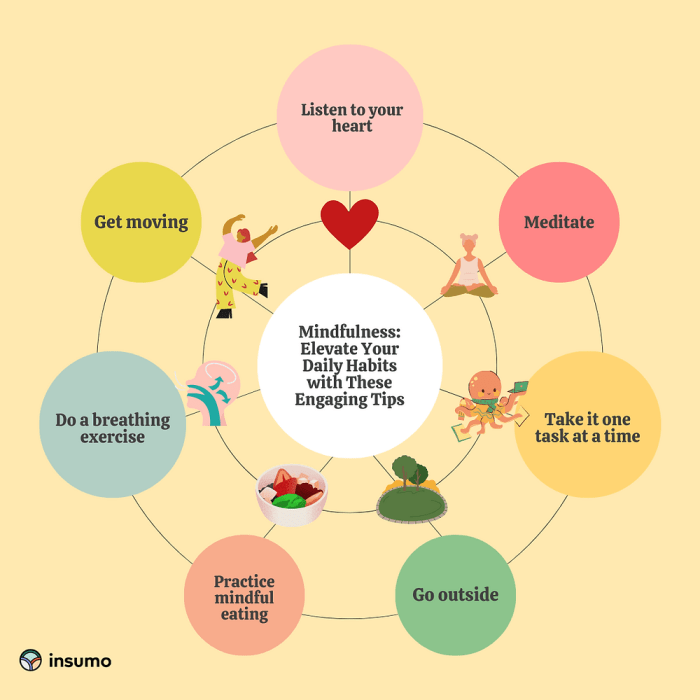
Healthy habits for promoting mindfulness: Tips and Practices for a Balanced Life

Healthy habits for promoting mindfulness

Healthy Habits for Promoting Mindfulness

Healthy habits for promoting mindfulness – Practicing mindfulness involves being fully present and aware of your thoughts, feelings, and surroundings without judgment. It can help reduce stress, improve focus, and enhance overall well-being.

Examples of Simple Mindfulness Practices:

  • Deep breathing exercises to center yourself in the present moment.
  • Body scan meditation to focus on different parts of your body and release tension.
  • Mindful eating by savoring each bite and paying attention to flavors and textures.

Benefits of Mindfulness:, Healthy habits for promoting mindfulness

  • Reduced stress and anxiety levels.
  • Improved emotional regulation and mental clarity.
  • Enhanced self-awareness and compassion towards oneself and others.

Tips for Cultivating Mindfulness:

  • Practice mindfulness in everyday activities like walking or washing dishes.
  • Set aside time for formal meditation practices to train your mind for mindfulness.
  • Engage in mindful communication by listening actively and responding thoughtfully.

Healthy Habits for Emotional Wellbeing

Mindfulness plays a crucial role in emotional wellbeing by helping individuals become more aware of their thoughts and feelings, allowing them to respond to challenging situations with greater clarity and composure.

Managing Stress and Promoting Emotional Resilience

  • Practice deep breathing exercises to calm the mind and body during stressful moments.
  • Engage in regular physical activity to release endorphins and reduce stress levels.
  • Establish a healthy sleep routine to ensure adequate rest and rejuvenation for emotional resilience.

Impact of Positive Thinking on Emotional Health

  • Cultivate a positive mindset by focusing on gratitude and reframing negative situations in a more optimistic light.
  • Acknowledge and challenge negative thought patterns to promote a more positive outlook on life.
  • Practice mindfulness meditation to enhance self-awareness and foster a positive emotional state.

Techniques for Fostering Emotional Intelligence and Self-awareness

  • Develop active listening skills to better understand and empathize with the emotions of others.
  • Reflect on your own emotions and triggers to increase self-awareness and regulate emotional responses effectively.
  • Engage in journaling or therapy to explore and process underlying emotions for improved emotional intelligence.

Healthy Aging through Mindful Practices

As we age, incorporating mindfulness practices into our daily routines can have a significant impact on our overall health and wellbeing. Mindfulness can help seniors maintain cognitive function, memory retention, and emotional stability, ultimately promoting healthy aging.

Role of Mindfulness in Cognitive Function and Memory Retention

Mindfulness practices such as meditation, deep breathing exercises, and yoga have been shown to improve cognitive function and memory retention in seniors. By reducing stress, enhancing focus, and promoting mental clarity, mindfulness can help seniors maintain sharp cognitive abilities as they age.

Tips for Seniors on Incorporating Mindfulness

  • Start with short mindfulness sessions: Seniors can begin by dedicating just a few minutes each day to mindfulness practices to gradually build up their routine.
  • Find a quiet and comfortable space: Creating a peaceful environment for mindfulness practice can enhance its effectiveness and help seniors relax and focus.
  • Practice mindfulness during daily activities: Seniors can incorporate mindfulness into everyday tasks such as eating, walking, or gardening to cultivate a sense of presence and awareness.

Mindfulness Exercises for Healthy Aging

  • Body scan meditation: This practice involves focusing on different parts of the body to promote relaxation, reduce tension, and increase body awareness.
  • Loving-kindness meditation: Seniors can practice sending well wishes and compassion to themselves and others to cultivate positive emotions and enhance emotional wellbeing.
  • Breath awareness exercises: Simple breathing techniques can help seniors calm the mind, reduce stress, and improve concentration and focus.

Maintaining an Active Lifestyle with Mindfulness

Maintaining an active lifestyle is crucial for overall health and well-being. When combined with mindfulness practices, physical activity can have a profound impact on both the body and mind.

Connection between Mindfulness and Physical Activity

Practicing mindfulness during physical activities can help individuals stay present, focused, and engaged in the moment. This can enhance the overall experience of exercise and promote a deeper mind-body connection.

Guidance on Combining Mindfulness with Exercise Routines

To incorporate mindfulness into exercise routines, individuals can start by focusing on their breath, tuning into body sensations, and staying present during each movement. Mindful walking, yoga, and tai chi are great examples of activities that combine physical movement with mindfulness practices.

Benefits of Mindful Movement for Health and Well-being

Mindful movement not only improves physical fitness but also reduces stress, enhances mental clarity, and promotes emotional well-being. It can help individuals manage anxiety, improve sleep quality, and boost overall mood.

Examples of Mindful Activities

– Yoga: Combining breath work with flowing movements can create a meditative exercise experience.
– Walking Meditations: Focusing on each step and the sensations of walking can turn a simple stroll into a mindful practice.
– Tai Chi: This gentle martial art emphasizes slow, deliberate movements that promote relaxation and mindfulness.

Cardiovascular Health and Mindful Living

Mindfulness practices can have a significant positive impact on cardiovascular health by helping to reduce stress levels, lower blood pressure, and improve overall heart function.

Mindfulness and Heart Health

Stress is known to have a direct impact on heart health, increasing the risk of cardiovascular diseases. By incorporating mindfulness techniques into daily routines, individuals can effectively manage stress levels, leading to a healthier heart.

  • Practicing deep breathing exercises can help reduce blood pressure and promote relaxation, benefiting heart health.
  • Engaging in mindfulness meditation regularly can improve heart rate variability, a key indicator of cardiovascular health.
  • Being present in the moment and focusing on the sensations of the body can help individuals become more aware of physical signs of stress, allowing for timely intervention to prevent heart-related issues.

By cultivating mindfulness, individuals can create a protective shield against the negative effects of stress on the heart, promoting long-term cardiovascular well-being.

Healthy Recipes to Nourish the Mind and Body
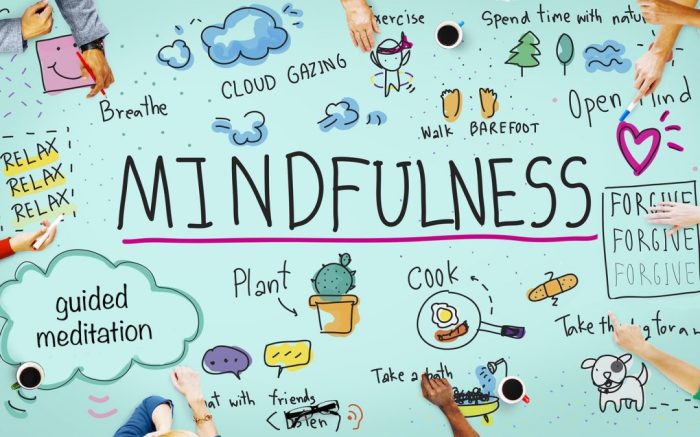
Healthy habits for promoting mindfulness

When it comes to promoting mindfulness and overall well-being, the food we consume plays a crucial role. Nourishing our bodies with nutritious meals not only benefits our physical health but also supports mental clarity and focus. Mindful eating is about being present and fully engaged with the process of eating, allowing us to appreciate the flavors and textures of our food while also being aware of our body’s hunger and fullness cues.

The Importance of Mindful Eating

Mindful eating involves paying attention to the sensory experience of eating, such as the taste, texture, and aroma of food. By practicing mindful eating, we can cultivate a deeper connection with our food, leading to better digestion and improved nutrition absorption. This approach can also help prevent overeating and promote a healthier relationship with food.

Tips for Incorporating Mindfulness into Meal Preparation and Eating Habits

  • Start by setting aside dedicated time for meals without distractions such as phones or screens.
  • Focus on the colors and presentation of your food to enhance the sensory experience.
  • Chew your food slowly and savor each bite to fully appreciate the flavors.
  • Express gratitude for the nourishment your meal provides before starting to eat.

Ingredients that Promote Mental Clarity and Focus

  • Fatty fish like salmon, rich in omega-3 fatty acids, support brain health and cognitive function.
  • Leafy greens such as spinach and kale are packed with antioxidants and vitamins that help protect the brain from oxidative stress.
  • Blueberries contain compounds that have been shown to improve memory and cognitive performance.
  • Turmeric, known for its anti-inflammatory properties, may enhance brain function and reduce the risk of neurodegenerative diseases.

Building Mental Resilience through Mindfulness

Mindfulness practices can significantly enhance mental resilience by helping individuals better cope with stress, anxiety, and challenges. By cultivating mindfulness, individuals can develop a greater sense of self-awareness, emotional regulation, and acceptance of difficult emotions or situations.

Strategies for Overcoming Challenges and Setbacks with a Mindful Approach

  • Practice deep breathing exercises to stay calm and grounded during difficult moments.
  • Engage in meditation to improve focus and clarity of thought when facing obstacles.
  • Use mindful self-compassion to treat oneself with kindness and understanding during setbacks.

The Role of Mindfulness in Developing a Positive Mindset and Coping Skills

  • Mindfulness helps individuals shift their perspective from negative to positive, fostering a resilient mindset.
  • By staying present in the moment, mindfulness enables individuals to respond to challenges with clarity and creativity.
  • Regular mindfulness practice can enhance coping skills, allowing individuals to navigate stressors more effectively.

Examples of Mindfulness Techniques for Building Mental Strength

  • Body scan meditation to connect with physical sensations and release tension.
  • Gratitude journaling to cultivate a positive outlook and resilience in the face of adversity.
  • Walking meditation to promote mindfulness in motion and enhance mental clarity.

Supporting Immune Health with Mindful Practices

Healthy habits for promoting mindfulness
Mindfulness practices not only benefit mental and emotional well-being but also play a crucial role in supporting immune health. By reducing stress and promoting relaxation, mindfulness techniques can have a positive impact on the body’s immune function.

Connection between Mindfulness and Immune Function

  • Research has shown that chronic stress can weaken the immune system, making individuals more susceptible to illnesses.
  • Mindfulness practices, such as deep breathing exercises and meditation, can help lower stress levels and reduce inflammation in the body.

How Stress Reduction Supports a Healthy Immune System

  • Reducing stress through mindfulness can enhance the production of white blood cells, which are essential for fighting off infections.
  • Lowering stress levels also helps regulate the release of stress hormones like cortisol, which can suppress immune function when elevated for prolonged periods.

Tips for Incorporating Mindfulness Practices to Boost Immune Health

  • Set aside a few minutes each day for mindfulness meditation or deep breathing exercises to help calm the mind and body.
  • Practice mindfulness while eating by focusing on the textures, flavors, and sensations of each bite, promoting mindful eating habits that support overall health.

Mindfulness Techniques for Overall Immune Support

  • Body scan meditation can help you tune into your body and identify areas of tension or discomfort that may be contributing to stress.
  • Loving-kindness meditation involves sending positive thoughts and well-wishes to yourself and others, fostering a sense of connection and emotional well-being that can positively impact immune function.

Stress Relief Strategies through Mindfulness

Mindfulness can play a crucial role in managing stress and promoting relaxation. By incorporating mindfulness practices into your daily routine, you can reduce stress levels and improve your overall well-being.

Techniques for Using Mindfulness to Reduce Stress

  • Deep Breathing Exercises: Engage in deep breathing exercises to calm your mind and body, promoting relaxation and reducing stress.
  • Body Scans: Conduct body scan exercises to bring awareness to different parts of your body, releasing tension and promoting a sense of calm.
  • Mindful Meditation: Practice mindful meditation to focus your attention on the present moment, helping to alleviate stress and anxiety.

Impact of Mindfulness on the Body’s Stress Response

  • Mindfulness can help regulate the body’s stress response by activating the relaxation response, reducing the production of stress hormones like cortisol.
  • Regular mindfulness practice can lead to lower overall stress levels and improved emotional well-being.

Examples of Mindfulness Practices for Stress Relief

  • Guided Imagery: Use guided imagery to visualize calming scenes or situations, promoting relaxation and reducing stress levels.
  • Progressive Muscle Relaxation: Practice progressive muscle relaxation to release tension in the body and promote a state of relaxation.
  • Mindful Walking: Engage in mindful walking by focusing on each step and your surroundings, promoting a sense of calm and reducing stress.

Achieving Nutritional Balance with Mindful Eating

Mindful eating is a practice that involves being fully present and aware of the food you are consuming, your thoughts, feelings, and sensations while eating. This approach helps you develop a healthier relationship with food and gain a deeper appreciation for the eating experience.

Benefits of Mindful Eating

Mindful eating can lead to improved digestion, better portion control, and overall nutritional balance. By paying attention to the taste, texture, and smell of food, you are more likely to make conscious and healthier food choices.

  • Increases awareness of hunger and fullness cues
  • Promotes a sense of satisfaction and enjoyment during meals
  • Reduces mindless eating and emotional eating habits

Tips for Practicing Mindful Eating

Here are some tips to help you cultivate mindful eating habits and make better food choices:

  1. Avoid distractions such as watching TV or using your phone while eating
  2. Eat slowly and savor each bite
  3. Pay attention to your body’s hunger and fullness signals

Mindful Eating Practices for Nutritional Balance

Practicing mindful eating can help you achieve a balanced diet and overall well-being. Here are some examples of mindful eating practices:

  1. Choose whole, nutrient-dense foods over processed options
  2. Listen to your body’s cues and stop eating when you are satisfied
  3. Be mindful of portion sizes and avoid overeating

Detailed FAQs: Healthy Habits For Promoting Mindfulness

How can mindfulness benefit our mental health?

Mindfulness helps us stay present, reduce stress, and improve our overall emotional well-being by fostering a sense of awareness and acceptance of the present moment.

What are some simple mindfulness practices we can incorporate into our daily routines?

Examples include mindful breathing exercises, body scans, and practicing gratitude or mindfulness during everyday activities like eating or walking.

How does mindfulness impact our relationships?

Mindfulness can lead to better communication, empathy, and emotional regulation in relationships, fostering deeper connections and understanding with others.

Can mindfulness help with work-related stress?

Absolutely. Mindfulness practices can reduce work-related stress by promoting focus, productivity, and a sense of calm amidst hectic work environments.

Is it possible to cultivate mindfulness in all aspects of life?

Yes, mindfulness can be integrated into various areas such as work, relationships, self-care, and even daily activities like cooking or exercising.


Healthy habits for seniors: Tips for a vibrant and fulfilling life

Healthy habits for seniors

Healthy Habits: Healthy Habits For Seniors

Healthy habits for seniors – Establishing healthy habits is crucial for seniors to maintain their well-being and quality of life as they age. These habits can help prevent chronic diseases, improve mental health, boost energy levels, and enhance overall physical function.

Examples of Healthy Habits for Seniors

  • Regular Exercise: Engaging in physical activity such as walking, swimming, or yoga can help seniors stay active, maintain muscle strength, and improve flexibility.
  • Healthy Eating: Consuming a balanced diet rich in fruits, vegetables, whole grains, and lean proteins can provide essential nutrients and support overall health.
  • Staying Hydrated: Drinking an adequate amount of water throughout the day is important for proper digestion, circulation, and kidney function.
  • Socializing: Maintaining social connections with friends, family, and community members can help prevent feelings of isolation and loneliness, promoting mental well-being.
  • Getting Sufficient Sleep: Prioritizing a good night’s sleep can improve cognitive function, mood, and overall health.
  • Regular Health Check-ups: Visiting healthcare providers for routine screenings and monitoring of health conditions can help seniors detect and address any issues early on.

By incorporating these healthy habits into their daily routine, seniors can experience increased vitality, improved mood, better physical function, and a reduced risk of developing chronic conditions. These habits play a crucial role in promoting longevity and enhancing the overall quality of life for seniors.

Emotional Wellbeing

Emotional wellbeing plays a crucial role in the overall health and quality of life for seniors. It not only affects their mental state but also has a significant impact on their physical health and longevity.

Strategies and Activities for Promoting Emotional Wellness

  • Engage in social activities: Encouraging seniors to participate in social activities such as group outings, clubs, or volunteering can help combat feelings of loneliness and isolation.
  • Practice mindfulness and meditation: Teaching seniors relaxation techniques like mindfulness and meditation can help reduce stress and anxiety, promoting emotional balance.
  • Encourage regular exercise: Physical activity releases endorphins, which can improve mood and overall emotional wellbeing.
  • Support mental health: Ensure seniors have access to mental health resources and support, including therapy or counseling if needed.

Impact of Positive Emotional Health

Positive emotional health in seniors has been linked to better physical health outcomes and increased longevity. Seniors who maintain a positive outlook and emotional wellbeing are more likely to engage in healthy behaviors, have stronger immune systems, and experience fewer chronic health conditions. By prioritizing emotional wellness, seniors can enjoy a higher quality of life and better overall health in their later years.

Healthy Aging

Aging is a natural process that everyone goes through, but healthy aging involves taking proactive steps to maintain physical, mental, and emotional well-being as we grow older. It focuses on optimizing health and quality of life in the later stages of life.

Tips for Healthy Aging

As we age, certain habits and practices can help seniors age healthily and gracefully:

  • Stay physically active through regular exercise, such as walking, swimming, or yoga, to maintain strength and flexibility.
  • Eat a balanced diet rich in fruits, vegetables, whole grains, and lean proteins to support overall health and vitality.
  • Engage in social activities and maintain strong social connections to prevent feelings of isolation and loneliness.
  • Get regular check-ups and screenings to monitor health conditions and address any issues early on.
  • Practice stress-reducing activities like meditation or deep breathing to promote emotional well-being.

Role of Healthy Habits in Healthy Aging

Healthy habits play a crucial role in supporting the aging process and preventing age-related health issues. By adopting a healthy lifestyle, seniors can enhance their overall well-being and reduce the risk of chronic diseases and mobility issues.

Active Lifestyle

Staying active is crucial for seniors to maintain their overall health and wellbeing. Engaging in regular physical activity can bring numerous benefits and significantly impact their quality of life.

Benefits of Maintaining an Active Lifestyle for Seniors

  • Improves cardiovascular health
  • Enhances flexibility and balance
  • Boosts mood and mental wellbeing
  • Helps manage weight and reduce the risk of chronic diseases

Low-Impact Exercises for Seniors

  • Walking or brisk walking
  • Swimming or water aerobics
  • Cycling on a stationary bike
  • Yoga or tai chi for flexibility and balance

How Regular Physical Activity Improves Seniors’ Mobility, Strength, and Independence

By incorporating regular physical activity into their routine, seniors can experience improved mobility, enhanced strength, and greater independence in their daily activities. Exercise helps maintain muscle mass, joint flexibility, and bone density, reducing the risk of falls and injuries. This, in turn, allows seniors to continue living an active and fulfilling life.

Cardiovascular Health

Cardiovascular health is crucial for seniors as it directly impacts their overall well-being and longevity. Maintaining a healthy heart through lifestyle choices can significantly reduce the risk of heart diseases and other related health issues.

Importance of Exercise

  • Engaging in regular physical activity, such as walking, swimming, or cycling, helps strengthen the heart muscle and improves blood circulation.
  • Cardio exercises like aerobic activities can lower blood pressure, reduce cholesterol levels, and enhance overall cardiovascular health.
  • Consistent exercise also helps maintain a healthy weight, reducing the strain on the heart and decreasing the likelihood of heart-related conditions.

Healthy Diet Choices

  • Consuming a balanced diet rich in fruits, vegetables, whole grains, lean proteins, and healthy fats can support heart health.
  • Limiting intake of processed foods, saturated fats, and added sugars can help prevent plaque buildup in the arteries and reduce the risk of heart disease.
  • Staying hydrated and avoiding excessive salt intake are also essential for maintaining cardiovascular health.

Stress Management

  • Chronic stress can negatively impact heart health, so practicing relaxation techniques like meditation, deep breathing, or yoga can help lower stress levels.
  • Engaging in hobbies, spending time with loved ones, and seeking support from a counselor or therapist can also contribute to better emotional well-being and heart health.

Healthy Recipes

As we age, it becomes increasingly important to maintain a healthy and balanced diet to support our overall health and well-being. Providing nutritious and easy-to-prepare recipes for seniors is essential in ensuring they get the necessary nutrients to stay healthy and active.

Nutritious Breakfast Smoothie

  • Ingredients:
    • 1 cup of spinach
    • 1 banana
    • 1/2 cup of blueberries
    • 1 tablespoon of chia seeds
    • 1 cup of almond milk
  • Instructions: Blend all the ingredients until smooth and enjoy this nutrient-packed smoothie to start your day on a healthy note.

Vegetable Quinoa Stir-Fry

  • Ingredients:
    • 1 cup of cooked quinoa
    • Assorted vegetables (bell peppers, broccoli, carrots)
    • 1 tablespoon of olive oil
    • 1 clove of garlic, minced
    • Soy sauce for seasoning
  • Instructions: In a pan, sauté the garlic and vegetables in olive oil, then add the cooked quinoa and soy sauce. Stir-fry until heated through and enjoy this delicious and nutritious meal.

Mental Resilience

Healthy habits for seniors
Mental resilience refers to one’s ability to adapt and bounce back from challenging or stressful situations. For seniors, mental resilience is crucial as it can help them navigate the changes and difficulties that come with aging, such as health issues, loss of loved ones, or retirement.

Strategies to Build Mental Resilience

  • Stay socially connected: Maintaining relationships with friends, family, and community members can provide a strong support system during tough times.
  • Practice mindfulness and relaxation techniques: Activities like meditation, deep breathing, or yoga can help seniors manage stress and stay calm in challenging situations.
  • Stay physically active: Regular exercise not only benefits physical health but also boosts mental well-being by releasing endorphins, the feel-good hormones.
  • Engage in hobbies and activities you enjoy: Pursuing interests and hobbies can provide a sense of purpose and fulfillment, helping seniors stay mentally sharp and resilient.

Connection with Cognitive Function and Emotional Well-being

Mental resilience plays a significant role in maintaining cognitive function and emotional well-being in seniors. When seniors are mentally resilient, they are better equipped to cope with cognitive decline, memory loss, and emotional challenges that may arise with age. By building mental resilience through the strategies mentioned above, seniors can enhance their overall well-being and quality of life as they age.

Immune Support

As seniors age, it becomes increasingly important to focus on immune support to maintain overall health and well-being. A strong immune system can help protect against illnesses and infections, which can be more severe in older adults.

Significance of Immune Support

Ensuring proper immune support is crucial for seniors as their immune system naturally weakens with age. This can make them more susceptible to infections and diseases, leading to potential health complications. By boosting their immune system, seniors can enhance their body’s ability to fight off pathogens and stay healthy.

Tips for Boosting Immune System Naturally

  • Include a variety of fruits and vegetables in your diet to provide essential vitamins and minerals that support immune function.
  • Stay hydrated by drinking an adequate amount of water daily to help flush out toxins and keep your immune system functioning optimally.
  • Engage in regular physical activity to improve circulation and promote immune system health.
  • Get enough sleep to allow your body to rest and recover, as lack of sleep can weaken the immune system.

Role of Healthy Lifestyle, Diet, and Supplements

A healthy lifestyle, including a balanced diet rich in nutrients and regular exercise, plays a significant role in strengthening seniors’ immune response. Additionally, certain supplements like vitamin C, vitamin D, and zinc can further support immune function and help fill any nutritional gaps that may exist in seniors’ diets.

Stress Relief

Stress can have a significant impact on the health and well-being of seniors. Chronic stress has been linked to various health issues such as high blood pressure, heart disease, weakened immune system, and cognitive decline. It can also exacerbate existing conditions like arthritis and diabetes, making it crucial for seniors to manage stress effectively.

Stress-Relief Techniques for Seniors

  • Engage in gentle exercises such as walking, tai chi, or yoga to reduce stress levels and promote relaxation.
  • Practice deep breathing exercises or meditation to calm the mind and body, helping to alleviate stress and anxiety.
  • Connect with friends, family, or support groups to share feelings and experiences, fostering a sense of belonging and reducing feelings of isolation.
  • Engage in hobbies or activities that bring joy and fulfillment, providing a positive outlet for stress relief.

Benefits of Managing Stress Effectively

  • Improved overall quality of life by reducing the negative impact of stress on physical and mental health.
  • Better management of chronic conditions, as stress can worsen symptoms and complications.
  • Enhanced cognitive function and mental resilience, leading to better decision-making and problem-solving abilities.
  • Boosted immune system function, helping seniors stay healthy and ward off illness.

Nutritional Balance

Maintaining a balanced diet is crucial for seniors to support their overall health and wellbeing. A diet that includes a variety of nutrients can help seniors maintain their energy levels, support their immune function, and reduce the risk of chronic diseases.

Creating Well-Rounded Meals, Healthy habits for seniors

  • Include a mix of fruits, vegetables, whole grains, lean proteins, and healthy fats in each meal.
  • Aim for a colorful plate to ensure a variety of nutrients are consumed.
  • Avoid processed foods high in sugar, salt, and unhealthy fats.
  • Stay hydrated by drinking an adequate amount of water throughout the day.

Meeting Nutritional Needs

  • Seniors may need more calcium and vitamin D to support bone health.
  • Protein intake is important for muscle maintenance and repair.
  • Include sources of omega-3 fatty acids for brain health and inflammation reduction.
  • Consult with a healthcare provider or nutritionist for personalized recommendations based on individual needs.
  • Common Queries

    How important are healthy habits for seniors?

    Establishing healthy habits is crucial for seniors as it contributes to their overall well-being, quality of life, and longevity.

    What role does emotional well-being play in senior health?

    Emotional well-being is significant for seniors as it impacts their physical health, cognitive function, and longevity.

    How can seniors boost their immune system naturally?

    Seniors can enhance their immune system naturally through a healthy lifestyle, balanced diet, and appropriate supplements.

    Why is stress relief important for seniors?

    Managing stress effectively is essential for seniors as it can greatly improve their quality of life and overall health outcomes.

    What is the significance of maintaining a nutritional balance for seniors?

    Maintaining a balanced diet is crucial for seniors as it supports their energy levels, immune function, and overall health.

Healthy habits for enhancing productivity: Tips and strategies for a more efficient work routine

Healthy habits for enhancing productivity

Healthy Habits

Maintaining healthy habits is crucial for enhancing productivity in both personal and professional life. By incorporating simple yet effective routines into your daily life, you can significantly improve your overall well-being and work performance.

Examples of Daily Healthy Habits:

  • Regular Exercise: Engaging in physical activity not only boosts your energy levels but also improves focus and concentration.
  • Healthy Eating: Fueling your body with nutritious foods can enhance brain function and productivity throughout the day.
  • Adequate Sleep: Getting enough rest is essential for cognitive function, memory consolidation, and overall productivity.
  • Hydration: Staying hydrated helps maintain optimal brain function and prevents fatigue.
  • Stress Management: Practicing mindfulness, meditation, or other relaxation techniques can reduce stress levels and improve productivity.

Importance of Establishing a Routine:

Healthy habits for enhancing productivity – Creating a daily routine that includes these healthy habits can help you stay on track and maintain consistency. When these habits become a part of your routine, they require less effort to maintain, leading to long-term benefits for your productivity and overall well-being.

Impact of Healthy Habits on Work Performance:

  • Increased Energy Levels: By following a healthy routine, you can experience higher energy levels throughout the day, enabling you to tackle tasks more efficiently.
  • Enhanced Focus and Concentration: Healthy habits such as exercise and proper nutrition can sharpen your focus and concentration, allowing you to work more effectively.
  • Improved Mood: Taking care of your physical and mental health can positively impact your mood, leading to a more positive and productive work environment.

Emotional Wellbeing

Emotional wellbeing plays a crucial role in enhancing productivity in the workplace. When employees are emotionally balanced and content, they are more likely to perform better, collaborate effectively with colleagues, and handle challenges with resilience.

Practices for Emotional Wellbeing

  • Practice mindfulness and meditation: Encouraging employees to take short breaks for mindfulness exercises can help reduce stress and improve focus.
  • Encourage open communication: Creating a supportive environment where employees feel comfortable sharing their feelings can foster emotional wellbeing.
  • Promote work-life balance: Setting clear boundaries between work and personal life can prevent burnout and improve overall emotional health.

Relationship between Emotional Health and Productivity

Emotional health directly impacts productivity levels in the workplace. Employees who are emotionally stable are better equipped to handle pressure, make sound decisions, and maintain positive relationships with coworkers. On the other hand, unresolved emotional issues can lead to decreased motivation, conflict, and reduced efficiency.

Strategies for Managing Stress

  • Encourage physical activity: Regular exercise can help reduce stress levels and improve mood.
  • Provide resources for mental health support: Offering access to counseling services or mental health resources can help employees cope with stress and emotional challenges.
  • Promote a positive work culture: Recognizing and appreciating employees’ efforts can boost morale and create a supportive work environment.

Healthy Aging

Healthy habits for enhancing productivity

As we age, it becomes increasingly important to adopt healthy habits that support overall well-being and productivity. By focusing on nutrition, exercise, and anti-aging practices, individuals can enhance their quality of life and maintain optimal function as they grow older.

Role of Nutrition and Exercise

Proper nutrition plays a vital role in healthy aging by providing essential nutrients that support bodily functions and help reduce the risk of chronic diseases. A diet rich in fruits, vegetables, whole grains, lean proteins, and healthy fats can promote longevity and vitality. Additionally, regular exercise is key to maintaining muscle mass, bone density, and cardiovascular health as we age. Physical activity also boosts mood, cognitive function, and overall well-being.

Incorporating Anti-Aging Practices

  • Stay hydrated by drinking plenty of water throughout the day to support skin health and overall hydration.
  • Get an adequate amount of sleep each night to allow your body to rest, repair, and regenerate.
  • Protect your skin from sun damage by using sunscreen and wearing protective clothing and accessories.
  • Engage in activities that stimulate the mind, such as puzzles, reading, or learning new skills, to maintain cognitive function.
  • Practice stress-reducing techniques like meditation, deep breathing, or yoga to support emotional well-being and reduce the impact of aging-related stress.

Active Lifestyle

An active lifestyle plays a crucial role in enhancing productivity by boosting energy levels, improving focus, and promoting overall well-being.

Benefits of an Active Lifestyle

  • Increased energy levels: Regular physical activity helps improve circulation and oxygen flow, leading to increased energy levels throughout the day.
  • Enhanced focus and concentration: Exercise releases endorphins that help reduce stress and improve cognitive function, leading to better focus and concentration.
  • Improved mood: Physical activity stimulates the production of serotonin and dopamine, neurotransmitters that help regulate mood and reduce feelings of anxiety and depression.

Simple Exercises to Boost Energy and Focus

  • Brisk walking: A 10-15 minute brisk walk can help increase blood flow, boost energy, and improve focus.
  • Jumping jacks: Performing a quick set of jumping jacks can elevate heart rate, increase circulation, and enhance alertness.
  • Yoga or stretching: Practicing yoga or simple stretching exercises can help relax muscles, reduce tension, and improve mental clarity.

Correlation Between Physical Activity and Mental Acuity

Studies have shown that regular physical activity is associated with improved cognitive function, memory retention, and overall mental acuity. Exercise helps stimulate the growth of new brain cells, improve neural connections, and enhance brain function, leading to better focus, creativity, and problem-solving skills.

Cardiovascular Health

Maintaining good cardiovascular health is crucial for enhancing productivity in the workplace. A healthy heart and circulatory system can improve energy levels, focus, and overall cognitive function, allowing individuals to perform at their best during work hours.

Heart-Healthy Habits

  • Follow a balanced diet rich in fruits, vegetables, whole grains, lean proteins, and healthy fats to support heart health.
  • Limit intake of processed foods, sugary drinks, and foods high in saturated and trans fats to reduce the risk of heart disease.
  • Manage stress through relaxation techniques, mindfulness, and adequate sleep to lower blood pressure and improve heart function.
  • Avoid smoking and limit alcohol consumption to protect your heart and blood vessels from damage.
  • Regularly monitor your blood pressure, cholesterol levels, and overall heart health with the guidance of a healthcare professional.

Importance of Regular Exercise, Healthy habits for enhancing productivity

Regular physical activity is essential for maintaining good cardiovascular health. Engaging in aerobic exercises like brisk walking, running, cycling, or swimming can strengthen the heart muscle, improve blood circulation, and reduce the risk of heart disease. Aim for at least 150 minutes of moderate-intensity exercise per week to keep your heart healthy and enhance your overall work performance.

Healthy Recipes: Healthy Habits For Enhancing Productivity

When it comes to enhancing productivity and focus, a key aspect to consider is the role of nutrition. Eating a well-balanced diet can significantly impact cognitive function and overall productivity. By incorporating nutritious recipes into your daily routine, you can support your brain health and optimize your performance.

Nutritious Breakfast Options

  • Start your day with a power-packed smoothie bowl made with fresh fruits, Greek yogurt, chia seeds, and a sprinkle of nuts for added crunch.
  • Opt for a nutrient-rich avocado toast topped with a poached egg and a dash of seasoning for a satisfying and energizing breakfast.

Wholesome Lunch Ideas

  • Prepare a colorful salad with mixed greens, cherry tomatoes, cucumbers, grilled chicken, and a drizzle of balsamic vinaigrette for a refreshing and filling midday meal.
  • Whip up a hearty quinoa bowl loaded with roasted vegetables, chickpeas, feta cheese, and a squeeze of lemon for a delicious and nutritious lunch option.

Flavorful Dinner Recipes

  • Cook a lean protein like salmon or tofu with a side of roasted sweet potatoes and steamed broccoli for a well-rounded and nourishing dinner.
  • Prepare a comforting vegetable stir-fry with tofu, bell peppers, snap peas, and a homemade teriyaki sauce served over brown rice for a satisfying and wholesome meal.

By incorporating these healthy recipes into your meal planning and preparation, you can fuel your body and mind with the nutrients needed to boost productivity and focus throughout the day.

Mental Resilience

Building mental resilience is crucial for improving productivity in the workplace. It involves developing the ability to adapt to challenges, setbacks, and stressors, while maintaining a positive mindset and focus on goals. By enhancing mental strength and resilience, individuals can navigate through tough situations more effectively, stay motivated, and bounce back from setbacks quicker.

Techniques for Enhancing Mental Strength and Focus

  • Practice mindfulness and meditation to improve focus and reduce stress levels.
  • Engage in regular physical exercise to boost mental clarity and overall well-being.
  • Establish a daily routine to create structure and consistency in your life.
  • Set realistic goals and break them down into smaller, manageable tasks.
  • Seek support from colleagues, mentors, or professional counselors when needed.

Strategies for Overcoming Challenges and Setbacks in the Workplace

  • View challenges as opportunities for growth and learning.
  • Stay flexible and adapt to changing circumstances.
  • Practice gratitude and focus on what you have accomplished rather than dwelling on failures.
  • Take breaks when needed to recharge and avoid burnout.
  • Communicate openly and seek feedback to learn from mistakes and improve performance.

Immune Support

Having a strong immune system is vital for maintaining productivity and overall well-being. A healthy immune system can help prevent illnesses that can disrupt your work routine and daily activities.

Immune-Boosting Habits

  • Get an adequate amount of sleep each night to allow your body to rest and recover.
  • Eat a balanced diet rich in fruits, vegetables, and whole grains to provide essential nutrients for a strong immune system.
  • Stay hydrated by drinking plenty of water throughout the day to help flush out toxins and keep your immune system functioning properly.
  • Engage in regular exercise to boost circulation and promote a healthy immune response.
  • Manage stress through relaxation techniques such as meditation or yoga, as stress can weaken the immune system.

Tips for Strengthening the Immune System

  • Include immune-boosting foods like garlic, ginger, and turmeric in your diet to help fight off infections.
  • Take vitamin supplements, such as Vitamin C and Vitamin D, to support immune function, especially during colder months.
  • Practice good hygiene by washing your hands frequently and avoiding close contact with sick individuals to reduce the risk of infection.
  • Stay up to date on vaccinations to protect yourself against common illnesses and maintain a strong immune response.

Stress Relief

In today’s fast-paced world, stress has become a common occurrence that can significantly impact our productivity. Finding effective stress-relief techniques is crucial for maintaining focus and achieving our goals.

Impact of Stress on Work Performance

  • Stress can lead to decreased concentration and memory, resulting in errors and reduced productivity.
  • Chronic stress can contribute to burnout, fatigue, and overall dissatisfaction with work.
  • High levels of stress can also affect decision-making abilities and interpersonal relationships in the workplace.

Effective Stress-Relief Techniques

  • Practice mindfulness and meditation to calm the mind and reduce anxiety.
  • Engage in regular physical activity to release endorphins and improve mood.
  • Take breaks throughout the day to relax and recharge, avoiding prolonged periods of intense work.
  • Establish boundaries between work and personal life to prevent work-related stress from spilling over into other areas.

Creating a Stress-Free Work Environment

  • Implement flexible work schedules to allow for better work-life balance and reduce stress levels.
  • Promote open communication and encourage employees to seek support when feeling overwhelmed.
  • Create a positive and supportive workplace culture that values well-being and mental health.
  • Provide resources for stress management, such as workshops, counseling services, or relaxation areas.

Nutritional Balance

Maintaining a proper nutritional balance is crucial for enhancing productivity in our daily lives. A well-rounded diet not only supports our energy levels but also plays a significant role in improving focus and cognitive function.

Tips for Achieving a Well-Rounded Diet

  • Include a variety of fruits, vegetables, whole grains, and lean proteins in your meals to ensure you are getting essential nutrients.
  • Avoid excessive consumption of processed foods, sugary snacks, and beverages high in added sugars.
  • Stay hydrated by drinking an adequate amount of water throughout the day to support optimal brain function and productivity.
  • Plan your meals in advance to prevent impulsive eating choices and ensure you are meeting your nutritional needs.
  • Consider consulting a registered dietitian to create a personalized nutrition plan tailored to your specific requirements.

The Role of Hydration in Cognitive Function

  • Hydration is key to maintaining cognitive function and productivity as even mild dehydration can lead to a decline in focus and mental clarity.
  • Drinking water helps transport essential nutrients to the brain, promoting optimal cognitive performance and enhancing productivity.
  • Aim to drink at least 8-10 glasses of water per day and increase your intake during periods of increased physical or mental activity.
  • Include hydrating foods such as fruits and vegetables in your diet to supplement your water intake and support overall hydration levels.
  • Monitor your urine color to ensure you are adequately hydrated, aiming for a pale yellow color as a sign of proper hydration.

Essential FAQs

How can daily healthy habits enhance productivity?

Establishing a routine of healthy habits can increase energy levels, focus, and overall well-being, leading to improved work performance.

What is the importance of emotional wellbeing in relation to productivity?

Emotional health directly impacts productivity by influencing motivation, decision-making, and interpersonal relationships in the workplace.

How does cardiovascular health affect work performance?

Maintaining good cardiovascular health through heart-healthy habits and regular exercise can improve energy levels and cognitive function, enhancing productivity.