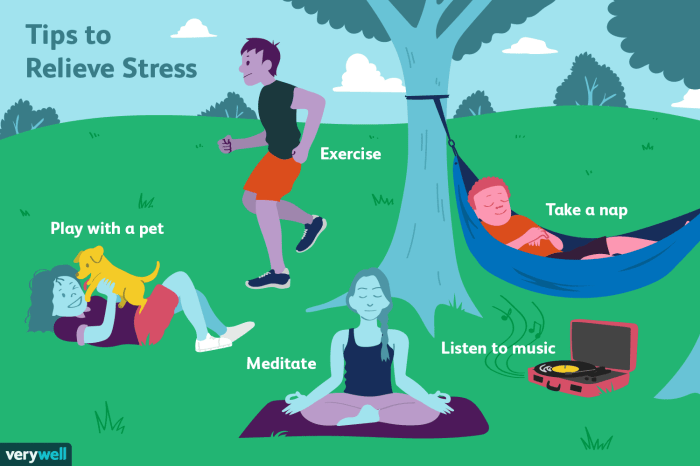
Healthy Habits
Incorporating daily healthy habits is essential for teachers to manage stress effectively and maintain overall well-being. Proper nutrition, hydration, regular exercise, and adequate sleep play a crucial role in reducing stress levels and promoting a healthy lifestyle.
Proper Nutrition and Hydration
- Ensure a balanced diet rich in fruits, vegetables, whole grains, lean proteins, and healthy fats to provide essential nutrients for optimal functioning.
- Stay hydrated by drinking an adequate amount of water throughout the day to support bodily functions and maintain energy levels.
- Avoid excessive consumption of caffeine, sugary drinks, and processed foods that can lead to energy crashes and affect mood stability.
Regular Exercise
- Engage in physical activities such as walking, jogging, yoga, or strength training to release endorphins, reduce tension, and improve mood.
- Set aside time for daily exercise routines to enhance cardiovascular health, boost immunity, and alleviate stress accumulated during the day.
- Incorporate movement breaks into your teaching schedule to rejuvenate your mind and body, promoting productivity and focus.
Adequate Sleep
- Prioritize quality sleep by establishing a consistent bedtime routine and creating a sleep-friendly environment to ensure restful and rejuvenating sleep.
- Aim for 7-9 hours of sleep per night to allow your body to repair, recharge, and prepare for the challenges of the next day.
- Avoid screen time before bed, practice relaxation techniques, and limit caffeine intake in the evening to improve the quality of your sleep.
Emotional Wellbeing
Mindfulness and meditation are powerful tools that can help teachers reduce stress levels by promoting relaxation, increasing self-awareness, and improving emotional regulation. By practicing mindfulness, teachers can learn to focus on the present moment, acknowledge their thoughts and feelings without judgment, and cultivate a sense of calmness amidst the chaos of the classroom.
Techniques for Emotional Regulation
- Deep Breathing: Encourage teachers to take deep, slow breaths when faced with challenging situations in the classroom. Deep breathing can help reduce anxiety and promote a sense of calm.
- Positive Self-Talk: Teach educators to practice positive self-talk by replacing negative thoughts with affirming statements. Remind them to be kind to themselves and acknowledge their efforts.
- Visualization: Guide teachers to visualize a peaceful place or a positive outcome to help shift their focus from stress to relaxation. Visualization techniques can be helpful in managing emotions during difficult moments.
Seeking Support
- Colleague Support: Emphasize the importance of seeking support from colleagues or mentors within the school community. Encourage teachers to share their challenges, seek advice, and collaborate with others to navigate stressful situations.
- Mental Health Professionals: Remind educators that it is okay to seek professional help from mental health professionals if they are struggling to cope with stress or emotional difficulties. Provide resources and information on accessing counseling services or therapy.
- Exercise regularly to keep your body strong and flexible.
- Follow a balanced diet rich in fruits, vegetables, and whole grains.
- Stay mentally active by learning new skills or hobbies.
- Get enough sleep to allow your body to rest and rejuvenate.
- Practice stress-relief techniques such as mindfulness, meditation, or yoga.
- Join a book club or attend workshops to continue learning and expanding your knowledge.
- Stay social by connecting with friends, family, and colleagues to maintain a strong support network.
- Engage in physical activities you enjoy, such as walking, dancing, or swimming, to keep your body moving.
- Set goals and challenges for yourself to stay motivated and focused on personal growth.
- Yoga: Practicing yoga can help teachers relax, focus, and improve flexibility.
- Cardio Workouts: Engaging in cardio exercises like running, cycling, or dancing can help release endorphins and reduce stress levels.
- Strength Training: Building muscle strength through weightlifting or bodyweight exercises can enhance overall physical health and resilience to stress.
- Schedule Regular Workouts: Set aside specific times during the week for physical activity to ensure consistency.
- Mix Up Activities: Incorporate a variety of exercises to prevent boredom and target different muscle groups.
- Listen to Your Body: Pay attention to how your body responds to exercise and adjust intensity or duration accordingly to avoid injury.
- Improves heart function and circulation
- Reduces the risk of heart disease and stroke
- Helps manage weight and reduce inflammation in the body
- Try recipes with salmon, walnuts, berries, and leafy greens
- Avoid processed foods, sugary drinks, and excessive alcohol consumption
- Stay hydrated and limit caffeine intake
- Avocado toast with a poached egg and cherry tomatoes
- Greek yogurt parfait with mixed berries and granola
- Whole grain oatmeal topped with nuts, seeds, and honey
- Quinoa salad with roasted vegetables and a lemon vinaigrette
- Grilled chicken wrap with hummus and cucumber slices
- Veggie stir-fry with tofu and brown rice
- Baked salmon with a side of quinoa and steamed broccoli
- Turkey chili served with a green salad
- Vegetarian lasagna loaded with spinach, mushrooms, and ricotta cheese
- Practice mindfulness and meditation to help manage stress and increase emotional regulation.
- Develop a strong social support system to lean on during tough times.
- Engage in regular physical activity to boost mood and reduce anxiety.
- Set realistic goals and prioritize tasks to avoid feeling overwhelmed.
- Ensure you prioritize self-care activities such as exercise, proper nutrition, and sufficient sleep.
- Practice self-compassion and avoid negative self-talk to build a positive mindset.
- Take regular breaks throughout the day to recharge and prevent burnout.
- Include immune-boosting foods in your diet such as citrus fruits, leafy greens, and yogurt.
- Stay hydrated throughout the day to support immune function.
- Engage in regular physical activity to strengthen your immune system.
- Get an adequate amount of sleep each night to allow your body to repair and regenerate.
- Aim for a variety of colorful fruits and vegetables to ensure you are getting a wide range of nutrients that support brain function and overall health.
- Incorporate lean proteins such as poultry, fish, beans, and nuts into your meals to help stabilize blood sugar levels and keep you feeling satisfied.
- Include whole grains like quinoa, brown rice, and oats to provide a steady source of energy throughout the day.
- Don’t forget healthy fats from sources like avocados, olive oil, and nuts to support brain health and mood regulation.
- Stay hydrated by drinking plenty of water throughout the day to help maintain focus and energy levels.
Healthy Aging
Maintaining physical and mental health is crucial for teachers as they age. The impact of stress on the aging process can be significant, but there are ways to mitigate its effects. Additionally, staying active and engaged in learning can help teachers lead a fulfilling life as they grow older.
Tips for Healthy Aging
Impact of Stress on Aging
Chronic stress can accelerate the aging process by affecting immune function and increasing the risk of age-related diseases.
Stress relief techniques for teachers – It is essential for teachers to manage stress effectively to maintain their health and well-being as they age.
Strategies for Staying Active and Engaged
Active Lifestyle
Leading an active lifestyle is crucial for teachers to manage stress effectively and maintain overall well-being. Incorporating physical activities into daily routines can help improve mood, boost energy levels, and reduce the negative effects of stress.
Types of Physical Activities for Teachers
Importance of Movement Breaks
Integrating short movement breaks throughout the workday is essential for teachers to prevent burnout and maintain productivity. Moving around, stretching, or going for a short walk can help refresh the mind and body, leading to improved focus and concentration.
Tips for a Balanced Exercise Routine
Cardiovascular Health
Stress can have a significant impact on cardiovascular health, leading to increased blood pressure, heart rate, and overall strain on the heart. It is essential to find ways to protect the heart and maintain a healthy cardiovascular system.
Benefits of Cardiovascular Exercise
Regular cardiovascular exercise, such as running, swimming, or cycling, can help reduce stress levels and improve heart health. Exercise helps lower blood pressure, reduce cholesterol levels, and strengthen the heart muscle. It also releases endorphins, which are natural mood lifters, promoting overall emotional wellbeing.
Heart-Healthy Recipes and Dietary Tips
Maintaining a heart-healthy diet is crucial for cardiovascular health. Include foods rich in omega-3 fatty acids, fiber, antioxidants, and vitamins. Limit intake of saturated fats, trans fats, cholesterol, and excess salt.
Eat plenty of fruits, vegetables, whole grains, lean proteins, and healthy fats like avocado and nuts.
Healthy Recipes
When it comes to managing stress, a well-balanced diet plays a crucial role in supporting overall health and well-being. As teachers juggle a busy schedule, it’s important to fuel their bodies with nutritious meals that can help them stay energized and focused throughout the day.
Meal planning is key for busy educators to maintain a healthy diet. By preparing meals in advance, teachers can ensure they have wholesome options readily available, making it easier to resist unhealthy temptations during hectic days.
Nutritious Breakfast Ideas
Healthy Lunch Options
Nutritious Dinner Recipes
Mental Resilience
Building mental resilience is crucial for teachers who often face high levels of stress in their profession. It involves the ability to adapt and bounce back from challenges, setbacks, and adversity.
Strategies for Building Resilience
Role of Self-Care Practices
Immune Support
Stress can have a significant impact on the immune function of teachers, making them more susceptible to illnesses and infections. It is crucial for educators to prioritize immune support to maintain their overall health and well-being.
Immune-Boosting Strategies
Importance of Rest and Relaxation
Rest and relaxation play a crucial role in supporting a healthy immune system. Chronic stress can weaken the immune response, making it essential for teachers to prioritize self-care and relaxation techniques.
Stress Relief: Stress Relief Techniques For Teachers
Teaching can be a stressful profession, but there are effective techniques to help teachers manage and reduce stress levels. By incorporating mindfulness, deep breathing, and relaxation exercises into their daily routine, teachers can improve their overall well-being and mental health.
Mindfulness, Stress relief techniques for teachers
Mindfulness involves being fully present in the moment and focusing on the task at hand without judgment. Teachers can practice mindfulness by taking a few minutes each day to meditate, engage in mindful breathing exercises, or simply pay attention to their thoughts and feelings without reacting.
Deep Breathing
Deep breathing exercises can help teachers relax and reduce stress by calming the nervous system. Encourage teachers to take slow, deep breaths in through their nose, hold for a few seconds, and then exhale slowly through their mouth. This can be done anytime, anywhere, to quickly alleviate stress.
Relaxation Exercises
Teachers can benefit from incorporating relaxation exercises such as progressive muscle relaxation or guided imagery into their daily routine. These techniques help release tension in the body, promote relaxation, and reduce stress levels. Encourage teachers to find a quiet space to practice these exercises regularly.
Creating a Calming Environment
It’s essential for teachers to create a calming environment both at work and at home to reduce stress levels. Encourage teachers to declutter their workspace, incorporate soothing elements like plants or calming scents, and establish boundaries to create a peaceful atmosphere. At home, teachers can create a relaxing sanctuary with soft lighting, comfortable furniture, and calming decor to unwind after a long day.
Nutritional Balance
Maintaining a balanced diet plays a crucial role in managing stress and promoting overall well-being. The food we consume directly impacts our energy levels, mood regulation, and stress resilience.
Tips for Maintaining a Balanced Diet
Impact of Food Choices on Energy Levels and Stress Resilience
Our food choices have a direct impact on our energy levels and stress resilience. Consuming sugary and processed foods can lead to energy crashes and mood swings, making it harder to cope with stress. On the other hand, nutrient-dense foods provide a steady source of energy and can help regulate stress hormones, improving our ability to handle challenging situations.
FAQs
How can teachers incorporate healthy habits into their daily routine?
Teachers can start by setting aside time for nutritious meals, staying hydrated throughout the day, and engaging in physical activity whenever possible.
What are some effective emotional regulation techniques for teachers?
Practicing mindfulness, deep breathing exercises, and seeking support from colleagues or mental health professionals can help teachers manage their emotions during challenging situations.
How does stress impact cardiovascular health in teachers?
High levels of stress can contribute to cardiovascular problems in teachers. Engaging in cardiovascular exercises, maintaining a healthy diet, and managing stress effectively are crucial for protecting heart health.