Healthy Habits
Maintaining healthy habits while traveling is essential to ensure overall well-being and energy levels. By incorporating simple practices into your routine, you can stay active and feel your best throughout your trip.
Examples of Healthy Habits:
- Start your day with a nutritious breakfast to fuel your body for the day ahead.
- Stay hydrated by carrying a reusable water bottle and drinking water regularly.
- Incorporate physical activities like walking, hiking, or cycling into your itinerary.
- Take breaks to stretch and move around, especially during long flights or car rides.
Establishing a Routine:
Having a routine while traveling can help you maintain healthy habits more effectively. By setting aside time for exercise, meals, and relaxation, you can stay on track and prioritize your well-being.
Importance of Small Activities:
Even small activities like walking to explore a new city or doing simple stretches in your hotel room can contribute to your overall well-being. These moments of movement can boost your energy levels and improve your mood during travel.
Balance Eating Habits:
While it’s tempting to indulge in local cuisine while traveling, it’s important to balance your eating habits. Enjoying local dishes in moderation and incorporating fruits, vegetables, and lean proteins into your meals can help you stay healthy and energized throughout your trip.
Emotional Wellbeing
Maintaining emotional wellbeing is crucial for staying active while traveling. The impact of stress and anxiety can hinder your motivation to engage in physical activities. It is essential to focus on managing your emotions to ensure a positive mindset that will keep you motivated throughout your journey.
Strategies for Managing Stress and Anxiety
- Practice deep breathing exercises to calm your mind and reduce stress levels.
- Engage in mindfulness activities such as yoga or meditation to stay grounded and centered.
- Stay connected with loved ones through calls or messages to alleviate feelings of loneliness or isolation.
- Set realistic expectations for your travel plans to avoid unnecessary pressure and anxiety.
Maintaining a Positive Mindset
- Acknowledge and challenge negative thoughts that may arise during your travels.
- Focus on gratitude by keeping a travel journal to reflect on positive experiences and moments of joy.
- Surround yourself with positive influences by engaging with uplifting content or music.
Relaxation Techniques for Enhancing Emotional Wellbeing
- Practice progressive muscle relaxation by tensing and releasing each muscle group in your body.
- Listen to calming music or nature sounds to create a soothing atmosphere wherever you are.
- Try aromatherapy using essential oils like lavender or chamomile to promote relaxation and reduce stress.
Healthy Aging
Staying active while traveling plays a crucial role in promoting healthy aging by helping older adults maintain their physical fitness, mobility, and overall well-being. It can contribute to improved cardiovascular health, muscle strength, flexibility, and cognitive function, which are all essential aspects of healthy aging.
Incorporating Strength Training Exercises
Strength training exercises are particularly important for older adults to maintain muscle mass and bone density, which tend to decline with age. By incorporating resistance training into their routine, older travelers can improve their strength, balance, and coordination, reducing the risk of falls and injuries. Examples of strength training exercises include bodyweight exercises, resistance band workouts, and light weightlifting.
Adapting Physical Activities for Different Fitness Levels
When traveling, it’s essential to adapt physical activities to accommodate different fitness levels. Older travelers can engage in activities such as walking, hiking, swimming, yoga, or tai chi, which can be easily modified based on individual fitness levels. It’s important to listen to your body, start slow, and gradually increase the intensity and duration of physical activities.
Low-Impact Exercises for Older Travelers
For older travelers looking to stay active, low-impact exercises are a great option to protect their joints and prevent injuries. Examples of low-impact exercises suitable for older adults include cycling, water aerobics, gentle stretching, and Pilates. These exercises help improve cardiovascular health, flexibility, and muscle tone without putting too much stress on the joints.
Active Lifestyle: How To Stay Active While Traveling
Maintaining an active lifestyle while traveling can bring numerous benefits to both your physical and mental well-being. Engaging in physical activities not only helps you stay fit but also allows you to explore new destinations in a more immersive way.
Exploring new destinations through activities like hiking, biking, or swimming can provide a unique perspective and a deeper connection to the place you are visiting. It allows you to experience the local environment firsthand and appreciate the beauty of nature up close.
Incorporating Movement into Daily Travel Itineraries
- Start your day with a morning run or walk to explore the surroundings before the crowds emerge.
- Opt for walking tours instead of bus tours to discover hidden gems and interact with locals.
- Choose accommodations with fitness facilities or nearby outdoor spaces for a quick workout.
- Try out local activities like dancing, yoga, or water sports to experience the culture in a fun and active way.
Enhancing the Travel Experience
- Regular physical activity can boost your energy levels and mood, making you more alert and engaged during your travels.
- Staying active can help you combat jet lag, improve your sleep quality, and reduce stress levels while on the road.
- Engaging in physical activities can create lasting memories and unique experiences that add depth to your travel adventures.
Cardiovascular Health
Regular physical activity plays a crucial role in maintaining cardiovascular health, especially while traveling. Engaging in aerobic exercises can significantly improve heart health and reduce the risk of cardiovascular diseases. It is essential to prioritize activities that elevate the heart rate and promote circulation to strengthen the heart muscle.
Importance of Aerobic Exercises
Aerobic exercises, such as brisk walking, jogging, cycling, or swimming, are excellent for cardiovascular health. These activities help improve blood flow, lower blood pressure, and increase overall cardiovascular fitness. While traveling, aim to incorporate at least 30 minutes of moderate-intensity aerobic exercise most days of the week to reap the benefits for your heart.
Monitoring Cardiovascular Fitness Levels
To monitor your cardiovascular fitness levels while on the road, consider using a fitness tracker or smartwatch with built-in heart rate monitoring capabilities. Keep track of your heart rate during exercise sessions and aim to gradually increase your endurance over time. Another way to assess your cardiovascular fitness is by paying attention to how quickly your heart rate recovers after physical exertion.
Cardiovascular Workouts for Travel
– Interval training: Incorporate short bursts of high-intensity exercise followed by brief periods of rest. This type of workout can be done in a hotel room or outdoor space.
– Stair climbing: Utilize stairs in your hotel or find a nearby staircase for a challenging cardiovascular workout.
– Bodyweight exercises: Perform exercises like jumping jacks, burpees, or mountain climbers to elevate your heart rate without any equipment.
– Swimming: If you have access to a pool, swimming is an excellent full-body workout that is gentle on the joints and beneficial for cardiovascular health.
– Cycling or running: Explore the local area by renting a bike or going for a run to combine sightseeing with cardiovascular exercise.
Healthy Recipes
How to stay active while traveling – When traveling, it can be challenging to maintain a healthy diet. However, preparing nutritious meals is essential to support your physical activity and overall well-being. Below are some tips and recipes to help you stay on track while on the go.
Easy Nutritious Recipes
- Quinoa Salad with Fresh Vegetables: Cook quinoa and mix it with chopped cucumbers, tomatoes, bell peppers, and a light vinaigrette dressing.
- Grilled Chicken Wraps: Grill chicken breast strips and wrap them in whole wheat tortillas with lettuce, tomatoes, and avocado slices.
- Greek Yogurt Parfait: Layer Greek yogurt with fresh berries, granola, and a drizzle of honey for a delicious and filling snack or breakfast option.
Balanced Diet for Travelers
- Include a variety of fruits, vegetables, whole grains, lean proteins, and healthy fats in your meals to ensure you’re getting all the essential nutrients.
- Avoid excessive consumption of processed foods and sugary drinks, as they can leave you feeling sluggish and tired.
- Opt for local and seasonal ingredients to explore new flavors while still maintaining a balanced diet.
Portable Snack Ideas
- Trail Mix: Combine nuts, seeds, dried fruits, and a sprinkle of dark chocolate chips for a convenient and energizing snack.
- Rice Cake with Nut Butter: Spread almond or peanut butter on a rice cake for a quick and satisfying pick-me-up between meals.
- Veggies and Hummus: Pack sliced carrots, cucumbers, and bell peppers with a side of hummus for a crunchy and nutritious snack on the go.
Mental Resilience
When it comes to staying active while traveling, mental resilience plays a crucial role in overcoming challenges and setbacks that may hinder physical activity. It involves the ability to bounce back from difficult situations and maintain a positive mindset to stay motivated.
Strategies for Overcoming Obstacles
One effective strategy for overcoming obstacles is to stay flexible and adaptable in your approach to physical activity while traveling. This may involve finding alternative workout options or adjusting your fitness routine based on the resources available in different locations.
Another important aspect is to practice mindfulness and self-awareness to stay focused on your fitness goals and avoid getting discouraged by external factors.
Setting Realistic Goals
Setting realistic goals is essential for maintaining motivation during travel. By breaking down your fitness objectives into smaller, achievable targets, you can track your progress and celebrate each milestone along the way.
It’s also important to be kind to yourself and understand that travel may bring unexpected challenges that can impact your workout routine. By setting realistic expectations, you can stay committed to your fitness journey without feeling overwhelmed.
Mental Exercises for Resilience
Engaging in mental exercises can help build resilience and perseverance while traveling. Practices such as visualization, positive affirmations, and deep breathing techniques can calm the mind and boost your confidence in overcoming obstacles.
Additionally, practicing gratitude and focusing on the present moment can help shift your perspective towards a more positive outlook, enabling you to stay motivated and resilient in pursuing your fitness goals.
Immune Support
Regular physical activity plays a crucial role in supporting immune health, especially when traveling. It can help boost the immune system, making it more resilient to pathogens encountered during the journey. Additionally, proper rest and recovery are essential to ensure the immune system functions optimally while on the go.
Impact of Physical Activity on Immune Health
Regular exercise has been shown to enhance immune function by promoting good circulation, which allows immune cells to move freely throughout the body. It also helps reduce inflammation and stress, both of which can weaken the immune system. Staying active while traveling can help maintain the body’s defense mechanisms at their best.
Tips for Boosting the Immune System through Physical Activity
– Engage in moderate-intensity exercises like brisk walking, hiking, or swimming to stimulate the immune system without causing excessive stress.
– Incorporate strength training exercises to build muscle mass, which can contribute to a stronger immune response.
– Practice yoga or meditation to reduce stress levels, as chronic stress can suppress immune function.
– Stay hydrated and maintain a balanced diet to provide the necessary nutrients for immune health.
Importance of Rest and Recovery for Immune Function, How to stay active while traveling
Adequate rest is essential for immune support, as sleep allows the body to repair and regenerate cells crucial for immune function. When traveling, prioritize quality sleep and relaxation to ensure the immune system remains robust throughout the journey.
Immune-Boosting Foods for Travelers
– Citrus fruits rich in vitamin C, such as oranges and grapefruits, can enhance immune function.
– Garlic contains allicin, a compound known for its immune-boosting properties.
– Yogurt and other probiotic-rich foods support gut health, which is closely linked to immune function.
– Leafy greens like spinach and kale provide essential vitamins and minerals for a healthy immune system.
– Nuts and seeds offer a source of antioxidants and healthy fats that support immune health.
Stress Relief
Physical activity can be a powerful tool for relieving stress, especially while traveling. The combination of exercise and exploring new surroundings can help clear the mind and promote a sense of well-being. In addition to physical activity, mindfulness practices can also play a crucial role in reducing stress levels on the road. By staying present and focused on the current moment, travelers can let go of worries about the past or future, leading to a more relaxed state of mind.
Incorporating Relaxation Exercises
- Start your day with a short meditation session to set a positive tone for the day ahead.
- Practice deep breathing exercises whenever you feel overwhelmed or anxious during your travels.
- Take short breaks throughout the day to stretch and relax your muscles, especially after long periods of sitting.
- Engage in activities like yoga or tai chi to combine physical movement with relaxation techniques.
Managing Stress Through Physical Activity
- Regular exercise releases endorphins, which are known as the body’s natural stress relievers.
- Engaging in outdoor activities like hiking or biking can help connect with nature and reduce stress levels.
- Choose activities that you enjoy and that bring you joy, whether it’s swimming, dancing, or simply taking a walk in a new city.
- Stay active throughout your travels to maintain a sense of routine and stability, even in unfamiliar environments.
Nutritional Balance
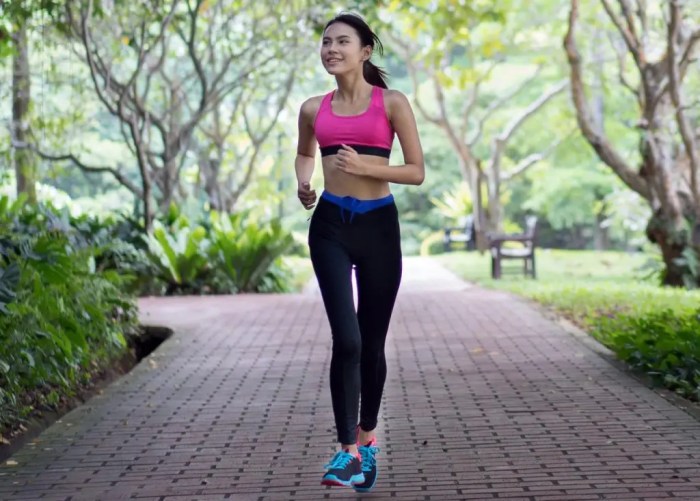
Maintaining a balanced diet is crucial for travelers to support physical activity and ensure overall well-being on the go. Planning meals that provide essential nutrients for energy and recovery is essential, as is staying hydrated while engaging in physical activities during travel. Including nutrient-rich foods in your diet can enhance performance and promote well-being while on the move.
Planning Nutrient-Rich Meals
- Start your day with a balanced breakfast that includes protein, healthy fats, and complex carbohydrates to fuel your activities.
- Include lean proteins such as chicken, fish, tofu, or legumes in your meals to support muscle recovery and growth.
- Opt for whole grains like quinoa, brown rice, or oats to provide sustained energy throughout the day.
- Incorporate a variety of colorful fruits and vegetables to ensure you get a range of vitamins, minerals, and antioxidants.
Importance of Hydration
Staying hydrated is essential for maintaining optimal performance and preventing dehydration while on the move. Always carry a reusable water bottle and aim to drink water regularly throughout the day, especially before, during, and after physical activities.
Nutrient-Rich Foods for Travelers
| Food | Nutrients |
|---|---|
| Almonds | Healthy fats, protein, fiber, vitamin E, magnesium |
| Greek yogurt | Protein, calcium, probiotics |
| Salmon | Omega-3 fatty acids, protein, vitamin D |
| Spinach | Vitamins A, C, K, iron, magnesium |
| Blueberries | Antioxidants, fiber, vitamins C, K |
User Queries
How can I stay active if I have a busy travel itinerary?
Try incorporating short bursts of physical activity like brisk walking or stretching whenever you have a moment. Every little bit helps!
What are some healthy snacks I can pack for traveling?
Opt for portable options like nuts, fruits, or granola bars to keep you fueled on the go without compromising your health goals.
How important is it to stay hydrated while traveling?
Hydration is crucial for maintaining energy levels and overall well-being, especially when engaging in physical activities during your trip.