Boost Your Immunity: Diet and Nutrition Strategies

How to improve immune support through diet and nutrition

How to improve immune support through diet and nutrition is a topic that’s gained significant attention in recent years. Our immune system, the body’s natural defense against illness, is intricately linked to the foods we consume. By making strategic choices about what we eat, we can empower our bodies to fight off infections and maintain overall well-being.

This guide explores the vital role of nutrition in bolstering our immune defenses, offering practical tips and insights to help you optimize your immune health.

From understanding the foundational role of essential nutrients to discovering power foods that pack an immune-boosting punch, we’ll delve into a comprehensive approach to immune support through diet and nutrition. We’ll also explore the importance of hydration, the potential benefits of supplements, and lifestyle factors that contribute to a robust immune system.

Whether you’re seeking to prevent illness or simply enhance your overall health, this guide provides a roadmap to a stronger, more resilient you.

The Foundation of a Strong Immune System

How to improve immune support through diet and nutrition

A robust immune system is crucial for protecting your body from infections and diseases. Nutrition plays a vital role in supporting and strengthening your immune defenses. By consuming a balanced diet rich in essential nutrients, you can empower your body to fight off invaders effectively.

The Role of Nutrition in Immune Function

Your immune system is a complex network of cells, tissues, and organs that work together to protect your body from harmful invaders such as bacteria, viruses, and parasites. Nutrition plays a crucial role in supporting the various components of your immune system, ensuring they function optimally.

A balanced diet provides the building blocks and fuel necessary for immune cells to develop, mature, and function effectively. Essential nutrients, such as vitamins, minerals, and antioxidants, directly influence the activity and responsiveness of immune cells.

Essential Nutrients for Immune Support

A diverse range of nutrients contribute to a robust immune system. Here are some of the key players:

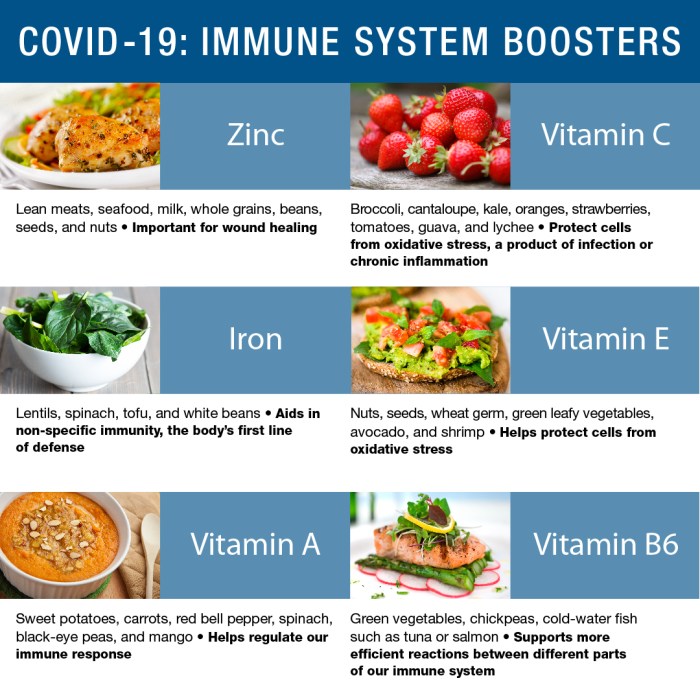
  • Vitamin C:This powerful antioxidant is essential for the production of white blood cells, which are the front-line defenders against infections. It also helps to protect cells from damage caused by free radicals, which can weaken the immune system.
  • Vitamin D:This vitamin is vital for the proper functioning of immune cells, including T cells, which are responsible for targeting and destroying infected cells.

  • Zinc:This mineral plays a crucial role in immune cell development and function. It also supports the production of white blood cells and helps to regulate the immune response.
  • Selenium:This mineral is an essential component of enzymes that protect cells from oxidative stress, which can damage immune cells and weaken the immune response.

  • Probiotics:These beneficial bacteria found in fermented foods like yogurt and kimchi contribute to a healthy gut microbiome, which plays a crucial role in immune function. A healthy gut microbiome supports the production of immune cells and helps to regulate the immune response.

Power Foods for Immune Boosting

A robust immune system relies on a steady supply of essential nutrients. Certain foods are packed with vitamins, minerals, and antioxidants that can bolster your body’s defenses against infections and illnesses. These power foods act as fuel for your immune cells, helping them function optimally.

Foods Rich in Antioxidants, Vitamins, and Minerals

Consuming a diverse range of fruits, vegetables, and whole grains provides your body with a spectrum of nutrients crucial for immune health. Here are some power foods that stand out for their immune-boosting properties:

  • Citrus fruits:Oranges, grapefruits, lemons, and limes are excellent sources of vitamin C, a potent antioxidant that supports the production of white blood cells, which are essential for fighting infections.
  • Garlic:This pungent bulb is known for its antimicrobial and antiviral properties. Garlic contains allicin, a compound that boosts the immune system and may help fight infections.
  • Ginger:Ginger has anti-inflammatory and immune-boosting properties. It can help reduce inflammation and support the body’s natural defenses against illness.
  • Leafy green vegetables:Spinach, kale, and collard greens are rich in vitamins A, C, and K, as well as antioxidants, all of which contribute to a strong immune system.
  • Bell peppers:Red bell peppers are particularly high in vitamin C, providing even more than citrus fruits. They also contain vitamin A, which is important for healthy skin and mucous membranes, the body’s first line of defense against infections.
  • Broccoli:This cruciferous vegetable is packed with vitamins C and K, as well as antioxidants like sulforaphane, which may help protect against cancer and boost immune function.
  • Yogurt:Yogurt, especially those containing live and active cultures, is a good source of probiotics, which are beneficial bacteria that support gut health. A healthy gut microbiome is essential for a strong immune system.
  • Almonds:Almonds are rich in vitamin E, a powerful antioxidant that helps protect cells from damage and supports immune function.
  • Sweet potatoes:Sweet potatoes are an excellent source of vitamin A, which is crucial for immune cell development and function. They also contain beta-carotene, which the body converts into vitamin A.

Sample Meal Plan for a Week

Incorporating these power foods into your daily diet can significantly enhance your immune system’s strength. Here’s a sample meal plan that highlights immune-boosting foods:

Day Breakfast Lunch Dinner
Monday Oatmeal with berries and a sprinkle of almonds Salad with grilled chicken, bell peppers, and spinach Salmon with roasted broccoli and a side of brown rice
Tuesday Yogurt with fruit and a drizzle of honey Turkey sandwich on whole-wheat bread with lettuce, tomato, and avocado Lentil soup with a side of whole-wheat bread
Wednesday Scrambled eggs with spinach and a slice of whole-wheat toast Chicken stir-fry with broccoli, carrots, and ginger Chicken and vegetable curry with brown rice
Thursday Smoothie with spinach, banana, and almond milk Tuna salad sandwich on whole-wheat bread with lettuce and tomato Pasta with marinara sauce and a side of leafy greens
Friday Pancakes with fruit and a sprinkle of nuts Quinoa salad with grilled tofu, bell peppers, and onions Shrimp scampi with a side of steamed vegetables
Saturday Breakfast burrito with eggs, black beans, and salsa Leftover chicken and vegetable curry Pizza with vegetables and whole-wheat crust
Sunday French toast with fruit and a sprinkle of cinnamon Soup and salad Roasted chicken with sweet potatoes and asparagus

Benefits of Specific Immune-Boosting Foods

While many foods contribute to immune health, certain foods stand out for their specific benefits:

  • Citrus fruits:Vitamin C is a potent antioxidant that supports the production of white blood cells, which are essential for fighting infections. Studies have shown that vitamin C supplementation can reduce the duration and severity of colds.
  • Garlic:Garlic contains allicin, a compound with antimicrobial and antiviral properties. Allicin has been shown to boost the immune system and may help fight infections. In one study, garlic supplements were found to reduce the incidence of colds by 63%.
  • Ginger:Ginger has anti-inflammatory and immune-boosting properties. It can help reduce inflammation and support the body’s natural defenses against illness. Ginger has also been shown to reduce nausea and vomiting, which can be helpful during illness.
  • Leafy green vegetables:Leafy green vegetables are packed with vitamins A, C, and K, as well as antioxidants, all of which contribute to a strong immune system. Vitamin A is essential for immune cell development and function, while vitamin C supports white blood cell production.

    Vitamin K is important for blood clotting and wound healing, which are crucial for recovery from illness.

The Importance of Hydration

Water is essential for life, and it plays a crucial role in maintaining a healthy immune system. Just like a well-oiled machine, our body needs the right amount of fluids to function properly.

The Role of Water in Immune Function

Water is involved in many essential bodily processes that directly impact our immune response. Here’s how:* Transporting Immune Cells:Water acts as a vehicle to transport immune cells throughout the body. These cells, like white blood cells, are responsible for fighting off infections and diseases.

Without adequate hydration, these cells may not be able to reach their destinations effectively, hindering the immune response.

Flushing Out Toxins

Water helps flush out waste products and toxins from the body. These toxins can weaken the immune system, making us more susceptible to illness.

Maintaining Body Temperature

Water helps regulate body temperature, which is essential for optimal immune function. When we are dehydrated, our bodies struggle to maintain a stable temperature, potentially impacting immune cells’ activity.

Supporting Lymphatic System

The lymphatic system, a crucial part of our immune defense, relies on adequate hydration to function properly. It carries waste and toxins away from tissues and helps circulate immune cells.

The Impact of Dehydration on the Immune System

When we are dehydrated, our bodies go into a state of stress, compromising our immune system. Here’s how dehydration affects our immune response:* Reduced Immune Cell Activity:Dehydration can decrease the number and activity of immune cells, making it harder to fight off infections.

Increased Risk of Infections

Studies have shown that dehydration can increase the risk of respiratory infections, including colds and flu.

Delayed Wound Healing

Water is crucial for wound healing. Dehydration can slow down the healing process, making us more vulnerable to infections.

Daily Water Intake Recommendations

To ensure optimal immune function, it’s essential to stay hydrated throughout the day. The recommended daily water intake varies based on factors like age, activity level, and climate. However, a general guideline is to drink around 8 glasses of water daily.

Tip:Pay attention to your body’s signals. If you feel thirsty, it’s a sign that you are already slightly dehydrated. Make sure to drink water regularly throughout the day, even when you don’t feel thirsty.

Nutritional Supplements for Immune Support

How to improve immune support through diet and nutrition

While a balanced diet provides the foundation for a strong immune system, certain nutritional supplements can offer additional support. These supplements can help fill potential gaps in nutrient intake and enhance immune function.

Benefits and Risks of Immune-Boosting Supplements

It’s important to understand both the potential benefits and risks associated with using nutritional supplements for immune support. While supplements can be helpful, they are not a substitute for a healthy diet and lifestyle.

  • Potential Benefits:Supplements like vitamin C, D, and zinc can help strengthen the immune system by supporting various immune cells and processes. For example, vitamin C is an antioxidant that helps protect cells from damage, while vitamin D plays a role in immune cell regulation.

    Zinc is essential for immune cell development and function.

  • Potential Risks:Excessive intake of certain supplements can lead to adverse effects. For instance, high doses of vitamin C can cause gastrointestinal upset, while excessive vitamin D intake can lead to calcium buildup in the body. It’s crucial to follow recommended dosage guidelines and consult with a healthcare professional before taking any supplements, especially if you have underlying health conditions or are taking medications.

Choosing and Using Supplements Safely and Effectively

Choosing and using supplements safely and effectively involves careful consideration and adherence to guidelines.

  • Choose Reputable Brands:Opt for supplements from reputable brands that have been tested for quality and purity. Look for products that have been third-party verified by organizations like NSF International or USP.
  • Follow Dosage Recommendations:Always follow the recommended dosage on the supplement label. Excessive intake can be harmful, so it’s important to stay within safe limits.
  • Consult with a Healthcare Professional:If you have any concerns about using supplements, consult with a doctor or registered dietitian. They can help you determine if supplements are right for you and recommend appropriate dosages.

Lifestyle Factors for a Healthy Immune System

In addition to diet and nutrition, several lifestyle factors play a crucial role in supporting a robust immune system. These factors influence the body’s ability to fight off infections and maintain overall health.

The Impact of Stress on Immune Function

Stress, whether physical or emotional, can significantly impact immune function. When the body experiences stress, it releases hormones like cortisol, which can suppress the immune system’s ability to fight off infections. Chronic stress can lead to a weakened immune system, making individuals more susceptible to illnesses.

  • Increased susceptibility to infections:Studies have shown that prolonged stress can increase the risk of developing common colds, flu, and other infections. This is because stress hormones suppress the immune system’s ability to fight off pathogens.
  • Impaired wound healing:Stress can also delay wound healing, as it interferes with the body’s natural repair mechanisms.

  • Exacerbation of autoimmune diseases:In individuals with autoimmune diseases, stress can trigger flare-ups and worsen symptoms.

The Importance of Regular Exercise for Immune Health

Regular exercise has a positive impact on immune function. It promotes circulation, strengthens the cardiovascular system, and helps the body effectively fight off infections. Engaging in moderate-intensity exercise for at least 30 minutes most days of the week can boost immune function.

  • Enhanced circulation:Exercise improves blood flow, allowing immune cells to circulate efficiently throughout the body, reaching areas where they are needed to fight infections.
  • Improved lymphatic drainage:Exercise helps to move lymph fluid, which contains immune cells, throughout the body, enhancing immune response.
  • Reduced inflammation:Regular exercise can help reduce chronic inflammation, which is associated with a weakened immune system.

The Benefits of Adequate Sleep for a Strong Immune System

Getting enough sleep is essential for a healthy immune system. During sleep, the body produces cytokines, proteins that help regulate immune responses and fight off infections. Adequate sleep also allows the body to repair and regenerate tissues, which is crucial for immune function.

  • Increased cytokine production:During sleep, the body produces cytokines, which are essential for immune cell communication and activation.
  • Improved cell repair and regeneration:Sleep allows the body to repair and regenerate tissues, including immune cells, enhancing immune function.
  • Enhanced antibody production:Studies have shown that sleep deprivation can reduce antibody production, making individuals more susceptible to infections.

The Role of Probiotics and Gut Health

Your gut is home to trillions of bacteria, both good and bad, collectively known as the gut microbiome. This complex ecosystem plays a crucial role in your overall health, including your immune system. A healthy gut microbiome is characterized by a balanced population of beneficial bacteria, which contribute to various functions, including immune regulation.

The Link Between Gut Health and Immune Function

The gut microbiome is intricately linked to the immune system. About 70% of the immune system is located in the gut, where it interacts with the trillions of bacteria residing there. The gut microbiome influences the development and function of the immune system by:

  • Training the Immune System:The gut microbiome exposes the immune system to a vast array of antigens, helping it to learn to distinguish between harmful pathogens and harmless microbes. This training process is essential for the immune system’s ability to respond appropriately to threats.

  • Producing Anti-inflammatory Compounds:Beneficial bacteria produce short-chain fatty acids (SCFAs), which have anti-inflammatory properties. SCFAs help to regulate immune responses and prevent excessive inflammation.
  • Creating a Barrier Against Pathogens:The gut microbiome forms a protective barrier that prevents harmful bacteria from entering the bloodstream. This barrier helps to prevent infections and maintain overall health.

How Probiotics Can Contribute to a Healthy Gut Microbiome

Probiotics are live microorganisms that, when consumed in adequate amounts, provide health benefits to the host. They are often referred to as “good bacteria” because they contribute to a healthy gut microbiome. Probiotics can:

  • Increase the Population of Beneficial Bacteria:Probiotics supplement the gut with beneficial bacteria, helping to restore balance and diversity to the microbiome.
  • Improve Digestion and Nutrient Absorption:Probiotics aid in digestion by producing enzymes that break down food and promoting the absorption of nutrients.
  • Reduce Inflammation:Probiotics can reduce inflammation in the gut by producing SCFAs and other anti-inflammatory compounds.

Incorporating Probiotics into Your Diet

There are several ways to incorporate probiotics into your diet:

  • Consume Fermented Foods:Fermented foods, such as yogurt, kefir, sauerkraut, kimchi, and miso, are naturally rich in probiotics. Look for varieties that are unsweetened and contain live and active cultures.
  • Take Probiotic Supplements:Probiotic supplements are available in various forms, including capsules, tablets, and powders. Choose supplements that contain a variety of strains and are backed by scientific evidence.
  • Make Probiotic-Rich Foods at Home:You can easily make your own fermented foods at home using readily available ingredients. There are numerous online resources and cookbooks that provide detailed instructions.

Avoiding Immune-Compromising Habits

While a healthy diet and lifestyle are crucial for a robust immune system, certain habits can undermine your body’s natural defenses. These habits can compromise your immune function, leaving you more susceptible to infections and illnesses. It’s essential to be aware of these habits and take steps to avoid them.

The Impact of Smoking and Alcohol Consumption, How to improve immune support through diet and nutrition

Smoking and excessive alcohol consumption have a detrimental effect on your immune system. Smoking damages your lungs and weakens your body’s ability to fight off infections. Nicotine, a primary component of cigarettes, impairs the function of white blood cells, which are essential for fighting off infections.

Additionally, smoking can increase your risk of chronic diseases like lung cancer and heart disease, further compromising your overall health.

Alcohol consumption, particularly in excess, also weakens your immune system. Excessive alcohol intake can suppress the immune response, making you more vulnerable to infections. It can also damage your liver, which plays a crucial role in filtering toxins and producing immune cells.

Limiting alcohol consumption or abstaining altogether is essential for maintaining a healthy immune system.

The Importance of Avoiding Processed Foods and Excessive Sugar Intake

Processed foods and excessive sugar intake can significantly impact your immune health. Processed foods are often high in unhealthy fats, sugar, and sodium, which can contribute to inflammation and weaken your immune system. Excessive sugar intake can lead to insulin resistance, which can further suppress your immune response.

Additionally, sugar can feed harmful bacteria in your gut, potentially disrupting the delicate balance of your gut microbiome, which is crucial for a healthy immune system.

  • Opt for whole, unprocessed foods like fruits, vegetables, lean protein, and whole grains. These foods are packed with essential nutrients that support a strong immune system.
  • Limit your intake of processed foods, sugary drinks, and refined carbohydrates. These foods provide little nutritional value and can contribute to inflammation and weakened immunity.

Maintaining a Healthy Weight for Immune Health

Maintaining a healthy weight is crucial for a robust immune system. Obesity can contribute to chronic inflammation, which weakens your immune response. Excess body fat can also disrupt the balance of your gut microbiome, further compromising your immune function.

If you are overweight or obese, losing even a small amount of weight can have a significant impact on your immune health. Aim for gradual weight loss through a balanced diet and regular exercise. Talk to your doctor about a weight management plan that is right for you.

Seeking Professional Guidance

While this guide provides valuable information on boosting your immune system, it’s crucial to remember that everyone is unique. A one-size-fits-all approach to diet and nutrition may not be the best strategy for everyone.

Personalized Dietary Advice

Consulting with a healthcare professional, specifically a registered dietitian or nutritionist, is essential for personalized dietary advice. These professionals are trained to assess your individual needs, taking into account factors such as your medical history, current health status, allergies, and lifestyle.

They can help you develop a customized dietary plan that supports your immune system while meeting your overall health goals.

When to Seek Medical Attention

While a healthy diet and lifestyle can significantly contribute to a strong immune system, it’s important to seek medical attention if you experience any concerning symptoms related to your immune system. These may include:

  • Frequent or persistent infections
  • Unexplained weight loss
  • Fatigue that doesn’t improve with rest
  • Swollen lymph nodes
  • Recurring skin rashes or sores

These symptoms could indicate an underlying health condition that requires medical intervention.

Finding Qualified Nutritionists and Dietitians

Finding a qualified nutritionist or dietitian is essential for receiving accurate and personalized advice. Here are some resources to help you find a professional in your area:

  • Academy of Nutrition and Dietetics:This professional organization offers a search tool to find registered dietitians in your location. You can filter your search by specialty, such as sports nutrition, weight management, or pediatrics.
  • American College of Lifestyle Medicine:This organization offers a directory of healthcare professionals specializing in lifestyle medicine, including nutritionists and dietitians.
  • Your primary care physician:Your doctor can recommend qualified nutritionists or dietitians in your area who have experience working with patients with similar health concerns.

Ultimate Conclusion: How To Improve Immune Support Through Diet And Nutrition

By embracing a diet rich in immune-boosting foods, staying hydrated, incorporating healthy lifestyle habits, and seeking professional guidance when needed, you can empower your body’s natural defenses and enjoy a healthier, more vibrant life. Remember, the power to strengthen your immune system lies within your own choices.

Nourish your body wisely, and reap the rewards of a robust and resilient immune system.

FAQ Compilation

What are some easy ways to incorporate more immune-boosting foods into my diet?

Start by adding a variety of colorful fruits and vegetables to your meals. Include citrus fruits, berries, leafy greens, garlic, and ginger. Try adding a handful of nuts or seeds to your yogurt or salads. And don’t forget about the power of spices like turmeric and cinnamon, which have anti-inflammatory properties.

How much water should I drink daily for optimal immune function?

Aim for at least 8 glasses of water per day. Your individual needs may vary depending on your activity level and climate. Listen to your body and drink water throughout the day, especially when you feel thirsty.

Are there any foods I should avoid to support my immune system?

Limit processed foods, sugary drinks, and excessive amounts of saturated and unhealthy fats. These foods can contribute to inflammation and weaken your immune system. Focus on whole, unprocessed foods as much as possible.
Herbal teas for immune support – Boosting your health with natures remedies

Herbal teas for immune support

Introduction to Herbal Teas for Immune Support

Herbal teas for immune support

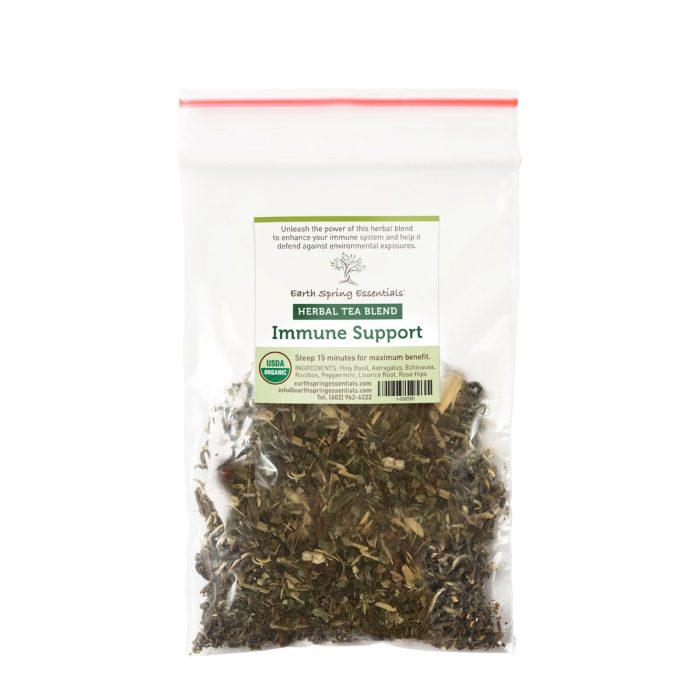
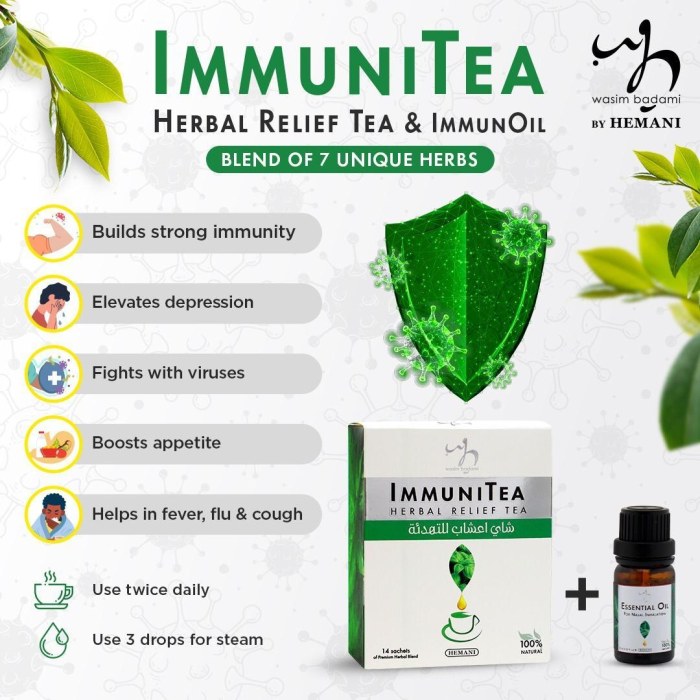
Herbal teas for immune support – Herbal teas are beverages made from the infusion of herbs, flowers, fruits, or other plant materials in hot water. They have been used for centuries in traditional medicine for their various health benefits, including supporting the immune system.

Incorporating herbal teas into a daily routine can provide a natural way to boost the immune system and enhance overall well-being. These teas are rich in antioxidants, vitamins, and minerals that help strengthen the body’s defense mechanism against infections and illnesses.

Benefits of Herbal Teas for Immune Health

  • Antioxidant-rich: Herbal teas contain powerful antioxidants that protect the body from free radicals and oxidative stress, reducing the risk of chronic diseases.
  • Anti-inflammatory properties: Many herbal teas have anti-inflammatory effects, which can help reduce inflammation in the body and support immune function.
  • Rich in vitamins and minerals: Herbal teas are a natural source of essential nutrients like vitamin C, zinc, and iron, which are crucial for a strong immune system.
  • Calming and stress-relieving: Some herbal teas have calming properties that can help reduce stress levels, which in turn can positively impact immune health.

Types of Herbal Teas for Immune Support

When it comes to herbal teas for immune support, there are several popular herbs known for their immune-boosting properties. These herbs are often used in teas to help strengthen the body’s defenses against illnesses and promote overall well-being.

Echinacea

Echinacea is a well-known herb that is commonly used to support the immune system. It is believed to help stimulate the production of white blood cells, which are essential for fighting off infections. Echinacea also has anti-inflammatory properties that can help reduce inflammation in the body.

Ginger

Ginger is another herb that is commonly used in herbal teas for immune support. It is known for its warming properties and its ability to help reduce inflammation. Ginger also has antimicrobial properties that can help fight off infections and boost the immune system.

Elderberry

Elderberry is a powerful immune-boosting herb that is rich in antioxidants and vitamins. It is often used to help support the immune system and prevent colds and flu. Elderberry is believed to help reduce the duration and severity of cold and flu symptoms.

Brewing and Consumption of Herbal Teas

When it comes to brewing and consuming herbal teas for immune support, there are certain guidelines to follow to ensure you get the maximum benefits. Here are some tips to help you make the most of your herbal tea consumption.

Guidelines for Brewing Herbal Teas

  • Start by boiling water and allowing it to cool slightly before adding your herbs. Boiling water can destroy some of the beneficial properties of the herbs.
  • Use about 1 teaspoon of dried herbs per cup of water. If using fresh herbs, you may need to use more.
  • Let the herbs steep for at least 5-10 minutes to extract their medicinal properties fully.
  • Strain the herbs before drinking to prevent any debris from getting into your tea.

Ideal Times to Consume Herbal Teas for Immune Support

  • Start your day with a cup of herbal tea to kickstart your immune system and provide a boost of nutrients.
  • Have a cup of herbal tea mid-morning or mid-afternoon to keep your immune system supported throughout the day.
  • Consider having a cup of herbal tea in the evening to help you relax and unwind while still supporting your immune system.

Healthy Habits

Incorporating herbal teas into your routine can complement other healthy habits such as regular exercise and balanced nutrition. The synergy between herbal teas and a healthy lifestyle plays a crucial role in supporting overall well-being.

Benefits of Herbal Teas with Healthy Habits

  • Provides antioxidants: Herbal teas are rich in antioxidants that help fight free radicals in the body, promoting overall health and well-being.
  • Hydration: Drinking herbal teas helps keep you hydrated, which is essential for maintaining optimal bodily functions.
  • Boosts immune system: The natural compounds in herbal teas can help strengthen the immune system, making it more resilient to illnesses.
  • Supports relaxation: Certain herbal teas like chamomile or lavender can aid in relaxation and stress relief, contributing to overall mental and emotional well-being.

Emotional Wellbeing

Herbal teas play a significant role in promoting emotional balance and reducing stress. The calming effects of certain herbs can help soothe the mind and body, providing a sense of relaxation and peace.

Calming Herbs in Herbal Teas

  • Lavender: Known for its calming properties, lavender can help reduce anxiety and promote relaxation.
  • Chamomile: A popular choice for bedtime tea, chamomile has soothing effects that can aid in reducing stress and improving sleep quality.
  • Peppermint: Not only does peppermint tea help with digestion, but it also has a refreshing and calming effect on the mind.
  • Lemon Balm: This herb is known to help reduce stress and anxiety, promoting a sense of calmness and well-being.

Healthy Aging: Herbal Teas For Immune Support

Antioxidants found in herbal teas play a crucial role in promoting healthy aging by combating oxidative stress and inflammation in the body. These compounds help protect cells from damage caused by free radicals, which can contribute to aging-related conditions such as heart disease, diabetes, and cognitive decline.

Antioxidants and Immune Support, Herbal teas for immune support

Antioxidants present in herbal teas, such as green tea, rooibos, and hibiscus tea, help boost the immune system by neutralizing harmful free radicals that can weaken the body’s defenses. By strengthening the immune response, these teas can support overall health and reduce the risk of age-related illnesses.

Anti-Inflammatory Properties

Certain herbal teas like ginger, turmeric, and peppermint tea contain anti-inflammatory compounds that can help reduce inflammation in the body. Chronic inflammation is linked to various age-related diseases, including arthritis, heart disease, and Alzheimer’s. By incorporating these teas into your daily routine, you can potentially lower inflammation levels and promote healthy aging.

Skin Health Benefits

Herbal teas rich in antioxidants, such as chamomile and dandelion tea, can also benefit skin health and promote a youthful appearance. Antioxidants help protect the skin from damage caused by UV radiation and environmental pollutants, reducing the signs of aging like wrinkles and fine lines. By maintaining healthy skin, you can support the overall aging process and feel more confident in your appearance.

Active Lifestyle

Herbal teas can play a significant role in enhancing energy levels and supporting an active lifestyle. By incorporating specific herbal teas into your routine, you can experience improved stamina and vitality to keep up with your physical activities.

Herbal Teas for Pre or Post-Workout

When it comes to pre or post-workout herbal teas, options like green tea, ginseng tea, and peppermint tea are excellent choices. Green tea is known for its metabolism-boosting properties and can provide a gentle energy boost before a workout. Ginseng tea, on the other hand, can help increase endurance and reduce fatigue, making it ideal for post-workout recovery. Lastly, peppermint tea can aid in digestion and soothe muscle aches, making it a refreshing option after a strenuous workout.

Cardiovascular Health

When it comes to cardiovascular health, herbal teas can play a significant role in supporting a healthy heart and complementing heart-healthy habits. The consumption of certain herbs in the form of teas has been linked to a range of benefits for the cardiovascular system.

Specific Herbs for Heart Health

There are several specific herbs known for their positive impact on heart health when consumed as teas. These herbs include:

  • Hawthorn: Known for its ability to support heart function and improve circulation.
  • Green Tea: Rich in antioxidants that can help reduce the risk of heart disease.
  • Hibiscus: Helps lower blood pressure and cholesterol levels, promoting overall heart health.
  • Ginger: Anti-inflammatory properties that can benefit cardiovascular health by reducing inflammation.

Healthy Recipes

Herbal teas for immune support
Incorporating herbal teas into recipes can be a delicious way to boost your immune system and overall health. Here are some creative ideas on how to use herbal teas in your everyday meals for added health benefits.

Herbal Iced Tea

  • Prepare a strong batch of your favorite herbal tea and let it cool.
  • Add some fresh fruit slices like lemon, orange, or berries for a refreshing twist.
  • For a touch of sweetness, add a drizzle of honey or maple syrup.
  • Pour over ice and enjoy a revitalizing and hydrating herbal iced tea.

Herbal Tea Smoothie

  • Brew a concentrated herbal tea and allow it to cool completely.
  • In a blender, combine the tea with your choice of fruits, greens, and a splash of coconut water or almond milk.
  • Add a scoop of protein powder or chia seeds for an extra nutritional boost.
  • Blend until smooth and creamy for a nutritious and flavorful herbal tea smoothie.

Mental Resilience

Herbal teas can play a significant role in enhancing mental resilience and cognitive function. By incorporating certain herbs known for their calming and focusing effects, individuals can better manage stress, improve concentration, and boost overall mental well-being.

Calming Effects of Herbal Teas

  • Chamomile tea: Chamomile is a popular herb known for its calming properties. It can help reduce anxiety, promote relaxation, and improve sleep quality.
  • Lemon balm tea: Lemon balm is another herb that can help alleviate stress and anxiety. It is believed to have a calming effect on the mind, making it easier to focus and concentrate.
  • Lavender tea: Lavender is often used for its soothing aroma, which can have a calming effect on the nervous system. Drinking lavender tea may help reduce stress and promote a sense of calmness.

Focusing Effects of Herbal Teas

  • Peppermint tea: Peppermint is known for its invigorating properties that can help enhance focus and concentration. It may also aid in relieving mental fatigue and improving cognitive function.
  • Ginkgo biloba tea: Ginkgo biloba is a herb that is believed to improve memory and cognitive function. Drinking ginkgo biloba tea may help enhance mental clarity and focus.
  • Rosemary tea: Rosemary is an herb that has been associated with improved cognitive performance. It may help enhance concentration and memory retention.

Immune Support

Herbal teas are known for their immune-boosting properties, helping to strengthen the body’s natural defense mechanisms.

Specific Mechanisms of Herbal Teas for Immune Support

Various herbs used in herbal teas contain compounds that can enhance the immune system in different ways. For example, echinacea is known for its ability to stimulate the immune system and increase the production of white blood cells, which play a key role in fighting off infections. Elderberry, on the other hand, is rich in antioxidants that help reduce inflammation and support immune function.

Comparison of Different Herbs for Immune Support

  • Echinacea: Boosts immune function and reduces the duration of colds and respiratory infections.
  • Ginger: Has anti-inflammatory properties that can help support the immune system and reduce the risk of chronic diseases.
  • Turmeric: Contains curcumin, a compound with powerful anti-inflammatory and antioxidant effects that can enhance immune function.
  • Peppermint: Supports digestion and can help soothe symptoms of respiratory conditions, indirectly supporting immune health.

Stress Relief

When it comes to managing stress and finding moments of relaxation, herbal teas can be a soothing and comforting option. The natural ingredients in herbal teas have been known to help calm the mind and body, promoting a sense of tranquility.

Incorporating Herbal Teas for Stress Relief

One way to incorporate herbal teas into your stress-relieving rituals is to create a calming tea-drinking routine. Start by setting aside a specific time each day to enjoy a cup of herbal tea in a quiet and peaceful environment. This can become a mindfulness practice that signals to your body and mind that it is time to unwind and de-stress.

  • Choose herbal teas known for their calming properties, such as chamomile, lavender, or lemon balm.
  • Brew your herbal tea mindfully, paying attention to the aroma and the warmth of the cup in your hands.
  • Sit down in a comfortable spot, take slow sips of your tea, and focus on the present moment, letting go of any stressful thoughts or worries.
  • Pair your herbal tea with relaxation techniques like deep breathing, meditation, or gentle stretches to enhance the calming effects.

Remember, the act of preparing and savoring a cup of herbal tea can be a simple yet powerful way to create a moment of peace and relaxation in your day.

Nutritional Balance

Herbal teas play a crucial role in contributing to overall nutritional balance in a daily diet. These teas are packed with essential vitamins, minerals, and antioxidants that can complement a diet rich in essential nutrients.

Benefits of Herbal Teas for Nutritional Balance

  • Herbal teas are rich in antioxidants that help protect the body’s cells from damage caused by free radicals.
  • Some herbal teas, like green tea, contain catechins that can aid in weight management and support a healthy metabolism.
  • Herbal teas such as chamomile and peppermint can aid in digestion and help maintain a healthy gut.
  • Drinking herbal teas can also help in staying hydrated, contributing to overall well-being.

General Inquiries

How often should I drink herbal teas for immune support?

It’s recommended to consume herbal teas for immune support daily to reap their full benefits and strengthen your immune system consistently.

Can herbal teas replace medication for immune support?

While herbal teas can complement a healthy lifestyle and support your immune system, they are not meant to replace prescribed medications. It’s important to consult with a healthcare professional for proper medical advice.

Are there any side effects of consuming herbal teas for immune support?

Most herbal teas are safe for consumption, but it’s advisable to be aware of potential allergies or interactions with certain medications. If in doubt, consult a healthcare provider before incorporating herbal teas into your routine.

How to stay active while traveling: Tips for a Healthy Journey

How to stay active while traveling

Healthy Habits

Maintaining healthy habits while traveling is essential to ensure overall well-being and energy levels. By incorporating simple practices into your routine, you can stay active and feel your best throughout your trip.

Examples of Healthy Habits:

  • Start your day with a nutritious breakfast to fuel your body for the day ahead.
  • Stay hydrated by carrying a reusable water bottle and drinking water regularly.
  • Incorporate physical activities like walking, hiking, or cycling into your itinerary.
  • Take breaks to stretch and move around, especially during long flights or car rides.

Establishing a Routine:

Having a routine while traveling can help you maintain healthy habits more effectively. By setting aside time for exercise, meals, and relaxation, you can stay on track and prioritize your well-being.

Importance of Small Activities:

Even small activities like walking to explore a new city or doing simple stretches in your hotel room can contribute to your overall well-being. These moments of movement can boost your energy levels and improve your mood during travel.

Balance Eating Habits:

While it’s tempting to indulge in local cuisine while traveling, it’s important to balance your eating habits. Enjoying local dishes in moderation and incorporating fruits, vegetables, and lean proteins into your meals can help you stay healthy and energized throughout your trip.

Emotional Wellbeing

Maintaining emotional wellbeing is crucial for staying active while traveling. The impact of stress and anxiety can hinder your motivation to engage in physical activities. It is essential to focus on managing your emotions to ensure a positive mindset that will keep you motivated throughout your journey.

Strategies for Managing Stress and Anxiety

  • Practice deep breathing exercises to calm your mind and reduce stress levels.
  • Engage in mindfulness activities such as yoga or meditation to stay grounded and centered.
  • Stay connected with loved ones through calls or messages to alleviate feelings of loneliness or isolation.
  • Set realistic expectations for your travel plans to avoid unnecessary pressure and anxiety.

Maintaining a Positive Mindset

  • Acknowledge and challenge negative thoughts that may arise during your travels.
  • Focus on gratitude by keeping a travel journal to reflect on positive experiences and moments of joy.
  • Surround yourself with positive influences by engaging with uplifting content or music.

Relaxation Techniques for Enhancing Emotional Wellbeing

  • Practice progressive muscle relaxation by tensing and releasing each muscle group in your body.
  • Listen to calming music or nature sounds to create a soothing atmosphere wherever you are.
  • Try aromatherapy using essential oils like lavender or chamomile to promote relaxation and reduce stress.

Healthy Aging

Staying active while traveling plays a crucial role in promoting healthy aging by helping older adults maintain their physical fitness, mobility, and overall well-being. It can contribute to improved cardiovascular health, muscle strength, flexibility, and cognitive function, which are all essential aspects of healthy aging.

Incorporating Strength Training Exercises

Strength training exercises are particularly important for older adults to maintain muscle mass and bone density, which tend to decline with age. By incorporating resistance training into their routine, older travelers can improve their strength, balance, and coordination, reducing the risk of falls and injuries. Examples of strength training exercises include bodyweight exercises, resistance band workouts, and light weightlifting.

Adapting Physical Activities for Different Fitness Levels

When traveling, it’s essential to adapt physical activities to accommodate different fitness levels. Older travelers can engage in activities such as walking, hiking, swimming, yoga, or tai chi, which can be easily modified based on individual fitness levels. It’s important to listen to your body, start slow, and gradually increase the intensity and duration of physical activities.

Low-Impact Exercises for Older Travelers

For older travelers looking to stay active, low-impact exercises are a great option to protect their joints and prevent injuries. Examples of low-impact exercises suitable for older adults include cycling, water aerobics, gentle stretching, and Pilates. These exercises help improve cardiovascular health, flexibility, and muscle tone without putting too much stress on the joints.

Active Lifestyle: How To Stay Active While Traveling

Maintaining an active lifestyle while traveling can bring numerous benefits to both your physical and mental well-being. Engaging in physical activities not only helps you stay fit but also allows you to explore new destinations in a more immersive way.

Exploring new destinations through activities like hiking, biking, or swimming can provide a unique perspective and a deeper connection to the place you are visiting. It allows you to experience the local environment firsthand and appreciate the beauty of nature up close.

Incorporating Movement into Daily Travel Itineraries

  • Start your day with a morning run or walk to explore the surroundings before the crowds emerge.
  • Opt for walking tours instead of bus tours to discover hidden gems and interact with locals.
  • Choose accommodations with fitness facilities or nearby outdoor spaces for a quick workout.
  • Try out local activities like dancing, yoga, or water sports to experience the culture in a fun and active way.

Enhancing the Travel Experience

  • Regular physical activity can boost your energy levels and mood, making you more alert and engaged during your travels.
  • Staying active can help you combat jet lag, improve your sleep quality, and reduce stress levels while on the road.
  • Engaging in physical activities can create lasting memories and unique experiences that add depth to your travel adventures.

Cardiovascular Health

Regular physical activity plays a crucial role in maintaining cardiovascular health, especially while traveling. Engaging in aerobic exercises can significantly improve heart health and reduce the risk of cardiovascular diseases. It is essential to prioritize activities that elevate the heart rate and promote circulation to strengthen the heart muscle.

Importance of Aerobic Exercises

Aerobic exercises, such as brisk walking, jogging, cycling, or swimming, are excellent for cardiovascular health. These activities help improve blood flow, lower blood pressure, and increase overall cardiovascular fitness. While traveling, aim to incorporate at least 30 minutes of moderate-intensity aerobic exercise most days of the week to reap the benefits for your heart.

Monitoring Cardiovascular Fitness Levels

To monitor your cardiovascular fitness levels while on the road, consider using a fitness tracker or smartwatch with built-in heart rate monitoring capabilities. Keep track of your heart rate during exercise sessions and aim to gradually increase your endurance over time. Another way to assess your cardiovascular fitness is by paying attention to how quickly your heart rate recovers after physical exertion.

Cardiovascular Workouts for Travel

– Interval training: Incorporate short bursts of high-intensity exercise followed by brief periods of rest. This type of workout can be done in a hotel room or outdoor space.
– Stair climbing: Utilize stairs in your hotel or find a nearby staircase for a challenging cardiovascular workout.
– Bodyweight exercises: Perform exercises like jumping jacks, burpees, or mountain climbers to elevate your heart rate without any equipment.
– Swimming: If you have access to a pool, swimming is an excellent full-body workout that is gentle on the joints and beneficial for cardiovascular health.
– Cycling or running: Explore the local area by renting a bike or going for a run to combine sightseeing with cardiovascular exercise.

Healthy Recipes

How to stay active while traveling – When traveling, it can be challenging to maintain a healthy diet. However, preparing nutritious meals is essential to support your physical activity and overall well-being. Below are some tips and recipes to help you stay on track while on the go.

Easy Nutritious Recipes

  • Quinoa Salad with Fresh Vegetables: Cook quinoa and mix it with chopped cucumbers, tomatoes, bell peppers, and a light vinaigrette dressing.
  • Grilled Chicken Wraps: Grill chicken breast strips and wrap them in whole wheat tortillas with lettuce, tomatoes, and avocado slices.
  • Greek Yogurt Parfait: Layer Greek yogurt with fresh berries, granola, and a drizzle of honey for a delicious and filling snack or breakfast option.

Balanced Diet for Travelers

  • Include a variety of fruits, vegetables, whole grains, lean proteins, and healthy fats in your meals to ensure you’re getting all the essential nutrients.
  • Avoid excessive consumption of processed foods and sugary drinks, as they can leave you feeling sluggish and tired.
  • Opt for local and seasonal ingredients to explore new flavors while still maintaining a balanced diet.

Portable Snack Ideas

  • Trail Mix: Combine nuts, seeds, dried fruits, and a sprinkle of dark chocolate chips for a convenient and energizing snack.
  • Rice Cake with Nut Butter: Spread almond or peanut butter on a rice cake for a quick and satisfying pick-me-up between meals.
  • Veggies and Hummus: Pack sliced carrots, cucumbers, and bell peppers with a side of hummus for a crunchy and nutritious snack on the go.

Mental Resilience

When it comes to staying active while traveling, mental resilience plays a crucial role in overcoming challenges and setbacks that may hinder physical activity. It involves the ability to bounce back from difficult situations and maintain a positive mindset to stay motivated.

Strategies for Overcoming Obstacles

One effective strategy for overcoming obstacles is to stay flexible and adaptable in your approach to physical activity while traveling. This may involve finding alternative workout options or adjusting your fitness routine based on the resources available in different locations.

Another important aspect is to practice mindfulness and self-awareness to stay focused on your fitness goals and avoid getting discouraged by external factors.

Setting Realistic Goals

Setting realistic goals is essential for maintaining motivation during travel. By breaking down your fitness objectives into smaller, achievable targets, you can track your progress and celebrate each milestone along the way.

It’s also important to be kind to yourself and understand that travel may bring unexpected challenges that can impact your workout routine. By setting realistic expectations, you can stay committed to your fitness journey without feeling overwhelmed.

Mental Exercises for Resilience

Engaging in mental exercises can help build resilience and perseverance while traveling. Practices such as visualization, positive affirmations, and deep breathing techniques can calm the mind and boost your confidence in overcoming obstacles.

Additionally, practicing gratitude and focusing on the present moment can help shift your perspective towards a more positive outlook, enabling you to stay motivated and resilient in pursuing your fitness goals.

Immune Support

Regular physical activity plays a crucial role in supporting immune health, especially when traveling. It can help boost the immune system, making it more resilient to pathogens encountered during the journey. Additionally, proper rest and recovery are essential to ensure the immune system functions optimally while on the go.

Impact of Physical Activity on Immune Health

Regular exercise has been shown to enhance immune function by promoting good circulation, which allows immune cells to move freely throughout the body. It also helps reduce inflammation and stress, both of which can weaken the immune system. Staying active while traveling can help maintain the body’s defense mechanisms at their best.

Tips for Boosting the Immune System through Physical Activity

– Engage in moderate-intensity exercises like brisk walking, hiking, or swimming to stimulate the immune system without causing excessive stress.
– Incorporate strength training exercises to build muscle mass, which can contribute to a stronger immune response.
– Practice yoga or meditation to reduce stress levels, as chronic stress can suppress immune function.
– Stay hydrated and maintain a balanced diet to provide the necessary nutrients for immune health.

Importance of Rest and Recovery for Immune Function, How to stay active while traveling

Adequate rest is essential for immune support, as sleep allows the body to repair and regenerate cells crucial for immune function. When traveling, prioritize quality sleep and relaxation to ensure the immune system remains robust throughout the journey.

Immune-Boosting Foods for Travelers

– Citrus fruits rich in vitamin C, such as oranges and grapefruits, can enhance immune function.
– Garlic contains allicin, a compound known for its immune-boosting properties.
– Yogurt and other probiotic-rich foods support gut health, which is closely linked to immune function.
– Leafy greens like spinach and kale provide essential vitamins and minerals for a healthy immune system.
– Nuts and seeds offer a source of antioxidants and healthy fats that support immune health.

Stress Relief

Physical activity can be a powerful tool for relieving stress, especially while traveling. The combination of exercise and exploring new surroundings can help clear the mind and promote a sense of well-being. In addition to physical activity, mindfulness practices can also play a crucial role in reducing stress levels on the road. By staying present and focused on the current moment, travelers can let go of worries about the past or future, leading to a more relaxed state of mind.

Incorporating Relaxation Exercises

  • Start your day with a short meditation session to set a positive tone for the day ahead.
  • Practice deep breathing exercises whenever you feel overwhelmed or anxious during your travels.
  • Take short breaks throughout the day to stretch and relax your muscles, especially after long periods of sitting.
  • Engage in activities like yoga or tai chi to combine physical movement with relaxation techniques.

Managing Stress Through Physical Activity

  • Regular exercise releases endorphins, which are known as the body’s natural stress relievers.
  • Engaging in outdoor activities like hiking or biking can help connect with nature and reduce stress levels.
  • Choose activities that you enjoy and that bring you joy, whether it’s swimming, dancing, or simply taking a walk in a new city.
  • Stay active throughout your travels to maintain a sense of routine and stability, even in unfamiliar environments.

Nutritional Balance

How to stay active while traveling
Maintaining a balanced diet is crucial for travelers to support physical activity and ensure overall well-being on the go. Planning meals that provide essential nutrients for energy and recovery is essential, as is staying hydrated while engaging in physical activities during travel. Including nutrient-rich foods in your diet can enhance performance and promote well-being while on the move.

Planning Nutrient-Rich Meals

  • Start your day with a balanced breakfast that includes protein, healthy fats, and complex carbohydrates to fuel your activities.
  • Include lean proteins such as chicken, fish, tofu, or legumes in your meals to support muscle recovery and growth.
  • Opt for whole grains like quinoa, brown rice, or oats to provide sustained energy throughout the day.
  • Incorporate a variety of colorful fruits and vegetables to ensure you get a range of vitamins, minerals, and antioxidants.

Importance of Hydration

Staying hydrated is essential for maintaining optimal performance and preventing dehydration while on the move. Always carry a reusable water bottle and aim to drink water regularly throughout the day, especially before, during, and after physical activities.

Nutrient-Rich Foods for Travelers

Food Nutrients
Almonds Healthy fats, protein, fiber, vitamin E, magnesium
Greek yogurt Protein, calcium, probiotics
Salmon Omega-3 fatty acids, protein, vitamin D
Spinach Vitamins A, C, K, iron, magnesium
Blueberries Antioxidants, fiber, vitamins C, K

User Queries

How can I stay active if I have a busy travel itinerary?

Try incorporating short bursts of physical activity like brisk walking or stretching whenever you have a moment. Every little bit helps!

What are some healthy snacks I can pack for traveling?

Opt for portable options like nuts, fruits, or granola bars to keep you fueled on the go without compromising your health goals.

How important is it to stay hydrated while traveling?

Hydration is crucial for maintaining energy levels and overall well-being, especially when engaging in physical activities during your trip.

Effective stretching routines for active people: Enhance your flexibility and well-being

Effective stretching routines for active people

Healthy Habits

Effective stretching routines for active people – Incorporating stretching into daily routines is crucial for active individuals as it helps in improving flexibility, reducing the risk of injuries, and enhancing overall performance.

Examples of Other Healthy Habits

  • Eating a balanced diet rich in nutrients to fuel the body for physical activities.
  • Staying hydrated by drinking an adequate amount of water throughout the day.
  • Getting sufficient rest and sleep to allow the body to recover and repair muscles.
  • Engaging in regular cardiovascular exercises to improve heart health and endurance.

Benefits of Stretching Compared to Other Healthy Habits

Stretching not only improves flexibility and reduces muscle tension but also aids in better circulation, posture, and stress relief. While other healthy habits like eating well and staying hydrated are important, incorporating a regular stretching routine can provide immediate benefits for overall well-being and performance.

Emotional Wellbeing

Stretching routines not only benefit physical health but also play a crucial role in improving emotional wellbeing. Regular stretching can positively impact emotional health by reducing stress, anxiety, and depression. It helps to release tension in the muscles and promotes relaxation, leading to an overall sense of calmness and well-being.

Combining Mindfulness with Stretching

Practicing mindfulness while stretching can further enhance the emotional benefits of the routine. By focusing on the present moment and being aware of sensations in the body during stretching, individuals can cultivate a greater sense of mindfulness. This practice can help in reducing negative thought patterns, increasing self-awareness, and improving emotional resilience.

Physical Flexibility and Mental Resilience

There is a strong connection between physical flexibility and mental resilience. When the body is flexible, it can adapt to various physical and emotional stressors more effectively. Improved flexibility in the body can translate to increased adaptability and resilience in facing challenges and setbacks in life. By incorporating stretching routines into a regular wellness routine, individuals can build both physical and mental strength to navigate the ups and downs of life with greater ease.

Healthy Aging

Regular stretching plays a crucial role in maintaining mobility and flexibility as people age. As we grow older, our muscles tend to lose elasticity and joint mobility decreases, leading to stiffness and reduced range of motion. By incorporating stretching exercises into daily routines, older adults can improve flexibility, enhance circulation, and reduce the risk of injuries.

Adapting Stretching Routines for Older Adults

  • Start with gentle warm-up exercises to prepare the muscles and joints for stretching.
  • Focus on dynamic stretches that involve controlled movements to help improve flexibility without causing strain.
  • Modify stretching exercises to accommodate any physical limitations or health conditions, such as arthritis or osteoporosis.
  • Hold each stretch for 15-30 seconds to allow the muscles to relax and elongate gradually.
  • Encourage older adults to listen to their bodies and avoid overstretching to prevent injuries.

Preventing Age-Related Muscle Stiffness and Joint Pain

  • Regular stretching helps maintain muscle tone and flexibility, reducing the risk of muscle stiffness and joint pain.
  • Stretching improves blood circulation, which can help alleviate joint discomfort and promote overall joint health.
  • Incorporating a variety of stretching exercises targeting different muscle groups can help prevent imbalances and promote better posture.
  • Consistent stretching routines can also aid in stress relief and improve overall quality of life for older adults.

Active Lifestyle

Stretching plays a crucial role in enhancing performance for individuals leading an active lifestyle. It helps improve flexibility, range of motion, and overall muscle function, which are essential for various physical activities.

Stretching Exercises for Different Workouts

  • For Cardiovascular Workouts: Dynamic stretches like leg swings, arm circles, and high knees can help warm up the muscles and prepare the body for activities like running or cycling.
  • For Strength Training: Static stretches targeting major muscle groups such as hamstrings, quadriceps, and calves can help improve muscle flexibility and prevent injuries during weightlifting or resistance training.
  • For Yoga or Pilates: Incorporating both dynamic and static stretches focusing on core strength and balance can enhance performance in these mind-body exercises.

Importance of Dynamic Stretching

Dynamic stretching involves moving parts of your body and gradually increasing reach and speed of movement. It is particularly beneficial for active individuals as it helps improve muscle elasticity, coordination, and blood flow, preparing the body for the demands of physical activities.

Cardiovascular Health

Stretching routines play a crucial role in maintaining cardiovascular health by improving circulation, reducing the risk of heart disease, and enhancing overall heart function. When combined with aerobic exercises, stretching can offer optimal benefits for heart health.

Examples of Stretching Exercises for Heart Health

  • Arm circles: Stand with your arms extended to the sides and make circular motions with your arms, gradually increasing the size of the circles.
  • Leg swings: Hold onto a stable surface and swing one leg forward and backward, then switch to the other leg.
  • Torso twists: Sit on the floor with your legs extended, twist your torso to one side, hold, then switch to the other side.

Stretching Complementing Aerobic Exercises, Effective stretching routines for active people

Stretching before and after aerobic exercises helps warm up the muscles, improve flexibility, and enhance blood flow to the heart. This combination prepares the body for cardiovascular activities, reduces the risk of injury, and promotes better overall heart health.

Healthy Recipes

Effective stretching routines for active people
Incorporating nutritious recipes into your diet can significantly support muscle recovery and flexibility, especially for individuals following a stretching routine. Hydration and proper nutrition play a crucial role in maximizing the benefits of stretching, making it essential to fuel your body with the right nutrients. Here are some meal ideas that can enhance the effectiveness of your stretching routines:

Post-Workout Smoothie

  • Ingredients:
    • 1 banana
    • 1 cup of spinach
    • 1/2 cup of Greek yogurt
    • 1 tablespoon of chia seeds
    • 1/2 cup of almond milk
  • Directions:
    • Blend all the ingredients together until smooth.
    • Enjoy this protein-packed smoothie after your stretching routine to replenish your muscles.

Quinoa Salad with Grilled Chicken

  • Ingredients:
    • 1 cup of cooked quinoa
    • Grilled chicken breast, sliced
    • Cherry tomatoes, halved
    • Cucumber, diced
    • Feta cheese crumbles
    • Lemon vinaigrette dressing
  • Directions:
    • Combine quinoa, grilled chicken, cherry tomatoes, cucumber, and feta cheese in a bowl.
    • Drizzle with lemon vinaigrette dressing and toss to combine.
    • This protein-rich salad is perfect for refueling your body after a stretching session.

Mental Resilience: Effective Stretching Routines For Active People

Stretching routines are not only beneficial for physical health but also play a significant role in enhancing mental resilience. By incorporating relaxation techniques into your stretching sessions, you can effectively manage stress and improve your overall mental well-being. Consistency in maintaining a stretching routine can also provide psychological benefits that contribute to building resilience in facing life’s challenges.

Relaxation Techniques for Improved Mental Well-being

  • Deep Breathing: Incorporate deep breathing exercises into your stretching routine to promote relaxation and reduce stress levels.
  • Mindfulness Meditation: Practice mindfulness meditation while stretching to increase self-awareness and focus on the present moment, fostering a sense of calmness.
  • Progressive Muscle Relaxation: Combine progressive muscle relaxation techniques with stretching to release tension in the body and promote relaxation.

Psychological Benefits of Consistency in Stretching Routine

  • Stress Management: Regular stretching helps in releasing endorphins, which are known as the body’s natural stress relievers, leading to better stress management.
  • Enhanced Focus: Consistent stretching routines can improve concentration and mental clarity, allowing you to tackle tasks with a clear mind.
  • Emotional Well-being: By establishing a routine and sticking to it, you create a sense of stability and accomplishment, positively impacting your emotional well-being.

Immune Support

Regular stretching not only benefits your physical health but also plays a crucial role in supporting your immune system. Let’s explore how incorporating stretching routines into your daily life can help boost your immune function.

Reducing Inflammation and Supporting Immune Health

Stretching has been shown to help reduce inflammation in the body, which is essential for supporting a strong immune system. By promoting blood circulation and oxygen flow to the muscles, stretching can help prevent chronic inflammation that may weaken the immune response. Additionally, stretching helps improve lymphatic circulation, which is crucial for removing toxins and waste from the body, ultimately supporting immune function.

Stress Relief and Immune Health

Stress is known to weaken the immune system, making us more susceptible to illnesses. Regular stretching can help alleviate stress by releasing tension in the muscles and promoting relaxation. When we are less stressed, our immune system functions more effectively, as chronic stress can suppress immune responses. Incorporating stretching into your routine can be a powerful tool in boosting your overall immune health and resilience.

Stress Relief

Stretching is not only beneficial for physical health but also plays a significant role in relieving stress and tension in the body. When we experience stress, our muscles tend to tighten up, leading to discomfort and decreased flexibility. Stretching helps to counteract this by releasing tension in the muscles and promoting relaxation throughout the body.

Mechanisms for Stress Relief

  • Stretching increases blood flow to the muscles, which can help reduce feelings of stress and anxiety.
  • By focusing on the body’s movements and sensations during stretching, individuals can practice mindfulness, which is a key component in stress management.
  • Stretching releases endorphins, also known as “feel-good” hormones, which can elevate mood and reduce stress levels.

Effective Stretching Exercises for Stress Relief

  • Neck Rolls: Slowly roll your head in a circular motion, stretching the neck muscles and relieving tension.
  • Forward Fold: Bend at the waist and reach towards your toes, stretching the hamstrings and calming the mind.
  • Child’s Pose: Sit back on your heels and reach your arms forward, stretching the back and promoting relaxation.

Importance of Deep Breathing and Mindfulness

  • Deep breathing during stretching helps to oxygenate the body, promoting a sense of calm and reducing stress levels.
  • Practicing mindfulness while stretching involves being fully present in the moment, focusing on the sensations in the body, and letting go of stress-inducing thoughts.
  • Combining deep breathing and mindfulness with stretching can enhance the overall stress-relieving benefits and promote a sense of well-being.

Nutritional Balance

Maintaining a balanced diet is crucial in supporting the effectiveness of stretching routines for active individuals. Proper nutrition provides the body with essential nutrients needed for muscle recovery, flexibility, and overall health.

Essential Nutrients for Muscle Recovery and Flexibility

  • Protein: Helps repair and build muscle tissue, essential for muscle recovery after workouts.
  • Omega-3 fatty acids: Reduce inflammation, improve joint flexibility, and support overall muscle health.
  • Vitamin D: Supports muscle function and helps prevent muscle weakness and fatigue.
  • Magnesium: Important for muscle relaxation, which can enhance flexibility and reduce muscle cramps.
  • Antioxidants (Vitamin C, Vitamin E): Help reduce muscle soreness and inflammation, promoting faster recovery.

Optimizing Benefits of Stretching with Nutritional Balance

Consuming a well-balanced diet rich in lean proteins, healthy fats, complex carbohydrates, vitamins, and minerals can optimize the benefits of stretching for active individuals. Adequate hydration is also essential for maintaining muscle flexibility and preventing injuries during physical activity. By fueling the body with the right nutrients, individuals can improve muscle recovery, enhance flexibility, and support overall performance and well-being.

FAQ

How often should I stretch as an active person?

It’s recommended to stretch at least 2-3 times a week to maintain flexibility and prevent injuries.

Can stretching really improve emotional well-being?

Absolutely, stretching helps release tension, which can positively impact your mood and reduce stress levels.

Is there a specific time of day that’s best for stretching?

While mornings can be great for energizing stretches, any time that fits your schedule is beneficial.

Emotional wellbeing and the benefits of nature therapy: Enhancing Wellness Through Nature

Emotional wellbeing and the benefits of nature therapy

The Connection Between Emotional Wellbeing and Nature Therapy

Emotional wellbeing and the benefits of nature therapy

Emotional wellbeing and the benefits of nature therapy – Nature therapy, also known as ecotherapy or green therapy, has been shown to have a positive impact on emotional wellbeing by providing a calming and grounding effect on individuals. Spending time in nature can help reduce stress, anxiety, and depression, leading to improved overall mental health.

Activities in Nature for Emotional Wellness

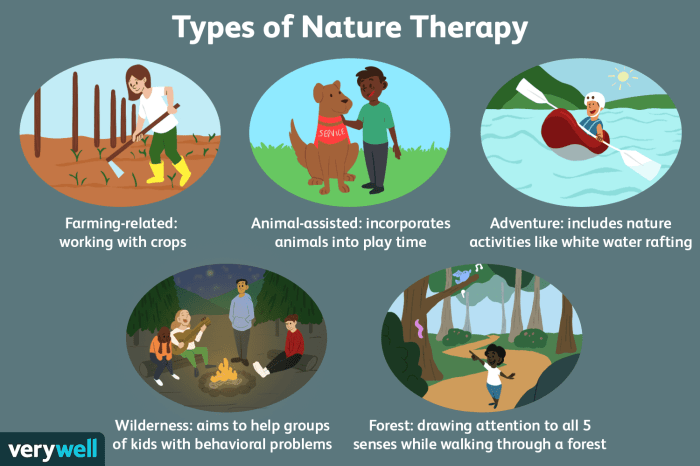
  • Forest bathing, or shinrin-yoku, involves immersing oneself in the sights, sounds, and smells of the forest to promote relaxation and reduce stress.
  • Gardening allows individuals to connect with the earth, engage in physical activity, and experience the therapeutic benefits of nurturing living plants.
  • Hiking or walking in natural settings can help clear the mind, increase mindfulness, and provide a sense of accomplishment.

Benefits of Nature Therapy in Mental Health Practices

  • Nature therapy can serve as a complementary approach to traditional mental health treatments, enhancing the overall effectiveness of therapy.
  • Being in nature can boost mood, increase energy levels, and improve cognitive function, leading to better emotional regulation and resilience.
  • Studies have shown that exposure to natural environments can reduce rumination, which is linked to the development and persistence of mental health issues.

Healthy Habits for Emotional Wellbeing

Emotional wellbeing is crucial for overall health and happiness. Incorporating daily habits that promote emotional health can have a significant impact on our well-being. By focusing on self-care routines and maintaining a healthy mindset, we can enhance our emotional resilience and coping mechanisms.

Regular Exercise

Regular physical activity has been proven to reduce symptoms of anxiety and depression. Exercise releases endorphins, also known as “feel-good” hormones, which can improve mood and overall emotional well-being. Whether it’s a brisk walk, yoga, or a workout session, incorporating exercise into your daily routine can have a positive impact on your emotional health.

Healthy Eating Habits

Nutrition plays a vital role in our emotional well-being. Consuming a balanced diet rich in fruits, vegetables, whole grains, and lean proteins can help regulate mood and energy levels. Avoiding excessive consumption of processed foods, sugar, and caffeine can also contribute to better emotional health.

Quality Sleep

Getting an adequate amount of quality sleep is essential for emotional well-being. Lack of sleep can lead to irritability, mood swings, and difficulty concentrating. Establishing a bedtime routine, creating a comfortable sleep environment, and prioritizing restful sleep can significantly impact your emotional health.

Mindfulness Practices

Practicing mindfulness techniques such as meditation, deep breathing exercises, or yoga can help reduce stress and improve emotional regulation. Mindfulness allows us to be present in the moment, acknowledge our emotions without judgment, and cultivate a sense of inner peace and calm.

Healthy Social Connections

Maintaining healthy relationships and social connections is vital for emotional well-being. Surrounding yourself with supportive friends and family members, engaging in meaningful conversations, and seeking social support when needed can positively impact your emotional health. Building a strong support system can provide comfort, encouragement, and a sense of belonging.

The Role of Nature Therapy in Healthy Aging

Engaging with nature plays a crucial role in promoting healthy aging by providing numerous physical, mental, and emotional benefits. The therapeutic effects of nature can support older adults in maintaining their overall well-being and quality of life as they age.

Nature-Based Activities for Older Adults

Nature-based activities offer a variety of benefits for older adults, including improved physical health, reduced stress levels, enhanced mood, and increased social connections. Some examples of nature therapy activities beneficial for older adults include:

  • Taking leisurely walks in a nearby park or nature reserve
  • Participating in gardening activities to stay active and connected to the environment
  • Engaging in birdwatching or wildlife observation to promote mindfulness and relaxation
  • Attending nature-based therapy sessions or outdoor yoga classes for holistic well-being

Contribution of Nature Therapy to Cognitive Function

Nature therapy has been shown to have a positive impact on maintaining cognitive function in aging individuals. Spending time in natural environments can help improve memory, attention span, and problem-solving skills. The sensory stimulation provided by nature, such as the sights, sounds, and scents of the outdoors, can enhance brain function and support cognitive health in older adults.

Promoting an Active Lifestyle through Nature Therapy

Nature therapy not only benefits emotional wellbeing but also encourages physical activity. Being in nature provides opportunities for movement and exercise, which are essential for maintaining a healthy and active lifestyle.

Nature Therapy Encourages Physical Activity

  • Engaging in activities such as hiking, biking, or swimming in natural environments can help increase physical fitness levels.
  • Exploring nature trails or participating in outdoor sports can promote cardiovascular health and improve muscle strength.
  • Outdoor activities like gardening or birdwatching involve physical movements that contribute to overall well-being.

Link Between Outdoor Activities and Overall Health

  • Studies have shown that spending time outdoors reduces stress levels and boosts mood, leading to increased motivation for physical activity.
  • Exposure to natural sunlight helps regulate sleep patterns and enhances vitamin D production, which is essential for bone health.
  • Fresh air and outdoor environments can improve respiratory health and immune function, reducing the risk of illnesses.

Tips for Incorporating Nature-Based Exercises into a Daily Routine

  • Start by taking short walks in nearby parks or green spaces to gradually increase physical activity levels.
  • Join outdoor fitness classes or yoga sessions held in natural settings to combine exercise with the benefits of nature therapy.
  • Set goals for outdoor activities such as running a certain distance in a scenic route or practicing mindfulness in a peaceful natural setting.

Cardiovascular Health Benefits of Nature Therapy

Spending time in nature has been shown to have numerous benefits for cardiovascular health. The calming effect of nature can help reduce stress levels, lower blood pressure, and improve overall heart function.

Outdoor Activities for Heart Health

  • Hiking: Walking in nature not only provides physical exercise but also reduces the risk of heart disease.
  • Cycling: Riding a bike through scenic routes can improve cardiovascular endurance and strengthen the heart.
  • Kayaking: Engaging in water activities like kayaking can help boost heart health and overall fitness.

Reducing the Risk of Heart Disease

Studies have shown that regular exposure to nature can lower the risk of developing heart disease by up to 30%.

Outdoor activities that promote physical movement and relaxation in natural settings can contribute to a healthier heart and reduce the likelihood of cardiovascular issues in the future.

Healthy Recipes Inspired by Nature

Exploring nutritious recipes using ingredients found in nature can not only benefit our physical health but also contribute to our emotional wellbeing. Consuming whole foods has been linked to a positive impact on mental health, making it essential to incorporate such ingredients into our meals for overall wellness.

Fruit and Nut Breakfast Bowl

Start your day with a refreshing and nourishing fruit and nut breakfast bowl that is packed with vitamins, minerals, and fiber. This simple yet delicious recipe can help boost your mood and energy levels throughout the day.

  • Ingredients:

    – Mixed berries (strawberries, blueberries, raspberries)

    – Greek yogurt

    – Mixed nuts (almonds, walnuts, cashews)

    – Honey or maple syrup

  • Instructions:
    1. Start by layering the Greek yogurt at the bottom of a bowl.
    2. Add a generous amount of mixed berries on top of the yogurt.
    3. Sprinkle the mixed nuts over the berries.
    4. Drizzle honey or maple syrup for a touch of sweetness.
    5. Enjoy your fruit and nut breakfast bowl!

Herb-Roasted Vegetable Medley

Indulge in a colorful and flavorful herb-roasted vegetable medley that not only satisfies your taste buds but also provides a wealth of nutrients for your body and mind. This dish is a perfect balance of taste and health benefits.

  • Ingredients:

    – Assorted vegetables (bell peppers, zucchini, cherry tomatoes, red onion)

    – Olive oil

    – Fresh herbs (rosemary, thyme, parsley)

    – Salt and pepper

  • Instructions:
    1. Preheat the oven and prepare a baking sheet lined with parchment paper.
    2. Cut the assorted vegetables into bite-sized pieces and place them on the baking sheet.
    3. Drizzle olive oil over the vegetables and sprinkle fresh herbs, salt, and pepper.
    4. Toss the vegetables to ensure even coating of oil and seasonings.
    5. Roast in the oven until the vegetables are tender and slightly browned.
    6. Serve the herb-roasted vegetable medley as a side dish or a main course.

Building Mental Resilience through Nature Therapy

Nature therapy plays a crucial role in helping individuals develop mental resilience by providing a calming and rejuvenating environment that promotes emotional well-being. The connection between nature and mental health has been well-established, with natural surroundings offering a sense of peace and tranquility that can aid in coping with life’s challenges.

Natural Coping Mechanisms

  • Spending time in nature can help individuals gain perspective on their problems and reduce feelings of stress and anxiety.
  • Engaging in activities like hiking, gardening, or simply sitting in a natural setting can promote relaxation and mindfulness, leading to improved mental resilience.
  • Observing the beauty of nature, such as watching a sunrise or listening to the sounds of a forest, can evoke positive emotions and inspire hope, strengthening one’s ability to overcome adversity.

Impact on Stress Management and Resilience

Research has shown that exposure to natural environments can lower cortisol levels, the hormone associated with stress, leading to improved stress management and increased resilience. Being surrounded by green spaces or bodies of water has been linked to reduced feelings of anxiety and depression, enhancing mental well-being.

Immune Support from Nature Therapy

Exposure to nature has been shown to have a positive impact on immune health. Spending time in natural environments can help boost the immune system and improve overall wellbeing. The following are examples of how natural elements can support immune health:

1. Fresh Air, Emotional wellbeing and the benefits of nature therapy

Fresh air in natural settings is free from pollutants commonly found in urban areas, which can help reduce the risk of respiratory infections and strengthen the immune system.

2. Vitamin D from Sunlight

Sunlight is a natural source of vitamin D, which plays a crucial role in supporting immune function. Spending time outdoors and soaking up some sunlight can help maintain optimal levels of vitamin D in the body.

3. Phytoncides from Trees

Phytoncides are natural chemicals emitted by trees and plants that have been found to boost the immune system. Breathing in phytoncides while in a forested area can help enhance immune function.

A healthy immune system is essential for emotional wellbeing as it helps protect the body against illnesses and infections, reducing the physical stress that can impact mental health. By incorporating nature therapy into daily routines, individuals can support their immune system and promote overall emotional wellbeing.

Stress Relief Techniques in Nature Therapy

Nature therapy offers a powerful antidote to the stresses of modern life, providing a calming and rejuvenating environment for those seeking relief. Here, we explore various stress relief techniques that can be incorporated into nature therapy sessions.

Mindfulness Practices in Natural Settings

  • Practice deep breathing exercises while surrounded by the sights and sounds of nature.
  • Engage in mindful walking, focusing on each step and the sensations in your body as you move through a natural setting.
  • Sit quietly and observe the natural world around you, allowing yourself to be fully present in the moment.

Calming Effects of Nature on Stress and Anxiety

Research has shown that spending time in nature can significantly reduce levels of cortisol, the stress hormone, leading to a sense of calm and relaxation.

Being in nature can help lower heart rate, blood pressure, and muscle tension, all of which contribute to reducing stress and anxiety.

Creating a Peaceful Outdoor Space for Relaxation

  • Choose a quiet and serene natural setting, such as a forest, beach, or park, to create your outdoor relaxation space.
  • Add comfortable seating, such as a blanket or chair, to enhance your comfort and relaxation experience.
  • Bring along soothing elements like a book, journal, or meditation app to help you unwind and destress in nature.

Achieving Nutritional Balance through Nature

Nature-based foods play a crucial role in maintaining a balanced diet that supports overall health and well-being. These foods are rich in essential nutrients, vitamins, and minerals that our bodies need to function optimally. Let’s explore how incorporating natural, unprocessed foods and seasonal produce can help achieve nutritional balance.

Benefits of a Diet Rich in Natural, Unprocessed Foods

Eating natural, unprocessed foods such as fruits, vegetables, whole grains, nuts, and seeds can provide a wide range of health benefits. These foods are packed with nutrients like fiber, antioxidants, and phytochemicals that help reduce inflammation, support digestion, and boost immune function. By incorporating more natural foods into your diet, you can improve your overall health and well-being.

Incorporating Seasonal Produce for Optimal Nutrition

Eating seasonal produce is not only better for the environment but also for your health. Seasonal fruits and vegetables are harvested at peak ripeness, meaning they are packed with flavor and nutrients. By choosing seasonal produce, you can ensure that you are getting the freshest and most nutritious foods available. Additionally, seasonal eating can help you diversify your diet and enjoy a variety of flavors throughout the year.

Detailed FAQs: Emotional Wellbeing And The Benefits Of Nature Therapy

How does nature therapy impact emotional wellbeing?

Nature therapy promotes relaxation, reduces stress, and improves mood, leading to enhanced emotional health.

What are some examples of activities in nature that promote emotional wellness?

Activities like hiking, gardening, or simply spending time in a park can boost emotional wellbeing by connecting individuals with nature.

How does nature therapy contribute to healthy aging?

Engaging with nature can support cognitive function, physical health, and overall wellness in older adults, promoting healthy aging.

What are some outdoor activities that benefit cardiovascular health?

Outdoor activities such as walking, cycling, or swimming can improve heart health and reduce the risk of cardiovascular diseases.

How can nature therapy help in building mental resilience?

Nature therapy provides coping mechanisms, stress relief, and a sense of calm that contribute to developing mental resilience in individuals facing challenges.