Active Lifestyle: Balancing Work, Family, and You

Best tips for maintaining an active lifestyle while balancing work and family

Best tips for maintaining an active lifestyle while balancing work and family can feel like an impossible feat. Between demanding jobs, family commitments, and the ever-present lure of the couch, finding time for exercise can seem like a luxury. But it doesn’t have to be.

With a little planning and a commitment to making your health a priority, you can create a lifestyle that supports both your physical and mental wellbeing.

This guide will explore practical strategies to integrate physical activity into your daily routine without sacrificing your work or family life. We’ll delve into time management techniques, family-friendly fitness ideas, technology tools, and healthy habits that make it easier to stay active while juggling multiple responsibilities.

Prioritizing Time for Activity

Best tips for maintaining an active lifestyle while balancing work and family

Maintaining an active lifestyle is crucial for overall well-being, but fitting exercise into a busy schedule can be challenging. Finding ways to prioritize physical activity is key to achieving a healthy balance between work, family, and personal well-being.

Scheduling Physical Activity

Integrating exercise into your daily routine requires planning and commitment. The following strategies can help you make time for physical activity, even with a busy schedule:

  • Block out time in your calendar.Treat exercise appointments as non-negotiable. Schedule them in advance, just like you would any other important commitment.
  • Find a workout buddy.Having a workout partner can increase accountability and motivation. Choose someone with similar fitness goals and schedule regular workout sessions together.
  • Take advantage of small windows of time.Even 10-15 minutes of exercise can make a difference. Use these short bursts of time for quick workouts, such as a brisk walk, a set of bodyweight exercises, or a short yoga session.
  • Incorporate movement into your daily routine.Walk or bike to work or errands whenever possible. Take the stairs instead of the elevator. Get up and move around every hour while working at your desk.

Making Exercise Non-Negotiable

For many people, the biggest obstacle to regular exercise is a lack of motivation. The following tips can help you make exercise a non-negotiable part of your daily routine:

  • Set realistic goals.Start with small, achievable goals and gradually increase the intensity and duration of your workouts. This will help you stay motivated and prevent burnout.
  • Find activities you enjoy.If you don’t enjoy your workouts, you’re less likely to stick with them. Experiment with different activities until you find something you look forward to doing.
  • Make exercise a habit.The more you exercise, the easier it will become to make it a regular part of your routine. Try to work out at the same time each day or week, and gradually increase the frequency of your workouts.
  • Reward yourself.Give yourself a small reward after completing a workout. This will help you stay motivated and associate exercise with positive feelings.

Incorporating Movement into Everyday Tasks

There are many ways to incorporate movement into your daily routine without having to set aside dedicated time for exercise. Here are some ideas:

  • Walk or bike to work or errands.If you live close enough, walking or biking to work or errands is a great way to get some exercise. You can also park a little further away from your destination and walk the rest of the way.

  • Take the stairs instead of the elevator.This is a simple way to add a little extra activity into your day. Even taking the stairs a few times a week can make a difference.
  • Get up and move around every hour while working at your desk.Sitting for long periods can be harmful to your health. Set a timer to remind yourself to get up and move around every hour. Take a short walk, do some stretches, or even just stand up and move around for a few minutes.

  • Incorporate movement into your chores.Instead of using a vacuum cleaner, try sweeping or mopping. Instead of using a riding lawnmower, try mowing the lawn with a push mower. These are all great ways to get some extra exercise while getting your chores done.

Finding Supportive Family Involvement

Incorporating family members into your active lifestyle can be a fantastic way to make fitness fun, foster bonding, and ensure everyone benefits from a healthier lifestyle. It’s about creating shared experiences that encourage movement and create positive habits for the whole family.

Involving Family Members in Physical Activities

You can make physical activity a family affair by creating opportunities for everyone to participate. It’s important to find activities that cater to different ages and abilities, ensuring everyone feels included and motivated.

  • Plan Family Fitness Days:Dedicate specific days or times for family activities like hiking, biking, swimming, or playing sports. This creates a structured routine that promotes active choices.
  • Incorporate Movement into Everyday Activities:Make exercise a part of your daily routine. Walk or bike to the park, take the stairs instead of the elevator, or have a dance party in the living room.
  • Make Chores Active:Turn household chores into opportunities for exercise. Have a dance-off while cleaning, or make a game out of yard work.
  • Seek Out Family-Friendly Classes:Enroll in family yoga classes, dance lessons, or martial arts programs. These classes provide structured activities that are fun and engaging for everyone.

Examples of Family-Friendly Workouts or Activities

There are numerous ways to engage the whole family in active pursuits.

  • Active Video Games:Games like Just Dance, Wii Fit, or Ring Fit Adventure can turn screen time into an interactive workout experience.
  • Outdoor Adventures:Hiking, camping, kayaking, or exploring nature trails offer a combination of physical activity and quality time together.
  • Team Sports:Family-friendly sports like soccer, basketball, or volleyball can promote teamwork, healthy competition, and physical activity.
  • Water Activities:Swimming, water aerobics, or simply splashing around in the pool are excellent ways to stay active and cool off during warmer months.

Making Exercise a Fun Family Bonding Experience, Best tips for maintaining an active lifestyle while balancing work and family

The key to making exercise a family affair is to create a positive and enjoyable experience.

  • Focus on Fun, Not Fitness:Emphasize the enjoyment of spending time together rather than solely focusing on achieving specific fitness goals.
  • Celebrate Small Victories:Acknowledge and celebrate everyone’s efforts, regardless of their skill level or progress.
  • Be Patient and Flexible:Understand that everyone has different abilities and preferences. Allow for adjustments and variations to accommodate individual needs.
  • Set Realistic Goals:Start with small, achievable goals that everyone can contribute to. As you progress, gradually increase the intensity or duration of activities.
  • Make it a Social Event:Turn exercise into a social event by inviting friends or family members to join in.

Harnessing Technology for Efficiency

In today’s digital age, technology can be a powerful ally in maintaining an active lifestyle while juggling work and family responsibilities. From fitness apps to online communities, there are numerous resources available to help you streamline your fitness routine and stay motivated.

Using Technology to Manage Time

Technology can be instrumental in managing your time effectively, ensuring you carve out dedicated slots for exercise.

  • Fitness Apps:Many fitness apps, such as MyFitnessPal, FitBit, and Nike Training Club, offer features like scheduling workouts, setting reminders, and tracking progress. These apps can help you plan your exercise sessions in advance, integrating them seamlessly into your busy schedule.

  • Online Calendar:Using an online calendar like Google Calendar, you can schedule your workouts as non-negotiable appointments. This helps you visualize your commitments and prioritize exercise alongside work and family obligations.
  • Smartwatches and Fitness Trackers:Devices like smartwatches and fitness trackers provide real-time data on your activity levels, heart rate, and sleep patterns. This information can help you identify patterns and make adjustments to your routine to optimize your fitness goals.

Tracking Progress and Staying Motivated

Technology can be a valuable tool for tracking your progress and staying motivated on your fitness journey.

  • Progress Tracking:Fitness apps and online platforms allow you to track your workouts, monitor your weight, and measure your improvements over time. This data can be incredibly motivating, providing a tangible record of your achievements and helping you stay on track.

  • Personalized Recommendations:Many fitness apps use algorithms to provide personalized recommendations for workouts, nutrition plans, and training programs. This customized approach can enhance your motivation by tailoring your fitness journey to your specific needs and goals.
  • Social Support:Fitness apps often include social features that allow you to connect with friends and family, share your progress, and participate in virtual challenges. This social aspect can foster accountability and provide encouragement from a supportive community.

Finding Workout Buddies and Support Groups

Technology can help you connect with like-minded individuals, making your fitness journey more enjoyable and sustainable.

  • Online Communities:Join online fitness communities, forums, and social media groups dedicated to specific activities or fitness goals. These platforms offer a space to share experiences, exchange tips, and find workout buddies.
  • Virtual Fitness Classes:Participate in virtual fitness classes offered by studios, gyms, or fitness apps. These classes provide structured workouts, guidance from instructors, and a sense of community even when you’re exercising at home.
  • Fitness Apps with Social Features:Some fitness apps allow you to connect with friends and family, challenge each other, and track each other’s progress. These social features can enhance your motivation and provide a sense of accountability.

Embracing Healthy Habits

Maintaining an active lifestyle goes beyond just exercise. It involves adopting healthy habits that nourish your body and mind, setting you up for success in both your personal and professional life. These habits act as a foundation, supporting your energy levels and overall well-being, enabling you to navigate the demands of work and family with greater ease.

Preparing Healthy Meals and Snacks

Preparing healthy meals and snacks in advance can be a game-changer for busy individuals. It helps you avoid impulsive choices and ensures you have nutritious options readily available.

  • Plan your meals:Dedicate a few hours each week to plan your meals and snacks for the upcoming days. This helps you make informed choices and avoid last-minute unhealthy temptations.
  • Batch cooking:Cook large portions of healthy meals on the weekend to enjoy throughout the week. This saves time and ensures you have nutritious meals ready to go.
  • Prepare grab-and-go snacks:Pack healthy snacks like fruits, vegetables, nuts, and yogurt to keep hunger at bay and avoid unhealthy cravings.

Prioritizing Sleep and Managing Stress

Adequate sleep and effective stress management are essential for maintaining a healthy lifestyle. These two factors significantly impact your energy levels, mood, and overall well-being.

  • Establish a consistent sleep schedule:Aim for 7-9 hours of sleep per night, going to bed and waking up at roughly the same time each day, even on weekends. This helps regulate your body’s natural sleep-wake cycle.
  • Create a relaxing bedtime routine:Wind down an hour before bed by engaging in calming activities such as reading, taking a warm bath, or listening to soothing music.
  • Manage stress through relaxation techniques:Incorporate stress-reducing activities like meditation, yoga, deep breathing exercises, or spending time in nature. These techniques help calm your mind and body.

Staying Hydrated Throughout the Day

Staying hydrated is crucial for maintaining optimal energy levels, cognitive function, and overall health.

“Water makes up about 55% to 78% of our body weight and is essential for many bodily functions, including regulating body temperature, transporting nutrients, and flushing out waste products.”

  • Carry a reusable water bottle:Keep a water bottle with you at all times and refill it throughout the day to ensure you stay hydrated.
  • Drink water before, during, and after exercise:Replenish fluids lost during physical activity to prevent dehydration.
  • Choose water over sugary drinks:Opt for water instead of soda, juice, or other sugary beverages, which can contribute to weight gain and other health problems.

Seeking Professional Guidance

Sometimes, seeking professional guidance can be the key to unlocking a successful and sustainable active lifestyle. A personal trainer, nutritionist, or healthcare provider can offer personalized support and expertise to help you achieve your fitness goals while balancing work and family responsibilities.

Benefits of Consulting a Professional

Consulting a professional can provide numerous benefits. They can offer personalized advice, help you set realistic goals, and provide accountability to keep you motivated.

  • Personalized Guidance:A professional can tailor their advice to your specific needs, fitness level, and goals. They can create a customized workout plan, nutrition plan, and recovery strategies that align with your lifestyle and preferences. This personalized approach maximizes results and minimizes the risk of injury.

  • Accountability and Motivation:Having a professional in your corner can provide the accountability you need to stay on track. They can help you stay motivated, overcome challenges, and celebrate your successes along the way. Regular check-ins and progress assessments ensure you’re making steady progress toward your goals.

  • Injury Prevention:Professionals are trained to identify potential risks and ensure your workout routines are safe and effective. They can teach you proper form, technique, and injury prevention strategies, minimizing the risk of setbacks and ensuring you can enjoy your active lifestyle for the long haul.

  • Long-Term Sustainability:A professional can help you develop healthy habits that are sustainable in the long term. They can teach you about nutrition, fitness, and recovery strategies that can be incorporated into your daily routine, even when life gets busy. This approach helps you create a lifestyle that supports your overall well-being.

Finding a Qualified Professional

Finding a qualified professional who aligns with your goals and values is crucial.

  • Seek Recommendations:Ask friends, family, or colleagues for recommendations. Word-of-mouth referrals can be a great way to find a trusted professional. You can also check online reviews and testimonials.
  • Credentials and Experience:Look for professionals with relevant certifications and experience. For personal trainers, certifications such as Certified Personal Trainer (CPT) from the National Academy of Sports Medicine (NASM) or American Council on Exercise (ACE) are widely recognized. Nutritionists should be registered dietitians (RD) or licensed dietitian nutritionists (LDN).

  • Consult with Several Professionals:Schedule consultations with several professionals before making a decision. This allows you to compare their approaches, personalities, and communication styles. Choose a professional you feel comfortable with and who understands your goals.

Personalized Fitness Plans from Healthcare Providers

Your healthcare provider can also play a vital role in creating a personalized fitness plan.

  • Medical Evaluation:Before starting any new exercise program, it’s essential to get medical clearance from your doctor. They can assess your overall health and identify any underlying conditions that may require modifications to your fitness plan.
  • Personalized Recommendations:Based on your medical history, your doctor can provide personalized recommendations for safe and effective exercise. They can also recommend resources, such as physical therapists or exercise specialists, who can provide further guidance.
  • Collaboration:Your healthcare provider can collaborate with your personal trainer or nutritionist to ensure your fitness plan is aligned with your overall health goals. This integrated approach helps you achieve optimal results and manage any potential health concerns.

Understanding the Benefits of an Active Lifestyle

An active lifestyle, characterized by regular physical activity, offers a wealth of benefits that extend far beyond just physical health. It profoundly impacts mental well-being, emotional resilience, and overall quality of life. This section delves into the compelling reasons why incorporating physical activity into your daily routine is a wise investment in your health and happiness.

Physical Health Benefits

Regular exercise plays a vital role in maintaining optimal physical health. It strengthens muscles and bones, improves cardiovascular health, and helps regulate blood sugar levels. Here’s a closer look at the specific benefits:

  • Enhanced Cardiovascular Health:Exercise strengthens the heart muscle, improves blood flow, and lowers blood pressure. This reduces the risk of heart disease, stroke, and other cardiovascular problems.
  • Improved Muscle Strength and Bone Density:Resistance training and weight-bearing exercises build muscle mass and increase bone density, reducing the risk of osteoporosis and fractures.
  • Better Blood Sugar Control:Exercise helps regulate blood sugar levels by improving insulin sensitivity. This is particularly important for individuals with diabetes or at risk of developing the condition.
  • Weight Management:Physical activity burns calories, helping you maintain a healthy weight or lose weight if needed. This reduces the risk of obesity-related health problems, such as heart disease, type 2 diabetes, and certain types of cancer.

Mental Well-being and Emotional Resilience

Beyond its physical benefits, exercise significantly contributes to mental well-being and emotional resilience.

  • Reduced Stress and Anxiety:Exercise releases endorphins, which have mood-boosting effects and help reduce stress and anxiety.
  • Improved Sleep Quality:Regular physical activity promotes better sleep by regulating the body’s natural sleep-wake cycle.
  • Enhanced Cognitive Function:Exercise has been shown to improve cognitive function, including memory, attention, and processing speed.
  • Increased Self-Esteem and Confidence:Achieving fitness goals and feeling physically capable can boost self-esteem and confidence.

Disease Prevention

Numerous studies have established a strong link between regular exercise and disease prevention.

  • Reduced Risk of Chronic Diseases:Exercise lowers the risk of developing chronic diseases such as heart disease, stroke, type 2 diabetes, and some types of cancer.
  • Improved Immune Function:Exercise strengthens the immune system, making you less susceptible to infections and illnesses.
  • Longer Life Expectancy:Studies consistently show that physically active individuals have a longer life expectancy than those who are sedentary.

Adapting to Different Seasons and Weather

Staying active year-round requires adjusting to varying weather conditions. While summer may offer ideal conditions for outdoor workouts, winter’s cold and snow can make it challenging. However, maintaining an active lifestyle throughout the year is achievable with proper planning and adaptation.

Adapting Workout Routines to Seasonal Changes

Adjusting your workout routine based on the season can enhance safety and effectiveness.

  • Summer: During hot weather, consider shifting outdoor workouts to early morning or evening hours when temperatures are cooler. Stay hydrated by drinking plenty of water before, during, and after your workout. Wear lightweight, breathable clothing and choose activities that allow for air circulation.

  • Winter: In colder months, layer clothing to stay warm, starting with a base layer that wicks away moisture. Avoid overheating by removing layers as you warm up. Consider indoor workouts or activities like swimming, which can provide a good cardiovascular workout while staying warm.

  • Spring and Fall: These transitional seasons offer a mix of weather conditions. Be prepared for changes in temperature and adjust your clothing accordingly.

Indoor Workouts for Limited Outdoor Options

When outdoor activities are limited due to weather conditions, indoor workouts offer an excellent alternative.

  • Home Workouts: Numerous online resources and fitness apps provide structured home workouts requiring minimal equipment. Bodyweight exercises like squats, lunges, and push-ups can be effective for building strength and endurance.
  • Gym Membership: Joining a gym provides access to a wider range of equipment and classes, offering opportunities for strength training, cardio, and group fitness.
  • Indoor Activities: Consider indoor activities like swimming, dancing, or yoga, which can provide a great workout and enjoyable experience.

Setting Realistic Goals and Celebrating Milestones

Setting achievable fitness goals is crucial for maintaining an active lifestyle while juggling work and family commitments. When you set realistic goals, you are more likely to stick with them and experience the positive impact of regular physical activity.

Tracking Progress and Celebrating Milestones

Tracking your progress is essential for staying motivated and recognizing your achievements. This helps you stay focused on your goals and celebrate your successes along the way.

  • Use a fitness tracker or app to monitor your activity levels, calories burned, and other relevant metrics.
  • Keep a journal to record your workouts, how you feel, and any challenges you encounter. This can provide valuable insights into your progress and help you identify areas for improvement.
  • Set small, achievable milestones along the way to your larger goal. For example, if your goal is to run a 5K, you could set milestones like running for 30 minutes without stopping, increasing your distance by a quarter mile each week, or completing a 1-mile run.

  • Celebrate each milestone, no matter how small, to reinforce positive behavior and boost your motivation. This could involve treating yourself to a healthy meal, buying new workout gear, or simply taking some time to acknowledge your accomplishments.

Staying Motivated and Avoiding Burnout

Maintaining motivation and avoiding burnout is essential for long-term fitness success. It is crucial to find ways to stay engaged and prevent discouragement.

  • Find an activity you genuinely enjoy. If you don’t like running, don’t force yourself to do it. Explore different activities until you find something that excites you and makes you want to move.
  • Vary your workouts to keep things interesting and prevent boredom. This could involve trying different types of exercise, exploring new trails, or working out with a friend.
  • Set realistic expectations and avoid comparing yourself to others. Everyone progresses at their own pace. Focus on your own journey and celebrate your own achievements.
  • Listen to your body and take rest days when needed. Overtraining can lead to injuries and burnout. It is important to give your body time to recover and rebuild.
  • Find a workout buddy or join a fitness group to stay accountable and motivated. Having someone to exercise with can make it more enjoyable and help you stay on track.

The Importance of Rest and Recovery

Imagine pushing yourself to the limit during a workout, only to feel exhausted and sore the next day. This is a common experience for many individuals trying to maintain an active lifestyle. However, it’s important to remember that rest and recovery are not just about avoiding pain; they are crucial for optimal performance, injury prevention, and long-term health.

Incorporating Rest Days

Rest days are essential for allowing your body to repair and rebuild muscle tissue, replenish energy stores, and reduce the risk of overuse injuries.

  • Plan at least one or two rest days per week, depending on your activity level and fitness goals.
  • During rest days, engage in light activities like walking, stretching, or yoga, to promote blood flow and flexibility.
  • Listen to your body and take additional rest days when needed, especially if you experience persistent pain or fatigue.

Summary

Remember, an active lifestyle isn’t about becoming a marathon runner overnight. It’s about making small, sustainable changes that gradually enhance your overall health and wellbeing. By prioritizing your physical activity, you’ll not only improve your physical fitness but also experience a boost in your mental clarity, energy levels, and overall sense of well-being.

So, embrace the journey, celebrate your progress, and enjoy the rewarding benefits of a balanced and active life.

FAQ Resource: Best Tips For Maintaining An Active Lifestyle While Balancing Work And Family

How can I stay motivated to exercise when I’m constantly tired?

Start small and gradually increase your activity level. Focus on finding activities you enjoy, and don’t be afraid to experiment. Even short bursts of movement can make a difference. Remember, the key is to find a routine that works for you and your lifestyle.

What if my family isn’t interested in being active?

It’s okay if your family doesn’t share your passion for exercise. Find ways to incorporate movement into your daily routines that work for everyone. Take walks together after dinner, play active games, or explore family-friendly fitness classes. Leading by example can also inspire your family members to join in.
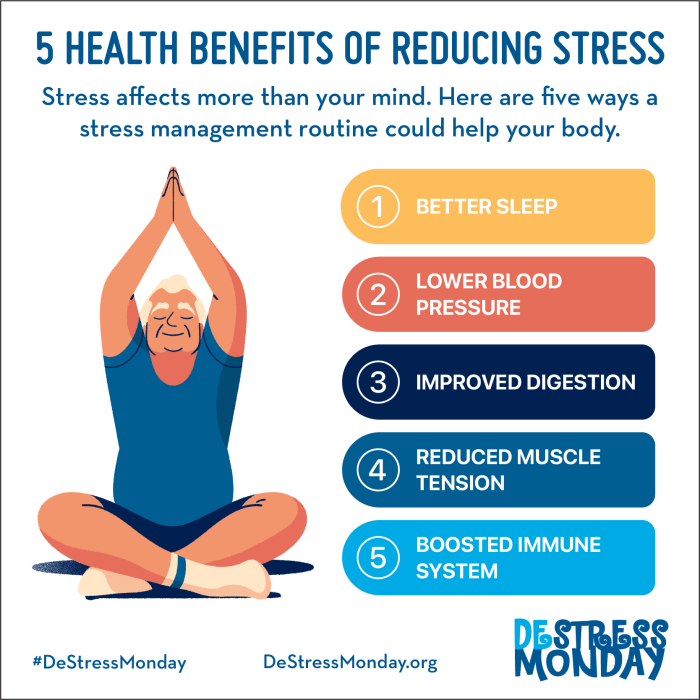
Stress relief benefits of regular exercise

Stress relief benefits of regular exercise

Healthy Habits

Regular exercise plays a crucial role in establishing healthy habits that can significantly improve overall well-being. By incorporating simple healthy habits into your routine, you can enhance the benefits of exercise and promote a healthier lifestyle.

Examples of Simple Healthy Habits

  • Drinking an adequate amount of water throughout the day to stay hydrated.
  • Eating a balanced diet rich in fruits, vegetables, lean proteins, and whole grains.
  • Getting enough quality sleep each night to allow your body to rest and recover.
  • Taking short breaks to stretch and move around if you have a sedentary job.
  • Practicing mindfulness or meditation to reduce stress and improve mental well-being.

Tips for Staying Motivated

  • Set specific, achievable goals for both exercise and healthy habits to track your progress.
  • Find a workout buddy or join a fitness class to stay accountable and motivated.
  • Reward yourself for reaching milestones in your fitness journey and healthy habit goals.
  • Mix up your exercise routine and healthy habits to prevent boredom and stay engaged.
  • Visualize the long-term benefits of maintaining healthy habits alongside regular exercise to stay motivated.

Emotional Wellbeing

Regular exercise plays a crucial role in improving emotional wellbeing by positively impacting mental health. It is closely linked to reducing stress, anxiety, and depression while promoting a sense of overall well-being.

Connection Between Physical Activity and Emotional Health

Exercise triggers the release of endorphins, often referred to as “feel-good hormones,” which help alleviate stress and boost mood. Physical activity also reduces levels of cortisol, the stress hormone, leading to a decrease in feelings of anxiety and tension. Additionally, engaging in exercise can improve self-esteem and confidence, providing a sense of accomplishment and empowerment.

  • Incorporating aerobic exercises such as running, swimming, or cycling into your routine can help regulate mood and reduce symptoms of anxiety and depression.
  • Participating in strength training activities like weightlifting or bodyweight exercises can enhance self-image and body confidence, contributing to better emotional well-being.
  • Mind-body exercises such as yoga, tai chi, or Pilates promote relaxation, mindfulness, and stress reduction, fostering a harmonious balance between the mind and body.

Healthy Aging

Regular exercise plays a crucial role in promoting healthy aging by maintaining physical and mental well-being as we grow older. Consistent physical activity can help seniors stay mobile, strong, and independent, reducing the risk of age-related health issues.

Benefits of Regular Exercise for Healthy Aging

  • Improves cardiovascular health: Aerobic exercises like walking, swimming, or cycling can strengthen the heart and improve circulation, reducing the risk of heart disease and stroke.
  • Enhances muscle strength and flexibility: Strength training exercises such as weight lifting or bodyweight exercises help maintain muscle mass, bone density, and flexibility, reducing the risk of falls and fractures.
  • Promotes mental well-being: Physical activity releases endorphins that boost mood, reduce stress, and improve cognitive function, helping to prevent cognitive decline and dementia.
  • Supports overall quality of life: Regular exercise can increase energy levels, enhance sleep quality, and boost immunity, leading to a better quality of life in older adults.

Active Lifestyle

Regular exercise is a key component of maintaining an active lifestyle. It not only helps improve physical health but also contributes to overall well-being. Incorporating various activities beyond traditional workouts can further enhance the benefits of an active lifestyle.

Examples of Activities

  • Walking or biking to work instead of driving
  • Taking the stairs instead of the elevator
  • Gardening or doing yard work
  • Dancing or participating in group fitness classes
  • Playing recreational sports or engaging in outdoor activities

Integration of Movement

  • Schedule regular breaks during work to stretch or take a short walk
  • Use a standing desk or balance ball chair to promote active sitting
  • Set reminders to get up and move every hour
  • Involve friends or family in physical activities for added motivation
  • Choose active hobbies like swimming, hiking, or kayaking to stay fit and engaged

Cardiovascular Health

Stress relief benefits of regular exercise
Regular exercise plays a crucial role in maintaining good cardiovascular health. By engaging in physical activities, individuals can strengthen their heart and improve overall cardiovascular function.

Benefits of Different Types of Exercises

  • Aerobic exercises such as running, swimming, and cycling help in increasing heart rate, improving circulation, and boosting overall heart health.
  • Strength training exercises like weight lifting can also benefit the heart by reducing blood pressure and enhancing cardiovascular endurance.
  • Flexibility exercises such as yoga and stretching contribute to better circulation and help in preventing heart-related issues.

Prevention of Heart Diseases

Regular exercise can significantly lower the risk of developing heart diseases by reducing cholesterol levels, controlling blood sugar, and maintaining a healthy weight. It also helps in managing stress, which is a known risk factor for heart problems.

Improvement in Cardiovascular Function

By engaging in physical activities, individuals can strengthen their heart muscles, improve blood flow, and enhance the efficiency of the cardiovascular system. This leads to better oxygen delivery to tissues and organs, overall improving heart function and reducing the likelihood of cardiovascular issues.

Healthy Recipes: Stress Relief Benefits Of Regular Exercise

Stress relief benefits of regular exercise – When it comes to complementing a regular exercise routine, maintaining a balanced diet is crucial. Fueling your body with nutritious meals can help optimize your energy levels and performance during workouts.

Nutritious Pre-Workout Meals

  • Avocado toast with a poached egg
  • Greek yogurt with berries and a sprinkle of granola
  • Whole grain toast with almond butter and banana slices

Energizing Post-Workout Snacks

  • Protein smoothie with spinach, banana, and protein powder
  • Rice cakes with hummus and cucumber slices
  • Grilled chicken and vegetable skewers

Mental Resilience

Regular exercise not only benefits physical health but also plays a significant role in enhancing mental resilience. By engaging in physical activity, individuals can develop coping mechanisms and improve their ability to bounce back from challenges.

Enhanced Coping Mechanisms

Regular exercise has been shown to reduce symptoms of anxiety and depression, which are common barriers to resilience. Physical activity stimulates the release of endorphins, also known as “feel-good” hormones, which can elevate mood and reduce stress levels. This positive impact on mental health can help individuals cope better with adversity and setbacks.

Psychological Benefits

In addition to the physiological effects, the psychological benefits of exercise are crucial for building mental strength. By setting and achieving fitness goals, individuals can boost their self-esteem and confidence. This sense of accomplishment can translate to other areas of life, providing a foundation for resilience in the face of challenges.

Strategies for Building Resilience

Exercise can be used as a tool to overcome challenges and build resilience by incorporating specific strategies into your routine. Setting realistic fitness goals, maintaining a consistent exercise schedule, and seeking support from workout buddies or fitness communities can all contribute to mental resilience. Additionally, practicing mindfulness during physical activity can help individuals stay present and focused, enhancing their ability to navigate stressors effectively.

Immune Support

Regular exercise plays a crucial role in supporting the immune system. By engaging in physical activity, individuals can strengthen their immunity and reduce the risk of infections.

Benefits of Exercise for Immune Health

Regular physical activity helps to boost the immune system by promoting good circulation, which allows immune cells to move freely throughout the body. Exercise also triggers the release of endorphins, which can help reduce stress levels and improve overall immune function.

  • Physical activity can enhance the production of antibodies and white blood cells, which are essential components of the immune system.
  • Exercise can also improve the body’s ability to fight off infections by increasing circulation and promoting the elimination of toxins through sweat.
  • Optimal frequency and intensity of exercise for immune health benefits typically involve moderate-intensity activities like brisk walking, jogging, or cycling for at least 30 minutes most days of the week.

Stress Relief

Regular exercise is a powerful tool in managing and reducing stress levels. When incorporated into a daily routine, exercise can have numerous benefits for both the body and the mind.

Exercise helps reduce stress by stimulating the production of endorphins, which are chemicals in the brain that act as natural painkillers and mood elevators. These endorphins help to improve mood, reduce anxiety, and promote a sense of well-being. Additionally, exercise can help distract the mind from stressful thoughts and increase feelings of relaxation.

Physiological Mechanisms behind Stress Reduction

  • Exercise triggers the release of endorphins, which are known to reduce stress and improve mood.
  • Physical activity can help regulate stress hormones such as cortisol, leading to a decrease in stress levels.
  • Regular exercise promotes better sleep patterns, which are essential for managing stress and improving overall well-being.

Effective Exercises for Stress Relief

  • Aerobic Exercise: Activities like running, swimming, or cycling can help release tension and reduce stress levels.
  • Yoga and Pilates: These mind-body exercises focus on breathing techniques and relaxation, promoting stress relief and mindfulness.
  • Strength Training: Lifting weights or doing bodyweight exercises can help release pent-up energy and reduce feelings of stress.

Nutritional Balance

Maintaining a nutritional balance is essential when paired with regular exercise to support overall health and wellbeing. Diet and exercise go hand in hand, working together to help us achieve optimal health and fitness levels. By focusing on creating a balanced meal plan that complements an active lifestyle, we can maximize the benefits of our physical activities and nourish our bodies properly.

The Role of Nutrition in Physical Health, Stress relief benefits of regular exercise

Nutrition plays a crucial role in supporting our physical health and performance. A well-rounded diet provides the necessary nutrients, vitamins, and minerals needed for energy, muscle recovery, and overall wellness. When combined with regular exercise, a balanced diet can enhance the effectiveness of our workouts, improve endurance, and promote faster recovery.

  • Include a variety of fruits, vegetables, whole grains, lean proteins, and healthy fats in your meals to ensure you’re getting a wide range of nutrients.
  • Stay hydrated by drinking an adequate amount of water throughout the day to support digestion, nutrient absorption, and overall health.
  • Avoid processed foods, sugary drinks, and excessive amounts of unhealthy fats to maintain a balanced diet that supports your fitness goals.
  • Plan your meals ahead of time to ensure you have nutritious options available, especially on busy days when it’s easy to reach for convenience foods.

Questions Often Asked

How can regular exercise help in reducing stress levels?

Regular exercise helps in reducing stress by releasing endorphins, which are natural mood lifters, and promoting better sleep, both of which are essential for stress management.

What are some simple healthy habits that can complement a regular exercise routine?

Simple healthy habits like staying hydrated, getting enough sleep, and maintaining a balanced diet can complement a regular exercise routine and enhance its benefits.

Can exercise really improve emotional wellbeing?

Yes, exercise has been shown to improve emotional wellbeing by reducing symptoms of anxiety and depression, boosting self-esteem, and promoting better overall mental health.

How does physical activity contribute to healthy aging?

Physical activity helps in promoting healthy aging by maintaining muscle mass, bone density, and overall mobility, reducing the risk of age-related health issues and enhancing quality of life as you age.

What types of exercises are particularly effective in relieving stress?

Exercises like yoga, meditation, and aerobic activities have been found to be particularly effective in relieving stress due to their focus on relaxation, mindfulness, and physical movement.

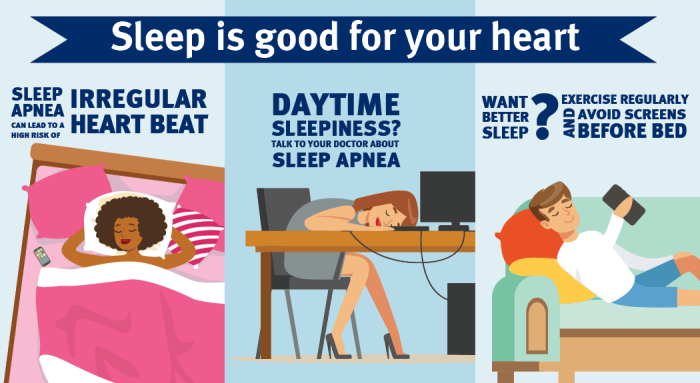
The role of sleep in cardiovascular health: Importance, Habits, Aging, Lifestyle, Disorders, Recipes, Resilience, Immune Support, Stress Relief, Nutritional Balance

The role of sleep in cardiovascular health

The Importance of Sleep in Cardiovascular Health

Sleep plays a crucial role in maintaining cardiovascular health. It is during sleep that the body repairs and rejuvenates itself, including the heart and blood vessels. Lack of adequate sleep can have detrimental effects on heart health and increase the risk of developing cardiovascular diseases.

Impact of Lack of Sleep on Heart Health

  • Poor sleep habits can lead to high blood pressure, a major risk factor for heart disease.
  • Insufficient sleep is associated with an increased risk of heart attack and stroke.
  • Lack of sleep can disrupt the body’s natural processes, such as regulating blood sugar levels and inflammation, which are essential for heart health.

Relationship between Sleep Quality and Cardiovascular Disease Risk

  • Studies have shown that poor sleep quality, characterized by frequent awakenings or inadequate deep sleep, is linked to a higher risk of cardiovascular diseases.
  • Individuals with sleep disorders like sleep apnea have a higher likelihood of developing heart problems due to the repeated interruption of breathing during sleep.
  • Improving sleep quality through lifestyle changes or medical interventions can help reduce the risk of cardiovascular issues and improve overall heart health.

Healthy Habits for Quality Sleep

Creating a sleep-friendly environment and establishing a consistent sleep schedule are crucial for improving sleep quality and overall cardiovascular health.

Tips for Creating a Sleep-Friendly Environment

  • Avoid exposure to bright lights and electronics before bedtime to promote relaxation and signal your body that it’s time to sleep.
  • Keep your bedroom cool, quiet, and dark to create an optimal sleeping environment.
  • Invest in a comfortable mattress and pillows that support a good night’s sleep.
  • Avoid consuming caffeine, heavy meals, and alcohol close to bedtime as they can disrupt your sleep quality.

The Importance of Establishing a Consistent Sleep Schedule

  • Going to bed and waking up at the same time every day helps regulate your body’s internal clock, promoting better sleep quality.
  • Consistency in your sleep schedule can improve the overall quality of your sleep and reduce the risk of cardiovascular issues.
  • Irregular sleep patterns can lead to sleep deprivation, which may contribute to heart problems and other health issues in the long run.

Emotional Wellbeing and Sleep

Emotional wellbeing plays a crucial role in determining the quality of one’s sleep. Stress, anxiety, and other emotional factors can significantly impact sleep patterns, leading to difficulties falling asleep, staying asleep, or experiencing restful sleep.

Strategies to Manage Stress and Improve Sleep Quality

  • Practice relaxation techniques such as deep breathing, progressive muscle relaxation, or guided imagery before bedtime to calm the mind and body.
  • Engage in regular physical activity to reduce stress levels and promote better sleep.
  • Establish a consistent bedtime routine and create a relaxing sleep environment free from distractions.
  • Avoid caffeine, nicotine, and heavy meals close to bedtime to prevent disruptions in sleep patterns.

Impact of Mindfulness and Relaxation Techniques on Sleep and Cardiovascular Health

  • Research has shown that mindfulness meditation can improve sleep quality by reducing rumination and promoting relaxation.
  • Practicing relaxation techniques can help lower blood pressure, reduce inflammation, and improve overall cardiovascular health.
  • Engaging in mindfulness practices regularly can also enhance emotional wellbeing, leading to better sleep and improved heart health.
  • Healthy Aging and Sleep Quality

    Aging can significantly impact sleep patterns as individuals get older. Changes in circadian rhythms, increased prevalence of medical conditions, and alterations in sleep architecture can all contribute to sleep disturbances in older adults.

    Tips for Improving Sleep Quality in Older Adults

    • Establish a consistent sleep schedule by going to bed and waking up at the same time every day.
    • Create a relaxing bedtime routine to signal to your body that it’s time to wind down.
    • Avoid stimulants like caffeine and nicotine close to bedtime.
    • Ensure your sleep environment is conducive to rest, with a comfortable mattress and pillows.
    • Engage in regular physical activity during the day, but avoid vigorous exercise close to bedtime.

    Relationship Between Aging, Sleep, and Cardiovascular Health

    As individuals age, the risk of cardiovascular disease increases, and poor sleep quality can further exacerbate this risk. Sleep disturbances have been linked to hypertension, arrhythmias, and other cardiovascular conditions. Therefore, prioritizing quality sleep in older adults is crucial for maintaining heart health and overall well-being.

    Maintaining an Active Lifestyle for Better Sleep

    Physical activity plays a crucial role in promoting better sleep quality and overall cardiovascular health. By incorporating regular exercise into your routine, you can experience improved sleep patterns and enhance your well-being.

    Recommended Exercise Routines for Improving Sleep Quality

    • Cardiovascular exercises such as running, cycling, or swimming can help regulate your sleep-wake cycle and promote deeper sleep.
    • Strength training exercises like weightlifting or bodyweight exercises can also contribute to better sleep by reducing stress and anxiety levels.
    • Yoga and stretching exercises are beneficial for relaxation and can help prepare your body for a restful night’s sleep.

    Benefits of an Active Lifestyle on Cardiovascular Health and Sleep Patterns

    • Regular physical activity can improve circulation, reduce inflammation, and lower the risk of heart disease, ultimately leading to better cardiovascular health.
    • Exercise helps release endorphins, which can alleviate stress and anxiety, leading to improved sleep quality and duration.
    • An active lifestyle can enhance the overall quality of life, promoting better sleep hygiene and supporting healthy aging.

    Cardiovascular Health and Sleep Disorders

    Sleep disorders can have a significant impact on cardiovascular health, as they disrupt the body’s natural rhythms and processes. Common sleep disorders that can affect heart health include sleep apnea, insomnia, restless legs syndrome, and narcolepsy.

    Importance of Diagnosing and Treating Sleep Disorders

    • Untreated sleep disorders can lead to an increased risk of hypertension, heart disease, stroke, and other cardiovascular conditions.
    • Diagnosing and treating sleep disorders is crucial in preventing these serious health issues and improving overall heart health.
    • Individuals with sleep disorders are more likely to have irregular heart rhythms, which can be dangerous and potentially life-threatening.

    Improving Sleep for Better Cardiovascular Health

    • Establishing a consistent sleep schedule and creating a relaxing bedtime routine can help improve sleep quality and promote heart health.
    • Practicing good sleep hygiene, such as keeping the bedroom dark, quiet, and cool, can enhance the quality of sleep and reduce the risk of cardiovascular problems.
    • Engaging in regular physical activity and maintaining a healthy diet can also contribute to better sleep and improved cardiovascular health.

    Healthy Recipes for Promoting Sleep: The Role Of Sleep In Cardiovascular Health

    The role of sleep in cardiovascular health – When it comes to improving sleep quality and cardiovascular health, the role of diet cannot be underestimated. Consuming nutritious foods can have a positive impact on your overall wellbeing, including promoting better sleep.

    Warm Milk with Honey

    One classic bedtime drink known for its sleep-inducing properties is a warm glass of milk with a hint of honey. Milk contains tryptophan, an amino acid that helps in the production of serotonin, a neurotransmitter that promotes relaxation. Honey can also aid in the release of melatonin, the hormone responsible for regulating sleep.

    Oatmeal with Bananas

    Starting your day with a hearty bowl of oatmeal topped with sliced bananas can also contribute to better sleep at night. Oats are rich in complex carbohydrates that can increase serotonin levels, while bananas are a good source of magnesium and potassium, which help relax muscles and nerves.

    Herbal Tea Blend

    Before bedtime, consider sipping on a calming herbal tea blend made with ingredients like chamomile, valerian root, or lavender. These herbs have natural sedative properties that can help you unwind and prepare for a restful night’s sleep.

    Mental Resilience and Sleep Quality

    Sleep quality and mental resilience are closely interconnected. When individuals have higher levels of mental resilience, they are better equipped to cope with stress, anxiety, and other mental health challenges that may disrupt sleep patterns. This ability to bounce back from adversity and maintain a positive mindset can significantly impact the quality of sleep a person gets each night.

    Building Mental Resilience for Healthy Sleep Habits

    Building mental resilience is essential for supporting healthy sleep habits. Strategies to enhance mental resilience include practicing mindfulness and meditation, engaging in regular physical activity, fostering social connections, and seeking professional help when needed. By developing coping mechanisms and stress management techniques, individuals can create a more balanced and positive mindset that promotes better sleep.

    Impact of Resilient Mindset on Sleep and Cardiovascular Health

    A resilient mindset not only improves sleep quality but also has a positive impact on cardiovascular health. Studies have shown that individuals with higher levels of mental resilience are less likely to experience sleep disturbances, which in turn can lower the risk of developing cardiovascular issues such as high blood pressure and heart disease. By cultivating mental resilience, individuals can create a strong foundation for overall health and well-being.

    Immune Support Through Quality Sleep

    The role of sleep in cardiovascular health

    Quality sleep plays a crucial role in supporting the immune system and overall health. Lack of sleep can weaken the immune response, making individuals more susceptible to infections and illnesses.

    Sleep and Immune Function

    During sleep, the body produces cytokines, a type of protein that helps the immune system respond to infections and inflammation. Adequate sleep promotes the production of these cytokines, enhancing the body’s ability to fight off pathogens.

    Immune Support, Sleep Quality, and Cardiovascular Health, The role of sleep in cardiovascular health

    Poor sleep quality is associated with increased inflammation in the body, which can negatively impact cardiovascular health. By prioritizing quality sleep, individuals can support their immune system, reduce inflammation, and lower the risk of heart disease and other cardiovascular conditions.

    Tips for Optimizing Sleep for Immune Support

    • Aim for 7-9 hours of quality sleep per night to support immune function.
    • Establish a consistent sleep schedule by going to bed and waking up at the same time every day.
    • Create a relaxing bedtime routine to signal to your body that it’s time to wind down and prepare for sleep.
    • Avoid caffeine, alcohol, and heavy meals close to bedtime, as they can disrupt sleep quality.
    • Keep your sleep environment dark, quiet, and cool to promote restful sleep.

    Stress Relief Techniques for Better Sleep

    When it comes to improving sleep quality, effective stress relief techniques play a crucial role. Stress can have a significant impact on both sleep patterns and heart health, making it essential to incorporate relaxation methods into your routine for better sleep and cardiovascular wellbeing.

    Mindfulness Meditation

    • Practice mindfulness meditation to calm the mind and reduce stress levels before bedtime.
    • Focus on your breath and bring your attention to the present moment to promote relaxation.
    • Regular practice can help improve sleep quality and overall emotional wellbeing.

    Progressive Muscle Relaxation

    • Engage in progressive muscle relaxation by tensing and then releasing each muscle group in your body.
    • This technique helps relieve physical tension and promotes a sense of relaxation, aiding in better sleep.
    • Perform this practice before bedtime to unwind and prepare your body for rest.

    Deep Breathing Exercises

    • Practice deep breathing exercises to reduce stress and anxiety, allowing your body to enter a state of calmness.
    • Inhale deeply through your nose, hold for a few seconds, and exhale slowly through your mouth.
    • Repeat this process several times to relax your body and mind before sleep.

    Achieving Nutritional Balance for Quality Sleep

    Ensuring a balanced diet is crucial for promoting quality sleep and overall cardiovascular health. The nutrients we consume play a significant role in regulating our sleep patterns and supporting optimal heart function.

    Role of Specific Nutrients in Promoting Better Sleep

    Specific nutrients can directly impact our sleep quality by influencing neurotransmitters and hormones that regulate our sleep-wake cycle. Some key nutrients that promote better sleep include:

    • Magnesium: Helps relax muscles and promote calmness, aiding in falling asleep faster.
    • Melatonin: A hormone that regulates sleep-wake cycles, often taken as a supplement to improve sleep quality.
    • Vitamin B6: Necessary for the production of neurotransmitters like serotonin, which helps regulate mood and sleep.

    Tips for Maintaining a Balanced Diet for Healthy Sleep

    Adopting a diet rich in essential nutrients can significantly improve sleep quality and support cardiovascular health. Here are some tips for maintaining a balanced diet:

    • Include a variety of fruits, vegetables, whole grains, lean proteins, and healthy fats in your meals.
    • Avoid consuming caffeine, alcohol, and heavy meals close to bedtime, as they can disrupt sleep.
    • Stay hydrated throughout the day but reduce fluid intake before bedtime to minimize nighttime awakenings.
    • Consider incorporating foods rich in the above-mentioned nutrients that support better sleep, such as nuts, seeds, leafy greens, and fish.

    FAQ Resource

    How does lack of sleep affect cardiovascular health?

    Lack of sleep can lead to increased risk of heart disease, high blood pressure, and other cardiovascular issues.

    What are some tips for improving sleep quality?

    Creating a sleep-friendly environment, maintaining a consistent sleep schedule, and incorporating relaxation techniques can help improve sleep quality.

    Can emotional wellbeing impact sleep patterns?

    Yes, emotional wellbeing plays a significant role in sleep patterns. Stress management and mindfulness practices can help improve sleep.

    How does physical activity relate to better sleep?

    Regular physical activity can promote better sleep by helping regulate sleep patterns and improving overall health.

How to stay active while traveling: Tips for a Healthy Journey

How to stay active while traveling

Healthy Habits

Maintaining healthy habits while traveling is essential to ensure overall well-being and energy levels. By incorporating simple practices into your routine, you can stay active and feel your best throughout your trip.

Examples of Healthy Habits:

  • Start your day with a nutritious breakfast to fuel your body for the day ahead.
  • Stay hydrated by carrying a reusable water bottle and drinking water regularly.
  • Incorporate physical activities like walking, hiking, or cycling into your itinerary.
  • Take breaks to stretch and move around, especially during long flights or car rides.

Establishing a Routine:

Having a routine while traveling can help you maintain healthy habits more effectively. By setting aside time for exercise, meals, and relaxation, you can stay on track and prioritize your well-being.

Importance of Small Activities:

Even small activities like walking to explore a new city or doing simple stretches in your hotel room can contribute to your overall well-being. These moments of movement can boost your energy levels and improve your mood during travel.

Balance Eating Habits:

While it’s tempting to indulge in local cuisine while traveling, it’s important to balance your eating habits. Enjoying local dishes in moderation and incorporating fruits, vegetables, and lean proteins into your meals can help you stay healthy and energized throughout your trip.

Emotional Wellbeing

Maintaining emotional wellbeing is crucial for staying active while traveling. The impact of stress and anxiety can hinder your motivation to engage in physical activities. It is essential to focus on managing your emotions to ensure a positive mindset that will keep you motivated throughout your journey.

Strategies for Managing Stress and Anxiety

  • Practice deep breathing exercises to calm your mind and reduce stress levels.
  • Engage in mindfulness activities such as yoga or meditation to stay grounded and centered.
  • Stay connected with loved ones through calls or messages to alleviate feelings of loneliness or isolation.
  • Set realistic expectations for your travel plans to avoid unnecessary pressure and anxiety.

Maintaining a Positive Mindset

  • Acknowledge and challenge negative thoughts that may arise during your travels.
  • Focus on gratitude by keeping a travel journal to reflect on positive experiences and moments of joy.
  • Surround yourself with positive influences by engaging with uplifting content or music.

Relaxation Techniques for Enhancing Emotional Wellbeing

  • Practice progressive muscle relaxation by tensing and releasing each muscle group in your body.
  • Listen to calming music or nature sounds to create a soothing atmosphere wherever you are.
  • Try aromatherapy using essential oils like lavender or chamomile to promote relaxation and reduce stress.

Healthy Aging

Staying active while traveling plays a crucial role in promoting healthy aging by helping older adults maintain their physical fitness, mobility, and overall well-being. It can contribute to improved cardiovascular health, muscle strength, flexibility, and cognitive function, which are all essential aspects of healthy aging.

Incorporating Strength Training Exercises

Strength training exercises are particularly important for older adults to maintain muscle mass and bone density, which tend to decline with age. By incorporating resistance training into their routine, older travelers can improve their strength, balance, and coordination, reducing the risk of falls and injuries. Examples of strength training exercises include bodyweight exercises, resistance band workouts, and light weightlifting.

Adapting Physical Activities for Different Fitness Levels

When traveling, it’s essential to adapt physical activities to accommodate different fitness levels. Older travelers can engage in activities such as walking, hiking, swimming, yoga, or tai chi, which can be easily modified based on individual fitness levels. It’s important to listen to your body, start slow, and gradually increase the intensity and duration of physical activities.

Low-Impact Exercises for Older Travelers

For older travelers looking to stay active, low-impact exercises are a great option to protect their joints and prevent injuries. Examples of low-impact exercises suitable for older adults include cycling, water aerobics, gentle stretching, and Pilates. These exercises help improve cardiovascular health, flexibility, and muscle tone without putting too much stress on the joints.

Active Lifestyle: How To Stay Active While Traveling

Maintaining an active lifestyle while traveling can bring numerous benefits to both your physical and mental well-being. Engaging in physical activities not only helps you stay fit but also allows you to explore new destinations in a more immersive way.

Exploring new destinations through activities like hiking, biking, or swimming can provide a unique perspective and a deeper connection to the place you are visiting. It allows you to experience the local environment firsthand and appreciate the beauty of nature up close.

Incorporating Movement into Daily Travel Itineraries

  • Start your day with a morning run or walk to explore the surroundings before the crowds emerge.
  • Opt for walking tours instead of bus tours to discover hidden gems and interact with locals.
  • Choose accommodations with fitness facilities or nearby outdoor spaces for a quick workout.
  • Try out local activities like dancing, yoga, or water sports to experience the culture in a fun and active way.

Enhancing the Travel Experience

  • Regular physical activity can boost your energy levels and mood, making you more alert and engaged during your travels.
  • Staying active can help you combat jet lag, improve your sleep quality, and reduce stress levels while on the road.
  • Engaging in physical activities can create lasting memories and unique experiences that add depth to your travel adventures.

Cardiovascular Health

Regular physical activity plays a crucial role in maintaining cardiovascular health, especially while traveling. Engaging in aerobic exercises can significantly improve heart health and reduce the risk of cardiovascular diseases. It is essential to prioritize activities that elevate the heart rate and promote circulation to strengthen the heart muscle.

Importance of Aerobic Exercises

Aerobic exercises, such as brisk walking, jogging, cycling, or swimming, are excellent for cardiovascular health. These activities help improve blood flow, lower blood pressure, and increase overall cardiovascular fitness. While traveling, aim to incorporate at least 30 minutes of moderate-intensity aerobic exercise most days of the week to reap the benefits for your heart.

Monitoring Cardiovascular Fitness Levels

To monitor your cardiovascular fitness levels while on the road, consider using a fitness tracker or smartwatch with built-in heart rate monitoring capabilities. Keep track of your heart rate during exercise sessions and aim to gradually increase your endurance over time. Another way to assess your cardiovascular fitness is by paying attention to how quickly your heart rate recovers after physical exertion.

Cardiovascular Workouts for Travel

– Interval training: Incorporate short bursts of high-intensity exercise followed by brief periods of rest. This type of workout can be done in a hotel room or outdoor space.
– Stair climbing: Utilize stairs in your hotel or find a nearby staircase for a challenging cardiovascular workout.
– Bodyweight exercises: Perform exercises like jumping jacks, burpees, or mountain climbers to elevate your heart rate without any equipment.
– Swimming: If you have access to a pool, swimming is an excellent full-body workout that is gentle on the joints and beneficial for cardiovascular health.
– Cycling or running: Explore the local area by renting a bike or going for a run to combine sightseeing with cardiovascular exercise.

Healthy Recipes

How to stay active while traveling – When traveling, it can be challenging to maintain a healthy diet. However, preparing nutritious meals is essential to support your physical activity and overall well-being. Below are some tips and recipes to help you stay on track while on the go.

Easy Nutritious Recipes

  • Quinoa Salad with Fresh Vegetables: Cook quinoa and mix it with chopped cucumbers, tomatoes, bell peppers, and a light vinaigrette dressing.
  • Grilled Chicken Wraps: Grill chicken breast strips and wrap them in whole wheat tortillas with lettuce, tomatoes, and avocado slices.
  • Greek Yogurt Parfait: Layer Greek yogurt with fresh berries, granola, and a drizzle of honey for a delicious and filling snack or breakfast option.

Balanced Diet for Travelers

  • Include a variety of fruits, vegetables, whole grains, lean proteins, and healthy fats in your meals to ensure you’re getting all the essential nutrients.
  • Avoid excessive consumption of processed foods and sugary drinks, as they can leave you feeling sluggish and tired.
  • Opt for local and seasonal ingredients to explore new flavors while still maintaining a balanced diet.

Portable Snack Ideas

  • Trail Mix: Combine nuts, seeds, dried fruits, and a sprinkle of dark chocolate chips for a convenient and energizing snack.
  • Rice Cake with Nut Butter: Spread almond or peanut butter on a rice cake for a quick and satisfying pick-me-up between meals.
  • Veggies and Hummus: Pack sliced carrots, cucumbers, and bell peppers with a side of hummus for a crunchy and nutritious snack on the go.

Mental Resilience

When it comes to staying active while traveling, mental resilience plays a crucial role in overcoming challenges and setbacks that may hinder physical activity. It involves the ability to bounce back from difficult situations and maintain a positive mindset to stay motivated.

Strategies for Overcoming Obstacles

One effective strategy for overcoming obstacles is to stay flexible and adaptable in your approach to physical activity while traveling. This may involve finding alternative workout options or adjusting your fitness routine based on the resources available in different locations.

Another important aspect is to practice mindfulness and self-awareness to stay focused on your fitness goals and avoid getting discouraged by external factors.

Setting Realistic Goals

Setting realistic goals is essential for maintaining motivation during travel. By breaking down your fitness objectives into smaller, achievable targets, you can track your progress and celebrate each milestone along the way.

It’s also important to be kind to yourself and understand that travel may bring unexpected challenges that can impact your workout routine. By setting realistic expectations, you can stay committed to your fitness journey without feeling overwhelmed.

Mental Exercises for Resilience

Engaging in mental exercises can help build resilience and perseverance while traveling. Practices such as visualization, positive affirmations, and deep breathing techniques can calm the mind and boost your confidence in overcoming obstacles.

Additionally, practicing gratitude and focusing on the present moment can help shift your perspective towards a more positive outlook, enabling you to stay motivated and resilient in pursuing your fitness goals.

Immune Support

Regular physical activity plays a crucial role in supporting immune health, especially when traveling. It can help boost the immune system, making it more resilient to pathogens encountered during the journey. Additionally, proper rest and recovery are essential to ensure the immune system functions optimally while on the go.

Impact of Physical Activity on Immune Health

Regular exercise has been shown to enhance immune function by promoting good circulation, which allows immune cells to move freely throughout the body. It also helps reduce inflammation and stress, both of which can weaken the immune system. Staying active while traveling can help maintain the body’s defense mechanisms at their best.

Tips for Boosting the Immune System through Physical Activity

– Engage in moderate-intensity exercises like brisk walking, hiking, or swimming to stimulate the immune system without causing excessive stress.
– Incorporate strength training exercises to build muscle mass, which can contribute to a stronger immune response.
– Practice yoga or meditation to reduce stress levels, as chronic stress can suppress immune function.
– Stay hydrated and maintain a balanced diet to provide the necessary nutrients for immune health.

Importance of Rest and Recovery for Immune Function, How to stay active while traveling

Adequate rest is essential for immune support, as sleep allows the body to repair and regenerate cells crucial for immune function. When traveling, prioritize quality sleep and relaxation to ensure the immune system remains robust throughout the journey.

Immune-Boosting Foods for Travelers

– Citrus fruits rich in vitamin C, such as oranges and grapefruits, can enhance immune function.
– Garlic contains allicin, a compound known for its immune-boosting properties.
– Yogurt and other probiotic-rich foods support gut health, which is closely linked to immune function.
– Leafy greens like spinach and kale provide essential vitamins and minerals for a healthy immune system.
– Nuts and seeds offer a source of antioxidants and healthy fats that support immune health.

Stress Relief

Physical activity can be a powerful tool for relieving stress, especially while traveling. The combination of exercise and exploring new surroundings can help clear the mind and promote a sense of well-being. In addition to physical activity, mindfulness practices can also play a crucial role in reducing stress levels on the road. By staying present and focused on the current moment, travelers can let go of worries about the past or future, leading to a more relaxed state of mind.

Incorporating Relaxation Exercises

  • Start your day with a short meditation session to set a positive tone for the day ahead.
  • Practice deep breathing exercises whenever you feel overwhelmed or anxious during your travels.
  • Take short breaks throughout the day to stretch and relax your muscles, especially after long periods of sitting.
  • Engage in activities like yoga or tai chi to combine physical movement with relaxation techniques.

Managing Stress Through Physical Activity

  • Regular exercise releases endorphins, which are known as the body’s natural stress relievers.
  • Engaging in outdoor activities like hiking or biking can help connect with nature and reduce stress levels.
  • Choose activities that you enjoy and that bring you joy, whether it’s swimming, dancing, or simply taking a walk in a new city.
  • Stay active throughout your travels to maintain a sense of routine and stability, even in unfamiliar environments.

Nutritional Balance

How to stay active while traveling
Maintaining a balanced diet is crucial for travelers to support physical activity and ensure overall well-being on the go. Planning meals that provide essential nutrients for energy and recovery is essential, as is staying hydrated while engaging in physical activities during travel. Including nutrient-rich foods in your diet can enhance performance and promote well-being while on the move.

Planning Nutrient-Rich Meals

  • Start your day with a balanced breakfast that includes protein, healthy fats, and complex carbohydrates to fuel your activities.
  • Include lean proteins such as chicken, fish, tofu, or legumes in your meals to support muscle recovery and growth.
  • Opt for whole grains like quinoa, brown rice, or oats to provide sustained energy throughout the day.
  • Incorporate a variety of colorful fruits and vegetables to ensure you get a range of vitamins, minerals, and antioxidants.

Importance of Hydration

Staying hydrated is essential for maintaining optimal performance and preventing dehydration while on the move. Always carry a reusable water bottle and aim to drink water regularly throughout the day, especially before, during, and after physical activities.

Nutrient-Rich Foods for Travelers

Food Nutrients
Almonds Healthy fats, protein, fiber, vitamin E, magnesium
Greek yogurt Protein, calcium, probiotics
Salmon Omega-3 fatty acids, protein, vitamin D
Spinach Vitamins A, C, K, iron, magnesium
Blueberries Antioxidants, fiber, vitamins C, K

User Queries

How can I stay active if I have a busy travel itinerary?

Try incorporating short bursts of physical activity like brisk walking or stretching whenever you have a moment. Every little bit helps!

What are some healthy snacks I can pack for traveling?

Opt for portable options like nuts, fruits, or granola bars to keep you fueled on the go without compromising your health goals.

How important is it to stay hydrated while traveling?

Hydration is crucial for maintaining energy levels and overall well-being, especially when engaging in physical activities during your trip.

Healthy habits for enhancing productivity: Tips and strategies for a more efficient work routine

Healthy habits for enhancing productivity

Healthy Habits

Maintaining healthy habits is crucial for enhancing productivity in both personal and professional life. By incorporating simple yet effective routines into your daily life, you can significantly improve your overall well-being and work performance.

Examples of Daily Healthy Habits:

  • Regular Exercise: Engaging in physical activity not only boosts your energy levels but also improves focus and concentration.
  • Healthy Eating: Fueling your body with nutritious foods can enhance brain function and productivity throughout the day.
  • Adequate Sleep: Getting enough rest is essential for cognitive function, memory consolidation, and overall productivity.
  • Hydration: Staying hydrated helps maintain optimal brain function and prevents fatigue.
  • Stress Management: Practicing mindfulness, meditation, or other relaxation techniques can reduce stress levels and improve productivity.

Importance of Establishing a Routine:

Healthy habits for enhancing productivity – Creating a daily routine that includes these healthy habits can help you stay on track and maintain consistency. When these habits become a part of your routine, they require less effort to maintain, leading to long-term benefits for your productivity and overall well-being.

Impact of Healthy Habits on Work Performance:

  • Increased Energy Levels: By following a healthy routine, you can experience higher energy levels throughout the day, enabling you to tackle tasks more efficiently.
  • Enhanced Focus and Concentration: Healthy habits such as exercise and proper nutrition can sharpen your focus and concentration, allowing you to work more effectively.
  • Improved Mood: Taking care of your physical and mental health can positively impact your mood, leading to a more positive and productive work environment.

Emotional Wellbeing

Emotional wellbeing plays a crucial role in enhancing productivity in the workplace. When employees are emotionally balanced and content, they are more likely to perform better, collaborate effectively with colleagues, and handle challenges with resilience.

Practices for Emotional Wellbeing

  • Practice mindfulness and meditation: Encouraging employees to take short breaks for mindfulness exercises can help reduce stress and improve focus.
  • Encourage open communication: Creating a supportive environment where employees feel comfortable sharing their feelings can foster emotional wellbeing.
  • Promote work-life balance: Setting clear boundaries between work and personal life can prevent burnout and improve overall emotional health.

Relationship between Emotional Health and Productivity

Emotional health directly impacts productivity levels in the workplace. Employees who are emotionally stable are better equipped to handle pressure, make sound decisions, and maintain positive relationships with coworkers. On the other hand, unresolved emotional issues can lead to decreased motivation, conflict, and reduced efficiency.

Strategies for Managing Stress

  • Encourage physical activity: Regular exercise can help reduce stress levels and improve mood.
  • Provide resources for mental health support: Offering access to counseling services or mental health resources can help employees cope with stress and emotional challenges.
  • Promote a positive work culture: Recognizing and appreciating employees’ efforts can boost morale and create a supportive work environment.

Healthy Aging

Healthy habits for enhancing productivity

As we age, it becomes increasingly important to adopt healthy habits that support overall well-being and productivity. By focusing on nutrition, exercise, and anti-aging practices, individuals can enhance their quality of life and maintain optimal function as they grow older.

Role of Nutrition and Exercise

Proper nutrition plays a vital role in healthy aging by providing essential nutrients that support bodily functions and help reduce the risk of chronic diseases. A diet rich in fruits, vegetables, whole grains, lean proteins, and healthy fats can promote longevity and vitality. Additionally, regular exercise is key to maintaining muscle mass, bone density, and cardiovascular health as we age. Physical activity also boosts mood, cognitive function, and overall well-being.

Incorporating Anti-Aging Practices

  • Stay hydrated by drinking plenty of water throughout the day to support skin health and overall hydration.
  • Get an adequate amount of sleep each night to allow your body to rest, repair, and regenerate.
  • Protect your skin from sun damage by using sunscreen and wearing protective clothing and accessories.
  • Engage in activities that stimulate the mind, such as puzzles, reading, or learning new skills, to maintain cognitive function.
  • Practice stress-reducing techniques like meditation, deep breathing, or yoga to support emotional well-being and reduce the impact of aging-related stress.

Active Lifestyle

An active lifestyle plays a crucial role in enhancing productivity by boosting energy levels, improving focus, and promoting overall well-being.

Benefits of an Active Lifestyle

  • Increased energy levels: Regular physical activity helps improve circulation and oxygen flow, leading to increased energy levels throughout the day.
  • Enhanced focus and concentration: Exercise releases endorphins that help reduce stress and improve cognitive function, leading to better focus and concentration.
  • Improved mood: Physical activity stimulates the production of serotonin and dopamine, neurotransmitters that help regulate mood and reduce feelings of anxiety and depression.

Simple Exercises to Boost Energy and Focus

  • Brisk walking: A 10-15 minute brisk walk can help increase blood flow, boost energy, and improve focus.
  • Jumping jacks: Performing a quick set of jumping jacks can elevate heart rate, increase circulation, and enhance alertness.
  • Yoga or stretching: Practicing yoga or simple stretching exercises can help relax muscles, reduce tension, and improve mental clarity.

Correlation Between Physical Activity and Mental Acuity

Studies have shown that regular physical activity is associated with improved cognitive function, memory retention, and overall mental acuity. Exercise helps stimulate the growth of new brain cells, improve neural connections, and enhance brain function, leading to better focus, creativity, and problem-solving skills.

Cardiovascular Health

Maintaining good cardiovascular health is crucial for enhancing productivity in the workplace. A healthy heart and circulatory system can improve energy levels, focus, and overall cognitive function, allowing individuals to perform at their best during work hours.

Heart-Healthy Habits

  • Follow a balanced diet rich in fruits, vegetables, whole grains, lean proteins, and healthy fats to support heart health.
  • Limit intake of processed foods, sugary drinks, and foods high in saturated and trans fats to reduce the risk of heart disease.
  • Manage stress through relaxation techniques, mindfulness, and adequate sleep to lower blood pressure and improve heart function.
  • Avoid smoking and limit alcohol consumption to protect your heart and blood vessels from damage.
  • Regularly monitor your blood pressure, cholesterol levels, and overall heart health with the guidance of a healthcare professional.

Importance of Regular Exercise, Healthy habits for enhancing productivity

Regular physical activity is essential for maintaining good cardiovascular health. Engaging in aerobic exercises like brisk walking, running, cycling, or swimming can strengthen the heart muscle, improve blood circulation, and reduce the risk of heart disease. Aim for at least 150 minutes of moderate-intensity exercise per week to keep your heart healthy and enhance your overall work performance.

Healthy Recipes: Healthy Habits For Enhancing Productivity

When it comes to enhancing productivity and focus, a key aspect to consider is the role of nutrition. Eating a well-balanced diet can significantly impact cognitive function and overall productivity. By incorporating nutritious recipes into your daily routine, you can support your brain health and optimize your performance.

Nutritious Breakfast Options

  • Start your day with a power-packed smoothie bowl made with fresh fruits, Greek yogurt, chia seeds, and a sprinkle of nuts for added crunch.
  • Opt for a nutrient-rich avocado toast topped with a poached egg and a dash of seasoning for a satisfying and energizing breakfast.

Wholesome Lunch Ideas

  • Prepare a colorful salad with mixed greens, cherry tomatoes, cucumbers, grilled chicken, and a drizzle of balsamic vinaigrette for a refreshing and filling midday meal.
  • Whip up a hearty quinoa bowl loaded with roasted vegetables, chickpeas, feta cheese, and a squeeze of lemon for a delicious and nutritious lunch option.

Flavorful Dinner Recipes

  • Cook a lean protein like salmon or tofu with a side of roasted sweet potatoes and steamed broccoli for a well-rounded and nourishing dinner.
  • Prepare a comforting vegetable stir-fry with tofu, bell peppers, snap peas, and a homemade teriyaki sauce served over brown rice for a satisfying and wholesome meal.

By incorporating these healthy recipes into your meal planning and preparation, you can fuel your body and mind with the nutrients needed to boost productivity and focus throughout the day.

Mental Resilience

Building mental resilience is crucial for improving productivity in the workplace. It involves developing the ability to adapt to challenges, setbacks, and stressors, while maintaining a positive mindset and focus on goals. By enhancing mental strength and resilience, individuals can navigate through tough situations more effectively, stay motivated, and bounce back from setbacks quicker.

Techniques for Enhancing Mental Strength and Focus

  • Practice mindfulness and meditation to improve focus and reduce stress levels.
  • Engage in regular physical exercise to boost mental clarity and overall well-being.
  • Establish a daily routine to create structure and consistency in your life.
  • Set realistic goals and break them down into smaller, manageable tasks.
  • Seek support from colleagues, mentors, or professional counselors when needed.

Strategies for Overcoming Challenges and Setbacks in the Workplace

  • View challenges as opportunities for growth and learning.
  • Stay flexible and adapt to changing circumstances.
  • Practice gratitude and focus on what you have accomplished rather than dwelling on failures.
  • Take breaks when needed to recharge and avoid burnout.
  • Communicate openly and seek feedback to learn from mistakes and improve performance.

Immune Support

Having a strong immune system is vital for maintaining productivity and overall well-being. A healthy immune system can help prevent illnesses that can disrupt your work routine and daily activities.

Immune-Boosting Habits

  • Get an adequate amount of sleep each night to allow your body to rest and recover.
  • Eat a balanced diet rich in fruits, vegetables, and whole grains to provide essential nutrients for a strong immune system.
  • Stay hydrated by drinking plenty of water throughout the day to help flush out toxins and keep your immune system functioning properly.
  • Engage in regular exercise to boost circulation and promote a healthy immune response.
  • Manage stress through relaxation techniques such as meditation or yoga, as stress can weaken the immune system.

Tips for Strengthening the Immune System

  • Include immune-boosting foods like garlic, ginger, and turmeric in your diet to help fight off infections.
  • Take vitamin supplements, such as Vitamin C and Vitamin D, to support immune function, especially during colder months.
  • Practice good hygiene by washing your hands frequently and avoiding close contact with sick individuals to reduce the risk of infection.
  • Stay up to date on vaccinations to protect yourself against common illnesses and maintain a strong immune response.

Stress Relief

In today’s fast-paced world, stress has become a common occurrence that can significantly impact our productivity. Finding effective stress-relief techniques is crucial for maintaining focus and achieving our goals.

Impact of Stress on Work Performance

  • Stress can lead to decreased concentration and memory, resulting in errors and reduced productivity.
  • Chronic stress can contribute to burnout, fatigue, and overall dissatisfaction with work.
  • High levels of stress can also affect decision-making abilities and interpersonal relationships in the workplace.

Effective Stress-Relief Techniques

  • Practice mindfulness and meditation to calm the mind and reduce anxiety.
  • Engage in regular physical activity to release endorphins and improve mood.
  • Take breaks throughout the day to relax and recharge, avoiding prolonged periods of intense work.
  • Establish boundaries between work and personal life to prevent work-related stress from spilling over into other areas.

Creating a Stress-Free Work Environment

  • Implement flexible work schedules to allow for better work-life balance and reduce stress levels.
  • Promote open communication and encourage employees to seek support when feeling overwhelmed.
  • Create a positive and supportive workplace culture that values well-being and mental health.
  • Provide resources for stress management, such as workshops, counseling services, or relaxation areas.

Nutritional Balance

Maintaining a proper nutritional balance is crucial for enhancing productivity in our daily lives. A well-rounded diet not only supports our energy levels but also plays a significant role in improving focus and cognitive function.

Tips for Achieving a Well-Rounded Diet

  • Include a variety of fruits, vegetables, whole grains, and lean proteins in your meals to ensure you are getting essential nutrients.
  • Avoid excessive consumption of processed foods, sugary snacks, and beverages high in added sugars.
  • Stay hydrated by drinking an adequate amount of water throughout the day to support optimal brain function and productivity.
  • Plan your meals in advance to prevent impulsive eating choices and ensure you are meeting your nutritional needs.
  • Consider consulting a registered dietitian to create a personalized nutrition plan tailored to your specific requirements.

The Role of Hydration in Cognitive Function

  • Hydration is key to maintaining cognitive function and productivity as even mild dehydration can lead to a decline in focus and mental clarity.
  • Drinking water helps transport essential nutrients to the brain, promoting optimal cognitive performance and enhancing productivity.
  • Aim to drink at least 8-10 glasses of water per day and increase your intake during periods of increased physical or mental activity.
  • Include hydrating foods such as fruits and vegetables in your diet to supplement your water intake and support overall hydration levels.
  • Monitor your urine color to ensure you are adequately hydrated, aiming for a pale yellow color as a sign of proper hydration.

Essential FAQs

How can daily healthy habits enhance productivity?

Establishing a routine of healthy habits can increase energy levels, focus, and overall well-being, leading to improved work performance.

What is the importance of emotional wellbeing in relation to productivity?

Emotional health directly impacts productivity by influencing motivation, decision-making, and interpersonal relationships in the workplace.

How does cardiovascular health affect work performance?

Maintaining good cardiovascular health through heart-healthy habits and regular exercise can improve energy levels and cognitive function, enhancing productivity.