Benefits of Mindfulness for Mental Resilience
Mindfulness practices play a crucial role in enhancing mental resilience by allowing individuals to develop a greater sense of self-awareness, emotional regulation, and stress management techniques.
Mindfulness and Coping Mechanisms
- Practicing mindfulness helps individuals build resilience by enabling them to stay present and focused during challenging situations.
- It allows individuals to observe their thoughts and emotions without judgment, leading to a more balanced and adaptive response to stressors.
- By cultivating mindfulness, individuals can develop healthier coping mechanisms such as deep breathing, meditation, and grounding techniques to navigate through difficult circumstances.
Mindfulness Techniques for Stress Management
- Mindfulness-based stress reduction (MBSR) programs have shown to significantly reduce stress levels and improve overall well-being.
- Regular mindfulness meditation practices help individuals build resilience against stressors by promoting relaxation and reducing the impact of negative emotions.
- Engaging in mindful activities such as yoga, tai chi, or body scan exercises can also aid in stress management and enhance mental resilience.
Impact of Mindfulness on Mental Well-being
- Studies have indicated that mindfulness practices can reduce symptoms of anxiety, depression, and other mental health disorders by promoting emotional regulation and cognitive flexibility.
- By incorporating mindfulness into daily routines, individuals can experience a greater sense of calm, clarity, and overall psychological well-being.
- Mindfulness techniques have been linked to improved focus, attention, and decision-making skills, contributing to enhanced mental resilience in various aspects of life.
Healthy Habits
Maintaining healthy habits is crucial for overall well-being and mental resilience. Incorporating daily routines that focus on physical activity, proper hydration, and a balanced diet can significantly impact your mental and physical health.
Physical Activity
Regular physical activity is essential for a healthy lifestyle. Whether it’s going for a walk, practicing yoga, or hitting the gym, staying active helps reduce stress, improve mood, and boost overall mental resilience.
Proper Hydration
Staying hydrated is key to maintaining optimal health. Drinking an adequate amount of water throughout the day can improve cognitive function, increase energy levels, and support overall well-being. Remember to listen to your body’s signals for thirst and aim to consume water consistently.
Balanced Diet
Eating a balanced diet rich in nutrients is vital for mental and physical health. Include a variety of fruits, vegetables, whole grains, lean proteins, and healthy fats in your meals. Avoid excessive consumption of processed foods, sugary drinks, and high-fat snacks. A balanced diet provides essential nutrients that support brain function, mood regulation, and overall resilience.
Emotional Wellbeing: Benefits Of Mindfulness For Mental Resilience
Mindfulness practices have a profound impact on emotional wellbeing by enhancing emotional regulation and increasing self-awareness and emotional intelligence. These practices play a crucial role in cultivating positive emotions, reducing anxiety, and alleviating symptoms of depression.
Connection between Mindfulness and Emotional Regulation
- Mindfulness helps individuals become more aware of their emotions without judgment, allowing them to regulate their emotional responses effectively.
- By practicing mindfulness, individuals can observe their emotions as they arise, acknowledge them, and choose how to respond, leading to better emotional regulation.
- Regular mindfulness practice can reduce emotional reactivity and increase emotional resilience, enabling individuals to navigate challenging situations with greater ease.
Improving Self-Awareness and Emotional Intelligence
- Mindfulness practices promote self-awareness by encouraging individuals to pay attention to their thoughts, feelings, and bodily sensations in the present moment.
- Increased self-awareness through mindfulness allows individuals to better understand their emotions, triggers, and patterns of behavior, leading to improved emotional intelligence.
- Enhanced emotional intelligence enables individuals to communicate effectively, empathize with others, and make healthier decisions in various situations.
Techniques for Cultivating Positive Emotions through Mindfulness
- Engage in loving-kindness meditation to cultivate feelings of compassion, kindness, and gratitude towards oneself and others.
- Practice gratitude by focusing on the positive aspects of life and expressing appreciation for simple pleasures and meaningful experiences.
- Use mindful breathing techniques to center yourself in the present moment, acknowledge your emotions, and choose to respond with positivity and kindness.
Role of Mindfulness in Reducing Anxiety and Depression
- Mindfulness-based interventions have been shown to be effective in reducing symptoms of anxiety and depression by promoting relaxation, stress reduction, and emotional regulation.
- Regular mindfulness practice can help individuals break free from negative thought patterns, rumination, and self-criticism that contribute to anxiety and depression.
- By fostering a non-judgmental attitude towards emotions and thoughts, mindfulness empowers individuals to manage their mental health more effectively and build resilience against stressors.
Healthy Aging
Mindfulness practices can significantly contribute to healthy aging by helping individuals maintain cognitive functions, emotional wellbeing, and overall quality of life as they grow older.
:
As individuals age, it is common for cognitive functions to decline, leading to issues with memory, focus, and decision-making. However, incorporating mindfulness practices into daily routines can help mitigate these effects and support healthy aging. Mindfulness techniques such as meditation, deep breathing exercises, and yoga have been shown to reduce stress, improve concentration, and enhance overall cognitive function in older adults.
Benefits of Mindfulness in Healthy Aging
- Enhanced cognitive functions: Mindfulness practices have been linked to improved memory, attention, and problem-solving skills, which are essential for maintaining mental sharpness in older age.
- Reduced stress and anxiety: By practicing mindfulness, older adults can better manage stress and anxiety, leading to a more positive outlook on life and improved emotional wellbeing.
- Promotion of emotional resilience: Mindfulness techniques help individuals build emotional resilience, enabling them to cope better with challenges and maintain a sense of balance and peace.
- Improved quality of life: Engaging in mindfulness practices can enhance overall quality of life in the aging population by promoting a sense of purpose, connection, and gratitude.
Active Lifestyle
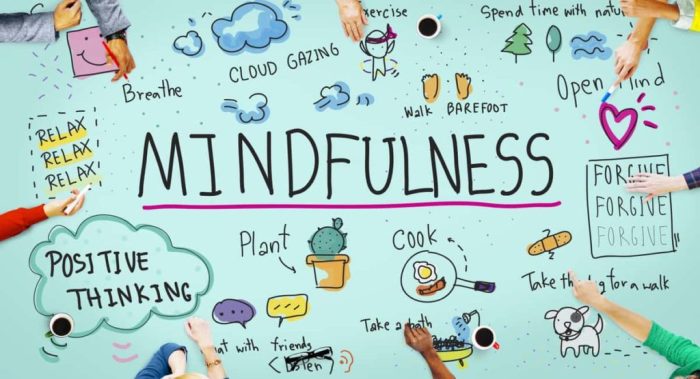
Benefits of mindfulness for mental resilience – Engaging in physical activity is crucial for promoting an active lifestyle and maintaining overall health and well-being. Exercise not only strengthens our bodies but also has a positive impact on our mental health.
Importance of Physical Activity
- Regular exercise helps improve cardiovascular health, build muscle strength, and enhance flexibility.
- Physical activity can reduce the risk of chronic diseases such as heart disease, diabetes, and obesity.
- Exercise releases endorphins, which are known as “feel-good” hormones that can help alleviate stress and boost mood.
Examples of Exercises
- Cardiovascular exercises like running, cycling, or swimming can improve heart health and stamina.
- Strength training with weights or bodyweight exercises can help build muscle mass and increase metabolism.
- Yoga and Pilates focus on flexibility, balance, and mindfulness, promoting overall well-being.
Relationship Between Mindfulness and Exercise
Practicing mindfulness during exercise can enhance the mind-body connection and improve focus and concentration. Mindful movement, such as yoga or tai chi, combines physical activity with mental awareness, creating a balanced approach to fitness.
Tips for Creating a Sustainable Routine
- Start with small, manageable goals and gradually increase the intensity and duration of your workouts.
- Find activities that you enjoy and mix up your routine to prevent boredom and plateaus.
- Schedule exercise sessions at a consistent time each day to establish a habit and make it a priority.
Cardiovascular Health
Mindfulness practices have been shown to have a positive impact on cardiovascular health by reducing stress levels and promoting overall well-being. The connection between stress reduction through mindfulness and heart health is significant, as chronic stress can contribute to the development of cardiovascular diseases.
Techniques for Incorporating Mindfulness
- Practice deep breathing exercises to calm the mind and body, reducing stress and promoting relaxation.
- Engage in mindful meditation to increase self-awareness and focus on the present moment, reducing anxiety and tension.
- Take mindful walks or engage in mindful movement practices like yoga to improve circulation and cardiovascular fitness.
Role of Mindfulness in Managing Risk Factors
- By promoting relaxation and stress reduction, mindfulness can help lower blood pressure and reduce the risk of hypertension.
- Improving emotional well-being through mindfulness can lead to healthier lifestyle choices, such as maintaining a balanced diet and regular exercise, which are essential for cardiovascular health.
- Mindfulness can also help individuals recognize and address unhealthy habits or behaviors that may contribute to the development of cardiovascular diseases, such as smoking or excessive alcohol consumption.
Healthy Recipes
When it comes to maintaining overall health and well-being, incorporating nutritious recipes into your diet is essential. Not only do these recipes provide the necessary nutrients for your body, but they also support your mental resilience and emotional well-being.
One way to ensure you are getting the most out of your meals is by incorporating ingredients known for their health benefits. By being mindful of what you eat, you can achieve a better nutritional balance and improve your overall health.
Nutrient-Packed Meal Ideas, Benefits of mindfulness for mental resilience
- Quinoa Salad with Roasted Vegetables: A delicious and nutrient-dense meal packed with fiber, vitamins, and minerals.
- Salmon with Avocado Salsa: Rich in omega-3 fatty acids and healthy fats, this dish is great for heart health and cognitive function.
- Vegetable Stir-Fry with Tofu: A plant-based meal loaded with antioxidants and protein to support muscle and tissue health.
Importance of Mindful Eating
Practicing mindful eating can have a significant impact on your nutritional balance and overall well-being. By paying attention to your food choices and eating habits, you can better control portion sizes, reduce overeating, and improve digestion.
Cooking Tips for Healthy Meals
- Use herbs and spices instead of salt to add flavor to your dishes.
- Opt for cooking methods like grilling, baking, or steaming instead of frying.
- Incorporate a variety of colorful fruits and vegetables to ensure a diverse range of nutrients in your meals.
Mental Resilience
Mental resilience is the ability to adapt and bounce back from adversity, stress, or trauma. It plays a crucial role in overall well-being as it helps individuals navigate challenges, setbacks, and difficult emotions effectively.
Mindfulness Practices for Strengthening Mental Resilience
Mindfulness practices can significantly enhance mental resilience by promoting present-moment awareness, emotional regulation, and cognitive flexibility. By cultivating mindfulness, individuals can develop a greater capacity to cope with stress, manage difficult emotions, and maintain a positive outlook even in challenging circumstances.
- Mindful Breathing: Engaging in deep, conscious breathing exercises can help calm the mind, reduce anxiety, and enhance emotional stability.
- Body Scan Meditation: This practice involves systematically scanning the body for sensations, promoting self-awareness and relaxation, which can build resilience against physical and emotional stress.
- Mindful Walking: Walking mindfully, focusing on each step and the sensations in the body, can help individuals stay grounded, reduce racing thoughts, and improve mental clarity.
- Gratitude Journaling: Cultivating a practice of gratitude by writing down things one is thankful for can increase positive emotions, resilience, and overall well-being.
Strategies for Enhancing Mental Resilience through Mindfulness
Integrating mindfulness into daily life can be a powerful way to boost mental resilience and emotional strength. Here are some strategies to enhance mental resilience through mindfulness:
- Consistent Practice: Dedicate regular time to mindfulness exercises such as meditation, deep breathing, or body scans to build resilience over time.
- Non-judgmental Awareness: Practice observing thoughts and emotions without judgment, allowing them to come and go without attachment, which fosters resilience against negative self-talk.
- Self-Compassion: Treat yourself with kindness and understanding during challenging times, acknowledging that setbacks are a natural part of life and fostering resilience through self-care.
- Mindful Communication: Engage in mindful listening and speaking, being fully present in conversations, which can improve relationships, reduce conflicts, and enhance emotional resilience.
Immune Support
Mindfulness practices have been shown to have a positive impact on immune function by reducing stress levels in the body. When we are stressed, our immune system becomes weakened, making us more susceptible to illness and infections. By incorporating mindfulness techniques into our daily routine, we can effectively boost our immune system and enhance our overall health and resilience.
Techniques for Promoting Immune Support through Mindfulness Activities
- Deep Breathing: Practice deep breathing exercises to calm the mind and reduce stress, which can help strengthen the immune system.
- Body Scan Meditation: By focusing on different parts of the body and releasing tension, we can improve our overall health and immune function.
- Gratitude Journaling: Cultivating a sense of gratitude through journaling can promote positive emotions and enhance immune support.
Impact of Mindfulness on Overall Immune Health and Resilience
Mindfulness has been shown to decrease inflammation in the body, which is linked to a stronger immune response and better overall health.
- Studies have shown that individuals who regularly practice mindfulness have higher levels of immune cells and antibodies, indicating a stronger immune system.
- By reducing stress and promoting relaxation, mindfulness can enhance immune function and resilience, helping us better cope with challenges and illnesses.
Stress Relief
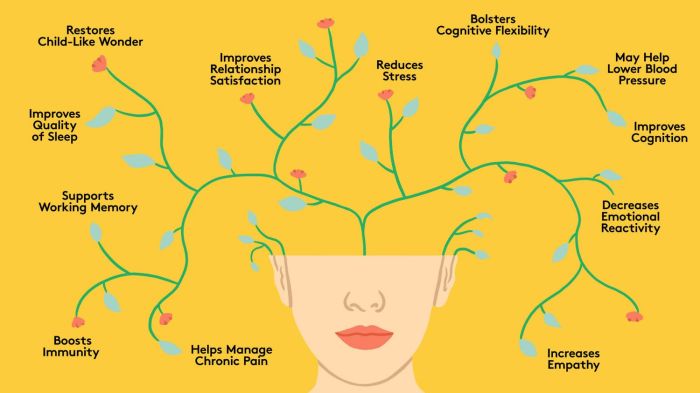
Mindfulness plays a crucial role in stress relief and relaxation by helping individuals stay present in the moment and focus on their thoughts and feelings without judgment. This practice can significantly reduce stress levels and promote a sense of calm and inner peace.
Calming Techniques and Mindfulness Exercises
- Deep Breathing: Taking slow, deep breaths can help activate the body’s relaxation response and reduce stress.
- Body Scan Meditation: This involves focusing on different parts of the body, releasing tension, and promoting relaxation.
- Mindful Walking: Paying attention to each step and the sensations in the body while walking can help clear the mind and reduce stress.
Tips for Integrating Mindfulness into Daily Routines
- Start the day with a mindful breathing exercise to set a positive tone for the day.
- Practice mindfulness during daily activities such as eating, driving, or showering to stay present and reduce stress.
- Set aside dedicated time for meditation or mindfulness practices to prioritize mental well-being.
Nutritional Balance
Maintaining a balanced diet is crucial for overall health as it provides the necessary nutrients to support bodily functions, energy levels, and overall well-being. A balanced diet includes a variety of foods from different food groups to ensure the body receives essential vitamins, minerals, and macronutrients.
Mindful Eating and Nutritional Balance
Mindfulness can promote mindful eating by encouraging individuals to pay attention to their food choices, eating habits, and hunger cues. By practicing mindfulness, individuals can become more aware of their food preferences, portion sizes, and eating patterns, leading to better control over their nutritional intake.
- Focus on whole, nutrient-dense foods such as fruits, vegetables, whole grains, lean proteins, and healthy fats to support optimal nutrition.
- Avoid highly processed foods high in added sugars, unhealthy fats, and artificial ingredients that can negatively impact overall health.
- Practice portion control by listening to your body’s hunger and fullness cues, avoiding overeating or undereating.
- Eat slowly, savoring each bite, and paying attention to the flavors and textures of your food to enhance the eating experience.
- Stay hydrated by drinking an adequate amount of water throughout the day to support digestion, nutrient absorption, and overall well-being.
Mindful eating can help cultivate a positive relationship with food and nutrition by promoting a non-judgmental, compassionate attitude towards eating habits and choices.
Expert Answers
How can mindfulness practices enhance mental resilience?
Mindfulness practices enhance mental resilience by improving self-awareness, emotional regulation, and coping mechanisms during challenging situations.
What is the impact of mindfulness on overall mental well-being?
Mindfulness positively impacts mental well-being by reducing stress, promoting emotional strength, and enhancing adaptability.
How does mindfulness contribute to healthy aging?
Mindfulness helps in healthy aging by maintaining cognitive functions, improving quality of life, and supporting overall well-being in older adults.