The Importance of Sleep
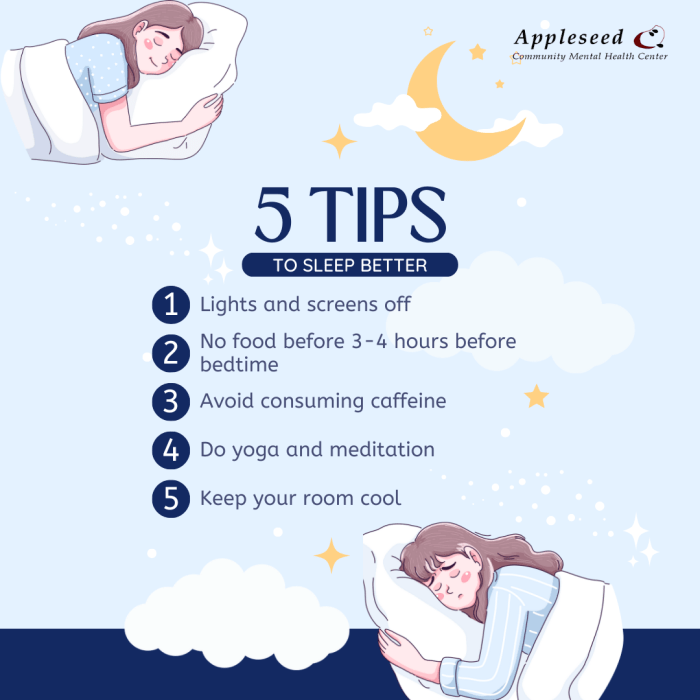
Sleep plays a crucial role in mental resilience by allowing our brains to rest, process emotions, and consolidate memories. It is during sleep that our bodies repair tissues, regulate hormones, and support overall brain function. The relationship between sleep and mental resilience is undeniable, as a lack of quality sleep can lead to cognitive impairment, mood disturbances, and increased stress levels.
Impact of Sleep Quality on Emotional Wellbeing
Poor sleep quality can have a significant impact on emotional wellbeing. When we do not get enough restorative sleep, our ability to regulate emotions is compromised, making us more prone to mood swings, irritability, and anxiety. Chronic sleep deprivation can also contribute to the development of mental health disorders such as depression and PTSD. It is essential to prioritize good sleep hygiene to maintain emotional balance and resilience.
Role of Sleep in Healthy Aging
Quality sleep is essential for maintaining a healthy aging process. As we age, our sleep patterns may change, making it more challenging to get a good night’s rest. Sleep disturbances in older adults have been linked to cognitive decline, memory problems, and an increased risk of developing neurodegenerative diseases such as Alzheimer’s. By prioritizing sleep and adopting healthy sleep habits, older adults can support their brain health and overall resilience as they age.
Healthy Sleep Habits
Establishing a regular sleep routine is essential for maintaining optimal mental resilience. By following a few simple tips, you can improve your sleep hygiene and ensure you are getting the rest you need to face life’s challenges.
Set a Consistent Sleep Schedule
Maintaining a regular sleep schedule, even on weekends, helps regulate your body’s internal clock. Aim to go to bed and wake up at the same time every day to establish a healthy sleep pattern.
Create a Relaxing Bedtime Routine
Engage in calming activities before bedtime, such as reading a book, taking a warm bath, or practicing relaxation techniques. Avoid stimulating activities like watching TV or using electronic devices.
Optimize Your Sleep Environment
Make sure your bedroom is conducive to sleep by keeping it cool, dark, and quiet. Invest in a comfortable mattress and pillows to create a relaxing sleep environment.
Avoid Technology Before Bed
The blue light emitted by screens can disrupt your body’s production of melatonin, the hormone that regulates sleep. Limit screen time before bed and consider using blue light filters on your devices.
Limit Caffeine and Alcohol Intake
Caffeine and alcohol can interfere with your sleep quality and disrupt your sleep cycle. Avoid consuming these substances close to bedtime to ensure a restful night’s sleep.
Stay Active During the Day, The role of sleep in mental resilience
Regular physical activity can improve the quality of your sleep and help you fall asleep faster. Aim for at least 30 minutes of exercise each day, but avoid vigorous workouts close to bedtime.
Practice Mindfulness and Relaxation Techniques
Engage in relaxation exercises like deep breathing, meditation, or progressive muscle relaxation to calm your mind and prepare your body for sleep.
Sleep and Active Lifestyle: The Role Of Sleep In Mental Resilience
Adequate sleep plays a crucial role in maintaining an active lifestyle as it provides the necessary energy and recovery for physical activities.
Effects of Sleep Deprivation on Physical Activity
- Sleep deprivation can lead to decreased motivation and energy levels, making it harder to engage in regular exercise routines.
- It can also impair coordination, reaction time, and decision-making abilities, increasing the risk of accidents or injuries during physical activities.
- Without enough rest, the body may struggle to recover and repair muscles, impacting performance and overall fitness levels.
Benefits of a Well-Rested Body on Maintaining Cardiovascular Health
- A well-rested body is better equipped to handle physical stress and exercise, reducing the risk of cardiovascular issues such as high blood pressure and heart disease.
- Quality sleep helps regulate blood pressure, heart rate, and inflammation levels, promoting heart health and overall well-being.
- By allowing the body to rest and recover properly, adequate sleep supports cardiovascular function and improves endurance for physical activities.
Sleep and Nutrition
The role of sleep in mental resilience – Getting sufficient sleep is crucial for maintaining a healthy diet and promoting overall well-being. The connection between sleep and nutrition is significant, as our eating habits can be greatly influenced by our sleep patterns.
The Impact of Sleep Patterns on Nutritional Balance
Irregular sleep patterns can disrupt hormonal balance, leading to increased cravings for unhealthy, high-calorie foods. This can result in poor food choices and overeating, ultimately affecting our nutritional balance.
- Prioritize whole foods such as fruits, vegetables, whole grains, and lean proteins in your diet to support a good night’s sleep.
- Avoid consuming caffeine, sugary foods, and heavy meals close to bedtime to prevent disturbances in your sleep cycle.
- Incorporate foods rich in magnesium, like nuts, seeds, and leafy greens, which have been linked to improved sleep quality.
- Include tryptophan-rich foods such as turkey, chicken, and dairy products, as this amino acid is a precursor to serotonin and melatonin, promoting relaxation and better sleep.
Coping with Stress through Sleep
When it comes to coping with stress, getting sufficient sleep plays a crucial role in helping individuals relax and rejuvenate both mentally and physically. Sleep provides the necessary rest and recovery time for our bodies and minds, allowing us to better manage stressors in our daily lives.
Impact of Stress on Sleep Quality and Mental Resilience
Stress can significantly impact the quality of our sleep, leading to difficulties falling asleep, staying asleep, or experiencing restful sleep. This lack of quality rest can further exacerbate stress levels, creating a cycle that is detrimental to our mental resilience. Chronic stress can also contribute to conditions like insomnia or anxiety disorders, further affecting our overall well-being.
Relaxation Techniques for Improving Sleep and Managing Stress
- Practice deep breathing exercises: Deep breathing can help calm the mind and body, promoting relaxation before bedtime and reducing stress levels.
- Engage in mindfulness meditation: Mindfulness practices can help focus the mind, reduce racing thoughts, and create a sense of calm conducive to better sleep.
- Establish a bedtime routine: Creating a consistent bedtime routine can signal to your body that it’s time to wind down, making it easier to relax and fall asleep.
- Avoid screens before bed: The blue light emitted from screens can disrupt melatonin production, making it harder to fall asleep. Try to limit screen time before bedtime for better sleep quality.
- Engage in physical activity: Regular exercise can help reduce stress levels, improve sleep quality, and boost overall mental resilience.
Immune Support and Sleep
Sleep plays a crucial role in supporting immune function. Adequate and quality sleep is essential for maintaining a strong immune system, which is vital for overall health and mental resilience.
The Link Between Sleep and Immune Function
During sleep, the body produces cytokines, a type of protein that helps the immune system fight off infections and inflammation. Lack of sleep can reduce the production of these protective cytokines, making the body more susceptible to illnesses.
How Inadequate Sleep Weakens the Immune System
Inadequate sleep weakens the immune system by compromising the body’s ability to produce enough cytokines and antibodies to combat infections. This can lead to a higher risk of getting sick and prolonged recovery times.
Strategies for Optimizing Sleep to Support Immune Health
- Aim for 7-9 hours of quality sleep each night to support immune function.
- Establish a consistent sleep schedule by going to bed and waking up at the same time every day.
- Create a relaxing bedtime routine to signal to your body that it’s time to wind down and prepare for sleep.
- Avoid caffeine, heavy meals, and electronic devices before bedtime to improve sleep quality.
- Create a comfortable sleep environment that is cool, dark, and quiet to promote restful sleep.
FAQ Summary
How does sleep impact mental resilience?
Sleep plays a crucial role in regulating emotions and cognitive functions, which are essential for building mental resilience.
Can sleep quality affect our ability to manage stress?
Yes, poor sleep quality can hinder our stress management abilities and make us more susceptible to feeling overwhelmed by stressors.
What are some strategies for improving sleep hygiene?
Establishing a consistent sleep routine, creating a relaxing bedtime environment, and limiting screen time before bed can all help improve sleep hygiene.