
Emotional Well-being: Impact on Health and Productivity

How emotional well-being impacts physical health and daily productivity

How emotional well-being impacts physical health and daily productivity is a topic that deserves attention. Our emotional state is intricately woven into our physical well-being and how we function in our daily lives. When we experience positive emotions, our bodies respond in kind, leading to better health outcomes.

Conversely, chronic stress and negative emotions can take a toll on our physical health, impacting our immune system and overall well-being. This connection is not merely theoretical; research has shown a clear correlation between emotional well-being and both physical health and productivity.

This exploration delves into the intricate relationship between our emotional state and our physical health, exploring how stress impacts our bodies and how positive emotions can contribute to a healthier life. We’ll also examine how emotional well-being affects our ability to focus, concentrate, and make sound decisions, ultimately impacting our productivity in the workplace and in our personal lives.

Emotional Wellbeing and Daily Productivity: How Emotional Well-being Impacts Physical Health And Daily Productivity

Emotional well-being plays a crucial role in shaping our daily productivity. A positive emotional state can enhance focus, concentration, and decision-making, leading to improved work performance and overall success. Conversely, negative emotions like stress and anxiety can hinder our ability to perform at our best.

Understanding the intricate connection between emotional well-being and daily productivity allows us to cultivate a more fulfilling and efficient work life.

The Impact of Emotional Well-being on Focus, Concentration, and Decision-Making

Emotional well-being significantly influences our cognitive abilities, particularly focus, concentration, and decision-making. When we experience positive emotions like joy, contentment, and gratitude, our minds are more alert and receptive to information. This heightened mental clarity allows us to concentrate better, process information efficiently, and make sound decisions.

“When we are happy, we are more likely to be open to new experiences, to be creative, and to be able to think clearly.”Dr. Barbara Fredrickson, Positive Psychologist

Conversely, negative emotions like stress, anxiety, and anger can cloud our judgment and hinder our ability to focus. When we are overwhelmed by these emotions, our minds tend to become preoccupied with worries, leading to decreased concentration and impaired decision-making.

The Impact of Stress and Anxiety on Work Performance and Creativity

Stress and anxiety are common workplace challenges that can have a detrimental impact on our productivity and creativity. Prolonged exposure to stress can lead to burnout, exhaustion, and decreased motivation. When we are constantly feeling stressed, our brains become preoccupied with worries, making it difficult to concentrate on tasks and generate innovative ideas.

“Chronic stress can lead to a decline in cognitive function, including memory, attention, and decision-making.”

American Psychological Association

Anxiety, on the other hand, can lead to procrastination, perfectionism, and a fear of failure. This can hinder our ability to take risks, explore new ideas, and embrace challenges, ultimately stifling our creativity.

Strategies for Managing Emotional Challenges in the Workplace

Managing emotional challenges in the workplace is crucial for maintaining productivity and overall well-being. Here are some effective strategies:

  • Mindfulness and Meditation:Engaging in mindfulness practices, such as meditation or deep breathing exercises, can help regulate emotions, reduce stress, and improve focus.
  • Time Management:Prioritizing tasks, setting realistic deadlines, and breaking down large projects into smaller, manageable steps can alleviate feelings of overwhelm and improve productivity.
  • Healthy Lifestyle:Maintaining a healthy lifestyle through regular exercise, a balanced diet, and adequate sleep can significantly boost our emotional resilience and energy levels.
  • Seeking Support:Talking to a trusted colleague, friend, or therapist about our emotional challenges can provide valuable support and coping mechanisms.

Emotional Well-being and a Positive Work Environment

A positive work environment is essential for fostering emotional well-being and boosting productivity. When employees feel valued, respected, and supported, they are more likely to be engaged, motivated, and productive.

  • Open Communication:Encouraging open and honest communication among team members can create a safe space for expressing concerns and seeking support.
  • Work-Life Balance:Promoting a healthy work-life balance by encouraging employees to take breaks, prioritize personal time, and disconnect from work after hours can reduce stress and improve overall well-being.
  • Employee Recognition and Appreciation:Acknowledging and celebrating employees’ achievements and contributions can boost morale, motivation, and a sense of belonging.

Emotional Resilience and Adaptability in the Workplace

Emotional resilience is the ability to bounce back from adversity and adapt to challenging situations. This crucial skill is essential for navigating the unpredictable nature of the workplace.

“Emotional resilience is the ability to withstand and recover from difficult or challenging experiences.”

American Psychological Association

Emotionally resilient individuals are better equipped to handle stress, setbacks, and change. They can maintain their focus, adapt to new situations, and find creative solutions to problems, ultimately contributing to a more productive and fulfilling work life.

Strategies for Fostering Emotional Wellbeing

Emotional well-being is a crucial aspect of overall health and happiness, influencing our physical health, productivity, and relationships. Nurturing emotional well-being involves adopting healthy habits and practices that promote mental resilience and emotional stability.

Stress Management Techniques

Stress is a natural response to challenging situations, but chronic stress can have detrimental effects on emotional well-being. Effective stress management techniques can help us cope with stress, reduce its impact, and maintain emotional balance.

  • Deep Breathing Exercises:Deep, slow breaths can trigger the body’s relaxation response, calming the nervous system and reducing stress levels.
  • Progressive Muscle Relaxation:This technique involves tensing and releasing different muscle groups, helping to release physical tension and promote relaxation.
  • Mindful Meditation:Meditation involves focusing on the present moment, observing thoughts and feelings without judgment, and cultivating a sense of calm and awareness.
  • Physical Activity:Exercise releases endorphins, which have mood-boosting effects and help reduce stress hormones.

Benefits of Mindfulness and Meditation

Mindfulness and meditation practices can have profound benefits for emotional well-being. They cultivate self-awareness, reduce stress and anxiety, promote emotional regulation, and enhance focus and concentration.

  • Increased Self-Awareness:Mindfulness helps us become more aware of our thoughts, feelings, and bodily sensations, allowing us to better understand and manage our emotional responses.
  • Reduced Stress and Anxiety:Meditation has been shown to decrease levels of cortisol, the stress hormone, and promote a sense of calm and relaxation.
  • Improved Emotional Regulation:Mindfulness practices help us develop greater emotional awareness and the ability to respond to challenging situations with more composure and less reactivity.
  • Enhanced Focus and Concentration:Meditation improves attention span and focus, making it easier to concentrate on tasks and reduce distractions.

Developing Healthy Coping Mechanisms

Coping mechanisms are strategies we use to manage difficult emotions and situations. Healthy coping mechanisms help us navigate challenges in a constructive way, while unhealthy coping mechanisms can exacerbate emotional distress.

  • Journaling:Writing down thoughts and feelings can help process emotions, gain clarity, and reduce stress.
  • Talking to a Trusted Friend or Family Member:Sharing our feelings with someone we trust can provide support and perspective.
  • Seeking Professional Help:If we are struggling to manage our emotions, a therapist or counselor can provide guidance and support.
  • Engaging in Creative Activities:Art, music, writing, or other creative outlets can provide an outlet for emotional expression and stress relief.

Activities that Promote Emotional Wellbeing, How emotional well-being impacts physical health and daily productivity

Participating in activities that bring us joy and fulfillment can significantly enhance our emotional well-being.

  • Spending Time in Nature:Being in nature has been shown to reduce stress, improve mood, and promote feelings of well-being.
  • Engaging in Hobbies:Pursuing hobbies we enjoy can provide a sense of purpose, accomplishment, and relaxation.
  • Connecting with Loved Ones:Strong social connections are essential for emotional well-being. Spending time with loved ones, building relationships, and nurturing social bonds can provide support and happiness.
  • Practicing Gratitude:Focusing on the positive aspects of our lives can shift our perspective and promote feelings of appreciation and contentment.

Self-Care and Prioritizing Emotional Needs

Self-care is essential for emotional well-being. It involves prioritizing our emotional needs, engaging in activities that promote well-being, and setting boundaries to protect our emotional health.

  • Identify Your Needs:Take time to reflect on what you need to feel emotionally balanced and fulfilled.
  • Schedule Time for Self-Care:Just like you schedule appointments, schedule time for activities that nourish your emotional well-being.
  • Set Boundaries:Learn to say “no” to commitments that drain your energy or compromise your emotional well-being.
  • Practice Self-Compassion:Be kind to yourself, acknowledge your emotions, and treat yourself with the same care and understanding you would offer to a loved one.

Epilogue

How emotional well-being impacts physical health and daily productivity

Understanding the profound connection between emotional well-being, physical health, and productivity empowers us to prioritize our emotional well-being. By incorporating stress management techniques, mindfulness practices, and healthy lifestyle choices, we can cultivate a more positive and fulfilling life. This journey toward emotional well-being is not a destination but a continuous process, one that requires dedication, self-awareness, and a commitment to prioritizing our emotional needs.

Ultimately, by investing in our emotional well-being, we invest in a healthier, more productive, and ultimately more fulfilling life.

Top FAQs

What are some practical tips for managing stress?

Stress management techniques can vary from person to person. Some effective strategies include regular exercise, deep breathing exercises, spending time in nature, practicing mindfulness, and seeking support from friends or family.

How can I improve my emotional resilience?

Building emotional resilience involves developing healthy coping mechanisms, practicing self-compassion, and seeking support when needed. Learning to identify and challenge negative thought patterns is also crucial.

Are there any specific supplements that can support emotional well-being?

While some supplements may be beneficial for mood regulation and stress reduction, it’s important to consult with a healthcare professional before taking any supplements. They can advise you on the appropriate dosage and potential interactions with other medications.

Quick stress relief tips for busy moms: Managing stress effectively

Quick stress relief tips for busy moms

Healthy Habits

Incorporating daily healthy habits is crucial for busy moms to effectively manage stress and maintain overall well-being. These habits not only help in reducing stress levels but also contribute to a healthier lifestyle in the long run.

Examples of Daily Healthy Habits

  • Start the day with a nutritious breakfast to fuel your body and mind.
  • Stay hydrated by drinking an adequate amount of water throughout the day.
  • Take short breaks during work or household tasks to relax and recharge.
  • Incorporate physical activity into your routine, even if it’s just a short walk or some stretching exercises.
  • Practice mindfulness or meditation to calm your mind and reduce stress.

Importance of Self-Care

Self-care routines are essential for busy moms as they provide a much-needed break from the demands of daily life. Taking time to care for yourself not only improves your mental and physical health but also enhances your ability to handle stress effectively.

Tips for Creating a Balanced Lifestyle

  • Set boundaries and learn to say no to tasks or commitments that overwhelm you.
  • Prioritize tasks based on importance and urgency to avoid feeling overwhelmed.
  • Schedule regular “me time” for activities you enjoy and help you relax.
  • Delegate tasks to family members or seek help when needed to lighten your load.
  • Foster a support network of friends or other moms who can provide encouragement and understanding.

Significance of Adequate Sleep

Adequate sleep is crucial for managing stress levels as it allows your body and mind to rest and recover. Lack of sleep can lead to increased stress, irritability, and reduced ability to cope with daily challenges. Make sleep a priority and ensure you get the recommended hours of rest each night for optimal well-being.

Emotional Wellbeing

Maintaining emotional balance is crucial for busy moms juggling multiple responsibilities. Implementing strategies to reduce stress and stay emotionally grounded can greatly improve overall well-being.

Benefits of Mindfulness Practices

  • Practicing mindfulness can help reduce anxiety and overwhelm by focusing on the present moment.
  • It promotes self-awareness and allows moms to manage their emotions effectively.
  • Mindfulness practices improve mental clarity and decision-making abilities in stressful situations.

Techniques for Staying Present

  • Take deep breaths and focus on the sensations in your body to stay grounded in the present.
  • Practice gratitude by reflecting on things you are thankful for to shift your focus from stressors to positive aspects of your life.
  • Avoid multitasking and concentrate on one task at a time to prevent feeling overwhelmed.

Impact of Positive Affirmations and Gratitude Practices

  • Positive affirmations can boost self-esteem and confidence, leading to a more positive outlook on life.
  • Gratitude practices help shift the focus from negativity to appreciation, improving overall mental health and well-being.
  • Regularly practicing positive affirmations and gratitude can create a more optimistic mindset, even in challenging situations.

Healthy Aging

Stress management plays a crucial role in promoting healthy aging in the long run. Chronic stress can lead to inflammation, which accelerates the aging process and increases the risk of age-related diseases. By incorporating stress relief techniques into daily routines, busy moms can support their overall health and well-being as they age.

Incorporating Anti-Aging Foods and Supplements

Quick stress relief tips for busy moms – Eating a balanced diet rich in anti-aging foods can help combat the effects of stress on the body. Include colorful fruits and vegetables, whole grains, lean proteins, and healthy fats in your meals. Additionally, consider adding supplements like collagen, antioxidants, and omega-3 fatty acids to support skin health and reduce inflammation.

Importance of Regular Exercise

Regular exercise is essential for promoting longevity and vitality. Aim for a combination of cardiovascular exercise, strength training, and flexibility exercises to support overall health. Exercise helps reduce stress, boost mood, and improve circulation, which can all contribute to healthy aging.

Skincare Tips to Combat Signs of Aging

Developing a skincare routine that targets signs of aging caused by stress is essential. Use products with ingredients like retinol, vitamin C, hyaluronic acid, and peptides to promote collagen production, reduce fine lines and wrinkles, and improve skin elasticity. Don’t forget to protect your skin from sun damage by using sunscreen daily.

Active Lifestyle

Staying active is crucial for busy moms to manage stress and maintain overall wellbeing. Incorporating quick and effective exercises into your daily routine can make a significant difference in your physical and mental health.

Quick and Effective Exercises for Busy Moms

  • Try high-intensity interval training (HIIT) workouts that can be completed in as little as 15-20 minutes, combining bursts of intense exercise with short rest periods.
  • Include bodyweight exercises like squats, lunges, push-ups, and planks that require minimal equipment and can be done at home.
  • Take short brisk walks during breaks or incorporate stairs climbing into your daily activities to boost your heart rate and energy levels.

Staying Active with Limited Time and Resources, Quick stress relief tips for busy moms

  • Utilize workout apps or online videos that offer quick workout routines tailored to busy schedules.
  • Involve your children in physical activities like dancing, playing tag, or going for a family bike ride to stay active together.
  • Make use of household items like water bottles as weights or resistance bands for strength training exercises.

Benefits of Physical Activity for Stress Relief

  • Regular exercise releases endorphins, which are known as “feel-good” hormones that can help reduce stress and anxiety levels.
  • Physical activity improves blood circulation, promotes better sleep, and boosts overall mood and mental clarity.
  • Engaging in regular exercise can enhance your resilience to stress and provide a healthy outlet for managing daily challenges.

Creating a Sustainable Workout Schedule

  • Set realistic fitness goals and prioritize consistency over intensity to establish a sustainable workout routine.
  • Schedule shorter workout sessions throughout the week rather than aiming for long, exhausting sessions that may be difficult to maintain.
  • Find a balance between cardio, strength training, and flexibility exercises to ensure a well-rounded fitness program that fits your lifestyle.

Cardiovascular Health

Stress can have a significant impact on the cardiovascular health of busy moms. The constant pressure and demands of juggling work, family, and personal responsibilities can lead to increased levels of stress, which in turn can contribute to heart-related issues.

Reducing Stress for a Healthy Heart

  • Practice relaxation techniques such as deep breathing, meditation, or yoga to help calm the mind and reduce stress levels.
  • Make time for self-care activities that bring you joy and relaxation, such as reading a book, taking a bath, or going for a walk.
  • Delegate tasks and learn to say no to unnecessary commitments to avoid overwhelming yourself.

Diet and Exercise for Cardiovascular Wellbeing

  • Follow a heart-healthy diet rich in fruits, vegetables, whole grains, lean proteins, and healthy fats to support your heart health.
  • Engage in regular physical activity such as aerobic exercises, strength training, or yoga to improve cardiovascular fitness and reduce stress.
  • Aim to maintain a healthy weight and avoid smoking to lower your risk of heart disease.

Monitoring Heart Health and Recognizing Warning Signs

  • Visit your healthcare provider regularly for check-ups and screenings to monitor your heart health.
  • Be aware of warning signs of stress-related heart issues such as chest pain, shortness of breath, palpitations, or dizziness.
  • Seek medical attention immediately if you experience any symptoms of a heart problem to prevent further complications.

Healthy Recipes

As a busy mom, finding time to prepare healthy meals can be challenging. However, incorporating quick and nutritious recipes into your routine can make a significant difference in managing stress and promoting overall health.

Meal planning is essential for maintaining a healthy diet despite a hectic schedule. By planning ahead, you can ensure that you have the necessary ingredients on hand and avoid the temptation of unhealthy fast food options.

Quick Breakfast Ideas

  • Overnight oats with fresh berries and nuts
  • Greek yogurt topped with granola and honey
  • Whole grain toast with avocado and poached eggs

Simple Lunch Options

  • Quinoa salad with roasted vegetables
  • Vegetable stir-fry with tofu or chicken
  • Chickpea and avocado wrap

Easy Snack Choices

  • Sliced cucumbers with hummus
  • Homemade trail mix with nuts and dried fruits
  • Apple slices with almond butter

Nutritious Dinner Recipes

  • Baked salmon with quinoa and steamed broccoli
  • Turkey chili with beans and vegetables
  • Veggie-packed spaghetti squash with marinara sauce

Mental Resilience

Building mental resilience is crucial for busy moms facing daily challenges. It involves the ability to adapt to stress, overcome setbacks, and maintain a positive outlook. By incorporating strategies to enhance mental strength, moms can better cope with the demands of their everyday lives.

Strategies for Building Mental Resilience

  • Practice mindfulness and meditation to stay present and calm in stressful situations.
  • Develop a strong support system of friends, family, or a therapist to lean on during tough times.
  • Focus on self-care activities that recharge your mental and emotional batteries, such as exercise, hobbies, or relaxation techniques.
  • Cultivate a growth mindset by viewing challenges as opportunities for personal growth and learning.
  • Acknowledge and accept your emotions, allowing yourself to feel and process them without judgment.

Immune Support

Stress can significantly impact the immune system, making the body more susceptible to illnesses and infections. Managing stress is crucial for overall health and well-being, including immune function.

Lifestyle Changes for Immunity Boost

  • Regular exercise can help boost the immune system by promoting good circulation and reducing inflammation.
  • Getting an adequate amount of sleep is essential for immune function, as lack of sleep can weaken the body’s defenses.
  • Practicing relaxation techniques such as deep breathing, meditation, or yoga can help reduce stress levels and support a strong immune system.

Nutrition and Hydration for Immune Health

  • Eating a balanced diet rich in fruits, vegetables, whole grains, and lean proteins provides essential nutrients for immune function.
  • Staying hydrated by drinking plenty of water helps the body flush out toxins and supports overall immune health.
  • Avoiding excessive sugar and processed foods can help prevent inflammation and support a strong immune response.

Supplements and Herbs for Immune Function

  • Vitamin C is known for its immune-boosting properties and can be taken as a supplement or found in citrus fruits, strawberries, and bell peppers.
  • Zinc is essential for immune function and can be taken as a supplement or found in foods like oysters, beef, and lentils.
  • Echinacea and elderberry are herbs that have been traditionally used to support immune function and can be found in supplement form.

Stress Relief

Quick stress relief tips for busy moms

As a busy mom, finding time to relax and unwind can be challenging. However, incorporating quick stress relief techniques into your daily routine can make a significant difference in managing your overall well-being.

Quick Stress Relief Techniques

  • Practice deep breathing exercises: Take a few minutes throughout the day to focus on your breath. Inhale deeply through your nose, hold for a few seconds, and exhale slowly through your mouth. This can help calm your mind and reduce stress.
  • Engage in mindfulness activities: Whether it’s a short meditation session, a walk in nature, or simply focusing on the present moment, mindfulness can help you stay grounded and alleviate stress.
  • Create a calming environment: Decluttering your space, incorporating soothing scents like lavender or chamomile, and playing soft music can contribute to a more peaceful atmosphere at home.
  • Set boundaries and prioritize self-care: Learn to say no to additional responsibilities that may overwhelm you. Make time for activities that bring you joy and relaxation, such as reading a book, taking a bath, or practicing yoga.

Nutritional Balance: Quick Stress Relief Tips For Busy Moms

Maintaining a balanced diet is crucial for busy moms as it can have a significant impact on their stress levels and overall wellbeing. Proper nutrition provides the energy and nutrients needed to cope with daily challenges and responsibilities. Here are some tips to help busy moms achieve nutritional balance despite time constraints.

Key Nutrients for Combatting Stress and Improving Mood

  • Omega-3 fatty acids: Found in fatty fish, flaxseeds, and walnuts, omega-3s can help reduce inflammation and support brain health, which can improve mood and reduce stress.
  • Magnesium: Foods like nuts, seeds, whole grains, and leafy greens are rich in magnesium, a mineral that plays a role in relaxation and stress management.
  • Vitamin D: Sunlight exposure and fortified foods can provide vitamin D, which is important for mood regulation and may help reduce symptoms of depression.
  • B vitamins: Foods like whole grains, legumes, and leafy greens contain B vitamins that are essential for energy production and stress management.

Meal Planning and Healthy Eating Habits

Planning ahead can help busy moms make healthier food choices despite their hectic schedules. Here are some suggestions for meal planning and developing healthy eating habits:

  • Batch cooking: Prepare meals in advance and store them for quick and convenient options during busy days.
  • Include a variety of fruits and vegetables: Aim to fill half your plate with colorful fruits and vegetables to ensure a good intake of vitamins, minerals, and antioxidants.
  • Avoid processed foods: Opt for whole, nutrient-dense foods like lean proteins, whole grains, and healthy fats to support overall health and wellbeing.
  • Stay hydrated: Drink plenty of water throughout the day to maintain energy levels and support proper bodily functions.

Common Queries

How can busy moms incorporate self-care into their daily routines?

Busy moms can schedule short breaks for themselves, practice mindfulness, engage in hobbies they enjoy, and seek support from friends or family.

What are some quick stress relief techniques for busy moms?

Deep breathing exercises, progressive muscle relaxation, taking short walks, and listening to calming music are effective stress relief techniques for busy moms.

How does emotional resilience help busy moms manage stress?

Emotional resilience allows busy moms to bounce back from challenges, maintain a positive outlook, and adapt to stressors effectively, leading to better stress management.

What role does physical activity play in reducing stress for busy moms?

Regular exercise releases endorphins, improves mood, reduces anxiety, and promotes overall well-being, making it a key component in stress reduction for busy moms.

How can busy moms create a calming environment at home?

Busy moms can declutter spaces, incorporate soothing colors, use essential oils or candles, play relaxing music, and create a designated relaxation area to promote a calming environment at home.

The role of sleep in mental resilience: A crucial factor in overall well-being

The role of sleep in mental resilience

The Importance of Sleep

The role of sleep in mental resilience
Sleep plays a crucial role in mental resilience by allowing our brains to rest, process emotions, and consolidate memories. It is during sleep that our bodies repair tissues, regulate hormones, and support overall brain function. The relationship between sleep and mental resilience is undeniable, as a lack of quality sleep can lead to cognitive impairment, mood disturbances, and increased stress levels.

Impact of Sleep Quality on Emotional Wellbeing

Poor sleep quality can have a significant impact on emotional wellbeing. When we do not get enough restorative sleep, our ability to regulate emotions is compromised, making us more prone to mood swings, irritability, and anxiety. Chronic sleep deprivation can also contribute to the development of mental health disorders such as depression and PTSD. It is essential to prioritize good sleep hygiene to maintain emotional balance and resilience.

Role of Sleep in Healthy Aging

Quality sleep is essential for maintaining a healthy aging process. As we age, our sleep patterns may change, making it more challenging to get a good night’s rest. Sleep disturbances in older adults have been linked to cognitive decline, memory problems, and an increased risk of developing neurodegenerative diseases such as Alzheimer’s. By prioritizing sleep and adopting healthy sleep habits, older adults can support their brain health and overall resilience as they age.

Healthy Sleep Habits

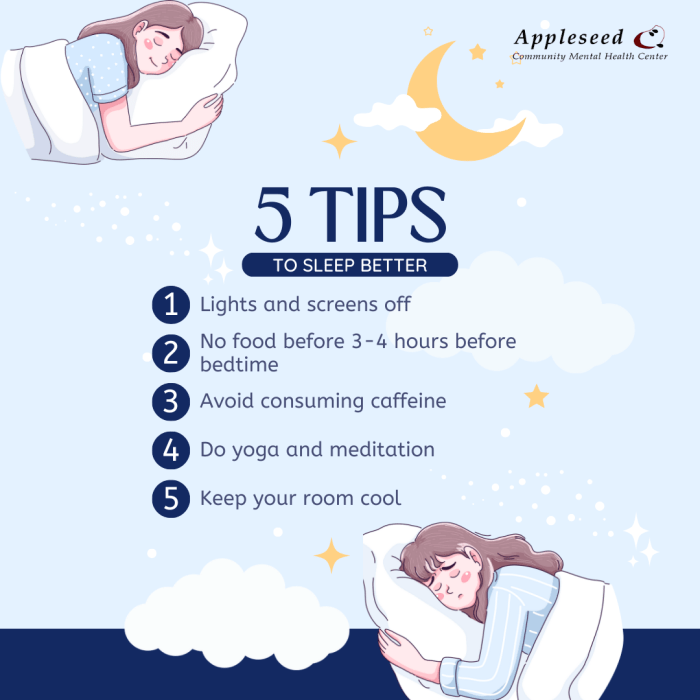
Establishing a regular sleep routine is essential for maintaining optimal mental resilience. By following a few simple tips, you can improve your sleep hygiene and ensure you are getting the rest you need to face life’s challenges.

Set a Consistent Sleep Schedule

Maintaining a regular sleep schedule, even on weekends, helps regulate your body’s internal clock. Aim to go to bed and wake up at the same time every day to establish a healthy sleep pattern.

Create a Relaxing Bedtime Routine

Engage in calming activities before bedtime, such as reading a book, taking a warm bath, or practicing relaxation techniques. Avoid stimulating activities like watching TV or using electronic devices.

Optimize Your Sleep Environment

Make sure your bedroom is conducive to sleep by keeping it cool, dark, and quiet. Invest in a comfortable mattress and pillows to create a relaxing sleep environment.

Avoid Technology Before Bed

The blue light emitted by screens can disrupt your body’s production of melatonin, the hormone that regulates sleep. Limit screen time before bed and consider using blue light filters on your devices.

Limit Caffeine and Alcohol Intake

Caffeine and alcohol can interfere with your sleep quality and disrupt your sleep cycle. Avoid consuming these substances close to bedtime to ensure a restful night’s sleep.

Stay Active During the Day, The role of sleep in mental resilience

Regular physical activity can improve the quality of your sleep and help you fall asleep faster. Aim for at least 30 minutes of exercise each day, but avoid vigorous workouts close to bedtime.

Practice Mindfulness and Relaxation Techniques

Engage in relaxation exercises like deep breathing, meditation, or progressive muscle relaxation to calm your mind and prepare your body for sleep.

Sleep and Active Lifestyle: The Role Of Sleep In Mental Resilience

Adequate sleep plays a crucial role in maintaining an active lifestyle as it provides the necessary energy and recovery for physical activities.

Effects of Sleep Deprivation on Physical Activity

  • Sleep deprivation can lead to decreased motivation and energy levels, making it harder to engage in regular exercise routines.
  • It can also impair coordination, reaction time, and decision-making abilities, increasing the risk of accidents or injuries during physical activities.
  • Without enough rest, the body may struggle to recover and repair muscles, impacting performance and overall fitness levels.

Benefits of a Well-Rested Body on Maintaining Cardiovascular Health

  • A well-rested body is better equipped to handle physical stress and exercise, reducing the risk of cardiovascular issues such as high blood pressure and heart disease.
  • Quality sleep helps regulate blood pressure, heart rate, and inflammation levels, promoting heart health and overall well-being.
  • By allowing the body to rest and recover properly, adequate sleep supports cardiovascular function and improves endurance for physical activities.

Sleep and Nutrition

The role of sleep in mental resilience – Getting sufficient sleep is crucial for maintaining a healthy diet and promoting overall well-being. The connection between sleep and nutrition is significant, as our eating habits can be greatly influenced by our sleep patterns.

The Impact of Sleep Patterns on Nutritional Balance

Irregular sleep patterns can disrupt hormonal balance, leading to increased cravings for unhealthy, high-calorie foods. This can result in poor food choices and overeating, ultimately affecting our nutritional balance.

  • Prioritize whole foods such as fruits, vegetables, whole grains, and lean proteins in your diet to support a good night’s sleep.
  • Avoid consuming caffeine, sugary foods, and heavy meals close to bedtime to prevent disturbances in your sleep cycle.
  • Incorporate foods rich in magnesium, like nuts, seeds, and leafy greens, which have been linked to improved sleep quality.
  • Include tryptophan-rich foods such as turkey, chicken, and dairy products, as this amino acid is a precursor to serotonin and melatonin, promoting relaxation and better sleep.

Coping with Stress through Sleep

When it comes to coping with stress, getting sufficient sleep plays a crucial role in helping individuals relax and rejuvenate both mentally and physically. Sleep provides the necessary rest and recovery time for our bodies and minds, allowing us to better manage stressors in our daily lives.

Impact of Stress on Sleep Quality and Mental Resilience

Stress can significantly impact the quality of our sleep, leading to difficulties falling asleep, staying asleep, or experiencing restful sleep. This lack of quality rest can further exacerbate stress levels, creating a cycle that is detrimental to our mental resilience. Chronic stress can also contribute to conditions like insomnia or anxiety disorders, further affecting our overall well-being.

Relaxation Techniques for Improving Sleep and Managing Stress

  • Practice deep breathing exercises: Deep breathing can help calm the mind and body, promoting relaxation before bedtime and reducing stress levels.
  • Engage in mindfulness meditation: Mindfulness practices can help focus the mind, reduce racing thoughts, and create a sense of calm conducive to better sleep.
  • Establish a bedtime routine: Creating a consistent bedtime routine can signal to your body that it’s time to wind down, making it easier to relax and fall asleep.
  • Avoid screens before bed: The blue light emitted from screens can disrupt melatonin production, making it harder to fall asleep. Try to limit screen time before bedtime for better sleep quality.
  • Engage in physical activity: Regular exercise can help reduce stress levels, improve sleep quality, and boost overall mental resilience.

Immune Support and Sleep

Sleep plays a crucial role in supporting immune function. Adequate and quality sleep is essential for maintaining a strong immune system, which is vital for overall health and mental resilience.

The Link Between Sleep and Immune Function

During sleep, the body produces cytokines, a type of protein that helps the immune system fight off infections and inflammation. Lack of sleep can reduce the production of these protective cytokines, making the body more susceptible to illnesses.

How Inadequate Sleep Weakens the Immune System

Inadequate sleep weakens the immune system by compromising the body’s ability to produce enough cytokines and antibodies to combat infections. This can lead to a higher risk of getting sick and prolonged recovery times.

Strategies for Optimizing Sleep to Support Immune Health

  • Aim for 7-9 hours of quality sleep each night to support immune function.
  • Establish a consistent sleep schedule by going to bed and waking up at the same time every day.
  • Create a relaxing bedtime routine to signal to your body that it’s time to wind down and prepare for sleep.
  • Avoid caffeine, heavy meals, and electronic devices before bedtime to improve sleep quality.
  • Create a comfortable sleep environment that is cool, dark, and quiet to promote restful sleep.

FAQ Summary

How does sleep impact mental resilience?

Sleep plays a crucial role in regulating emotions and cognitive functions, which are essential for building mental resilience.

Can sleep quality affect our ability to manage stress?

Yes, poor sleep quality can hinder our stress management abilities and make us more susceptible to feeling overwhelmed by stressors.

What are some strategies for improving sleep hygiene?

Establishing a consistent sleep routine, creating a relaxing bedtime environment, and limiting screen time before bed can all help improve sleep hygiene.