Healthy Habits for Promoting Mindfulness
Healthy habits for promoting mindfulness – Practicing mindfulness involves being fully present and aware of your thoughts, feelings, and surroundings without judgment. It can help reduce stress, improve focus, and enhance overall well-being.
Examples of Simple Mindfulness Practices:
- Deep breathing exercises to center yourself in the present moment.
- Body scan meditation to focus on different parts of your body and release tension.
- Mindful eating by savoring each bite and paying attention to flavors and textures.
Benefits of Mindfulness:, Healthy habits for promoting mindfulness
- Reduced stress and anxiety levels.
- Improved emotional regulation and mental clarity.
- Enhanced self-awareness and compassion towards oneself and others.
Tips for Cultivating Mindfulness:
- Practice mindfulness in everyday activities like walking or washing dishes.
- Set aside time for formal meditation practices to train your mind for mindfulness.
- Engage in mindful communication by listening actively and responding thoughtfully.
Healthy Habits for Emotional Wellbeing
Mindfulness plays a crucial role in emotional wellbeing by helping individuals become more aware of their thoughts and feelings, allowing them to respond to challenging situations with greater clarity and composure.
Managing Stress and Promoting Emotional Resilience
- Practice deep breathing exercises to calm the mind and body during stressful moments.
- Engage in regular physical activity to release endorphins and reduce stress levels.
- Establish a healthy sleep routine to ensure adequate rest and rejuvenation for emotional resilience.
Impact of Positive Thinking on Emotional Health
- Cultivate a positive mindset by focusing on gratitude and reframing negative situations in a more optimistic light.
- Acknowledge and challenge negative thought patterns to promote a more positive outlook on life.
- Practice mindfulness meditation to enhance self-awareness and foster a positive emotional state.
Techniques for Fostering Emotional Intelligence and Self-awareness
- Develop active listening skills to better understand and empathize with the emotions of others.
- Reflect on your own emotions and triggers to increase self-awareness and regulate emotional responses effectively.
- Engage in journaling or therapy to explore and process underlying emotions for improved emotional intelligence.
Healthy Aging through Mindful Practices
As we age, incorporating mindfulness practices into our daily routines can have a significant impact on our overall health and wellbeing. Mindfulness can help seniors maintain cognitive function, memory retention, and emotional stability, ultimately promoting healthy aging.
Role of Mindfulness in Cognitive Function and Memory Retention
Mindfulness practices such as meditation, deep breathing exercises, and yoga have been shown to improve cognitive function and memory retention in seniors. By reducing stress, enhancing focus, and promoting mental clarity, mindfulness can help seniors maintain sharp cognitive abilities as they age.
Tips for Seniors on Incorporating Mindfulness
- Start with short mindfulness sessions: Seniors can begin by dedicating just a few minutes each day to mindfulness practices to gradually build up their routine.
- Find a quiet and comfortable space: Creating a peaceful environment for mindfulness practice can enhance its effectiveness and help seniors relax and focus.
- Practice mindfulness during daily activities: Seniors can incorporate mindfulness into everyday tasks such as eating, walking, or gardening to cultivate a sense of presence and awareness.
Mindfulness Exercises for Healthy Aging
- Body scan meditation: This practice involves focusing on different parts of the body to promote relaxation, reduce tension, and increase body awareness.
- Loving-kindness meditation: Seniors can practice sending well wishes and compassion to themselves and others to cultivate positive emotions and enhance emotional wellbeing.
- Breath awareness exercises: Simple breathing techniques can help seniors calm the mind, reduce stress, and improve concentration and focus.
Maintaining an Active Lifestyle with Mindfulness
Maintaining an active lifestyle is crucial for overall health and well-being. When combined with mindfulness practices, physical activity can have a profound impact on both the body and mind.
Connection between Mindfulness and Physical Activity
Practicing mindfulness during physical activities can help individuals stay present, focused, and engaged in the moment. This can enhance the overall experience of exercise and promote a deeper mind-body connection.
Guidance on Combining Mindfulness with Exercise Routines
To incorporate mindfulness into exercise routines, individuals can start by focusing on their breath, tuning into body sensations, and staying present during each movement. Mindful walking, yoga, and tai chi are great examples of activities that combine physical movement with mindfulness practices.
Benefits of Mindful Movement for Health and Well-being
Mindful movement not only improves physical fitness but also reduces stress, enhances mental clarity, and promotes emotional well-being. It can help individuals manage anxiety, improve sleep quality, and boost overall mood.
Examples of Mindful Activities
– Yoga: Combining breath work with flowing movements can create a meditative exercise experience.
– Walking Meditations: Focusing on each step and the sensations of walking can turn a simple stroll into a mindful practice.
– Tai Chi: This gentle martial art emphasizes slow, deliberate movements that promote relaxation and mindfulness.
Cardiovascular Health and Mindful Living
Mindfulness practices can have a significant positive impact on cardiovascular health by helping to reduce stress levels, lower blood pressure, and improve overall heart function.
Mindfulness and Heart Health
Stress is known to have a direct impact on heart health, increasing the risk of cardiovascular diseases. By incorporating mindfulness techniques into daily routines, individuals can effectively manage stress levels, leading to a healthier heart.
- Practicing deep breathing exercises can help reduce blood pressure and promote relaxation, benefiting heart health.
- Engaging in mindfulness meditation regularly can improve heart rate variability, a key indicator of cardiovascular health.
- Being present in the moment and focusing on the sensations of the body can help individuals become more aware of physical signs of stress, allowing for timely intervention to prevent heart-related issues.
By cultivating mindfulness, individuals can create a protective shield against the negative effects of stress on the heart, promoting long-term cardiovascular well-being.
Healthy Recipes to Nourish the Mind and Body
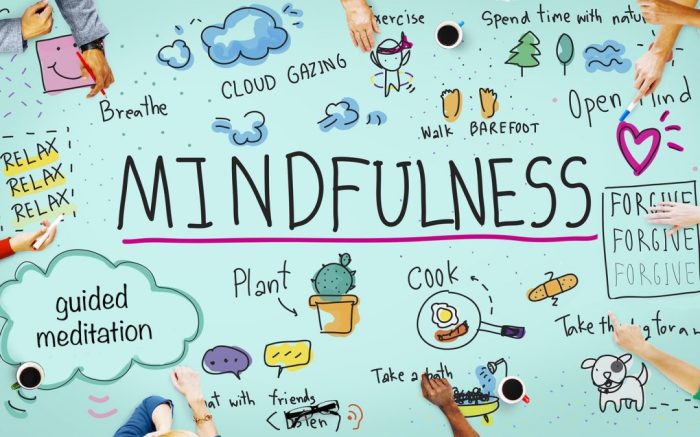
When it comes to promoting mindfulness and overall well-being, the food we consume plays a crucial role. Nourishing our bodies with nutritious meals not only benefits our physical health but also supports mental clarity and focus. Mindful eating is about being present and fully engaged with the process of eating, allowing us to appreciate the flavors and textures of our food while also being aware of our body’s hunger and fullness cues.
The Importance of Mindful Eating
Mindful eating involves paying attention to the sensory experience of eating, such as the taste, texture, and aroma of food. By practicing mindful eating, we can cultivate a deeper connection with our food, leading to better digestion and improved nutrition absorption. This approach can also help prevent overeating and promote a healthier relationship with food.
Tips for Incorporating Mindfulness into Meal Preparation and Eating Habits
- Start by setting aside dedicated time for meals without distractions such as phones or screens.
- Focus on the colors and presentation of your food to enhance the sensory experience.
- Chew your food slowly and savor each bite to fully appreciate the flavors.
- Express gratitude for the nourishment your meal provides before starting to eat.
Ingredients that Promote Mental Clarity and Focus
- Fatty fish like salmon, rich in omega-3 fatty acids, support brain health and cognitive function.
- Leafy greens such as spinach and kale are packed with antioxidants and vitamins that help protect the brain from oxidative stress.
- Blueberries contain compounds that have been shown to improve memory and cognitive performance.
- Turmeric, known for its anti-inflammatory properties, may enhance brain function and reduce the risk of neurodegenerative diseases.
Building Mental Resilience through Mindfulness
Mindfulness practices can significantly enhance mental resilience by helping individuals better cope with stress, anxiety, and challenges. By cultivating mindfulness, individuals can develop a greater sense of self-awareness, emotional regulation, and acceptance of difficult emotions or situations.
Strategies for Overcoming Challenges and Setbacks with a Mindful Approach
- Practice deep breathing exercises to stay calm and grounded during difficult moments.
- Engage in meditation to improve focus and clarity of thought when facing obstacles.
- Use mindful self-compassion to treat oneself with kindness and understanding during setbacks.
The Role of Mindfulness in Developing a Positive Mindset and Coping Skills
- Mindfulness helps individuals shift their perspective from negative to positive, fostering a resilient mindset.
- By staying present in the moment, mindfulness enables individuals to respond to challenges with clarity and creativity.
- Regular mindfulness practice can enhance coping skills, allowing individuals to navigate stressors more effectively.
Examples of Mindfulness Techniques for Building Mental Strength
- Body scan meditation to connect with physical sensations and release tension.
- Gratitude journaling to cultivate a positive outlook and resilience in the face of adversity.
- Walking meditation to promote mindfulness in motion and enhance mental clarity.
Supporting Immune Health with Mindful Practices

Mindfulness practices not only benefit mental and emotional well-being but also play a crucial role in supporting immune health. By reducing stress and promoting relaxation, mindfulness techniques can have a positive impact on the body’s immune function.
Connection between Mindfulness and Immune Function
- Research has shown that chronic stress can weaken the immune system, making individuals more susceptible to illnesses.
- Mindfulness practices, such as deep breathing exercises and meditation, can help lower stress levels and reduce inflammation in the body.
How Stress Reduction Supports a Healthy Immune System
- Reducing stress through mindfulness can enhance the production of white blood cells, which are essential for fighting off infections.
- Lowering stress levels also helps regulate the release of stress hormones like cortisol, which can suppress immune function when elevated for prolonged periods.
Tips for Incorporating Mindfulness Practices to Boost Immune Health
- Set aside a few minutes each day for mindfulness meditation or deep breathing exercises to help calm the mind and body.
- Practice mindfulness while eating by focusing on the textures, flavors, and sensations of each bite, promoting mindful eating habits that support overall health.
Mindfulness Techniques for Overall Immune Support
- Body scan meditation can help you tune into your body and identify areas of tension or discomfort that may be contributing to stress.
- Loving-kindness meditation involves sending positive thoughts and well-wishes to yourself and others, fostering a sense of connection and emotional well-being that can positively impact immune function.
Stress Relief Strategies through Mindfulness
Mindfulness can play a crucial role in managing stress and promoting relaxation. By incorporating mindfulness practices into your daily routine, you can reduce stress levels and improve your overall well-being.
Techniques for Using Mindfulness to Reduce Stress
- Deep Breathing Exercises: Engage in deep breathing exercises to calm your mind and body, promoting relaxation and reducing stress.
- Body Scans: Conduct body scan exercises to bring awareness to different parts of your body, releasing tension and promoting a sense of calm.
- Mindful Meditation: Practice mindful meditation to focus your attention on the present moment, helping to alleviate stress and anxiety.
Impact of Mindfulness on the Body’s Stress Response
- Mindfulness can help regulate the body’s stress response by activating the relaxation response, reducing the production of stress hormones like cortisol.
- Regular mindfulness practice can lead to lower overall stress levels and improved emotional well-being.
Examples of Mindfulness Practices for Stress Relief
- Guided Imagery: Use guided imagery to visualize calming scenes or situations, promoting relaxation and reducing stress levels.
- Progressive Muscle Relaxation: Practice progressive muscle relaxation to release tension in the body and promote a state of relaxation.
- Mindful Walking: Engage in mindful walking by focusing on each step and your surroundings, promoting a sense of calm and reducing stress.
Achieving Nutritional Balance with Mindful Eating
Mindful eating is a practice that involves being fully present and aware of the food you are consuming, your thoughts, feelings, and sensations while eating. This approach helps you develop a healthier relationship with food and gain a deeper appreciation for the eating experience.
Benefits of Mindful Eating
Mindful eating can lead to improved digestion, better portion control, and overall nutritional balance. By paying attention to the taste, texture, and smell of food, you are more likely to make conscious and healthier food choices.
- Increases awareness of hunger and fullness cues
- Promotes a sense of satisfaction and enjoyment during meals
- Reduces mindless eating and emotional eating habits
Tips for Practicing Mindful Eating
Here are some tips to help you cultivate mindful eating habits and make better food choices:
- Avoid distractions such as watching TV or using your phone while eating
- Eat slowly and savor each bite
- Pay attention to your body’s hunger and fullness signals
Mindful Eating Practices for Nutritional Balance
Practicing mindful eating can help you achieve a balanced diet and overall well-being. Here are some examples of mindful eating practices:
- Choose whole, nutrient-dense foods over processed options
- Listen to your body’s cues and stop eating when you are satisfied
- Be mindful of portion sizes and avoid overeating
Detailed FAQs: Healthy Habits For Promoting Mindfulness
How can mindfulness benefit our mental health?
Mindfulness helps us stay present, reduce stress, and improve our overall emotional well-being by fostering a sense of awareness and acceptance of the present moment.
What are some simple mindfulness practices we can incorporate into our daily routines?
Examples include mindful breathing exercises, body scans, and practicing gratitude or mindfulness during everyday activities like eating or walking.
How does mindfulness impact our relationships?
Mindfulness can lead to better communication, empathy, and emotional regulation in relationships, fostering deeper connections and understanding with others.
Can mindfulness help with work-related stress?
Absolutely. Mindfulness practices can reduce work-related stress by promoting focus, productivity, and a sense of calm amidst hectic work environments.
Is it possible to cultivate mindfulness in all aspects of life?
Yes, mindfulness can be integrated into various areas such as work, relationships, self-care, and even daily activities like cooking or exercising.