Healthy Habits
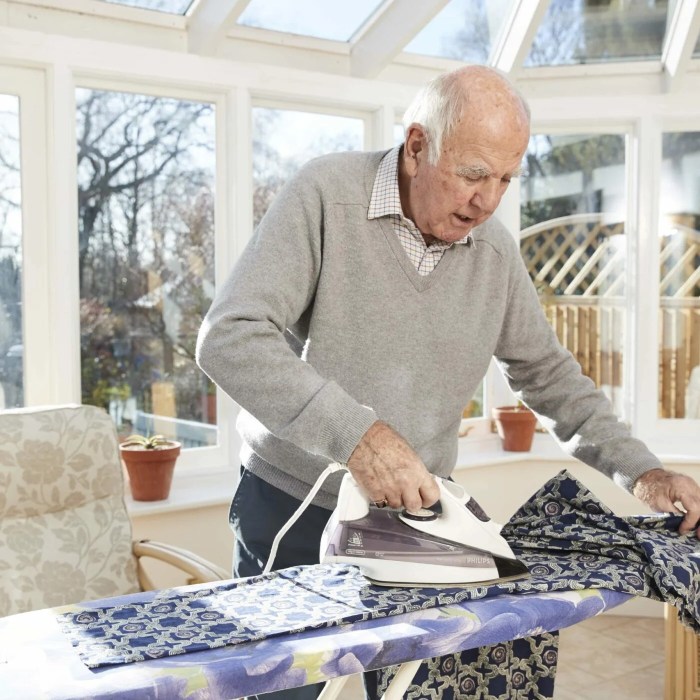
Developing healthy habits is essential for aging adults to maintain their independence and overall well-being. By incorporating simple routines into daily life, seniors can improve their physical and mental health, leading to a better quality of life.
Regular Exercise
Regular exercise plays a crucial role in maintaining independence as we age. It helps improve strength, flexibility, and balance, reducing the risk of falls and injuries. Simple activities like walking, swimming, or yoga can have a significant impact on overall health.
Balanced Diet
Eating a balanced diet is key to promoting healthy aging. Seniors should focus on consuming a variety of fruits, vegetables, whole grains, lean proteins, and healthy fats. Adequate hydration is also essential for overall well-being.
Daily Routines
Incorporating healthy habits into daily routines can support overall well-being for aging adults. Simple practices like getting enough sleep, staying socially connected, and managing stress can have a positive impact on physical and mental health. Additionally, engaging in activities that stimulate the mind, such as reading or puzzles, can help maintain cognitive function as we age.
Emotional Wellbeing
Emotional health plays a crucial role in the aging process as it directly impacts overall well-being and quality of life for older individuals. Maintaining good emotional well-being can help seniors navigate the challenges that come with aging and promote a sense of fulfillment and contentment.
Managing Stress and Anxiety
Chronic stress and anxiety can have detrimental effects on physical health and emotional well-being, especially in older adults. To manage stress and anxiety, older individuals can:
- Practice relaxation techniques such as deep breathing, meditation, or yoga.
- Engage in regular physical activity to release endorphins and reduce stress.
- Seek support from friends, family members, or mental health professionals.
- Maintain a healthy lifestyle with balanced nutrition, adequate sleep, and regular check-ups.
Impact of Social Connections
Social connections play a vital role in promoting emotional well-being among older adults. Meaningful relationships and interactions with others can help combat feelings of loneliness and isolation. Seniors can enhance their social connections by:
- Joining community groups, clubs, or volunteering opportunities.
- Participating in social events, classes, or support groups tailored for seniors.
- Staying in touch with family and friends through regular communication and visits.
- Utilizing technology to connect with loved ones virtually, especially if distance is a barrier.
Activities for Emotional Wellness
Engaging in activities that promote emotional wellness can have a positive impact on mental health and overall well-being. Some examples of activities that older individuals can explore include:
- Art therapy or creative pursuits like painting, drawing, or crafting.
- Mindfulness and meditation practices to cultivate self-awareness and inner peace.
- Journaling or writing to express thoughts and emotions in a safe space.
- Listening to music, playing musical instruments, or attending concerts for relaxation and enjoyment.
Active Lifestyle
Regular physical activity plays a crucial role in maintaining overall health and promoting healthy aging. An active lifestyle can help older adults improve their strength, flexibility, and balance, reducing the risk of falls and injuries. It also enhances cardiovascular health, boosts mood, and increases energy levels, leading to a better quality of life.
Types of Physical Activities for Older Adults
- Walking: A simple and effective way to stay active, improve cardiovascular health, and strengthen muscles.
- Yoga: Helps increase flexibility, balance, and reduce stress levels.
- Swimming: Low-impact exercise that is gentle on joints while providing a full-body workout.
- Strength Training: Helps maintain muscle mass, bone density, and improve metabolism.
Incorporating Exercise into Daily Routines
- Schedule regular exercise sessions in your daily calendar to make it a priority.
- Take short walks after meals or during breaks to increase activity levels.
- Join group fitness classes or exercise with friends to stay motivated and accountable.
- Use household items like cans or water bottles as weights for strength training exercises.
Link between Physical Activity and Independence
Regular physical activity can help older adults maintain their independence by improving mobility, reducing the risk of chronic diseases, and enhancing cognitive function. By staying active, individuals can continue to perform daily tasks without assistance, leading to a more fulfilling and independent lifestyle.
Cardiovascular Health
Maintaining cardiovascular health is crucial as people age to reduce the risk of heart disease, stroke, and other related conditions. A healthy heart can help seniors maintain their independence and overall quality of life.
Common Heart Conditions in the Elderly
- Coronary artery disease: A narrowing of the arteries that supply blood to the heart.
- Heart failure: The heart’s inability to pump blood effectively.
- Arrhythmias: Irregular heartbeats that can lead to complications.
- High blood pressure: Increases the risk of heart disease and stroke.
Tips for Improving Heart Health
- Eat a balanced diet rich in fruits, vegetables, whole grains, and lean proteins.
- Exercise regularly to keep the heart strong and improve circulation.
- Avoid smoking and limit alcohol consumption to reduce the risk of heart disease.
- Manage stress through relaxation techniques like meditation or yoga.
- Monitor cholesterol levels and blood pressure regularly with the help of healthcare providers.
Cardiovascular Exercises for Seniors
- Walking or brisk walking: A low-impact aerobic exercise that strengthens the heart and improves endurance.
- Swimming: A full-body workout that is gentle on the joints and beneficial for cardiovascular health.
- Cycling: Improves heart health, leg strength, and overall fitness level.
- Dancing: A fun way to get the heart pumping and improve cardiovascular fitness.
Healthy Recipes
Healthy aging and maintaining independence – As we age, it becomes even more crucial to pay attention to our diet and ensure we are getting the necessary nutrients to support our health and wellbeing. Here, we will explore some nutritious recipes that can help in promoting healthy aging.
A well-balanced diet plays a key role in preventing age-related illnesses such as heart disease, osteoporosis, and diabetes. By incorporating a variety of fruits, vegetables, whole grains, lean proteins, and healthy fats into our meals, we can provide our bodies with the essential nutrients they need to function optimally.
Easy-to-Prepare Meals for Older Adults
- Grilled Salmon with Asparagus and Quinoa:
- Grill a salmon fillet seasoned with lemon and herbs.
- Steam asparagus until tender-crisp.
- Cook quinoa according to package instructions.
- Serve the grilled salmon on a bed of quinoa with steamed asparagus on the side.
- Vegetable Stir-Fry with Tofu:
- Sauté tofu cubes with garlic and ginger until golden brown.
- Add a variety of colorful vegetables such as bell peppers, broccoli, and snap peas.
- Season with low-sodium soy sauce and a touch of honey.
- Serve over brown rice or whole wheat noodles.
- Greek Yogurt Parfait with Berries and Almonds:
- Layer Greek yogurt with fresh berries (such as strawberries, blueberries, or raspberries).
- Sprinkle with toasted almonds or walnuts for added crunch.
- Drizzle with a touch of honey or maple syrup for sweetness.
Mental Resilience: Healthy Aging And Maintaining Independence
Mental resilience is the ability to adapt and bounce back from difficult situations, challenges, or setbacks. It involves coping with stress, maintaining a positive outlook, and finding ways to overcome obstacles.
Building Mental Strength
Building mental strength is essential for maintaining resilience as we age. Strategies to improve mental strength include:
- Practicing mindfulness and meditation to reduce stress and enhance focus
- Engaging in regular physical exercise to boost mood and cognitive function
- Seeking social support from friends, family, or support groups
- Challenging negative thoughts and replacing them with positive affirmations
Activities for Brain Health
Engaging in activities that promote cognitive function and brain health can help maintain mental resilience. Some activities to consider include:
- Doing puzzles or brain games to stimulate mental activity
- Learning a new skill or hobby to keep the brain active and engaged
- Reading books or articles to expand knowledge and keep the mind sharp
- Participating in social activities to stimulate conversation and connection
Tips for Maintaining Mental Resilience, Healthy aging and maintaining independence
As we grow older, it’s important to continue prioritizing mental resilience. Here are some tips to help maintain mental strength:
- Practice self-care and prioritize your mental health
- Stay socially connected with loved ones and friends
- Engage in activities that bring you joy and fulfillment
- Seek professional help if needed to address mental health concerns
Immune Support
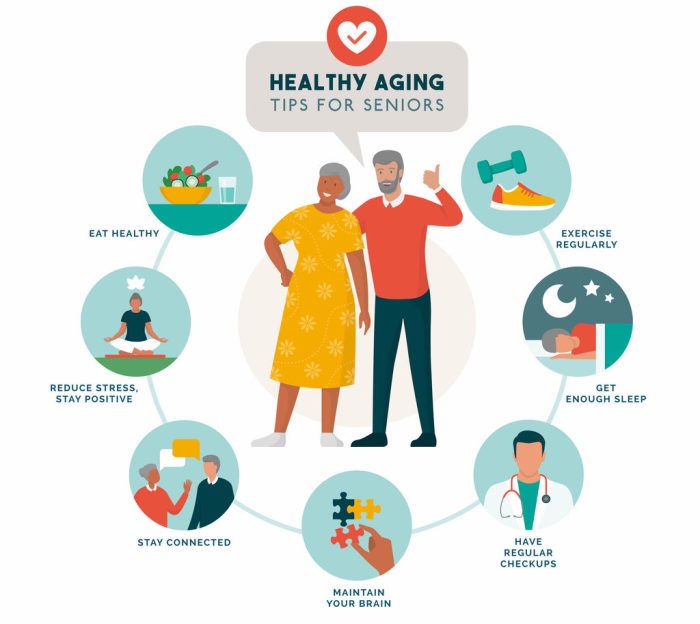
Having a strong immune system is crucial for healthy aging as it helps protect the body against infections, diseases, and other health issues that can become more prevalent with age.
Boosting immunity through diet and lifestyle choices is essential in maintaining overall health and well-being. By incorporating immune-boosting foods and making healthy lifestyle changes, individuals can support their immune system and promote longevity.
Tips for Boosting Immunity
- Aim to include a variety of fruits and vegetables in your daily diet to ensure you are getting essential vitamins and minerals that support immune function.
- Stay hydrated by drinking an adequate amount of water each day to help flush out toxins and keep your immune system functioning optimally.
- Get regular exercise to promote circulation and overall health, which can help boost immune function.
- Ensure you are getting enough sleep each night, as lack of sleep can weaken the immune system and make you more susceptible to illness.
- Consider adding immune-boosting supplements like vitamin C, vitamin D, and zinc to your daily routine, especially during times of increased immune stress.
Immune-Boosting Foods and Supplements
- Citrus fruits like oranges, lemons, and grapefruits are rich in vitamin C, which is essential for immune function.
- Leafy greens such as spinach and kale are packed with antioxidants and vitamins that can help support the immune system.
- Garlic contains allicin, a compound known for its immune-boosting properties, making it a great addition to meals.
- Probiotic-rich foods like yogurt and kefir can help support gut health, which is closely linked to immune function.
- Zinc supplements have been shown to help reduce the duration and severity of colds and other respiratory infections.
Stress Relief
Managing stress is crucial for promoting overall wellbeing, especially in older adults. Chronic stress can have a significant impact on aging and health, leading to various physical and mental health issues. Creating a calming environment at home and engaging in stress-relief activities can help alleviate stress and promote relaxation.
Techniques for Managing Stress
- Practice deep breathing exercises to calm the mind and body.
- Engage in mindfulness meditation to focus on the present moment and reduce stress.
- Take a nature walk or spend time outdoors to unwind and connect with nature.
- Try gentle yoga stretches to release tension and promote relaxation.
- Listen to soothing music or sounds to create a peaceful atmosphere.
Impact of Chronic Stress on Aging and Health
- Chronic stress can weaken the immune system, making older adults more susceptible to illnesses.
- Long-term stress can contribute to the development of chronic conditions such as heart disease, diabetes, and depression.
- Stress can accelerate the aging process and impact cognitive function over time.
Creating a Calming Environment at Home
- Declutter and organize your living space to create a sense of peace and harmony.
- Add elements of nature such as plants or natural light to enhance relaxation.
- Create a cozy corner with comfortable seating and soft lighting for relaxation.
- Avoid noise and distractions by creating a quiet space for relaxation and stress relief.
Stress-Relief Activities
- Practice guided imagery to visualize calming scenes and promote relaxation.
- Engage in progressive muscle relaxation to release tension and reduce stress.
- Attend a gentle yoga or tai chi class to improve flexibility and reduce stress levels.
- Join a meditation group or use meditation apps for guided relaxation exercises.
- Try aromatherapy with essential oils like lavender or chamomile for a soothing effect.
Nutritional Balance
Maintaining a balanced diet is crucial for aging individuals as it helps support overall health, energy levels, and independence. As we age, our bodies require specific nutrients to stay healthy and function properly. Here, we will delve into the importance of nutritional balance for healthy aging, key nutrients needed, tips for addressing deficiencies, and sample meal plans to promote independence.
Key Nutrients for Healthy Aging
- Protein: essential for maintaining muscle mass and strength.
- Calcium and Vitamin D: important for bone health and preventing osteoporosis.
- Omega-3 fatty acids: support heart health and cognitive function.
- Fiber: aids digestion and helps prevent constipation.
- Vitamin B12: crucial for nerve function and red blood cell production.
Tips for Addressing Nutritional Deficiencies
- Consult with a healthcare provider or dietitian to identify deficiencies and create a personalized plan.
- Focus on whole foods such as fruits, vegetables, whole grains, lean proteins, and dairy products.
- Consider supplementation if necessary, but always seek professional advice first.
- Stay hydrated and limit intake of processed foods high in sugars and unhealthy fats.
Sample Meal Plan for Nutritional Balance
| Meal | Food Choices |
|---|---|
| Breakfast | Whole grain toast with avocado, scrambled eggs, and a side of berries. |
| Lunch | Quinoa salad with mixed vegetables, grilled chicken, and a sprinkle of nuts. |
| Dinner | Baked salmon with steamed broccoli and a quinoa pilaf. |
| Snacks | Greek yogurt with honey and almonds, or carrot sticks with hummus. |
User Queries
How can I incorporate exercise into my daily routine as an older adult?
Try simple activities like walking, swimming, or yoga for a start. Gradually increase intensity and duration for better results.
What are some immune-boosting foods that can aid in healthy aging?
Foods like citrus fruits, almonds, and green leafy vegetables are great choices to support your immune system.
Why is mental resilience important for aging individuals?
Mental resilience helps in coping with challenges and maintaining cognitive function, contributing to overall well-being.