Best Nutritional Balance Tips for Busy Lifestyles and On-the-Go Eating – Navigating a busy life often means sacrificing healthy eating habits. But, it doesn’t have to be a struggle! This guide provides practical tips and strategies to help you maintain a balanced diet even when you’re on the go.
We’ll explore the importance of nutrient density, efficient meal planning, smart snacking, and more, empowering you to fuel your body with the nutrients it needs to thrive.
From understanding your unique nutritional needs to navigating the challenges of eating out, we’ll cover a range of topics designed to make healthy eating a sustainable part of your busy lifestyle. We’ll also delve into the impact of stress and sleep on your nutritional choices, providing valuable insights and actionable strategies to support your overall well-being.
Understanding Nutritional Needs for Busy Lifestyles: Best Nutritional Balance Tips For Busy Lifestyles And On-the-go Eating
Juggling work, family, and social commitments can make it challenging to prioritize healthy eating habits. A busy lifestyle often leads to skipping meals, relying on processed foods, and making impulsive food choices that may not be nutritionally balanced. However, prioritizing good nutrition is essential for maintaining energy levels, boosting immunity, and promoting overall well-being.
Nutrient Density in Food Choices
Nutrient density refers to the amount of nutrients per calorie in a food. When you’re on the go, choosing nutrient-dense foods can help you get the most nutritional value from your meals and snacks, even if you’re limited on time.
- Opt for foods rich in vitamins, minerals, fiber, and protein, which provide sustained energy and support various bodily functions.
- Prioritize whole, unprocessed foods over processed options that are often high in calories, sugar, and unhealthy fats.
- Choose foods with natural flavors instead of those with added sugars, artificial sweeteners, or flavor enhancers.
Examples of Nutrient-Rich Snacks and Meals
Here are some examples of nutrient-rich snacks and meals that are convenient for busy individuals:
-
- Snacks:
- A handful of almonds or walnuts provide healthy fats, protein, and fiber.
- A piece of fruit, like an apple or banana, offers essential vitamins, minerals, and fiber.
- Greek yogurt with berries provides protein, calcium, and antioxidants.
- Hard-boiled eggs are a great source of protein and healthy fats.
- Meals:
- A salad with grilled chicken or fish, quinoa, and vegetables provides protein, fiber, and essential nutrients.
- A lentil soup with whole-grain bread is a hearty and nutritious option packed with protein, fiber, and vitamins.
- A whole-wheat wrap with hummus, vegetables, and grilled chicken or tofu is a quick and easy meal that provides protein, fiber, and healthy fats.
- Snacks:
Meal Planning and Preparation Strategies
Meal planning and preparation are essential for navigating a busy lifestyle while maintaining a healthy diet. By taking the time to plan ahead, you can save time, money, and make healthier choices.
Sample Meal Plan for a Busy Week
A sample meal plan can help you visualize how to incorporate healthy and convenient options into your week. Here’s an example for a busy individual:
Monday
Breakfast
Overnight oats with berries and nuts
Lunch
Leftover chicken salad sandwich on whole-wheat bread with a side of fruit
Dinner
Lentil soup with whole-wheat bread
Tuesday
Breakfast
Smoothie with protein powder, spinach, and banana
Lunch
Salad with grilled chicken or tofu, mixed greens, and a light vinaigrette
Dinner
Salmon with roasted vegetables
Wednesday
Breakfast
Greek yogurt with granola and fruit
Lunch
Leftover salmon with roasted vegetables
Dinner
Vegetable stir-fry with brown rice
Thursday
Breakfast
Eggs with whole-wheat toast and avocado
Lunch
Quinoa salad with chickpeas, bell peppers, and feta cheese
Dinner
Chicken and vegetable skewers with a side of quinoa
Friday
Breakfast
Oatmeal with fruit and nuts
Lunch
Leftover chicken and vegetable skewers
Dinner
Pizza with whole-wheat crust, vegetables, and lean protein
Saturday
Breakfast
Pancakes with fruit and syrup
Lunch
Leftover pizza
Dinner
Out to dinner with friends or family
Sunday
Breakfast
Eggs with whole-wheat toast and avocado
Lunch
Leftover chicken and vegetable skewers
Dinner
Roasted chicken with roasted vegetables
Tips for Efficient Meal Preparation
Efficient meal preparation strategies can save you time and effort in the kitchen. Here are some tips:* Batch cooking:Cook large quantities of food at once and freeze portions for later use. This is a great way to save time on weeknights.
Meal prepping
Set aside time on the weekend to prepare meals for the week ahead. This could involve chopping vegetables, cooking grains, or assembling salads.
Use a slow cooker
Slow cookers are great for making meals that require minimal effort. Simply throw in your ingredients and let the slow cooker do the work.
Plan ahead
Take a few minutes each week to plan your meals and make a grocery list. This will help you stay organized and avoid impulse purchases.
Benefits of Using Meal Delivery Services
Meal delivery services can be a convenient option for busy individuals. Here are some benefits:* Convenience:Meal delivery services take the hassle out of meal planning and preparation. They deliver pre-portioned meals directly to your door.
Healthy options
Many meal delivery services offer healthy and nutritious meal options. They can help you eat more fruits, vegetables, and whole grains.
Variety
Meal delivery services often offer a variety of meal options, so you can choose something different every day.
Snacking Smartly on the Go
Snacking is a crucial part of maintaining energy levels and staying on track with your nutritional goals, especially when you’re leading a busy lifestyle. Making smart choices about your snacks can help you avoid energy crashes, curb cravings, and keep your body fueled throughout the day.
Importance of Balanced Snacking
Choosing snacks that provide a balance of protein, carbohydrates, and healthy fats is essential for sustained energy and optimal nutrition. Protein helps keep you feeling full and satisfied, while carbohydrates provide quick energy. Healthy fats, like those found in nuts and seeds, promote satiety and support brain function.
Healthy and Portable Snacks
Here are some healthy and portable snack options that can provide sustained energy and keep you feeling satisfied:
-
-
- Trail Mix:A mix of nuts, seeds, dried fruit, and dark chocolate offers a good balance of protein, carbohydrates, and healthy fats.
- Hard-Boiled Eggs:A great source of protein and essential nutrients, hard-boiled eggs are easy to pack and eat on the go.
- Greek Yogurt with Berries:Greek yogurt provides protein and calcium, while berries offer fiber and antioxidants.
- Fruit and Nut Butter:Apples, bananas, or pears paired with almond butter or peanut butter offer a satisfying combination of carbohydrates, protein, and healthy fats.
- Whole-Grain Crackers with Cheese:Whole-grain crackers provide fiber, while cheese offers protein and calcium.
- Energy Bars:Choose energy bars that are low in sugar and high in protein and fiber.
- Hummus and Veggie Sticks:Hummus is a great source of protein and healthy fats, while veggie sticks provide fiber and vitamins.
- Popcorn:Air-popped popcorn is a low-calorie snack that is high in fiber.
- Smoothies:Blend together fruits, vegetables, yogurt, and protein powder for a quick and nutritious snack.
-
Hydration for Optimal Functioning
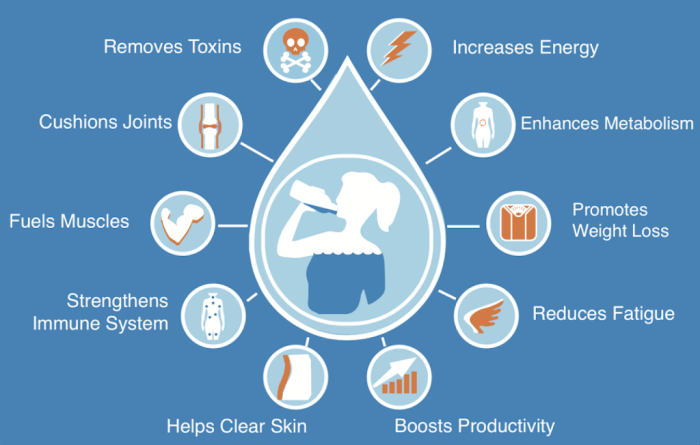
Water is essential for life and plays a vital role in numerous bodily functions. Staying hydrated is crucial for maintaining overall health and well-being, especially when leading a busy lifestyle.
Importance of Hydration
Adequate hydration is essential for various bodily functions, including:* Regulating Body Temperature:Water helps regulate body temperature by absorbing and releasing heat.
Transporting Nutrients and Oxygen
Water acts as a solvent, carrying nutrients and oxygen to cells throughout the body.
Flushing Out Waste Products
Water helps remove waste products from the body through urine and sweat.
Maintaining Joint Lubrication
Water helps lubricate joints, reducing friction and preventing pain.
Protecting Organs and Tissues
Water cushions and protects organs and tissues from damage.
Tips for Staying Hydrated Throughout the Day
Staying hydrated throughout the day, especially when on the go, can be challenging. Here are some tips to help you maintain adequate hydration:* Carry a Water Bottle:Keep a reusable water bottle with you at all times and refill it throughout the day.
Drink Water Before, During, and After Exercise
Water loss through sweat is increased during exercise, so it’s essential to stay hydrated before, during, and after workouts.
Choose Water Over Sugary Beverages
Opt for water over sugary drinks like soda and juice, which can dehydrate you and contribute to weight gain.
Eat Fruits and Vegetables with High Water Content
Fruits and vegetables like watermelon, cucumbers, and spinach are rich in water and can contribute to your daily hydration needs.
Monitor Your Urine Color
Pale yellow urine is a sign of good hydration, while dark yellow urine indicates dehydration.
Listen to Your Body
Pay attention to your thirst cues and drink water whenever you feel thirsty.
Benefits of Drinking Water Over Sugary Beverages
Drinking water offers numerous benefits over sugary beverages:* Weight Management:Sugary drinks are high in calories and contribute to weight gain. Water, on the other hand, is calorie-free.
Improved Blood Sugar Control
Sugary drinks can spike blood sugar levels, while water does not affect blood sugar.
Reduced Risk of Chronic Diseases
Sugary drinks have been linked to an increased risk of chronic diseases like type 2 diabetes, heart disease, and some types of cancer.
Improved Skin Health
Water helps keep skin hydrated and radiant.
Eating Out Wisely
Eating out is a common part of modern life, but it can be challenging to make healthy choices when surrounded by tempting and often unhealthy options. However, with a little planning and awareness, you can enjoy dining out without compromising your nutritional goals.
Identifying Healthy Options on Menus
Navigating restaurant menus to find healthy choices can be overwhelming. Here are some strategies to help you make informed decisions:
-
-
- Look for dishes that are grilled, baked, or steamed, as these cooking methods generally use less fat and calories than frying.
- Choose lean protein sources such as fish, chicken breast, or tofu, and avoid dishes that are breaded or fried.
- Opt for salads with grilled protein or lean meats, and request dressing on the side to control portion sizes.
- Explore vegetarian or vegan options, which often feature fresh vegetables and healthy grains.
- Check for menus that highlight nutritional information, such as calorie counts and ingredients lists, to make informed choices.
-
Negotiating with Restaurants for Healthier Meals
Many restaurants are willing to accommodate dietary restrictions and preferences. Here are some tips for negotiating with restaurants to customize dishes for a healthier meal:
-
-
- Don’t be afraid to ask questions about ingredients and preparation methods.
- Request substitutions, such as swapping fried foods for grilled options or substituting regular pasta for whole-grain pasta.
- Ask for sauces and dressings on the side to control portion sizes.
- Be polite and respectful when communicating your requests.
- If a restaurant is unable to accommodate your needs, don’t hesitate to choose a different establishment.
-
Tips for Making Healthy Choices When Dining Out, Best nutritional balance tips for busy lifestyles and on-the-go eating
Here are some additional tips for making healthy choices when dining out:
-
-
- Start your meal with a salad or soup to fill you up and reduce your overall calorie intake.
- Order appetizers to share, which can help you control portion sizes.
- Avoid sugary drinks and opt for water, unsweetened tea, or sparkling water with a squeeze of lemon.
- Be mindful of portion sizes and don’t feel pressured to finish everything on your plate.
- If you’re unsure about a dish, ask your server for recommendations or nutritional information.
-
Stress Management and Its Impact on Nutrition
Stress is an inevitable part of life, but it can significantly impact our eating habits and overall well-being. When we’re stressed, our bodies release hormones like cortisol, which can trigger cravings for unhealthy foods high in sugar, fat, and salt.
These cravings can lead to overeating, poor nutritional choices, and ultimately, negative health consequences.
The Connection Between Stress and Unhealthy Eating Habits
Stress can lead to a variety of unhealthy eating habits. For example, some people may turn to comfort foods high in calories and fat to cope with stress, while others may skip meals altogether due to feeling overwhelmed or exhausted.
Stress can also disrupt our sleep patterns, leading to fatigue and increased cravings for sugary and processed foods.
Strategies for Managing Stress and Maintaining a Healthy Diet
Managing stress is crucial for maintaining a healthy diet. Here are some practical strategies:
Practicing Mindfulness and Relaxation Techniques
Mindfulness and relaxation techniques can help reduce stress levels and promote healthy eating habits. These techniques can help us become more aware of our thoughts, feelings, and physical sensations, enabling us to make conscious choices about our food intake.
Examples of mindfulness and relaxation techniques include:
-
-
- Deep Breathing Exercises: Deep breathing exercises can help calm the nervous system and reduce stress levels. To practice deep breathing, inhale slowly through your nose, hold your breath for a few seconds, and then exhale slowly through your mouth.Repeat this process several times.
- Meditation: Meditation involves focusing your attention on a single point, such as your breath or a mantra. Regular meditation practice can help reduce stress, improve focus, and promote emotional well-being.
- Yoga: Yoga combines physical postures, breathing techniques, and meditation to promote relaxation and stress reduction. Many different types of yoga are available, so you can find one that suits your needs and preferences.
-
Prioritizing Sleep
Getting enough sleep is essential for managing stress and maintaining a healthy diet. When we’re sleep-deprived, our bodies produce more cortisol, which can lead to increased cravings for unhealthy foods. Aim for 7-8 hours of sleep per night to help regulate your hormones and improve your overall well-being.
Engaging in Physical Activity
Regular physical activity is a powerful stress reliever and can improve your overall health. Exercise releases endorphins, which have mood-boosting effects. It also helps reduce cortisol levels and improve sleep quality. Aim for at least 30 minutes of moderate-intensity exercise most days of the week.
Seeking Support
Don’t hesitate to reach out for support if you’re struggling to manage stress. Talking to a therapist or counselor can help you develop healthy coping mechanisms and strategies for managing stress. Joining a support group can also provide a sense of community and shared experiences.
The Role of Sleep in Nutritional Balance
Sleep is a fundamental pillar of overall health, including nutritional well-being. It plays a crucial role in regulating appetite, managing weight, and making healthy food choices.
The Link Between Sleep Quality and Dietary Choices
Adequate sleep supports healthy eating habits by influencing our hormonal balance and cognitive function. When we are well-rested, our bodies produce leptin, a hormone that signals fullness, and suppress ghrelin, the hormone that stimulates hunger. This balance helps us feel satisfied after meals and prevents overeating.
On the other hand, sleep deprivation disrupts this delicate equilibrium, leading to an increase in ghrelin and a decrease in leptin. This hormonal imbalance can lead to increased hunger, cravings for unhealthy foods, and difficulty controlling portions. Furthermore, sleep deprivation impairs our decision-making abilities, making it harder to resist tempting food choices.
The Impact of Sleep Deprivation on Hunger Hormones and Food Cravings
Studies have shown a strong correlation between sleep deprivation and increased appetite, particularly for calorie-dense, high-fat, and sugary foods. When we are sleep-deprived, our brains are less able to process signals from our bodies, including those related to hunger and satiety.
This can lead to overeating, as we may not recognize when we are full. Moreover, sleep deprivation can trigger the release of cortisol, a stress hormone that promotes fat storage and increases cravings for unhealthy foods.
Tips for Improving Sleep Hygiene to Support Healthy Eating Habits
Establishing a consistent sleep schedule, creating a relaxing bedtime routine, and optimizing your sleep environment can significantly improve your sleep quality and contribute to healthier eating habits.
-
-
- Stick to a Regular Sleep Schedule:Go to bed and wake up around the same time each day, even on weekends, to regulate your body’s natural sleep-wake cycle.
- Create a Relaxing Bedtime Routine:Engage in calming activities such as taking a warm bath, reading a book, or listening to soothing music to signal your body that it’s time to wind down.
- Optimize Your Sleep Environment:Ensure your bedroom is dark, quiet, and cool, and use a comfortable mattress and pillows. Avoid caffeine and alcohol before bed, as they can disrupt sleep.
- Limit Screen Time Before Bed:The blue light emitted from electronic devices can interfere with melatonin production, a hormone that regulates sleep. Try to avoid using screens for at least an hour before bedtime.
-
Healthy Habits for Long-Term Success
Adopting healthy habits is crucial for maintaining a balanced diet and overall well-being. These habits are not just about short-term changes; they are about creating a sustainable lifestyle that supports your health goals.
Consistency and Gradual Change
Consistency is key to making healthy habits stick. Instead of drastic overhauls, focus on making small, gradual changes that you can sustain over time. This approach reduces the risk of feeling overwhelmed and helps you build momentum.
Motivational Strategies
Staying committed to healthy eating goals requires motivation. Here are some strategies to keep you on track:
-
-
- Set Realistic Goals:Avoid setting unrealistic goals that are difficult to achieve. Start with small, achievable changes and gradually increase your efforts.
- Find Support:Surround yourself with supportive friends, family, or a community that encourages your healthy lifestyle choices.
- Reward Yourself:Celebrate your progress and achievements, no matter how small. This helps maintain your motivation and reinforces positive behaviors.
- Track Your Progress:Keeping a food journal or using a fitness tracker can help you visualize your progress and stay accountable.
- Focus on the Benefits:Remind yourself of the long-term benefits of healthy eating, such as increased energy, improved mood, and reduced risk of chronic diseases.
-
Additional Tips for Maintaining Nutritional Balance
In addition to the strategies already discussed, here are some extra tips to help you achieve and maintain a healthy nutritional balance, even with a busy lifestyle.
Incorporating Whole Foods into a Busy Lifestyle
Making time for whole foods, even with a busy schedule, is essential for optimal health. Here are some practical tips:
-
-
- Plan Ahead:Dedicate a few hours each week to meal prep. Prepare large batches of grains, vegetables, and protein sources to have on hand for quick meals and snacks throughout the week.
- Choose Convenience Wisely:Opt for frozen fruits and vegetables, pre-cut salad kits, or pre-cooked protein options to save time.
- Embrace Snacking:Keep healthy snacks like nuts, seeds, fruits, and yogurt readily available to prevent hunger pangs and impulsive unhealthy choices.
- Make Time for Cooking:Even if it’s just a few nights a week, try to cook at home to control ingredients and portion sizes.
-
Benefits of Using a Food Journal
A food journal can be a powerful tool for understanding your eating habits and making positive changes.
-
-
- Increased Awareness:Recording your food intake can help you identify patterns, triggers, and areas where you can make improvements.
- Accountability:Knowing that you’re tracking your food can encourage you to make healthier choices.
- Improved Portion Control:A food journal can help you become more mindful of your portion sizes and avoid overeating.
- Data for Professionals:If you’re working with a registered dietitian or nutritionist, a food journal can provide valuable data to help them tailor a plan specifically for you.
-
Seeking Professional Guidance
A registered dietitian or nutritionist can provide personalized advice and support to help you achieve your nutritional goals.
-
-
- Tailored Plans:A professional can create a meal plan that aligns with your individual needs, preferences, and lifestyle.
- Addressing Specific Concerns:They can help you manage conditions like diabetes, heart disease, or food allergies.
- Motivation and Support:A registered dietitian can provide encouragement and accountability, helping you stay on track with your healthy eating goals.
-
Final Thoughts
Balancing nutrition with a busy lifestyle is a journey, not a destination. Remember, small, consistent changes can make a big difference. By prioritizing nutrient-rich foods, planning ahead, and making conscious choices, you can nourish your body and maintain your energy levels, even on the busiest of days.
Embrace these tips, and discover the joy of feeling your best, both inside and out!
FAQ Insights
What are some quick and easy meals I can prepare for a busy week?
Quick and easy meals for a busy week include: salads with grilled chicken or fish, whole-wheat pasta with vegetables and lean protein, overnight oats, smoothies, and pre-made soup.
How can I make healthier choices when dining out?
When dining out, choose grilled or baked options over fried, request sauces and dressings on the side, and opt for lean protein sources and plenty of vegetables. You can also ask for substitutions to make dishes healthier, like swapping white rice for brown rice or asking for your meal to be prepared without added salt or butter.
How can I stay hydrated throughout the day, especially when I’m on the go?
Carry a reusable water bottle with you and refill it throughout the day. You can also opt for water-rich fruits and vegetables, like watermelon, cucumbers, and spinach. Avoid sugary drinks like soda and juice, which can dehydrate you.