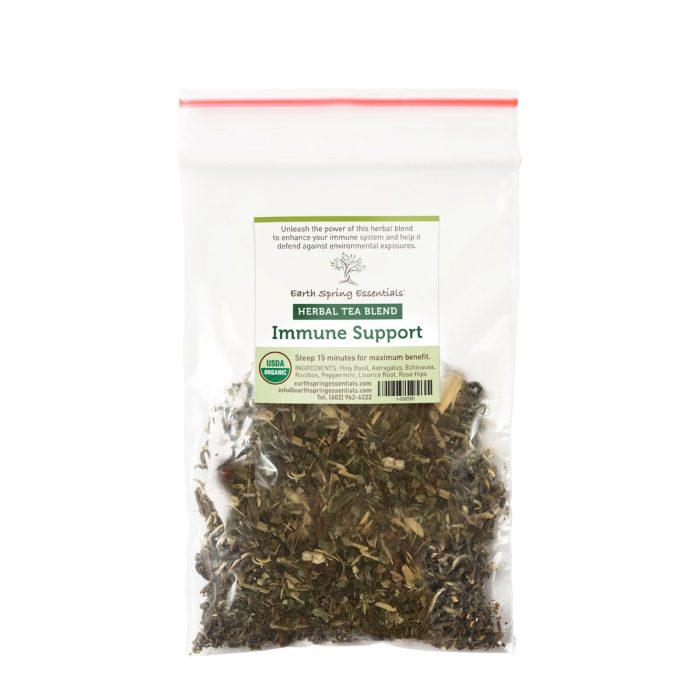
Introduction to Herbal Teas for Immune Support
Herbal teas for immune support – Herbal teas are beverages made from the infusion of herbs, flowers, fruits, or other plant materials in hot water. They have been used for centuries in traditional medicine for their various health benefits, including supporting the immune system.
Incorporating herbal teas into a daily routine can provide a natural way to boost the immune system and enhance overall well-being. These teas are rich in antioxidants, vitamins, and minerals that help strengthen the body’s defense mechanism against infections and illnesses.
Benefits of Herbal Teas for Immune Health
- Antioxidant-rich: Herbal teas contain powerful antioxidants that protect the body from free radicals and oxidative stress, reducing the risk of chronic diseases.
- Anti-inflammatory properties: Many herbal teas have anti-inflammatory effects, which can help reduce inflammation in the body and support immune function.
- Rich in vitamins and minerals: Herbal teas are a natural source of essential nutrients like vitamin C, zinc, and iron, which are crucial for a strong immune system.
- Calming and stress-relieving: Some herbal teas have calming properties that can help reduce stress levels, which in turn can positively impact immune health.
Types of Herbal Teas for Immune Support
When it comes to herbal teas for immune support, there are several popular herbs known for their immune-boosting properties. These herbs are often used in teas to help strengthen the body’s defenses against illnesses and promote overall well-being.
Echinacea
Echinacea is a well-known herb that is commonly used to support the immune system. It is believed to help stimulate the production of white blood cells, which are essential for fighting off infections. Echinacea also has anti-inflammatory properties that can help reduce inflammation in the body.
Ginger
Ginger is another herb that is commonly used in herbal teas for immune support. It is known for its warming properties and its ability to help reduce inflammation. Ginger also has antimicrobial properties that can help fight off infections and boost the immune system.
Elderberry
Elderberry is a powerful immune-boosting herb that is rich in antioxidants and vitamins. It is often used to help support the immune system and prevent colds and flu. Elderberry is believed to help reduce the duration and severity of cold and flu symptoms.
Brewing and Consumption of Herbal Teas
When it comes to brewing and consuming herbal teas for immune support, there are certain guidelines to follow to ensure you get the maximum benefits. Here are some tips to help you make the most of your herbal tea consumption.
Guidelines for Brewing Herbal Teas
- Start by boiling water and allowing it to cool slightly before adding your herbs. Boiling water can destroy some of the beneficial properties of the herbs.
- Use about 1 teaspoon of dried herbs per cup of water. If using fresh herbs, you may need to use more.
- Let the herbs steep for at least 5-10 minutes to extract their medicinal properties fully.
- Strain the herbs before drinking to prevent any debris from getting into your tea.
Ideal Times to Consume Herbal Teas for Immune Support
- Start your day with a cup of herbal tea to kickstart your immune system and provide a boost of nutrients.
- Have a cup of herbal tea mid-morning or mid-afternoon to keep your immune system supported throughout the day.
- Consider having a cup of herbal tea in the evening to help you relax and unwind while still supporting your immune system.
Healthy Habits
Incorporating herbal teas into your routine can complement other healthy habits such as regular exercise and balanced nutrition. The synergy between herbal teas and a healthy lifestyle plays a crucial role in supporting overall well-being.
Benefits of Herbal Teas with Healthy Habits
- Provides antioxidants: Herbal teas are rich in antioxidants that help fight free radicals in the body, promoting overall health and well-being.
- Hydration: Drinking herbal teas helps keep you hydrated, which is essential for maintaining optimal bodily functions.
- Boosts immune system: The natural compounds in herbal teas can help strengthen the immune system, making it more resilient to illnesses.
- Supports relaxation: Certain herbal teas like chamomile or lavender can aid in relaxation and stress relief, contributing to overall mental and emotional well-being.
Emotional Wellbeing
Herbal teas play a significant role in promoting emotional balance and reducing stress. The calming effects of certain herbs can help soothe the mind and body, providing a sense of relaxation and peace.
Calming Herbs in Herbal Teas
- Lavender: Known for its calming properties, lavender can help reduce anxiety and promote relaxation.
- Chamomile: A popular choice for bedtime tea, chamomile has soothing effects that can aid in reducing stress and improving sleep quality.
- Peppermint: Not only does peppermint tea help with digestion, but it also has a refreshing and calming effect on the mind.
- Lemon Balm: This herb is known to help reduce stress and anxiety, promoting a sense of calmness and well-being.
Healthy Aging: Herbal Teas For Immune Support
Antioxidants found in herbal teas play a crucial role in promoting healthy aging by combating oxidative stress and inflammation in the body. These compounds help protect cells from damage caused by free radicals, which can contribute to aging-related conditions such as heart disease, diabetes, and cognitive decline.
Antioxidants and Immune Support, Herbal teas for immune support
Antioxidants present in herbal teas, such as green tea, rooibos, and hibiscus tea, help boost the immune system by neutralizing harmful free radicals that can weaken the body’s defenses. By strengthening the immune response, these teas can support overall health and reduce the risk of age-related illnesses.
Anti-Inflammatory Properties
Certain herbal teas like ginger, turmeric, and peppermint tea contain anti-inflammatory compounds that can help reduce inflammation in the body. Chronic inflammation is linked to various age-related diseases, including arthritis, heart disease, and Alzheimer’s. By incorporating these teas into your daily routine, you can potentially lower inflammation levels and promote healthy aging.
Skin Health Benefits
Herbal teas rich in antioxidants, such as chamomile and dandelion tea, can also benefit skin health and promote a youthful appearance. Antioxidants help protect the skin from damage caused by UV radiation and environmental pollutants, reducing the signs of aging like wrinkles and fine lines. By maintaining healthy skin, you can support the overall aging process and feel more confident in your appearance.
Active Lifestyle
Herbal teas can play a significant role in enhancing energy levels and supporting an active lifestyle. By incorporating specific herbal teas into your routine, you can experience improved stamina and vitality to keep up with your physical activities.
Herbal Teas for Pre or Post-Workout
When it comes to pre or post-workout herbal teas, options like green tea, ginseng tea, and peppermint tea are excellent choices. Green tea is known for its metabolism-boosting properties and can provide a gentle energy boost before a workout. Ginseng tea, on the other hand, can help increase endurance and reduce fatigue, making it ideal for post-workout recovery. Lastly, peppermint tea can aid in digestion and soothe muscle aches, making it a refreshing option after a strenuous workout.
Cardiovascular Health
When it comes to cardiovascular health, herbal teas can play a significant role in supporting a healthy heart and complementing heart-healthy habits. The consumption of certain herbs in the form of teas has been linked to a range of benefits for the cardiovascular system.
Specific Herbs for Heart Health
There are several specific herbs known for their positive impact on heart health when consumed as teas. These herbs include:
- Hawthorn: Known for its ability to support heart function and improve circulation.
- Green Tea: Rich in antioxidants that can help reduce the risk of heart disease.
- Hibiscus: Helps lower blood pressure and cholesterol levels, promoting overall heart health.
- Ginger: Anti-inflammatory properties that can benefit cardiovascular health by reducing inflammation.
Healthy Recipes
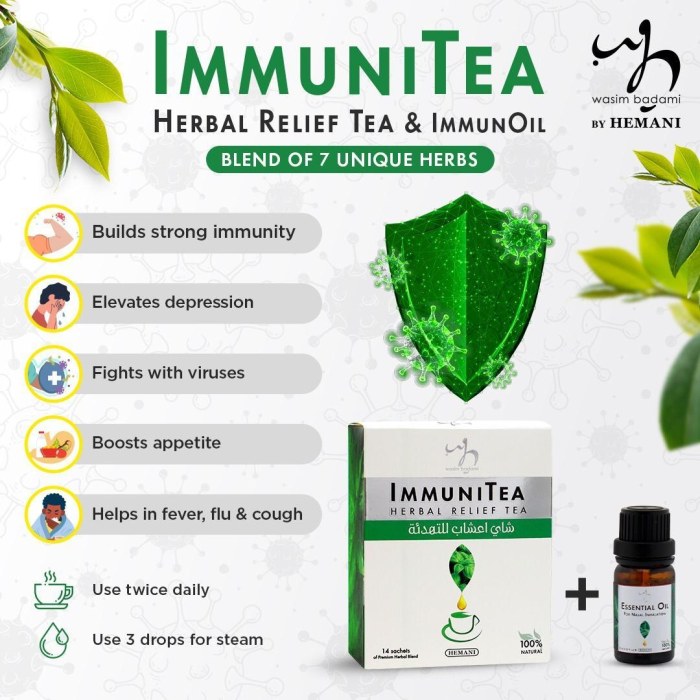
Incorporating herbal teas into recipes can be a delicious way to boost your immune system and overall health. Here are some creative ideas on how to use herbal teas in your everyday meals for added health benefits.
Herbal Iced Tea
- Prepare a strong batch of your favorite herbal tea and let it cool.
- Add some fresh fruit slices like lemon, orange, or berries for a refreshing twist.
- For a touch of sweetness, add a drizzle of honey or maple syrup.
- Pour over ice and enjoy a revitalizing and hydrating herbal iced tea.
Herbal Tea Smoothie
- Brew a concentrated herbal tea and allow it to cool completely.
- In a blender, combine the tea with your choice of fruits, greens, and a splash of coconut water or almond milk.
- Add a scoop of protein powder or chia seeds for an extra nutritional boost.
- Blend until smooth and creamy for a nutritious and flavorful herbal tea smoothie.
Mental Resilience
Herbal teas can play a significant role in enhancing mental resilience and cognitive function. By incorporating certain herbs known for their calming and focusing effects, individuals can better manage stress, improve concentration, and boost overall mental well-being.
Calming Effects of Herbal Teas
- Chamomile tea: Chamomile is a popular herb known for its calming properties. It can help reduce anxiety, promote relaxation, and improve sleep quality.
- Lemon balm tea: Lemon balm is another herb that can help alleviate stress and anxiety. It is believed to have a calming effect on the mind, making it easier to focus and concentrate.
- Lavender tea: Lavender is often used for its soothing aroma, which can have a calming effect on the nervous system. Drinking lavender tea may help reduce stress and promote a sense of calmness.
Focusing Effects of Herbal Teas
- Peppermint tea: Peppermint is known for its invigorating properties that can help enhance focus and concentration. It may also aid in relieving mental fatigue and improving cognitive function.
- Ginkgo biloba tea: Ginkgo biloba is a herb that is believed to improve memory and cognitive function. Drinking ginkgo biloba tea may help enhance mental clarity and focus.
- Rosemary tea: Rosemary is an herb that has been associated with improved cognitive performance. It may help enhance concentration and memory retention.
Immune Support
Herbal teas are known for their immune-boosting properties, helping to strengthen the body’s natural defense mechanisms.
Specific Mechanisms of Herbal Teas for Immune Support
Various herbs used in herbal teas contain compounds that can enhance the immune system in different ways. For example, echinacea is known for its ability to stimulate the immune system and increase the production of white blood cells, which play a key role in fighting off infections. Elderberry, on the other hand, is rich in antioxidants that help reduce inflammation and support immune function.
Comparison of Different Herbs for Immune Support
- Echinacea: Boosts immune function and reduces the duration of colds and respiratory infections.
- Ginger: Has anti-inflammatory properties that can help support the immune system and reduce the risk of chronic diseases.
- Turmeric: Contains curcumin, a compound with powerful anti-inflammatory and antioxidant effects that can enhance immune function.
- Peppermint: Supports digestion and can help soothe symptoms of respiratory conditions, indirectly supporting immune health.
Stress Relief
When it comes to managing stress and finding moments of relaxation, herbal teas can be a soothing and comforting option. The natural ingredients in herbal teas have been known to help calm the mind and body, promoting a sense of tranquility.
Incorporating Herbal Teas for Stress Relief
One way to incorporate herbal teas into your stress-relieving rituals is to create a calming tea-drinking routine. Start by setting aside a specific time each day to enjoy a cup of herbal tea in a quiet and peaceful environment. This can become a mindfulness practice that signals to your body and mind that it is time to unwind and de-stress.
- Choose herbal teas known for their calming properties, such as chamomile, lavender, or lemon balm.
- Brew your herbal tea mindfully, paying attention to the aroma and the warmth of the cup in your hands.
- Sit down in a comfortable spot, take slow sips of your tea, and focus on the present moment, letting go of any stressful thoughts or worries.
- Pair your herbal tea with relaxation techniques like deep breathing, meditation, or gentle stretches to enhance the calming effects.
Remember, the act of preparing and savoring a cup of herbal tea can be a simple yet powerful way to create a moment of peace and relaxation in your day.
Nutritional Balance
Herbal teas play a crucial role in contributing to overall nutritional balance in a daily diet. These teas are packed with essential vitamins, minerals, and antioxidants that can complement a diet rich in essential nutrients.
Benefits of Herbal Teas for Nutritional Balance
- Herbal teas are rich in antioxidants that help protect the body’s cells from damage caused by free radicals.
- Some herbal teas, like green tea, contain catechins that can aid in weight management and support a healthy metabolism.
- Herbal teas such as chamomile and peppermint can aid in digestion and help maintain a healthy gut.
- Drinking herbal teas can also help in staying hydrated, contributing to overall well-being.
General Inquiries
How often should I drink herbal teas for immune support?
It’s recommended to consume herbal teas for immune support daily to reap their full benefits and strengthen your immune system consistently.
Can herbal teas replace medication for immune support?
While herbal teas can complement a healthy lifestyle and support your immune system, they are not meant to replace prescribed medications. It’s important to consult with a healthcare professional for proper medical advice.
Are there any side effects of consuming herbal teas for immune support?
Most herbal teas are safe for consumption, but it’s advisable to be aware of potential allergies or interactions with certain medications. If in doubt, consult a healthcare provider before incorporating herbal teas into your routine.