Boost Your Immunity: Diet and Nutrition Strategies

How to improve immune support through diet and nutrition

How to improve immune support through diet and nutrition is a topic that’s gained significant attention in recent years. Our immune system, the body’s natural defense against illness, is intricately linked to the foods we consume. By making strategic choices about what we eat, we can empower our bodies to fight off infections and maintain overall well-being.

This guide explores the vital role of nutrition in bolstering our immune defenses, offering practical tips and insights to help you optimize your immune health.

From understanding the foundational role of essential nutrients to discovering power foods that pack an immune-boosting punch, we’ll delve into a comprehensive approach to immune support through diet and nutrition. We’ll also explore the importance of hydration, the potential benefits of supplements, and lifestyle factors that contribute to a robust immune system.

Whether you’re seeking to prevent illness or simply enhance your overall health, this guide provides a roadmap to a stronger, more resilient you.

The Foundation of a Strong Immune System

How to improve immune support through diet and nutrition

A robust immune system is crucial for protecting your body from infections and diseases. Nutrition plays a vital role in supporting and strengthening your immune defenses. By consuming a balanced diet rich in essential nutrients, you can empower your body to fight off invaders effectively.

The Role of Nutrition in Immune Function

Your immune system is a complex network of cells, tissues, and organs that work together to protect your body from harmful invaders such as bacteria, viruses, and parasites. Nutrition plays a crucial role in supporting the various components of your immune system, ensuring they function optimally.

A balanced diet provides the building blocks and fuel necessary for immune cells to develop, mature, and function effectively. Essential nutrients, such as vitamins, minerals, and antioxidants, directly influence the activity and responsiveness of immune cells.

Essential Nutrients for Immune Support

A diverse range of nutrients contribute to a robust immune system. Here are some of the key players:

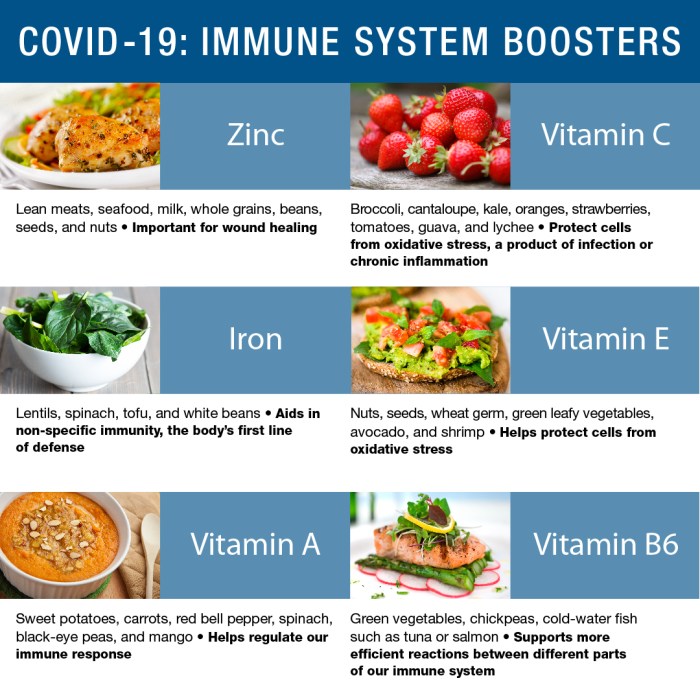
  • Vitamin C:This powerful antioxidant is essential for the production of white blood cells, which are the front-line defenders against infections. It also helps to protect cells from damage caused by free radicals, which can weaken the immune system.
  • Vitamin D:This vitamin is vital for the proper functioning of immune cells, including T cells, which are responsible for targeting and destroying infected cells.

  • Zinc:This mineral plays a crucial role in immune cell development and function. It also supports the production of white blood cells and helps to regulate the immune response.
  • Selenium:This mineral is an essential component of enzymes that protect cells from oxidative stress, which can damage immune cells and weaken the immune response.

  • Probiotics:These beneficial bacteria found in fermented foods like yogurt and kimchi contribute to a healthy gut microbiome, which plays a crucial role in immune function. A healthy gut microbiome supports the production of immune cells and helps to regulate the immune response.

Power Foods for Immune Boosting

A robust immune system relies on a steady supply of essential nutrients. Certain foods are packed with vitamins, minerals, and antioxidants that can bolster your body’s defenses against infections and illnesses. These power foods act as fuel for your immune cells, helping them function optimally.

Foods Rich in Antioxidants, Vitamins, and Minerals

Consuming a diverse range of fruits, vegetables, and whole grains provides your body with a spectrum of nutrients crucial for immune health. Here are some power foods that stand out for their immune-boosting properties:

  • Citrus fruits:Oranges, grapefruits, lemons, and limes are excellent sources of vitamin C, a potent antioxidant that supports the production of white blood cells, which are essential for fighting infections.
  • Garlic:This pungent bulb is known for its antimicrobial and antiviral properties. Garlic contains allicin, a compound that boosts the immune system and may help fight infections.
  • Ginger:Ginger has anti-inflammatory and immune-boosting properties. It can help reduce inflammation and support the body’s natural defenses against illness.
  • Leafy green vegetables:Spinach, kale, and collard greens are rich in vitamins A, C, and K, as well as antioxidants, all of which contribute to a strong immune system.
  • Bell peppers:Red bell peppers are particularly high in vitamin C, providing even more than citrus fruits. They also contain vitamin A, which is important for healthy skin and mucous membranes, the body’s first line of defense against infections.
  • Broccoli:This cruciferous vegetable is packed with vitamins C and K, as well as antioxidants like sulforaphane, which may help protect against cancer and boost immune function.
  • Yogurt:Yogurt, especially those containing live and active cultures, is a good source of probiotics, which are beneficial bacteria that support gut health. A healthy gut microbiome is essential for a strong immune system.
  • Almonds:Almonds are rich in vitamin E, a powerful antioxidant that helps protect cells from damage and supports immune function.
  • Sweet potatoes:Sweet potatoes are an excellent source of vitamin A, which is crucial for immune cell development and function. They also contain beta-carotene, which the body converts into vitamin A.

Sample Meal Plan for a Week

Incorporating these power foods into your daily diet can significantly enhance your immune system’s strength. Here’s a sample meal plan that highlights immune-boosting foods:

Day Breakfast Lunch Dinner
Monday Oatmeal with berries and a sprinkle of almonds Salad with grilled chicken, bell peppers, and spinach Salmon with roasted broccoli and a side of brown rice
Tuesday Yogurt with fruit and a drizzle of honey Turkey sandwich on whole-wheat bread with lettuce, tomato, and avocado Lentil soup with a side of whole-wheat bread
Wednesday Scrambled eggs with spinach and a slice of whole-wheat toast Chicken stir-fry with broccoli, carrots, and ginger Chicken and vegetable curry with brown rice
Thursday Smoothie with spinach, banana, and almond milk Tuna salad sandwich on whole-wheat bread with lettuce and tomato Pasta with marinara sauce and a side of leafy greens
Friday Pancakes with fruit and a sprinkle of nuts Quinoa salad with grilled tofu, bell peppers, and onions Shrimp scampi with a side of steamed vegetables
Saturday Breakfast burrito with eggs, black beans, and salsa Leftover chicken and vegetable curry Pizza with vegetables and whole-wheat crust
Sunday French toast with fruit and a sprinkle of cinnamon Soup and salad Roasted chicken with sweet potatoes and asparagus

Benefits of Specific Immune-Boosting Foods

While many foods contribute to immune health, certain foods stand out for their specific benefits:

  • Citrus fruits:Vitamin C is a potent antioxidant that supports the production of white blood cells, which are essential for fighting infections. Studies have shown that vitamin C supplementation can reduce the duration and severity of colds.
  • Garlic:Garlic contains allicin, a compound with antimicrobial and antiviral properties. Allicin has been shown to boost the immune system and may help fight infections. In one study, garlic supplements were found to reduce the incidence of colds by 63%.
  • Ginger:Ginger has anti-inflammatory and immune-boosting properties. It can help reduce inflammation and support the body’s natural defenses against illness. Ginger has also been shown to reduce nausea and vomiting, which can be helpful during illness.
  • Leafy green vegetables:Leafy green vegetables are packed with vitamins A, C, and K, as well as antioxidants, all of which contribute to a strong immune system. Vitamin A is essential for immune cell development and function, while vitamin C supports white blood cell production.

    Vitamin K is important for blood clotting and wound healing, which are crucial for recovery from illness.

The Importance of Hydration

Water is essential for life, and it plays a crucial role in maintaining a healthy immune system. Just like a well-oiled machine, our body needs the right amount of fluids to function properly.

The Role of Water in Immune Function

Water is involved in many essential bodily processes that directly impact our immune response. Here’s how:* Transporting Immune Cells:Water acts as a vehicle to transport immune cells throughout the body. These cells, like white blood cells, are responsible for fighting off infections and diseases.

Without adequate hydration, these cells may not be able to reach their destinations effectively, hindering the immune response.

Flushing Out Toxins

Water helps flush out waste products and toxins from the body. These toxins can weaken the immune system, making us more susceptible to illness.

Maintaining Body Temperature

Water helps regulate body temperature, which is essential for optimal immune function. When we are dehydrated, our bodies struggle to maintain a stable temperature, potentially impacting immune cells’ activity.

Supporting Lymphatic System

The lymphatic system, a crucial part of our immune defense, relies on adequate hydration to function properly. It carries waste and toxins away from tissues and helps circulate immune cells.

The Impact of Dehydration on the Immune System

When we are dehydrated, our bodies go into a state of stress, compromising our immune system. Here’s how dehydration affects our immune response:* Reduced Immune Cell Activity:Dehydration can decrease the number and activity of immune cells, making it harder to fight off infections.

Increased Risk of Infections

Studies have shown that dehydration can increase the risk of respiratory infections, including colds and flu.

Delayed Wound Healing

Water is crucial for wound healing. Dehydration can slow down the healing process, making us more vulnerable to infections.

Daily Water Intake Recommendations

To ensure optimal immune function, it’s essential to stay hydrated throughout the day. The recommended daily water intake varies based on factors like age, activity level, and climate. However, a general guideline is to drink around 8 glasses of water daily.

Tip:Pay attention to your body’s signals. If you feel thirsty, it’s a sign that you are already slightly dehydrated. Make sure to drink water regularly throughout the day, even when you don’t feel thirsty.

Nutritional Supplements for Immune Support

How to improve immune support through diet and nutrition

While a balanced diet provides the foundation for a strong immune system, certain nutritional supplements can offer additional support. These supplements can help fill potential gaps in nutrient intake and enhance immune function.

Benefits and Risks of Immune-Boosting Supplements

It’s important to understand both the potential benefits and risks associated with using nutritional supplements for immune support. While supplements can be helpful, they are not a substitute for a healthy diet and lifestyle.

  • Potential Benefits:Supplements like vitamin C, D, and zinc can help strengthen the immune system by supporting various immune cells and processes. For example, vitamin C is an antioxidant that helps protect cells from damage, while vitamin D plays a role in immune cell regulation.

    Zinc is essential for immune cell development and function.

  • Potential Risks:Excessive intake of certain supplements can lead to adverse effects. For instance, high doses of vitamin C can cause gastrointestinal upset, while excessive vitamin D intake can lead to calcium buildup in the body. It’s crucial to follow recommended dosage guidelines and consult with a healthcare professional before taking any supplements, especially if you have underlying health conditions or are taking medications.

Choosing and Using Supplements Safely and Effectively

Choosing and using supplements safely and effectively involves careful consideration and adherence to guidelines.

  • Choose Reputable Brands:Opt for supplements from reputable brands that have been tested for quality and purity. Look for products that have been third-party verified by organizations like NSF International or USP.
  • Follow Dosage Recommendations:Always follow the recommended dosage on the supplement label. Excessive intake can be harmful, so it’s important to stay within safe limits.
  • Consult with a Healthcare Professional:If you have any concerns about using supplements, consult with a doctor or registered dietitian. They can help you determine if supplements are right for you and recommend appropriate dosages.

Lifestyle Factors for a Healthy Immune System

In addition to diet and nutrition, several lifestyle factors play a crucial role in supporting a robust immune system. These factors influence the body’s ability to fight off infections and maintain overall health.

The Impact of Stress on Immune Function

Stress, whether physical or emotional, can significantly impact immune function. When the body experiences stress, it releases hormones like cortisol, which can suppress the immune system’s ability to fight off infections. Chronic stress can lead to a weakened immune system, making individuals more susceptible to illnesses.

  • Increased susceptibility to infections:Studies have shown that prolonged stress can increase the risk of developing common colds, flu, and other infections. This is because stress hormones suppress the immune system’s ability to fight off pathogens.
  • Impaired wound healing:Stress can also delay wound healing, as it interferes with the body’s natural repair mechanisms.

  • Exacerbation of autoimmune diseases:In individuals with autoimmune diseases, stress can trigger flare-ups and worsen symptoms.

The Importance of Regular Exercise for Immune Health

Regular exercise has a positive impact on immune function. It promotes circulation, strengthens the cardiovascular system, and helps the body effectively fight off infections. Engaging in moderate-intensity exercise for at least 30 minutes most days of the week can boost immune function.

  • Enhanced circulation:Exercise improves blood flow, allowing immune cells to circulate efficiently throughout the body, reaching areas where they are needed to fight infections.
  • Improved lymphatic drainage:Exercise helps to move lymph fluid, which contains immune cells, throughout the body, enhancing immune response.
  • Reduced inflammation:Regular exercise can help reduce chronic inflammation, which is associated with a weakened immune system.

The Benefits of Adequate Sleep for a Strong Immune System

Getting enough sleep is essential for a healthy immune system. During sleep, the body produces cytokines, proteins that help regulate immune responses and fight off infections. Adequate sleep also allows the body to repair and regenerate tissues, which is crucial for immune function.

  • Increased cytokine production:During sleep, the body produces cytokines, which are essential for immune cell communication and activation.
  • Improved cell repair and regeneration:Sleep allows the body to repair and regenerate tissues, including immune cells, enhancing immune function.
  • Enhanced antibody production:Studies have shown that sleep deprivation can reduce antibody production, making individuals more susceptible to infections.

The Role of Probiotics and Gut Health

Your gut is home to trillions of bacteria, both good and bad, collectively known as the gut microbiome. This complex ecosystem plays a crucial role in your overall health, including your immune system. A healthy gut microbiome is characterized by a balanced population of beneficial bacteria, which contribute to various functions, including immune regulation.

The Link Between Gut Health and Immune Function

The gut microbiome is intricately linked to the immune system. About 70% of the immune system is located in the gut, where it interacts with the trillions of bacteria residing there. The gut microbiome influences the development and function of the immune system by:

  • Training the Immune System:The gut microbiome exposes the immune system to a vast array of antigens, helping it to learn to distinguish between harmful pathogens and harmless microbes. This training process is essential for the immune system’s ability to respond appropriately to threats.

  • Producing Anti-inflammatory Compounds:Beneficial bacteria produce short-chain fatty acids (SCFAs), which have anti-inflammatory properties. SCFAs help to regulate immune responses and prevent excessive inflammation.
  • Creating a Barrier Against Pathogens:The gut microbiome forms a protective barrier that prevents harmful bacteria from entering the bloodstream. This barrier helps to prevent infections and maintain overall health.

How Probiotics Can Contribute to a Healthy Gut Microbiome

Probiotics are live microorganisms that, when consumed in adequate amounts, provide health benefits to the host. They are often referred to as “good bacteria” because they contribute to a healthy gut microbiome. Probiotics can:

  • Increase the Population of Beneficial Bacteria:Probiotics supplement the gut with beneficial bacteria, helping to restore balance and diversity to the microbiome.
  • Improve Digestion and Nutrient Absorption:Probiotics aid in digestion by producing enzymes that break down food and promoting the absorption of nutrients.
  • Reduce Inflammation:Probiotics can reduce inflammation in the gut by producing SCFAs and other anti-inflammatory compounds.

Incorporating Probiotics into Your Diet

There are several ways to incorporate probiotics into your diet:

  • Consume Fermented Foods:Fermented foods, such as yogurt, kefir, sauerkraut, kimchi, and miso, are naturally rich in probiotics. Look for varieties that are unsweetened and contain live and active cultures.
  • Take Probiotic Supplements:Probiotic supplements are available in various forms, including capsules, tablets, and powders. Choose supplements that contain a variety of strains and are backed by scientific evidence.
  • Make Probiotic-Rich Foods at Home:You can easily make your own fermented foods at home using readily available ingredients. There are numerous online resources and cookbooks that provide detailed instructions.

Avoiding Immune-Compromising Habits

While a healthy diet and lifestyle are crucial for a robust immune system, certain habits can undermine your body’s natural defenses. These habits can compromise your immune function, leaving you more susceptible to infections and illnesses. It’s essential to be aware of these habits and take steps to avoid them.

The Impact of Smoking and Alcohol Consumption, How to improve immune support through diet and nutrition

Smoking and excessive alcohol consumption have a detrimental effect on your immune system. Smoking damages your lungs and weakens your body’s ability to fight off infections. Nicotine, a primary component of cigarettes, impairs the function of white blood cells, which are essential for fighting off infections.

Additionally, smoking can increase your risk of chronic diseases like lung cancer and heart disease, further compromising your overall health.

Alcohol consumption, particularly in excess, also weakens your immune system. Excessive alcohol intake can suppress the immune response, making you more vulnerable to infections. It can also damage your liver, which plays a crucial role in filtering toxins and producing immune cells.

Limiting alcohol consumption or abstaining altogether is essential for maintaining a healthy immune system.

The Importance of Avoiding Processed Foods and Excessive Sugar Intake

Processed foods and excessive sugar intake can significantly impact your immune health. Processed foods are often high in unhealthy fats, sugar, and sodium, which can contribute to inflammation and weaken your immune system. Excessive sugar intake can lead to insulin resistance, which can further suppress your immune response.

Additionally, sugar can feed harmful bacteria in your gut, potentially disrupting the delicate balance of your gut microbiome, which is crucial for a healthy immune system.

  • Opt for whole, unprocessed foods like fruits, vegetables, lean protein, and whole grains. These foods are packed with essential nutrients that support a strong immune system.
  • Limit your intake of processed foods, sugary drinks, and refined carbohydrates. These foods provide little nutritional value and can contribute to inflammation and weakened immunity.

Maintaining a Healthy Weight for Immune Health

Maintaining a healthy weight is crucial for a robust immune system. Obesity can contribute to chronic inflammation, which weakens your immune response. Excess body fat can also disrupt the balance of your gut microbiome, further compromising your immune function.

If you are overweight or obese, losing even a small amount of weight can have a significant impact on your immune health. Aim for gradual weight loss through a balanced diet and regular exercise. Talk to your doctor about a weight management plan that is right for you.

Seeking Professional Guidance

While this guide provides valuable information on boosting your immune system, it’s crucial to remember that everyone is unique. A one-size-fits-all approach to diet and nutrition may not be the best strategy for everyone.

Personalized Dietary Advice

Consulting with a healthcare professional, specifically a registered dietitian or nutritionist, is essential for personalized dietary advice. These professionals are trained to assess your individual needs, taking into account factors such as your medical history, current health status, allergies, and lifestyle.

They can help you develop a customized dietary plan that supports your immune system while meeting your overall health goals.

When to Seek Medical Attention

While a healthy diet and lifestyle can significantly contribute to a strong immune system, it’s important to seek medical attention if you experience any concerning symptoms related to your immune system. These may include:

  • Frequent or persistent infections
  • Unexplained weight loss
  • Fatigue that doesn’t improve with rest
  • Swollen lymph nodes
  • Recurring skin rashes or sores

These symptoms could indicate an underlying health condition that requires medical intervention.

Finding Qualified Nutritionists and Dietitians

Finding a qualified nutritionist or dietitian is essential for receiving accurate and personalized advice. Here are some resources to help you find a professional in your area:

  • Academy of Nutrition and Dietetics:This professional organization offers a search tool to find registered dietitians in your location. You can filter your search by specialty, such as sports nutrition, weight management, or pediatrics.
  • American College of Lifestyle Medicine:This organization offers a directory of healthcare professionals specializing in lifestyle medicine, including nutritionists and dietitians.
  • Your primary care physician:Your doctor can recommend qualified nutritionists or dietitians in your area who have experience working with patients with similar health concerns.

Ultimate Conclusion: How To Improve Immune Support Through Diet And Nutrition

By embracing a diet rich in immune-boosting foods, staying hydrated, incorporating healthy lifestyle habits, and seeking professional guidance when needed, you can empower your body’s natural defenses and enjoy a healthier, more vibrant life. Remember, the power to strengthen your immune system lies within your own choices.

Nourish your body wisely, and reap the rewards of a robust and resilient immune system.

FAQ Compilation

What are some easy ways to incorporate more immune-boosting foods into my diet?

Start by adding a variety of colorful fruits and vegetables to your meals. Include citrus fruits, berries, leafy greens, garlic, and ginger. Try adding a handful of nuts or seeds to your yogurt or salads. And don’t forget about the power of spices like turmeric and cinnamon, which have anti-inflammatory properties.

How much water should I drink daily for optimal immune function?

Aim for at least 8 glasses of water per day. Your individual needs may vary depending on your activity level and climate. Listen to your body and drink water throughout the day, especially when you feel thirsty.

Are there any foods I should avoid to support my immune system?

Limit processed foods, sugary drinks, and excessive amounts of saturated and unhealthy fats. These foods can contribute to inflammation and weaken your immune system. Focus on whole, unprocessed foods as much as possible.
How to track your nutritional balance: A Comprehensive Guide

How to track your nutritional balance

Understanding Nutritional Balance: How To Track Your Nutritional Balance

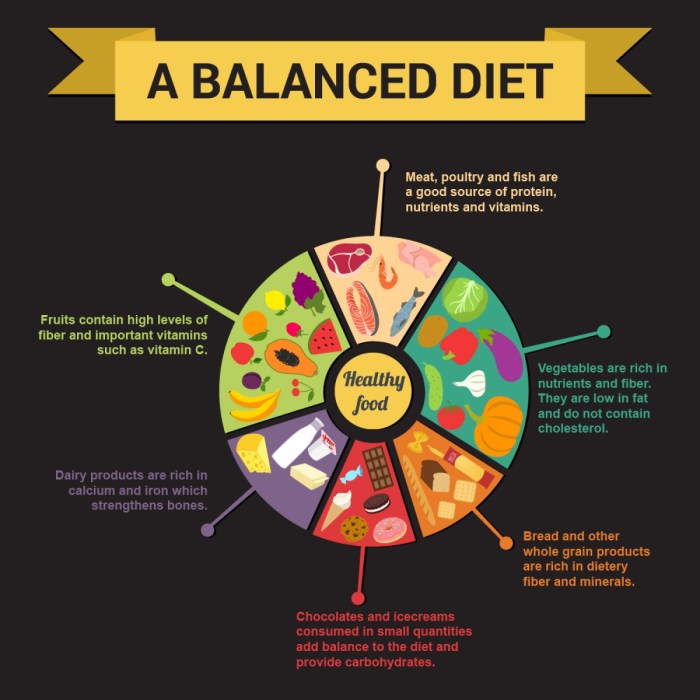
How to track your nutritional balance – When we talk about nutritional balance, we are referring to consuming the right amount of nutrients that our bodies need to function properly. This includes a mix of carbohydrates, proteins, fats, vitamins, and minerals.

Maintaining a balanced diet is crucial for overall well-being. It helps support our immune system, keeps our organs functioning optimally, and provides us with the energy we need to go about our daily activities. Without proper nutrition, our bodies can suffer from deficiencies that may lead to various health issues.

Impact of an Imbalanced Diet

  • An excessive intake of unhealthy fats and sugars can lead to weight gain, obesity, and an increased risk of chronic diseases such as heart disease and diabetes.
  • Too little protein in the diet can result in muscle loss, weakened immune system, and slower recovery from injuries.
  • A lack of essential vitamins and minerals can cause deficiencies that may lead to issues like anemia, weakened bones, and impaired cognitive function.

Tracking Your Nutritional Intake

When it comes to maintaining a healthy diet, tracking your nutritional intake is key. By keeping a close eye on what you eat, you can ensure that you are getting all the essential nutrients your body needs to function at its best.

Different Methods to Track Your Daily Nutritional Intake

There are various ways to track your daily nutritional intake, ranging from traditional methods to modern technology:

  • Keeping a Food Diary: Writing down everything you eat and drink throughout the day can help you become more aware of your eating habits.
  • Using Nutrition Apps: There are many smartphone apps available that can help you track your food consumption, providing detailed breakdowns of calories, macronutrients, and micronutrients.
  • Online Tools: Websites and online platforms offer tools to input your meals and receive nutritional analysis, making tracking easier and more convenient.

The Significance of Keeping a Food Diary or Using Apps to Monitor Food Consumption

Keeping a food diary or using apps to monitor food consumption can be highly beneficial for several reasons:

  • Increased Awareness: Tracking your food intake can help you become more conscious of what you are eating and make healthier choices.
  • Identifying Patterns: By documenting your meals, you can identify patterns in your eating habits and make necessary adjustments.
  • Accountability: Tracking your intake holds you accountable for what you eat, motivating you to stick to your nutritional goals.

Tips on How to Accurately Track Calories, Macronutrients, and Micronutrients

For accurate tracking of your nutritional intake, consider the following tips:

  • Read Labels: Pay attention to serving sizes and nutritional information on food labels to calculate your intake correctly.
  • Use a Food Scale: Weighing your food can provide precise measurements, especially for calorie-dense items like nuts or oils.
  • Track Everything: Don’t forget to include snacks, beverages, and cooking oils in your tracking to get a comprehensive picture of your intake.
  • Stay Consistent: Make tracking a daily habit to ensure you have a consistent record of your nutritional intake.

Evaluating Your Nutritional Balance

How to track your nutritional balance
To ensure that you are meeting your nutritional needs, it is important to evaluate your diet regularly. This can be done by assessing your food choices, portion sizes, and overall nutrient intake. Here are some guidelines on how to evaluate your nutritional balance effectively:

Role of Food Labels and Nutritional Information

Food labels and nutritional information play a crucial role in evaluating your diet. They provide detailed information about the nutrients present in the food you consume, allowing you to track your intake of essential vitamins, minerals, and macronutrients. By reading food labels and understanding nutritional information, you can make informed decisions about your diet and ensure that you are meeting your nutritional requirements.

Importance of Seeking Professional Advice

While evaluating your nutritional balance on your own can be helpful, it is also important to seek professional advice for a comprehensive assessment. A registered dietitian or nutritionist can provide personalized recommendations based on your individual needs and goals. They can help you identify any deficiencies or excesses in your diet, and create a plan to achieve optimal nutritional balance. Professional guidance can ensure that you are on the right track towards meeting your nutritional needs.

Adjusting Your Diet for Better Balance

When it comes to improving your nutritional balance, making adjustments to your diet is key. By incorporating a variety of nutrient-dense foods, you can ensure that you are getting the necessary vitamins and minerals for optimal health.

Eating the Rainbow

One popular approach to achieving a balanced diet is by following the concept of “eating the rainbow.” This means including a wide array of colorful fruits and vegetables in your meals to ensure that you are getting a diverse range of nutrients.

  • Red fruits and vegetables like tomatoes, red peppers, and strawberries are rich in antioxidants like lycopene and vitamin C.
  • Orange and yellow produce such as carrots, sweet potatoes, and oranges provide beta-carotene, vitamin A, and vitamin C.
  • Green leafy vegetables like spinach, kale, and broccoli are packed with vitamins K, C, and E, as well as minerals like iron and calcium.
  • Blue and purple foods like blueberries, eggplant, and plums contain anthocyanins and other antioxidants that support brain health and reduce inflammation.
  • White fruits and vegetables such as bananas, cauliflower, and garlic offer nutrients like potassium, vitamin C, and allicin.

Nutrient-Dense Foods for Optimal Balance

In addition to incorporating a variety of colorful produce, focusing on nutrient-dense foods can help improve your nutritional balance. These foods are rich in essential nutrients while being relatively low in calories.

  • Fatty fish like salmon and sardines are excellent sources of omega-3 fatty acids, which support heart health and brain function.
  • Legumes such as lentils, chickpeas, and black beans are high in fiber, protein, and various vitamins and minerals.
  • Nuts and seeds like almonds, chia seeds, and sunflower seeds provide healthy fats, protein, and micronutrients like magnesium and zinc.
  • Whole grains including quinoa, brown rice, and oats offer fiber, B vitamins, and minerals like iron and magnesium.
  • Dairy products like Greek yogurt and cottage cheese are rich in calcium, protein, and probiotics for gut health.

Maintaining Nutritional Balance for Specific Health Goals

Maintaining a balanced diet is crucial for overall health and well-being, but the specifics can vary based on individual health goals or dietary restrictions. Whether you are following a vegan, keto, gluten-free diet, or aiming for weight management, muscle gain, or improved athletic performance, it is essential to ensure you are meeting your nutritional needs while supporting your specific health objectives.

Nutritional Balance for Vegan, Keto, or Gluten-Free Diets

For individuals following vegan, keto, or gluten-free diets, maintaining nutritional balance can be challenging due to restrictions on certain food groups. Here are some tips to ensure you are getting essential nutrients while following these specific dietary patterns:

  • Focus on a variety of plant-based protein sources like legumes, nuts, seeds, and tofu for vegans to meet protein needs.
  • Include healthy fats from sources like avocados, olive oil, and nuts for a well-rounded keto diet.
  • Opt for gluten-free whole grains like quinoa, brown rice, and buckwheat to ensure adequate fiber intake for gluten-free diets.

Adjusting Your Diet for Weight Management, Muscle Gain, or Athletic Performance

When it comes to specific health goals like weight management, muscle gain, or improved athletic performance, adjusting your diet to support these objectives is essential. Here are some strategies to help you maintain nutritional balance while working towards these goals:

  • For weight management, focus on portion control, balanced meals, and regular physical activity to achieve a calorie deficit or surplus as needed.
  • To support muscle gain, prioritize protein-rich foods, complex carbohydrates, and healthy fats to fuel your workouts and promote muscle recovery.
  • For enhanced athletic performance, stay hydrated, consume adequate carbohydrates for energy, and incorporate lean proteins and nutrient-dense foods into your diet.

Integrating Nutritional Balance with Healthy Habits

When it comes to achieving optimal health, integrating nutritional balance with healthy habits is key. By incorporating factors like hydration, exercise, and sleep into your routine, you can create a holistic approach to wellness that complements a balanced diet.

The Role of Adequate Hydration

Hydration plays a crucial role in supporting overall health and well-being. Drinking enough water helps regulate body temperature, aids digestion, and flushes out toxins. Make sure to drink an adequate amount of water throughout the day to stay hydrated.

The Importance of Regular Exercise

Regular physical activity is essential for maintaining a healthy lifestyle. Exercise not only helps you manage weight but also boosts your mood, improves cardiovascular health, and enhances overall fitness. Incorporate a mix of cardio, strength training, and flexibility exercises into your routine for maximum benefits.

The Impact of Sufficient Sleep

Sleep is often overlooked but is crucial for overall health. Getting enough high-quality sleep each night is essential for cognitive function, mood regulation, and immune health. Aim for 7-9 hours of quality sleep to support your body’s recovery and repair processes.

Impact of Emotional Wellbeing on Nutritional Balance

Emotional wellbeing plays a significant role in influencing our dietary choices and overall nutritional balance. When we experience stress, anxiety, or other intense emotions, it can lead to unhealthy eating habits and disrupt our nutritional goals.

Influence of Emotions on Dietary Choices

During times of emotional stress, individuals may turn to food as a source of comfort or distraction. This often results in the consumption of high-calorie, low-nutrient foods that may provide temporary relief but ultimately lead to an imbalance in our nutritional intake.

Moreover, emotions can also impact our appetite regulation and food preferences, causing us to crave certain types of food based on our emotional state rather than our actual nutritional needs.

Strategies for Healthy Relationship with Food, How to track your nutritional balance

  • Practice mindful eating: Pay attention to your food choices and eating habits, and try to eat slowly and savor each bite.
  • Find alternative coping mechanisms: Instead of turning to food for comfort, explore other ways to manage stress and emotions, such as exercise, meditation, or talking to a friend.
  • Seek professional help: If emotional eating becomes a persistent issue, consider seeking support from a therapist or counselor who can help you develop healthier coping strategies.

Connection to Achieving Nutritional Balance

By fostering a healthy relationship with food and addressing emotional triggers that may lead to unhealthy eating patterns, individuals can better align their dietary choices with their nutritional goals. Mindful eating practices can help improve awareness of hunger cues, prevent overeating, and support the maintenance of a balanced diet.

Promoting Healthy Aging through Nutritional Balance

As we age, our nutritional needs change, and maintaining a balanced diet becomes even more crucial for promoting healthy aging and preventing age-related diseases. Proper nutrition can help support overall well-being and longevity, allowing us to enjoy a higher quality of life as we grow older.

Role of Nutrition in Healthy Aging

Nutrition plays a vital role in supporting healthy aging by providing essential nutrients that help protect against age-related decline and diseases. Key nutrients such as antioxidants, omega-3 fatty acids, vitamins, and minerals can help reduce inflammation, support cognitive function, maintain bone health, and boost the immune system.

Key Nutrients for Healthy Aging

  • Antioxidants: Found in fruits, vegetables, nuts, and seeds, antioxidants help protect cells from damage caused by free radicals, reducing the risk of chronic diseases.
  • Omega-3 Fatty Acids: Sources include fatty fish, flaxseeds, and walnuts, omega-3 fatty acids support heart health, brain function, and reduce inflammation.
  • Vitamins and Minerals: Adequate intake of vitamins like Vitamin D, B12, and minerals like calcium, magnesium, and potassium is essential for maintaining overall health and vitality.

Tips for Adjusting Your Diet as You Age

  • Focus on Whole Foods: Choose nutrient-dense whole foods like fruits, vegetables, whole grains, lean proteins, and healthy fats to meet your changing nutritional needs.
  • Stay Hydrated: Drink plenty of water and include hydrating foods like soups, smoothies, and fruits to support digestion and overall health.
  • Monitor Portion Sizes: Adjust your portion sizes to match your activity level and metabolism, ensuring you are not overeating or undereating as you age.
  • Consult a Nutritionist: Consider working with a nutritionist or dietitian to create a personalized eating plan that meets your specific nutritional requirements and health goals.

Achieving an Active Lifestyle with Nutritional Balance

To maintain an active lifestyle, it is crucial to have proper nutritional balance to support physical activity and exercise. Nutrition plays a significant role in fueling your body for optimal performance, aiding in recovery, and sustaining energy levels necessary for staying active.

Importance of Nutritional Balance for Physical Activity

  • Proper nutrition provides the essential nutrients needed for muscle function, repair, and growth during physical activity.
  • A balanced diet ensures adequate energy levels to sustain workouts and prevent fatigue, enhancing overall performance.
  • Nutritional balance supports proper hydration, electrolyte balance, and overall well-being during exercise sessions.

Fueling Your Body for Optimal Performance and Recovery

  • Include a mix of carbohydrates, proteins, and healthy fats in your pre-workout meal to provide sustained energy and support muscle function.
  • Stay hydrated before, during, and after exercise to maintain optimal performance and aid in recovery.
  • Incorporate post-workout snacks or meals rich in protein and carbohydrates to promote muscle recovery and replenish glycogen stores.

Link Between Nutritional Balance, Energy Levels, and Motivation

  • Consuming a balanced diet rich in vitamins, minerals, and antioxidants can enhance energy levels and overall well-being, boosting motivation for regular physical activity.
  • Maintaining stable blood sugar levels through balanced nutrition can prevent energy crashes and mood fluctuations, supporting a consistent exercise routine.
  • Nutritional balance plays a key role in supporting mental focus, reducing stress, and enhancing motivation to engage in physical activities.

Cardiovascular Health and Nutritional Balance

A balanced diet plays a crucial role in maintaining heart health and reducing the risk of cardiovascular diseases. By incorporating key nutrients and following a healthy dietary pattern, you can support your cardiovascular wellness and overall well-being.

Key Nutrients for Heart Health

  • Omega-3 fatty acids: Found in fatty fish like salmon and walnuts, omega-3s help reduce inflammation and lower the risk of heart disease.
  • Fiber: Whole grains, fruits, and vegetables are rich in fiber, which helps lower cholesterol levels and improve heart health.
  • Antioxidants: Foods high in antioxidants, such as berries, dark chocolate, and nuts, can protect against heart disease by reducing oxidative stress.

Heart-Healthy Foods and Dietary Patterns

  • The Mediterranean diet: Emphasizing fruits, vegetables, whole grains, olive oil, and lean protein, this diet is known for its heart-protective benefits.
  • Leafy greens: Spinach, kale, and other leafy greens are packed with vitamins, minerals, and antioxidants that support heart health.
  • Lean proteins: Opt for lean sources of protein like poultry, fish, and legumes to reduce saturated fat intake and promote a healthy heart.

Tips for Maintaining Nutritional Balance for Cardiovascular Wellness

  • Limit saturated fats and trans fats: Reduce consumption of red meat, processed foods, and fried items to lower cholesterol levels and support heart health.
  • Monitor sodium intake: Too much salt can contribute to high blood pressure, a risk factor for heart disease. Choose low-sodium options and season foods with herbs and spices instead.
  • Stay hydrated: Adequate hydration is essential for cardiovascular health. Drink plenty of water and limit sugary beverages to maintain overall balance.

Exploring Healthy Recipes for Nutritional Balance

When it comes to maintaining a balanced diet, incorporating nutritious and delicious recipes is key. Meal planning and preparation play a significant role in ensuring that you are meeting your nutritional needs. By creating well-rounded meals that include a variety of food groups, you can achieve optimal nutritional balance.

Importance of Meal Planning and Preparation

Meal planning and preparation are essential for maintaining a healthy diet. By taking the time to plan your meals in advance, you can ensure that you are getting the nutrients you need and avoid relying on unhealthy options when you are pressed for time. Preparing meals ahead of time also helps you stay on track with your nutritional goals and makes it easier to make healthier choices.

Nutritious and Balanced Recipes

  • Quinoa Salad with Roasted Vegetables: This recipe is packed with protein, fiber, and essential vitamins and minerals. It combines quinoa, a complete protein source, with a variety of roasted vegetables for a nutritious and satisfying meal.
  • Grilled Salmon with Asparagus and Sweet Potato: Salmon is an excellent source of omega-3 fatty acids, while asparagus and sweet potatoes provide a good mix of vitamins and minerals. This dish is not only delicious but also promotes heart health and overall well-being.
  • Vegan Buddha Bowl: A colorful and nutrient-rich bowl that includes a mix of grains, legumes, and vegetables. This recipe is perfect for vegans and vegetarians looking to increase their protein intake and get a variety of nutrients in one meal.

Tips for Creating Well-Rounded Meals

  • Include a variety of fruits and vegetables in every meal to ensure you are getting a range of vitamins and minerals.
  • Incorporate lean proteins such as chicken, fish, tofu, or legumes to support muscle growth and repair.
  • Choose whole grains like brown rice, quinoa, or whole wheat pasta for sustained energy and fiber.
  • Limit processed foods and added sugars to reduce empty calories and promote overall health.

Enhancing Mental Resilience through Nutritional Balance

Nutrition plays a crucial role in not only physical health but also mental well-being. The food we consume can impact our brain function, mood, and ability to cope with stress. By maintaining a balanced and nutrient-rich diet, we can enhance our mental resilience and overall emotional health.

Impact of Nutrition on Mental Health

  • Proper nutrition can influence neurotransmitter function in the brain, affecting mood and behavior.
  • Deficiencies in certain nutrients, such as omega-3 fatty acids and B vitamins, have been linked to higher rates of depression and anxiety.
  • Consuming whole foods rich in antioxidants and phytonutrients can protect brain cells from damage and support cognitive function.

Specific Nutrients for Brain Health and Mood Regulation

  • Omega-3 fatty acids, found in fatty fish like salmon and walnuts, are essential for brain health and can help reduce inflammation in the brain.
  • B vitamins, particularly B6, B12, and folate, play a role in neurotransmitter synthesis and can support mood regulation.
  • Magnesium is crucial for stress management and relaxation, as it helps regulate the release of stress hormones like cortisol.

Nutritional Balance, Mental Clarity, and Stress Management

  • Eating a balanced diet with a variety of nutrients can improve mental clarity, focus, and concentration.
  • Avoiding processed foods high in sugar and unhealthy fats can help prevent fluctuations in blood sugar levels that can impact mood and energy levels.
  • Practicing mindful eating and being aware of how food affects your mood can contribute to better stress management and emotional resilience.

Supporting Immune Health with Nutritional Balance

Maintaining a balanced diet is crucial for strengthening the immune system and supporting overall immune health. By ensuring that your body receives essential nutrients in the right amounts, you can enhance your immunity and resilience to illnesses.

Key Nutrients for Immune Health

  • Vitamin C: Known for its antioxidant properties, vitamin C helps protect cells and supports the immune system. Citrus fruits, bell peppers, and strawberries are rich sources of vitamin C.
  • Vitamin D: Plays a key role in immune function and can be obtained from sunlight exposure, fatty fish, and fortified dairy products.
  • Zinc: Supports immune cell function and can be found in lean meats, legumes, seeds, and nuts.

Foods for Immune Support

  • Berries: Packed with antioxidants, berries help fight free radicals and boost immune health.
  • Garlic: Contains allicin, a compound known for its immune-boosting properties.
  • Yogurt: Probiotics found in yogurt support gut health, which is closely linked to immune function.

Dietary Habits for Immune Function

  • Stay Hydrated: Drinking an adequate amount of water is essential for maintaining optimal immune function.
  • Include Fiber: Fiber-rich foods like whole grains, fruits, and vegetables promote a healthy gut microbiome, supporting immune health.
  • Limit Sugar and Processed Foods: Excessive sugar consumption can weaken the immune system, so it’s important to minimize intake of sugary and processed foods.

Strategies for Stress Relief through Nutritional Balance

Stress can have a significant impact on our dietary choices and overall nutritional balance. When under stress, many people tend to turn to comfort foods that are often high in sugar, fat, and calories, which can disrupt the delicate balance of nutrients our bodies need. It’s essential to understand the relationship between stress, diet, and nutrition to effectively manage stress levels and maintain optimal health.

Using Food as a Tool for Stress Relief

  • Include foods rich in magnesium, such as nuts, seeds, and leafy greens, which can help relax muscles and reduce stress.
  • Opt for complex carbohydrates like whole grains, fruits, and vegetables, which can increase serotonin levels and promote a sense of well-being.
  • Consume foods high in omega-3 fatty acids, like salmon and walnuts, which have been linked to reducing anxiety and improving mood.

Exploring Mindful Eating for Stress Reduction

  • Practice mindful eating by savoring each bite, paying attention to flavors, textures, and sensations to promote relaxation.
  • Avoid distractions like screens or work while eating to focus on the present moment and reduce stress levels.
  • Listen to your body’s hunger and fullness cues to prevent overeating and promote a healthy relationship with food.

FAQ Explained

How often should I track my nutritional intake?

You should ideally track your nutritional intake daily to ensure consistency and accuracy.

Can I use any app to track my food consumption?

Yes, there are several apps available that can help you monitor your food intake and nutritional balance.

Is it necessary to seek professional advice for a nutritional assessment?

While not mandatory, consulting a nutritionist can provide valuable insights into your dietary needs and help you achieve better balance.