The role of sleep in cardiovascular health: Importance, Habits, Aging, Lifestyle, Disorders, Recipes, Resilience, Immune Support, Stress Relief, Nutritional Balance

The role of sleep in cardiovascular health

The Importance of Sleep in Cardiovascular Health

Sleep plays a crucial role in maintaining cardiovascular health. It is during sleep that the body repairs and rejuvenates itself, including the heart and blood vessels. Lack of adequate sleep can have detrimental effects on heart health and increase the risk of developing cardiovascular diseases.

Impact of Lack of Sleep on Heart Health

  • Poor sleep habits can lead to high blood pressure, a major risk factor for heart disease.
  • Insufficient sleep is associated with an increased risk of heart attack and stroke.
  • Lack of sleep can disrupt the body’s natural processes, such as regulating blood sugar levels and inflammation, which are essential for heart health.

Relationship between Sleep Quality and Cardiovascular Disease Risk

  • Studies have shown that poor sleep quality, characterized by frequent awakenings or inadequate deep sleep, is linked to a higher risk of cardiovascular diseases.
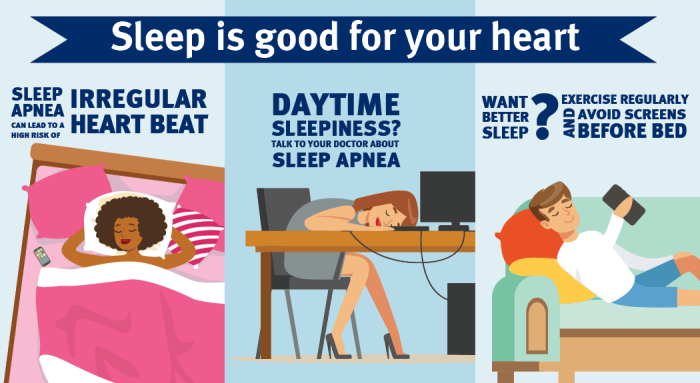
  • Individuals with sleep disorders like sleep apnea have a higher likelihood of developing heart problems due to the repeated interruption of breathing during sleep.
  • Improving sleep quality through lifestyle changes or medical interventions can help reduce the risk of cardiovascular issues and improve overall heart health.

Healthy Habits for Quality Sleep

Creating a sleep-friendly environment and establishing a consistent sleep schedule are crucial for improving sleep quality and overall cardiovascular health.

Tips for Creating a Sleep-Friendly Environment

  • Avoid exposure to bright lights and electronics before bedtime to promote relaxation and signal your body that it’s time to sleep.
  • Keep your bedroom cool, quiet, and dark to create an optimal sleeping environment.
  • Invest in a comfortable mattress and pillows that support a good night’s sleep.
  • Avoid consuming caffeine, heavy meals, and alcohol close to bedtime as they can disrupt your sleep quality.

The Importance of Establishing a Consistent Sleep Schedule

  • Going to bed and waking up at the same time every day helps regulate your body’s internal clock, promoting better sleep quality.
  • Consistency in your sleep schedule can improve the overall quality of your sleep and reduce the risk of cardiovascular issues.
  • Irregular sleep patterns can lead to sleep deprivation, which may contribute to heart problems and other health issues in the long run.

Emotional Wellbeing and Sleep

Emotional wellbeing plays a crucial role in determining the quality of one’s sleep. Stress, anxiety, and other emotional factors can significantly impact sleep patterns, leading to difficulties falling asleep, staying asleep, or experiencing restful sleep.

Strategies to Manage Stress and Improve Sleep Quality

  • Practice relaxation techniques such as deep breathing, progressive muscle relaxation, or guided imagery before bedtime to calm the mind and body.
  • Engage in regular physical activity to reduce stress levels and promote better sleep.
  • Establish a consistent bedtime routine and create a relaxing sleep environment free from distractions.
  • Avoid caffeine, nicotine, and heavy meals close to bedtime to prevent disruptions in sleep patterns.

Impact of Mindfulness and Relaxation Techniques on Sleep and Cardiovascular Health

  • Research has shown that mindfulness meditation can improve sleep quality by reducing rumination and promoting relaxation.
  • Practicing relaxation techniques can help lower blood pressure, reduce inflammation, and improve overall cardiovascular health.
  • Engaging in mindfulness practices regularly can also enhance emotional wellbeing, leading to better sleep and improved heart health.
  • Healthy Aging and Sleep Quality

    Aging can significantly impact sleep patterns as individuals get older. Changes in circadian rhythms, increased prevalence of medical conditions, and alterations in sleep architecture can all contribute to sleep disturbances in older adults.

    Tips for Improving Sleep Quality in Older Adults

    • Establish a consistent sleep schedule by going to bed and waking up at the same time every day.
    • Create a relaxing bedtime routine to signal to your body that it’s time to wind down.
    • Avoid stimulants like caffeine and nicotine close to bedtime.
    • Ensure your sleep environment is conducive to rest, with a comfortable mattress and pillows.
    • Engage in regular physical activity during the day, but avoid vigorous exercise close to bedtime.

    Relationship Between Aging, Sleep, and Cardiovascular Health

    As individuals age, the risk of cardiovascular disease increases, and poor sleep quality can further exacerbate this risk. Sleep disturbances have been linked to hypertension, arrhythmias, and other cardiovascular conditions. Therefore, prioritizing quality sleep in older adults is crucial for maintaining heart health and overall well-being.

    Maintaining an Active Lifestyle for Better Sleep

    Physical activity plays a crucial role in promoting better sleep quality and overall cardiovascular health. By incorporating regular exercise into your routine, you can experience improved sleep patterns and enhance your well-being.

    Recommended Exercise Routines for Improving Sleep Quality

    • Cardiovascular exercises such as running, cycling, or swimming can help regulate your sleep-wake cycle and promote deeper sleep.
    • Strength training exercises like weightlifting or bodyweight exercises can also contribute to better sleep by reducing stress and anxiety levels.
    • Yoga and stretching exercises are beneficial for relaxation and can help prepare your body for a restful night’s sleep.

    Benefits of an Active Lifestyle on Cardiovascular Health and Sleep Patterns

    • Regular physical activity can improve circulation, reduce inflammation, and lower the risk of heart disease, ultimately leading to better cardiovascular health.
    • Exercise helps release endorphins, which can alleviate stress and anxiety, leading to improved sleep quality and duration.
    • An active lifestyle can enhance the overall quality of life, promoting better sleep hygiene and supporting healthy aging.

    Cardiovascular Health and Sleep Disorders

    Sleep disorders can have a significant impact on cardiovascular health, as they disrupt the body’s natural rhythms and processes. Common sleep disorders that can affect heart health include sleep apnea, insomnia, restless legs syndrome, and narcolepsy.

    Importance of Diagnosing and Treating Sleep Disorders

    • Untreated sleep disorders can lead to an increased risk of hypertension, heart disease, stroke, and other cardiovascular conditions.
    • Diagnosing and treating sleep disorders is crucial in preventing these serious health issues and improving overall heart health.
    • Individuals with sleep disorders are more likely to have irregular heart rhythms, which can be dangerous and potentially life-threatening.

    Improving Sleep for Better Cardiovascular Health

    • Establishing a consistent sleep schedule and creating a relaxing bedtime routine can help improve sleep quality and promote heart health.
    • Practicing good sleep hygiene, such as keeping the bedroom dark, quiet, and cool, can enhance the quality of sleep and reduce the risk of cardiovascular problems.
    • Engaging in regular physical activity and maintaining a healthy diet can also contribute to better sleep and improved cardiovascular health.

    Healthy Recipes for Promoting Sleep: The Role Of Sleep In Cardiovascular Health

    The role of sleep in cardiovascular health – When it comes to improving sleep quality and cardiovascular health, the role of diet cannot be underestimated. Consuming nutritious foods can have a positive impact on your overall wellbeing, including promoting better sleep.

    Warm Milk with Honey

    One classic bedtime drink known for its sleep-inducing properties is a warm glass of milk with a hint of honey. Milk contains tryptophan, an amino acid that helps in the production of serotonin, a neurotransmitter that promotes relaxation. Honey can also aid in the release of melatonin, the hormone responsible for regulating sleep.

    Oatmeal with Bananas

    Starting your day with a hearty bowl of oatmeal topped with sliced bananas can also contribute to better sleep at night. Oats are rich in complex carbohydrates that can increase serotonin levels, while bananas are a good source of magnesium and potassium, which help relax muscles and nerves.

    Herbal Tea Blend

    Before bedtime, consider sipping on a calming herbal tea blend made with ingredients like chamomile, valerian root, or lavender. These herbs have natural sedative properties that can help you unwind and prepare for a restful night’s sleep.

    Mental Resilience and Sleep Quality

    Sleep quality and mental resilience are closely interconnected. When individuals have higher levels of mental resilience, they are better equipped to cope with stress, anxiety, and other mental health challenges that may disrupt sleep patterns. This ability to bounce back from adversity and maintain a positive mindset can significantly impact the quality of sleep a person gets each night.

    Building Mental Resilience for Healthy Sleep Habits

    Building mental resilience is essential for supporting healthy sleep habits. Strategies to enhance mental resilience include practicing mindfulness and meditation, engaging in regular physical activity, fostering social connections, and seeking professional help when needed. By developing coping mechanisms and stress management techniques, individuals can create a more balanced and positive mindset that promotes better sleep.

    Impact of Resilient Mindset on Sleep and Cardiovascular Health

    A resilient mindset not only improves sleep quality but also has a positive impact on cardiovascular health. Studies have shown that individuals with higher levels of mental resilience are less likely to experience sleep disturbances, which in turn can lower the risk of developing cardiovascular issues such as high blood pressure and heart disease. By cultivating mental resilience, individuals can create a strong foundation for overall health and well-being.

    Immune Support Through Quality Sleep

    The role of sleep in cardiovascular health

    Quality sleep plays a crucial role in supporting the immune system and overall health. Lack of sleep can weaken the immune response, making individuals more susceptible to infections and illnesses.

    Sleep and Immune Function

    During sleep, the body produces cytokines, a type of protein that helps the immune system respond to infections and inflammation. Adequate sleep promotes the production of these cytokines, enhancing the body’s ability to fight off pathogens.

    Immune Support, Sleep Quality, and Cardiovascular Health, The role of sleep in cardiovascular health

    Poor sleep quality is associated with increased inflammation in the body, which can negatively impact cardiovascular health. By prioritizing quality sleep, individuals can support their immune system, reduce inflammation, and lower the risk of heart disease and other cardiovascular conditions.

    Tips for Optimizing Sleep for Immune Support

    • Aim for 7-9 hours of quality sleep per night to support immune function.
    • Establish a consistent sleep schedule by going to bed and waking up at the same time every day.
    • Create a relaxing bedtime routine to signal to your body that it’s time to wind down and prepare for sleep.
    • Avoid caffeine, alcohol, and heavy meals close to bedtime, as they can disrupt sleep quality.
    • Keep your sleep environment dark, quiet, and cool to promote restful sleep.

    Stress Relief Techniques for Better Sleep

    When it comes to improving sleep quality, effective stress relief techniques play a crucial role. Stress can have a significant impact on both sleep patterns and heart health, making it essential to incorporate relaxation methods into your routine for better sleep and cardiovascular wellbeing.

    Mindfulness Meditation

    • Practice mindfulness meditation to calm the mind and reduce stress levels before bedtime.
    • Focus on your breath and bring your attention to the present moment to promote relaxation.
    • Regular practice can help improve sleep quality and overall emotional wellbeing.

    Progressive Muscle Relaxation

    • Engage in progressive muscle relaxation by tensing and then releasing each muscle group in your body.
    • This technique helps relieve physical tension and promotes a sense of relaxation, aiding in better sleep.
    • Perform this practice before bedtime to unwind and prepare your body for rest.

    Deep Breathing Exercises

    • Practice deep breathing exercises to reduce stress and anxiety, allowing your body to enter a state of calmness.
    • Inhale deeply through your nose, hold for a few seconds, and exhale slowly through your mouth.
    • Repeat this process several times to relax your body and mind before sleep.

    Achieving Nutritional Balance for Quality Sleep

    Ensuring a balanced diet is crucial for promoting quality sleep and overall cardiovascular health. The nutrients we consume play a significant role in regulating our sleep patterns and supporting optimal heart function.

    Role of Specific Nutrients in Promoting Better Sleep

    Specific nutrients can directly impact our sleep quality by influencing neurotransmitters and hormones that regulate our sleep-wake cycle. Some key nutrients that promote better sleep include:

    • Magnesium: Helps relax muscles and promote calmness, aiding in falling asleep faster.
    • Melatonin: A hormone that regulates sleep-wake cycles, often taken as a supplement to improve sleep quality.
    • Vitamin B6: Necessary for the production of neurotransmitters like serotonin, which helps regulate mood and sleep.

    Tips for Maintaining a Balanced Diet for Healthy Sleep

    Adopting a diet rich in essential nutrients can significantly improve sleep quality and support cardiovascular health. Here are some tips for maintaining a balanced diet:

    • Include a variety of fruits, vegetables, whole grains, lean proteins, and healthy fats in your meals.
    • Avoid consuming caffeine, alcohol, and heavy meals close to bedtime, as they can disrupt sleep.
    • Stay hydrated throughout the day but reduce fluid intake before bedtime to minimize nighttime awakenings.
    • Consider incorporating foods rich in the above-mentioned nutrients that support better sleep, such as nuts, seeds, leafy greens, and fish.

    FAQ Resource

    How does lack of sleep affect cardiovascular health?

    Lack of sleep can lead to increased risk of heart disease, high blood pressure, and other cardiovascular issues.

    What are some tips for improving sleep quality?

    Creating a sleep-friendly environment, maintaining a consistent sleep schedule, and incorporating relaxation techniques can help improve sleep quality.

    Can emotional wellbeing impact sleep patterns?

    Yes, emotional wellbeing plays a significant role in sleep patterns. Stress management and mindfulness practices can help improve sleep.

    How does physical activity relate to better sleep?

    Regular physical activity can promote better sleep by helping regulate sleep patterns and improving overall health.


Best supplements for healthy aging: A comprehensive guide to staying youthful

Best supplements for healthy aging

Healthy Habits

Maintaining healthy habits is crucial for promoting overall well-being and healthy aging. By incorporating daily routines that prioritize physical activity, hydration, and rest, individuals can enhance their quality of life and support longevity.

Daily Habits for Healthy Aging

  • A balanced diet rich in fruits, vegetables, whole grains, and lean proteins provides essential nutrients for optimal body function and cellular repair.
  • Regular exercise, such as cardiovascular workouts, strength training, and flexibility exercises, helps improve cardiovascular health, muscle strength, and joint flexibility.
  • Staying hydrated by consuming an adequate amount of water throughout the day supports proper digestion, nutrient absorption, and toxin elimination.
  • Getting enough sleep, ideally 7-9 hours a night, allows the body to repair tissues, consolidate memories, and regulate hormones essential for healthy aging.

Emotional Wellbeing: Best Supplements For Healthy Aging

Emotional wellbeing plays a crucial role in the aging process, impacting both physical health and overall quality of life. Managing stress, promoting emotional wellness, and fostering social connections are essential aspects of healthy aging.

Managing Stress and Promoting Emotional Wellness

Chronic stress can have detrimental effects on both mental and physical health, accelerating the aging process. To manage stress and promote emotional wellness, older adults can engage in activities such as mindfulness meditation, deep breathing exercises, and yoga. These practices help reduce cortisol levels, improve mood, and enhance overall wellbeing.

Importance of Social Connections

Maintaining strong social connections is vital for emotional wellbeing in older adults. Loneliness and social isolation can lead to depression, anxiety, and cognitive decline. Engaging in social activities, joining clubs or groups, volunteering, and staying connected with family and friends can help combat feelings of loneliness and enhance emotional health.

Activities to Boost Emotional Wellbeing

1. Regular physical exercise: Exercise releases endorphins, which are known as “feel-good” hormones that can improve mood and reduce stress.
2. Creative pursuits: Engaging in hobbies such as painting, gardening, or playing a musical instrument can provide a sense of accomplishment and joy.
3. Cognitive activities: Stimulating the brain through activities like reading, puzzles, or learning a new skill can boost cognitive function and emotional wellbeing.
4. Pet therapy: Spending time with pets has been shown to reduce stress, anxiety, and feelings of loneliness in older adults.
5. Mindfulness practices: Practicing mindfulness and being present in the moment can help reduce negative thoughts and promote emotional balance.

Healthy Aging

Healthy aging refers to the process of growing old in a way that maintains good physical, mental, and emotional well-being. It involves making choices and taking actions that support overall health as individuals age. Key components of healthy aging include staying active, eating a balanced diet, getting enough sleep, managing stress, and staying socially connected.

Lifestyle Choices and Aging

Making healthy lifestyle choices can greatly influence the aging process. Regular exercise helps maintain muscle mass and strength, improves cardiovascular health, and enhances overall well-being. A balanced diet rich in fruits, vegetables, whole grains, and lean proteins provides essential nutrients for healthy aging. Avoiding smoking, limiting alcohol consumption, and protecting skin from sun exposure also play a crucial role in promoting healthy aging.

Genetics in Healthy Aging

While genetics can influence certain aspects of aging, such as predisposition to certain diseases, lifestyle choices have a significant impact on how genes are expressed. Making healthy choices, such as maintaining a healthy weight, exercising regularly, and managing stress, can help mitigate genetic factors that may contribute to aging-related issues.

Tips for Maintaining a Positive Outlook on Aging

– Embrace the aging process as a natural part of life and focus on the positive aspects of growing older.
– Stay engaged in activities that bring joy and fulfillment, whether it’s hobbies, volunteering, or spending time with loved ones.
– Practice gratitude and mindfulness to appreciate the present moment and cultivate a positive mindset.
– Take care of your physical and mental health through regular check-ups, exercise, healthy eating, and stress management techniques.

Active Lifestyle

Best supplements for healthy aging
Staying physically active is crucial for healthy aging as it helps maintain muscle strength, flexibility, and overall well-being. Regular exercise can also reduce the risk of chronic diseases such as heart disease, diabetes, and osteoporosis in seniors.

Benefits of Staying Physically Active, Best supplements for healthy aging

  • Improves cardiovascular health and circulation
  • Enhances mood and reduces stress
  • Helps with weight management and metabolism
  • Increases bone density and reduces the risk of falls

Low-Impact Exercises for Older Adults

  • Walking or brisk walking
  • Swimming or water aerobics
  • Yoga or tai chi
  • Cycling on a stationary bike

How Regular Physical Activity Improves Overall Health

  • Boosts immune function and reduces inflammation
  • Enhances cognitive function and memory
  • Improves sleep quality and energy levels
  • Increases longevity and quality of life

Tips for Incorporating Movement into Daily Routines

  • Take short walks after meals
  • Use the stairs instead of the elevator
  • Join a group fitness class or exercise with friends
  • Set reminders to stand up and stretch every hour

Cardiovascular Health

Maintaining cardiovascular health is crucial for the aging population as it helps reduce the risk of heart disease and other related conditions. As individuals age, the heart undergoes changes that can impact its function, making it essential to adopt lifestyle habits that support heart health.

Common Cardiovascular Issues in Older Adults

  • High blood pressure: A common issue that increases the risk of heart disease and stroke.
  • High cholesterol: Elevated levels can lead to plaque buildup in arteries, restricting blood flow.
  • Heart failure: The heart’s ability to pump blood efficiently decreases with age.

Dietary Recommendations for Cardiovascular Health

  • Include plenty of fruits, vegetables, whole grains, and lean proteins in your diet.
  • Limit intake of saturated fats, trans fats, and sodium to support heart health.
  • Consume omega-3 fatty acids from sources like fish, flaxseeds, and walnuts.

Exercises for Heart Health in Seniors

  • Walking: A low-impact activity that improves cardiovascular fitness.
  • Swimming: Gentle on the joints while providing a full-body workout.
  • Cycling: Helps strengthen the heart and lower the risk of heart disease.

Healthy Recipes

Healthy aging is not just about supplements and lifestyle changes; it also involves maintaining a nutritious diet. Here are some delicious and healthy recipes that can support your journey towards longevity.

Antioxidant-Packed Smoothie Bowl

Best supplements for healthy aging – Start your day with a nutrient-dense smoothie bowl packed with antioxidants. Blend together berries, spinach, chia seeds, and a splash of almond milk for a refreshing and satisfying breakfast option.

Roasted Veggie Quinoa Salad

For a hearty and balanced meal, try a roasted veggie quinoa salad. Toss together roasted vegetables like sweet potatoes, bell peppers, and zucchini with cooked quinoa, fresh herbs, and a lemon vinaigrette dressing for a flavorful dish rich in vitamins and minerals.

Herb-Crusted Baked Salmon

Incorporate omega-3 fatty acids into your diet with a herb-crusted baked salmon recipe. Coat a salmon fillet with a mixture of fresh herbs, lemon zest, and breadcrumbs, then bake until flaky and tender. Serve with a side of steamed vegetables for a complete and nutritious meal.

Tips for Meal Planning and Preparation

  • Plan your meals ahead of time to ensure you have all the necessary ingredients on hand.
  • Include a variety of colorful fruits and vegetables in your dishes to maximize the nutritional content.
  • Consider batch cooking and freezing meals for easy and convenient options throughout the week.
  • Experiment with herbs and spices to add flavor to your meals without relying on excessive salt or sugar.

Mental Resilience

Best supplements for healthy aging

As we age, mental resilience plays a crucial role in maintaining overall well-being and quality of life. It involves the ability to adapt and bounce back from challenges, enabling older adults to cope with stress, setbacks, and changes effectively.

Strategies for Maintaining Cognitive Function

It is essential to engage in activities that stimulate the brain to maintain cognitive function as you age. Some effective strategies include:

  • Regular exercise, which improves blood flow to the brain
  • Healthy diet rich in antioxidants and omega-3 fatty acids
  • Quality sleep to support brain health and memory consolidation
  • Mental exercises like puzzles, reading, or learning a new skill

Lifelong Learning for Mental Health

Lifelong learning is key to promoting mental health in older adults. It helps in keeping the brain active, enhancing cognitive abilities, and fostering a sense of accomplishment. Some ways to engage in lifelong learning include:

  • Attending classes or workshops on topics of interest
  • Exploring new hobbies or skills
  • Reading books, articles, or taking online courses
  • Participating in discussions or debates to stimulate the mind

Activities for Brain Health

Engaging in activities that promote brain health is vital for older adults. Some examples of activities that enhance brain health include:

  • Playing musical instruments to stimulate multiple areas of the brain
  • Practicing yoga or meditation to reduce stress and improve focus
  • Socializing with friends and family to maintain cognitive function
  • Volunteering or engaging in community service to stay mentally active

Immune Support

Maintaining a strong immune system is crucial for healthy aging, as it helps the body fend off illnesses and infections. As we age, our immune system may weaken, making seniors more susceptible to diseases. Here are some tips for boosting immunity through lifestyle choices and examples of immune-boosting foods and supplements for seniors.

Healthy Lifestyle Choices

  • Get regular exercise to support immune function and overall health.
  • Ensure an adequate intake of nutrients through a balanced diet rich in fruits, vegetables, whole grains, and lean proteins.
  • Stay hydrated by drinking plenty of water throughout the day.
  • Get enough sleep to allow your body to rest and recharge.

Immune-Boosting Foods and Supplements

  • Include foods rich in antioxidants, such as berries, nuts, and leafy greens, in your diet.
  • Consider incorporating immune-boosting supplements like vitamin C, vitamin D, and zinc, after consulting with a healthcare provider.
  • Probiotics found in yogurt and fermented foods can also help support a healthy immune system.

Exercise for Immune Function

Regular physical activity has been shown to support immune function in older adults. Engaging in activities like walking, swimming, or yoga can help reduce inflammation and improve overall health, contributing to a stronger immune system.

Stress Relief

Managing stress is crucial for the overall health and wellbeing of older adults. Chronic stress can have a significant impact on the aging process, leading to a variety of physical and mental health issues. Finding effective ways to relieve stress can improve quality of life and promote healthy aging.

Techniques for Managing Stress

  • Practice deep breathing exercises to calm the mind and body.
  • Engage in regular physical activity, such as walking or yoga, to reduce stress levels.
  • Try meditation or mindfulness practices to increase relaxation and self-awareness.
  • Connect with loved ones and participate in social activities to boost mood and reduce feelings of isolation.

Impact of Chronic Stress on Aging

  • Chronic stress can accelerate the aging process by causing inflammation and weakening the immune system.
  • Long-term stress can contribute to the development of chronic conditions like heart disease, diabetes, and depression.
  • High levels of stress hormones, such as cortisol, can negatively affect cognitive function and memory.

Relaxation Exercises and Mindfulness Practices

  • Progressive muscle relaxation involves tensing and releasing different muscle groups to promote relaxation.
  • Guided imagery uses visualization techniques to create a sense of calm and peace.
  • Body scan meditation focuses on bringing awareness to different parts of the body to promote relaxation and reduce tension.

Connection Between Stress Relief and Overall Health

  • Reducing stress levels can improve sleep quality, boost immune function, and enhance cognitive performance.
  • Managing stress effectively can lower the risk of developing chronic diseases and improve overall quality of life in seniors.
  • Practicing stress relief techniques regularly can lead to better emotional wellbeing and greater resilience in the face of challenges.

Nutritional Balance

Maintaining a well-balanced diet is crucial for healthy aging as it provides the necessary nutrients to support overall health and longevity in seniors.

Key Nutrients for Healthy Aging

  • Protein: Essential for muscle maintenance and repair, especially important for seniors to prevent muscle loss.
  • Calcium and Vitamin D: Vital for bone health and reducing the risk of osteoporosis.
  • Omega-3 Fatty Acids: Help reduce inflammation and support brain health.
  • Antioxidants (Vitamins C and E, Selenium): Protect cells from damage and support the immune system.

Tips for Achieving Nutritional Balance

  • Include a variety of fruits, vegetables, whole grains, lean proteins, and healthy fats in your diet.
  • Stay hydrated by drinking an adequate amount of water throughout the day.
  • Avoid processed foods high in sugar, salt, and unhealthy fats.
  • Consult with a healthcare provider or nutritionist to create a personalized nutrition plan.

Dietary Supplements for Healthy Aging

  • Omega-3 Fish Oil: Supports heart health, brain function, and joint health.
  • Calcium and Vitamin D: Helps maintain bone density and prevent fractures.
  • Multivitamins for Seniors: Provides essential nutrients that may be lacking in the diet.
  • Probiotics: Promote gut health and strengthen the immune system.

Key Questions Answered

What are the top supplements for healthy aging?

Some of the best supplements for healthy aging include Omega-3 fatty acids, Vitamin D, Coenzyme Q10, and Resveratrol.

How do supplements contribute to healthy aging?

Supplements can fill in nutrient gaps and support overall health, providing essential vitamins and minerals that may be lacking in your diet.

Are supplements safe for older adults?

It’s important to consult with a healthcare provider before starting any new supplements to ensure they are safe and appropriate for your individual needs.