The Connection Between Emotional Wellbeing and Nature Therapy
Emotional wellbeing and the benefits of nature therapy – Nature therapy, also known as ecotherapy or green therapy, has been shown to have a positive impact on emotional wellbeing by providing a calming and grounding effect on individuals. Spending time in nature can help reduce stress, anxiety, and depression, leading to improved overall mental health.
Activities in Nature for Emotional Wellness
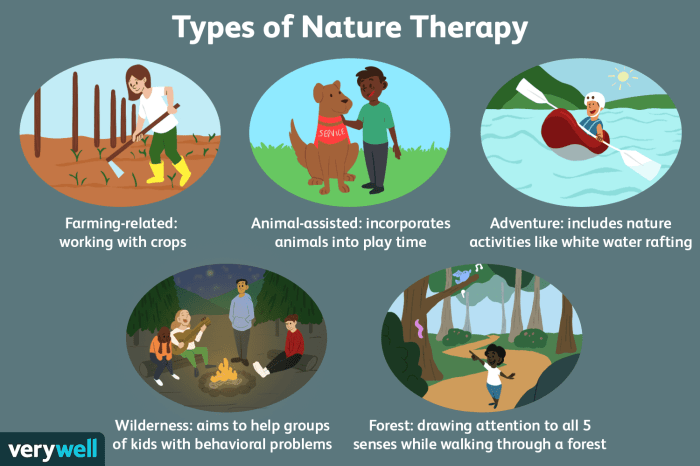
- Forest bathing, or shinrin-yoku, involves immersing oneself in the sights, sounds, and smells of the forest to promote relaxation and reduce stress.
- Gardening allows individuals to connect with the earth, engage in physical activity, and experience the therapeutic benefits of nurturing living plants.
- Hiking or walking in natural settings can help clear the mind, increase mindfulness, and provide a sense of accomplishment.
Benefits of Nature Therapy in Mental Health Practices
- Nature therapy can serve as a complementary approach to traditional mental health treatments, enhancing the overall effectiveness of therapy.
- Being in nature can boost mood, increase energy levels, and improve cognitive function, leading to better emotional regulation and resilience.
- Studies have shown that exposure to natural environments can reduce rumination, which is linked to the development and persistence of mental health issues.
Healthy Habits for Emotional Wellbeing
Emotional wellbeing is crucial for overall health and happiness. Incorporating daily habits that promote emotional health can have a significant impact on our well-being. By focusing on self-care routines and maintaining a healthy mindset, we can enhance our emotional resilience and coping mechanisms.
Regular Exercise
Regular physical activity has been proven to reduce symptoms of anxiety and depression. Exercise releases endorphins, also known as “feel-good” hormones, which can improve mood and overall emotional well-being. Whether it’s a brisk walk, yoga, or a workout session, incorporating exercise into your daily routine can have a positive impact on your emotional health.
Healthy Eating Habits
Nutrition plays a vital role in our emotional well-being. Consuming a balanced diet rich in fruits, vegetables, whole grains, and lean proteins can help regulate mood and energy levels. Avoiding excessive consumption of processed foods, sugar, and caffeine can also contribute to better emotional health.
Quality Sleep
Getting an adequate amount of quality sleep is essential for emotional well-being. Lack of sleep can lead to irritability, mood swings, and difficulty concentrating. Establishing a bedtime routine, creating a comfortable sleep environment, and prioritizing restful sleep can significantly impact your emotional health.
Mindfulness Practices
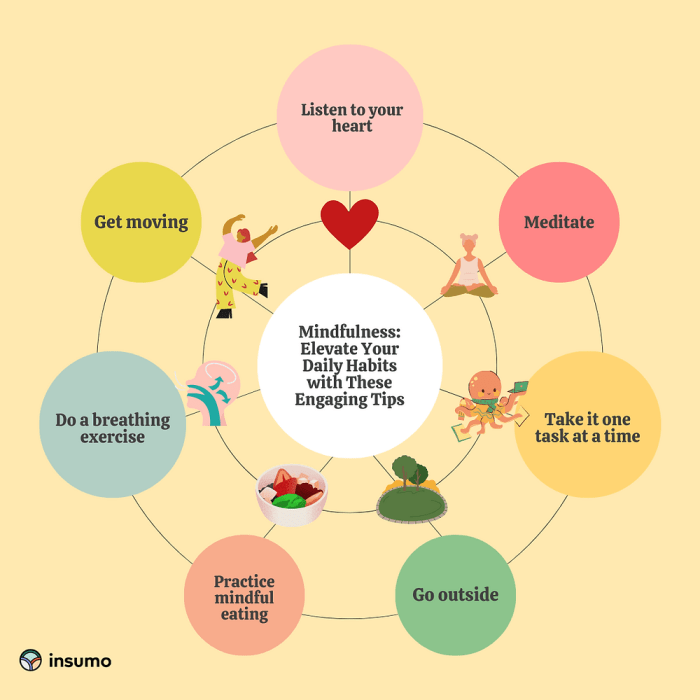
Practicing mindfulness techniques such as meditation, deep breathing exercises, or yoga can help reduce stress and improve emotional regulation. Mindfulness allows us to be present in the moment, acknowledge our emotions without judgment, and cultivate a sense of inner peace and calm.
Healthy Social Connections
Maintaining healthy relationships and social connections is vital for emotional well-being. Surrounding yourself with supportive friends and family members, engaging in meaningful conversations, and seeking social support when needed can positively impact your emotional health. Building a strong support system can provide comfort, encouragement, and a sense of belonging.
The Role of Nature Therapy in Healthy Aging
Engaging with nature plays a crucial role in promoting healthy aging by providing numerous physical, mental, and emotional benefits. The therapeutic effects of nature can support older adults in maintaining their overall well-being and quality of life as they age.
Nature-Based Activities for Older Adults
Nature-based activities offer a variety of benefits for older adults, including improved physical health, reduced stress levels, enhanced mood, and increased social connections. Some examples of nature therapy activities beneficial for older adults include:
- Taking leisurely walks in a nearby park or nature reserve
- Participating in gardening activities to stay active and connected to the environment
- Engaging in birdwatching or wildlife observation to promote mindfulness and relaxation
- Attending nature-based therapy sessions or outdoor yoga classes for holistic well-being
Contribution of Nature Therapy to Cognitive Function
Nature therapy has been shown to have a positive impact on maintaining cognitive function in aging individuals. Spending time in natural environments can help improve memory, attention span, and problem-solving skills. The sensory stimulation provided by nature, such as the sights, sounds, and scents of the outdoors, can enhance brain function and support cognitive health in older adults.
Promoting an Active Lifestyle through Nature Therapy
Nature therapy not only benefits emotional wellbeing but also encourages physical activity. Being in nature provides opportunities for movement and exercise, which are essential for maintaining a healthy and active lifestyle.
Nature Therapy Encourages Physical Activity
- Engaging in activities such as hiking, biking, or swimming in natural environments can help increase physical fitness levels.
- Exploring nature trails or participating in outdoor sports can promote cardiovascular health and improve muscle strength.
- Outdoor activities like gardening or birdwatching involve physical movements that contribute to overall well-being.
Link Between Outdoor Activities and Overall Health
- Studies have shown that spending time outdoors reduces stress levels and boosts mood, leading to increased motivation for physical activity.
- Exposure to natural sunlight helps regulate sleep patterns and enhances vitamin D production, which is essential for bone health.
- Fresh air and outdoor environments can improve respiratory health and immune function, reducing the risk of illnesses.
Tips for Incorporating Nature-Based Exercises into a Daily Routine
- Start by taking short walks in nearby parks or green spaces to gradually increase physical activity levels.
- Join outdoor fitness classes or yoga sessions held in natural settings to combine exercise with the benefits of nature therapy.
- Set goals for outdoor activities such as running a certain distance in a scenic route or practicing mindfulness in a peaceful natural setting.
Cardiovascular Health Benefits of Nature Therapy
Spending time in nature has been shown to have numerous benefits for cardiovascular health. The calming effect of nature can help reduce stress levels, lower blood pressure, and improve overall heart function.
Outdoor Activities for Heart Health
- Hiking: Walking in nature not only provides physical exercise but also reduces the risk of heart disease.
- Cycling: Riding a bike through scenic routes can improve cardiovascular endurance and strengthen the heart.
- Kayaking: Engaging in water activities like kayaking can help boost heart health and overall fitness.
Reducing the Risk of Heart Disease
Studies have shown that regular exposure to nature can lower the risk of developing heart disease by up to 30%.
Outdoor activities that promote physical movement and relaxation in natural settings can contribute to a healthier heart and reduce the likelihood of cardiovascular issues in the future.
Healthy Recipes Inspired by Nature
Exploring nutritious recipes using ingredients found in nature can not only benefit our physical health but also contribute to our emotional wellbeing. Consuming whole foods has been linked to a positive impact on mental health, making it essential to incorporate such ingredients into our meals for overall wellness.
Fruit and Nut Breakfast Bowl
Start your day with a refreshing and nourishing fruit and nut breakfast bowl that is packed with vitamins, minerals, and fiber. This simple yet delicious recipe can help boost your mood and energy levels throughout the day.
- Ingredients:
– Mixed berries (strawberries, blueberries, raspberries)
– Greek yogurt
– Mixed nuts (almonds, walnuts, cashews)
– Honey or maple syrup
- Instructions:
- Start by layering the Greek yogurt at the bottom of a bowl.
- Add a generous amount of mixed berries on top of the yogurt.
- Sprinkle the mixed nuts over the berries.
- Drizzle honey or maple syrup for a touch of sweetness.
- Enjoy your fruit and nut breakfast bowl!
Herb-Roasted Vegetable Medley
Indulge in a colorful and flavorful herb-roasted vegetable medley that not only satisfies your taste buds but also provides a wealth of nutrients for your body and mind. This dish is a perfect balance of taste and health benefits.
- Ingredients:
– Assorted vegetables (bell peppers, zucchini, cherry tomatoes, red onion)
– Olive oil
– Fresh herbs (rosemary, thyme, parsley)
– Salt and pepper
- Instructions:
- Preheat the oven and prepare a baking sheet lined with parchment paper.
- Cut the assorted vegetables into bite-sized pieces and place them on the baking sheet.
- Drizzle olive oil over the vegetables and sprinkle fresh herbs, salt, and pepper.
- Toss the vegetables to ensure even coating of oil and seasonings.
- Roast in the oven until the vegetables are tender and slightly browned.
- Serve the herb-roasted vegetable medley as a side dish or a main course.
Building Mental Resilience through Nature Therapy
Nature therapy plays a crucial role in helping individuals develop mental resilience by providing a calming and rejuvenating environment that promotes emotional well-being. The connection between nature and mental health has been well-established, with natural surroundings offering a sense of peace and tranquility that can aid in coping with life’s challenges.
Natural Coping Mechanisms
- Spending time in nature can help individuals gain perspective on their problems and reduce feelings of stress and anxiety.
- Engaging in activities like hiking, gardening, or simply sitting in a natural setting can promote relaxation and mindfulness, leading to improved mental resilience.
- Observing the beauty of nature, such as watching a sunrise or listening to the sounds of a forest, can evoke positive emotions and inspire hope, strengthening one’s ability to overcome adversity.
Impact on Stress Management and Resilience
Research has shown that exposure to natural environments can lower cortisol levels, the hormone associated with stress, leading to improved stress management and increased resilience. Being surrounded by green spaces or bodies of water has been linked to reduced feelings of anxiety and depression, enhancing mental well-being.
Immune Support from Nature Therapy
Exposure to nature has been shown to have a positive impact on immune health. Spending time in natural environments can help boost the immune system and improve overall wellbeing. The following are examples of how natural elements can support immune health:
1. Fresh Air, Emotional wellbeing and the benefits of nature therapy
Fresh air in natural settings is free from pollutants commonly found in urban areas, which can help reduce the risk of respiratory infections and strengthen the immune system.
2. Vitamin D from Sunlight
Sunlight is a natural source of vitamin D, which plays a crucial role in supporting immune function. Spending time outdoors and soaking up some sunlight can help maintain optimal levels of vitamin D in the body.
3. Phytoncides from Trees
Phytoncides are natural chemicals emitted by trees and plants that have been found to boost the immune system. Breathing in phytoncides while in a forested area can help enhance immune function.
A healthy immune system is essential for emotional wellbeing as it helps protect the body against illnesses and infections, reducing the physical stress that can impact mental health. By incorporating nature therapy into daily routines, individuals can support their immune system and promote overall emotional wellbeing.
Stress Relief Techniques in Nature Therapy
Nature therapy offers a powerful antidote to the stresses of modern life, providing a calming and rejuvenating environment for those seeking relief. Here, we explore various stress relief techniques that can be incorporated into nature therapy sessions.
Mindfulness Practices in Natural Settings
- Practice deep breathing exercises while surrounded by the sights and sounds of nature.
- Engage in mindful walking, focusing on each step and the sensations in your body as you move through a natural setting.
- Sit quietly and observe the natural world around you, allowing yourself to be fully present in the moment.
Calming Effects of Nature on Stress and Anxiety
Research has shown that spending time in nature can significantly reduce levels of cortisol, the stress hormone, leading to a sense of calm and relaxation.
Being in nature can help lower heart rate, blood pressure, and muscle tension, all of which contribute to reducing stress and anxiety.
Creating a Peaceful Outdoor Space for Relaxation
- Choose a quiet and serene natural setting, such as a forest, beach, or park, to create your outdoor relaxation space.
- Add comfortable seating, such as a blanket or chair, to enhance your comfort and relaxation experience.
- Bring along soothing elements like a book, journal, or meditation app to help you unwind and destress in nature.
Achieving Nutritional Balance through Nature
Nature-based foods play a crucial role in maintaining a balanced diet that supports overall health and well-being. These foods are rich in essential nutrients, vitamins, and minerals that our bodies need to function optimally. Let’s explore how incorporating natural, unprocessed foods and seasonal produce can help achieve nutritional balance.
Benefits of a Diet Rich in Natural, Unprocessed Foods
Eating natural, unprocessed foods such as fruits, vegetables, whole grains, nuts, and seeds can provide a wide range of health benefits. These foods are packed with nutrients like fiber, antioxidants, and phytochemicals that help reduce inflammation, support digestion, and boost immune function. By incorporating more natural foods into your diet, you can improve your overall health and well-being.
Incorporating Seasonal Produce for Optimal Nutrition
Eating seasonal produce is not only better for the environment but also for your health. Seasonal fruits and vegetables are harvested at peak ripeness, meaning they are packed with flavor and nutrients. By choosing seasonal produce, you can ensure that you are getting the freshest and most nutritious foods available. Additionally, seasonal eating can help you diversify your diet and enjoy a variety of flavors throughout the year.
Detailed FAQs: Emotional Wellbeing And The Benefits Of Nature Therapy
How does nature therapy impact emotional wellbeing?
Nature therapy promotes relaxation, reduces stress, and improves mood, leading to enhanced emotional health.
What are some examples of activities in nature that promote emotional wellness?
Activities like hiking, gardening, or simply spending time in a park can boost emotional wellbeing by connecting individuals with nature.
How does nature therapy contribute to healthy aging?
Engaging with nature can support cognitive function, physical health, and overall wellness in older adults, promoting healthy aging.
What are some outdoor activities that benefit cardiovascular health?
Outdoor activities such as walking, cycling, or swimming can improve heart health and reduce the risk of cardiovascular diseases.
How can nature therapy help in building mental resilience?
Nature therapy provides coping mechanisms, stress relief, and a sense of calm that contribute to developing mental resilience in individuals facing challenges.