Healthy Habits
Maintaining healthy habits is crucial for college students to build mental resilience and overall well-being. By incorporating daily routines that prioritize mental health, students can better manage stress and academic pressures.
Regular Sleep Schedule
Mental resilience strategies for college students – One of the most important healthy habits for college students is maintaining a regular sleep schedule. Adequate sleep is essential for cognitive function, mood regulation, and overall health. By establishing a consistent bedtime and wake-up time, students can improve their focus, memory, and mental resilience.
Physical Activity
Incorporating physical activity into a busy college student’s routine can significantly benefit mental health. Exercise has been shown to reduce anxiety, improve mood, and enhance cognitive function. Students can try activities like walking, yoga, or dancing to boost their mental resilience amidst academic challenges.
Mindfulness Practices
Engaging in mindfulness practices such as meditation or deep breathing exercises can help college students build mental resilience. These practices promote relaxation, reduce stress levels, and enhance self-awareness. By taking time to center themselves and focus on the present moment, students can better cope with academic pressures and maintain a positive mindset.
Emotional Wellbeing
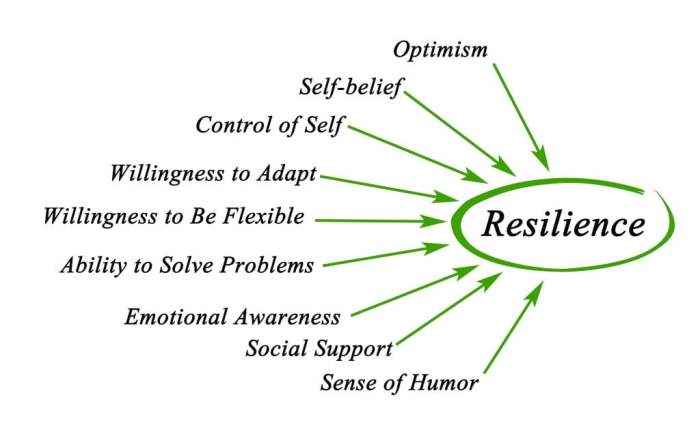
Emotional wellbeing plays a crucial role in the overall mental resilience of college students. It involves the ability to understand and manage one’s emotions effectively, which is essential for coping with the challenges of academic life.
Strategies for Managing Emotions Effectively
- Practice mindfulness and relaxation techniques such as deep breathing exercises or meditation to reduce stress and anxiety.
- Express your emotions through journaling, talking to a trusted friend or counselor, or engaging in creative activities like painting or playing music.
- Set boundaries and prioritize self-care to avoid burnout and overwhelm.
- Engage in physical activities like exercise or yoga to release pent-up emotions and boost mood.
Role of Social Support Systems
Social support systems, including friends, family, and mental health professionals, play a vital role in promoting emotional wellbeing and resilience among college students. Having a strong support network can provide comfort, guidance, and encouragement during challenging times.
Activities for Boosting Emotional Health
- Join a club or organization that aligns with your interests to meet like-minded individuals and foster a sense of belonging.
- Volunteer for a cause you are passionate about to experience the joy of giving back to the community.
- Spend time in nature, practice gratitude, and engage in activities that bring you joy and fulfillment.
- Attend social events, workshops, or seminars to expand your social circle and learn new skills that can enhance your emotional wellbeing.
Healthy Aging
Developing mental resilience during college years can have long-lasting effects on our overall health and well-being as we age. The ability to effectively manage stress and maintain a positive mindset can significantly impact how we age and the quality of our later years.
Impact of Stress Management
Stress management plays a crucial role in the aging process. Chronic stress can have negative effects on our physical and mental health, accelerating the aging process and increasing the risk of age-related diseases. College students can incorporate stress relief techniques such as mindfulness, exercise, deep breathing exercises, and time management to better cope with stress and promote healthy aging.
Developing a Positive Mindset
Maintaining a positive outlook on life can contribute to healthy aging. Positive thinking has been linked to better physical health, improved mental well-being, and increased longevity. College students can cultivate a positive mindset by practicing gratitude, engaging in activities they enjoy, setting realistic goals, and surrounding themselves with supportive and positive influences.
Healthy Lifestyle Choices
Making healthy lifestyle choices is essential for promoting longevity and resilience as we age. College students can adopt habits such as eating a balanced diet, staying physically active, getting enough sleep, staying hydrated, and avoiding harmful substances like tobacco and excessive alcohol consumption. These lifestyle choices not only support healthy aging but also contribute to overall well-being and quality of life.
Active Lifestyle
Maintaining an active lifestyle plays a crucial role in enhancing mental resilience among college students. Physical activity has been linked to improved mood, reduced stress levels, and increased cognitive function, all of which contribute to better overall mental well-being.
Incorporating Physical Activity into Daily Routine
Incorporating physical activity into a daily routine doesn’t have to be time-consuming or strenuous. Simple activities like walking, biking, or taking the stairs instead of the elevator can make a significant difference. Setting aside dedicated time for exercise, whether it’s a workout at the gym or a yoga session at home, can also help boost mental health.
Beneficial Exercises for Boosting Resilience
– Aerobic exercises like running, swimming, or dancing can help release endorphins and reduce stress.
– Strength training exercises can improve overall physical health and increase self-confidence.
– Mind-body exercises like yoga or tai chi can promote relaxation and mindfulness, enhancing resilience to stressors.
Connection Between Physical Health and Mental Well-being
Physical health and mental well-being are closely intertwined, especially in the context of an active lifestyle. Regular physical activity can improve cardiovascular health, increase energy levels, and enhance sleep quality, all of which are essential for maintaining optimal mental resilience. By prioritizing exercise and movement, college students can better cope with academic pressures and navigate the challenges of university life more effectively.
Cardiovascular Health
Mental resilience plays a crucial role in determining the overall health of college students, including their cardiovascular health. The ability to cope with stress and bounce back from challenges can have a direct impact on the well-being of the heart and circulatory system.
Importance of Stress Management, Mental resilience strategies for college students
Stress is known to have detrimental effects on the cardiovascular system, increasing the risk of heart disease and other related conditions. By effectively managing stress through mental resilience strategies, college students can reduce the strain on their hearts and maintain a healthier circulatory system.
- Practice relaxation techniques such as deep breathing, meditation, or yoga to lower stress levels.
- Engage in regular physical activity to release tension and improve overall cardiovascular fitness.
- Establish a healthy work-life balance to prevent burnout and excessive stress.
- Seek social support from friends, family, or counselors to help cope with academic pressures.
Positive Influence of Resilient Mindset
A resilient mindset can positively influence cardiovascular health by promoting adaptive coping strategies and reducing the impact of stress on the body. College students with a resilient outlook are better equipped to face challenges, manage setbacks, and maintain a healthy heart through effective stress management techniques.
By cultivating mental resilience, college students can safeguard their cardiovascular health and enhance their overall well-being.
Healthy Recipes
When it comes to supporting mental resilience and overall well-being in college students, nutritious recipes play a crucial role. A balanced diet not only promotes brain health but also enhances resilience, making it easier to cope with the demands of academic life.
Balanced Diet for Brain Health
Eating a variety of nutrient-rich foods is essential for maintaining brain health and resilience. Include foods high in omega-3 fatty acids, antioxidants, vitamins, and minerals in your diet to support cognitive function and emotional well-being.
- Salmon: Rich in omega-3 fatty acids, salmon can help reduce inflammation in the brain and support overall cognitive function.
- Blueberries: Packed with antioxidants, blueberries can protect the brain from oxidative stress and improve memory and learning.
- Leafy greens: Spinach, kale, and other leafy greens are high in vitamins and minerals that support brain health and enhance mood regulation.
- Whole grains: Foods like quinoa, brown rice, and oats provide a steady source of energy for the brain and help maintain focus and concentration.
Meal Planning Tips for Busy Schedules
For college students with hectic schedules, planning and preparing healthy meals in advance can make a significant difference in maintaining a nutritious diet. Here are some tips to help you stay on track:
- Set aside time each week to plan your meals and snacks.
- Prepare ingredients in bulk to save time during the week.
- Invest in meal prep containers to portion out meals ahead of time.
- Opt for simple recipes that can be easily prepared in batches.
Food Choices and Mood Regulation
The food choices you make can impact your mood and emotional well-being, influencing your ability to cope with stress and maintain mental resilience. By incorporating mood-boosting foods into your diet, you can support your mental health and well-being:
- Dark chocolate: Rich in antioxidants and flavonoids, dark chocolate can help reduce stress and improve mood.
- Walnuts: Packed with omega-3 fatty acids, walnuts can enhance brain function and support mood regulation.
- Turmeric: Known for its anti-inflammatory properties, turmeric can help reduce symptoms of depression and anxiety.
- Probiotic-rich foods: Foods like yogurt, kefir, and sauerkraut can support gut health, which is closely linked to mood and mental resilience.
Mental Resilience
Mental resilience for college students is the ability to adapt and bounce back from challenges, setbacks, and stressors that are common during the college experience. It involves developing coping mechanisms, maintaining a positive mindset, and staying focused on goals despite obstacles.
Strategies for Developing Mental Resilience
Building and strengthening mental resilience skills is crucial for college students to thrive in the face of academic pressure and personal challenges. Here are some strategies to help develop mental resilience:
- Practice mindfulness and self-awareness to manage stress and emotions effectively.
- Set realistic goals and break them down into manageable tasks to avoid feeling overwhelmed.
- Cultivate a strong support system of friends, family, or mental health professionals to lean on during tough times.
- Engage in regular physical activity to reduce stress and improve overall well-being.
- Develop problem-solving skills to tackle challenges with a proactive approach.
Importance of Self-Care Practices
Self-care practices play a vital role in building mental resilience by promoting overall well-being and stress management. Prioritizing self-care allows students to recharge, refocus, and maintain a healthy balance between academic responsibilities and personal life.
Coping Mechanisms for College Students
College students can benefit from various coping mechanisms to navigate challenges and setbacks effectively. Some examples include:
- Practicing deep breathing exercises or meditation to calm the mind and reduce anxiety.
- Maintaining a healthy lifestyle through proper nutrition, regular sleep, and exercise.
- Seeking professional help or counseling when needed to address mental health concerns.
- Engaging in hobbies or activities that bring joy and relaxation to alleviate stress.
- Creating a routine or schedule to stay organized and manage time efficiently.
Immune Support
Mental resilience plays a crucial role in influencing the immune system of college students. The ability to cope with stress and bounce back from challenges can have a direct impact on immune function. Here, we will explore the connection between stress levels, immune function, and how to support the immune system through resilience.
Connection between Stress Levels and Immune Function
Chronic stress can weaken the immune system, making individuals more susceptible to infections and illnesses. High levels of stress hormones like cortisol can suppress the immune response, leading to a compromised defense mechanism against pathogens. By building mental resilience, students can better manage stress and reduce its negative impact on their immune system.
Tips for Maintaining a Healthy Immune System
- Get an adequate amount of sleep to allow your body to repair and regenerate.
- Follow a balanced diet rich in fruits, vegetables, and whole grains to provide essential nutrients for immune function.
- Engage in regular physical activity to boost circulation and support immune cells.
- Practice relaxation techniques such as deep breathing, meditation, or yoga to reduce stress levels.
- Stay hydrated and limit the consumption of alcohol and tobacco to support a healthy immune response.
Mind-Body Connection in Relation to Immune Support and Mental Resilience
The mind-body connection emphasizes the interrelationship between mental and physical well-being. Positive thoughts, emotions, and coping strategies can enhance immune function and overall health. By fostering mental resilience, college students can strengthen their immune system and better protect themselves against illnesses. Remember, a healthy mind contributes to a healthy body.
Stress Relief: Mental Resilience Strategies For College Students
Stress relief is crucial for college students to maintain mental resilience and overall well-being. By incorporating effective techniques into their daily routine, students can better manage stress and improve their mental clarity.
Benefits of Relaxation Practices
Relaxation practices such as yoga and aromatherapy have been shown to significantly reduce stress levels in individuals. Yoga combines physical postures, breathing exercises, and meditation to promote relaxation and reduce anxiety. Aromatherapy, on the other hand, uses essential oils to stimulate the senses and induce feelings of calmness and relaxation.
Tips on Time Management and Prioritization
- Creating a daily or weekly schedule to allocate time for studying, social activities, and self-care can help students manage their time effectively and reduce stress.
- Setting realistic goals and priorities can prevent overwhelming stress by breaking tasks into smaller, manageable steps.
- Learning to say no to additional commitments and setting boundaries can help students avoid taking on too much and feeling stressed.
Relationship between Stress Relief and Mental Clarity
Reducing stress through relaxation techniques and effective time management can lead to improved mental clarity and cognitive function. When stress levels are kept in check, students can think more clearly, make better decisions, and focus on their academic and personal goals with greater resilience.
Nutritional Balance
Maintaining a balanced diet is crucial for supporting mental resilience in college students. A diet rich in essential nutrients can help improve brain function, cognitive abilities, and overall well-being, especially during stressful periods like exams or deadlines.
Key Nutrients for Brain Health
- Omega-3 fatty acids: Found in fish, flaxseeds, and walnuts, omega-3s play a vital role in brain health and can help reduce inflammation and improve mood.
- Antioxidants: Foods rich in antioxidants, such as berries, dark chocolate, and green leafy vegetables, can help protect brain cells from damage caused by stress.
- B vitamins: B vitamins, including B6, B12, and folate, are essential for neurotransmitter function and can help support mental clarity and focus.
Tips for Maintaining Nutritional Balance During Stressful Periods
- Plan ahead: Prepare healthy snacks and meals in advance to avoid relying on fast food or unhealthy options during busy times.
- Stay hydrated: Drink plenty of water throughout the day to maintain optimal cognitive function and support overall well-being.
- Avoid excessive caffeine and sugar: While tempting during high-stress periods, excessive caffeine and sugar intake can lead to energy crashes and negatively impact mental clarity.
Impact of Hydration and Nutrition on Cognitive Function
Proper hydration and nutrition play a significant role in cognitive function and mental well-being. Dehydration can lead to fatigue, poor concentration, and decreased cognitive performance, while a diet lacking essential nutrients can impair brain function and resilience. By prioritizing hydration and consuming a well-rounded diet, college students can better support their mental health and academic success.
Question & Answer Hub
How can I maintain a regular sleep schedule as a college student?
Establish a bedtime routine, limit caffeine intake, and create a sleep-conducive environment to promote quality rest.
What are some effective stress relief techniques for college students?
Practicing mindfulness, engaging in physical activity, and seeking social support are great ways to alleviate stress.
How does emotional well-being contribute to mental resilience?
Emotional well-being fosters a positive mindset and coping mechanisms that enhance one’s ability to bounce back from challenges.