Best tips for maintaining an active lifestyle while balancing work and family can feel like an impossible feat. Between demanding jobs, family commitments, and the ever-present lure of the couch, finding time for exercise can seem like a luxury. But it doesn’t have to be.
With a little planning and a commitment to making your health a priority, you can create a lifestyle that supports both your physical and mental wellbeing.
This guide will explore practical strategies to integrate physical activity into your daily routine without sacrificing your work or family life. We’ll delve into time management techniques, family-friendly fitness ideas, technology tools, and healthy habits that make it easier to stay active while juggling multiple responsibilities.
Prioritizing Time for Activity
Maintaining an active lifestyle is crucial for overall well-being, but fitting exercise into a busy schedule can be challenging. Finding ways to prioritize physical activity is key to achieving a healthy balance between work, family, and personal well-being.
Scheduling Physical Activity
Integrating exercise into your daily routine requires planning and commitment. The following strategies can help you make time for physical activity, even with a busy schedule:
- Block out time in your calendar.Treat exercise appointments as non-negotiable. Schedule them in advance, just like you would any other important commitment.
- Find a workout buddy.Having a workout partner can increase accountability and motivation. Choose someone with similar fitness goals and schedule regular workout sessions together.
- Take advantage of small windows of time.Even 10-15 minutes of exercise can make a difference. Use these short bursts of time for quick workouts, such as a brisk walk, a set of bodyweight exercises, or a short yoga session.
- Incorporate movement into your daily routine.Walk or bike to work or errands whenever possible. Take the stairs instead of the elevator. Get up and move around every hour while working at your desk.
Making Exercise Non-Negotiable
For many people, the biggest obstacle to regular exercise is a lack of motivation. The following tips can help you make exercise a non-negotiable part of your daily routine:
- Set realistic goals.Start with small, achievable goals and gradually increase the intensity and duration of your workouts. This will help you stay motivated and prevent burnout.
- Find activities you enjoy.If you don’t enjoy your workouts, you’re less likely to stick with them. Experiment with different activities until you find something you look forward to doing.
- Make exercise a habit.The more you exercise, the easier it will become to make it a regular part of your routine. Try to work out at the same time each day or week, and gradually increase the frequency of your workouts.
- Reward yourself.Give yourself a small reward after completing a workout. This will help you stay motivated and associate exercise with positive feelings.
Incorporating Movement into Everyday Tasks
There are many ways to incorporate movement into your daily routine without having to set aside dedicated time for exercise. Here are some ideas:
- Walk or bike to work or errands.If you live close enough, walking or biking to work or errands is a great way to get some exercise. You can also park a little further away from your destination and walk the rest of the way.
- Take the stairs instead of the elevator.This is a simple way to add a little extra activity into your day. Even taking the stairs a few times a week can make a difference.
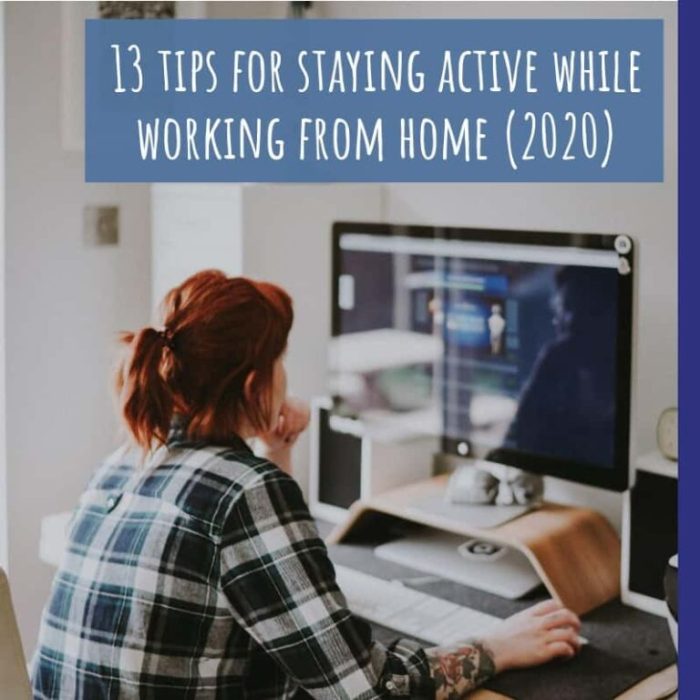
- Get up and move around every hour while working at your desk.Sitting for long periods can be harmful to your health. Set a timer to remind yourself to get up and move around every hour. Take a short walk, do some stretches, or even just stand up and move around for a few minutes.
- Incorporate movement into your chores.Instead of using a vacuum cleaner, try sweeping or mopping. Instead of using a riding lawnmower, try mowing the lawn with a push mower. These are all great ways to get some extra exercise while getting your chores done.
Finding Supportive Family Involvement
Incorporating family members into your active lifestyle can be a fantastic way to make fitness fun, foster bonding, and ensure everyone benefits from a healthier lifestyle. It’s about creating shared experiences that encourage movement and create positive habits for the whole family.
Involving Family Members in Physical Activities
You can make physical activity a family affair by creating opportunities for everyone to participate. It’s important to find activities that cater to different ages and abilities, ensuring everyone feels included and motivated.
- Plan Family Fitness Days:Dedicate specific days or times for family activities like hiking, biking, swimming, or playing sports. This creates a structured routine that promotes active choices.
- Incorporate Movement into Everyday Activities:Make exercise a part of your daily routine. Walk or bike to the park, take the stairs instead of the elevator, or have a dance party in the living room.
- Make Chores Active:Turn household chores into opportunities for exercise. Have a dance-off while cleaning, or make a game out of yard work.
- Seek Out Family-Friendly Classes:Enroll in family yoga classes, dance lessons, or martial arts programs. These classes provide structured activities that are fun and engaging for everyone.
Examples of Family-Friendly Workouts or Activities
There are numerous ways to engage the whole family in active pursuits.
- Active Video Games:Games like Just Dance, Wii Fit, or Ring Fit Adventure can turn screen time into an interactive workout experience.
- Outdoor Adventures:Hiking, camping, kayaking, or exploring nature trails offer a combination of physical activity and quality time together.
- Team Sports:Family-friendly sports like soccer, basketball, or volleyball can promote teamwork, healthy competition, and physical activity.
- Water Activities:Swimming, water aerobics, or simply splashing around in the pool are excellent ways to stay active and cool off during warmer months.
Making Exercise a Fun Family Bonding Experience, Best tips for maintaining an active lifestyle while balancing work and family
The key to making exercise a family affair is to create a positive and enjoyable experience.
- Focus on Fun, Not Fitness:Emphasize the enjoyment of spending time together rather than solely focusing on achieving specific fitness goals.
- Celebrate Small Victories:Acknowledge and celebrate everyone’s efforts, regardless of their skill level or progress.
- Be Patient and Flexible:Understand that everyone has different abilities and preferences. Allow for adjustments and variations to accommodate individual needs.
- Set Realistic Goals:Start with small, achievable goals that everyone can contribute to. As you progress, gradually increase the intensity or duration of activities.
- Make it a Social Event:Turn exercise into a social event by inviting friends or family members to join in.
Harnessing Technology for Efficiency
In today’s digital age, technology can be a powerful ally in maintaining an active lifestyle while juggling work and family responsibilities. From fitness apps to online communities, there are numerous resources available to help you streamline your fitness routine and stay motivated.
Using Technology to Manage Time
Technology can be instrumental in managing your time effectively, ensuring you carve out dedicated slots for exercise.
- Fitness Apps:Many fitness apps, such as MyFitnessPal, FitBit, and Nike Training Club, offer features like scheduling workouts, setting reminders, and tracking progress. These apps can help you plan your exercise sessions in advance, integrating them seamlessly into your busy schedule.
- Online Calendar:Using an online calendar like Google Calendar, you can schedule your workouts as non-negotiable appointments. This helps you visualize your commitments and prioritize exercise alongside work and family obligations.
- Smartwatches and Fitness Trackers:Devices like smartwatches and fitness trackers provide real-time data on your activity levels, heart rate, and sleep patterns. This information can help you identify patterns and make adjustments to your routine to optimize your fitness goals.
Tracking Progress and Staying Motivated
Technology can be a valuable tool for tracking your progress and staying motivated on your fitness journey.
- Progress Tracking:Fitness apps and online platforms allow you to track your workouts, monitor your weight, and measure your improvements over time. This data can be incredibly motivating, providing a tangible record of your achievements and helping you stay on track.
- Personalized Recommendations:Many fitness apps use algorithms to provide personalized recommendations for workouts, nutrition plans, and training programs. This customized approach can enhance your motivation by tailoring your fitness journey to your specific needs and goals.
- Social Support:Fitness apps often include social features that allow you to connect with friends and family, share your progress, and participate in virtual challenges. This social aspect can foster accountability and provide encouragement from a supportive community.
Finding Workout Buddies and Support Groups
Technology can help you connect with like-minded individuals, making your fitness journey more enjoyable and sustainable.
- Online Communities:Join online fitness communities, forums, and social media groups dedicated to specific activities or fitness goals. These platforms offer a space to share experiences, exchange tips, and find workout buddies.
- Virtual Fitness Classes:Participate in virtual fitness classes offered by studios, gyms, or fitness apps. These classes provide structured workouts, guidance from instructors, and a sense of community even when you’re exercising at home.
- Fitness Apps with Social Features:Some fitness apps allow you to connect with friends and family, challenge each other, and track each other’s progress. These social features can enhance your motivation and provide a sense of accountability.
Embracing Healthy Habits
Maintaining an active lifestyle goes beyond just exercise. It involves adopting healthy habits that nourish your body and mind, setting you up for success in both your personal and professional life. These habits act as a foundation, supporting your energy levels and overall well-being, enabling you to navigate the demands of work and family with greater ease.
Preparing Healthy Meals and Snacks
Preparing healthy meals and snacks in advance can be a game-changer for busy individuals. It helps you avoid impulsive choices and ensures you have nutritious options readily available.
- Plan your meals:Dedicate a few hours each week to plan your meals and snacks for the upcoming days. This helps you make informed choices and avoid last-minute unhealthy temptations.
- Batch cooking:Cook large portions of healthy meals on the weekend to enjoy throughout the week. This saves time and ensures you have nutritious meals ready to go.
- Prepare grab-and-go snacks:Pack healthy snacks like fruits, vegetables, nuts, and yogurt to keep hunger at bay and avoid unhealthy cravings.
Prioritizing Sleep and Managing Stress
Adequate sleep and effective stress management are essential for maintaining a healthy lifestyle. These two factors significantly impact your energy levels, mood, and overall well-being.
- Establish a consistent sleep schedule:Aim for 7-9 hours of sleep per night, going to bed and waking up at roughly the same time each day, even on weekends. This helps regulate your body’s natural sleep-wake cycle.
- Create a relaxing bedtime routine:Wind down an hour before bed by engaging in calming activities such as reading, taking a warm bath, or listening to soothing music.
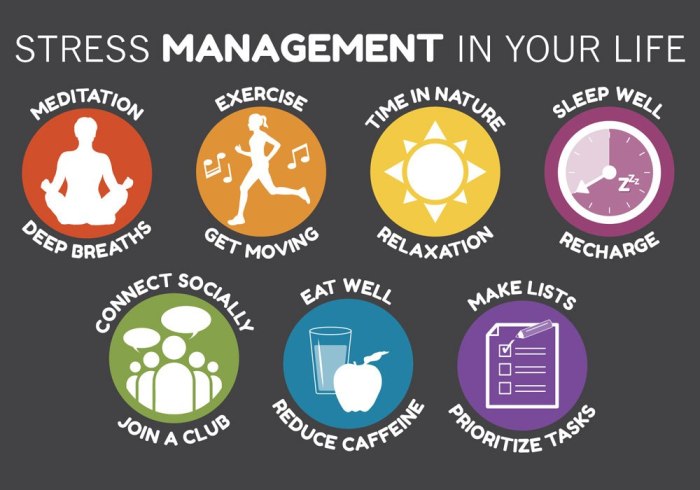
- Manage stress through relaxation techniques:Incorporate stress-reducing activities like meditation, yoga, deep breathing exercises, or spending time in nature. These techniques help calm your mind and body.
Staying Hydrated Throughout the Day
Staying hydrated is crucial for maintaining optimal energy levels, cognitive function, and overall health.
“Water makes up about 55% to 78% of our body weight and is essential for many bodily functions, including regulating body temperature, transporting nutrients, and flushing out waste products.”
- Carry a reusable water bottle:Keep a water bottle with you at all times and refill it throughout the day to ensure you stay hydrated.
- Drink water before, during, and after exercise:Replenish fluids lost during physical activity to prevent dehydration.
- Choose water over sugary drinks:Opt for water instead of soda, juice, or other sugary beverages, which can contribute to weight gain and other health problems.
Seeking Professional Guidance
Sometimes, seeking professional guidance can be the key to unlocking a successful and sustainable active lifestyle. A personal trainer, nutritionist, or healthcare provider can offer personalized support and expertise to help you achieve your fitness goals while balancing work and family responsibilities.
Benefits of Consulting a Professional
Consulting a professional can provide numerous benefits. They can offer personalized advice, help you set realistic goals, and provide accountability to keep you motivated.
- Personalized Guidance:A professional can tailor their advice to your specific needs, fitness level, and goals. They can create a customized workout plan, nutrition plan, and recovery strategies that align with your lifestyle and preferences. This personalized approach maximizes results and minimizes the risk of injury.
- Accountability and Motivation:Having a professional in your corner can provide the accountability you need to stay on track. They can help you stay motivated, overcome challenges, and celebrate your successes along the way. Regular check-ins and progress assessments ensure you’re making steady progress toward your goals.
- Injury Prevention:Professionals are trained to identify potential risks and ensure your workout routines are safe and effective. They can teach you proper form, technique, and injury prevention strategies, minimizing the risk of setbacks and ensuring you can enjoy your active lifestyle for the long haul.
- Long-Term Sustainability:A professional can help you develop healthy habits that are sustainable in the long term. They can teach you about nutrition, fitness, and recovery strategies that can be incorporated into your daily routine, even when life gets busy. This approach helps you create a lifestyle that supports your overall well-being.
Finding a Qualified Professional
Finding a qualified professional who aligns with your goals and values is crucial.
- Seek Recommendations:Ask friends, family, or colleagues for recommendations. Word-of-mouth referrals can be a great way to find a trusted professional. You can also check online reviews and testimonials.
- Credentials and Experience:Look for professionals with relevant certifications and experience. For personal trainers, certifications such as Certified Personal Trainer (CPT) from the National Academy of Sports Medicine (NASM) or American Council on Exercise (ACE) are widely recognized. Nutritionists should be registered dietitians (RD) or licensed dietitian nutritionists (LDN).
- Consult with Several Professionals:Schedule consultations with several professionals before making a decision. This allows you to compare their approaches, personalities, and communication styles. Choose a professional you feel comfortable with and who understands your goals.
Personalized Fitness Plans from Healthcare Providers
Your healthcare provider can also play a vital role in creating a personalized fitness plan.
- Medical Evaluation:Before starting any new exercise program, it’s essential to get medical clearance from your doctor. They can assess your overall health and identify any underlying conditions that may require modifications to your fitness plan.
- Personalized Recommendations:Based on your medical history, your doctor can provide personalized recommendations for safe and effective exercise. They can also recommend resources, such as physical therapists or exercise specialists, who can provide further guidance.
- Collaboration:Your healthcare provider can collaborate with your personal trainer or nutritionist to ensure your fitness plan is aligned with your overall health goals. This integrated approach helps you achieve optimal results and manage any potential health concerns.
Understanding the Benefits of an Active Lifestyle
An active lifestyle, characterized by regular physical activity, offers a wealth of benefits that extend far beyond just physical health. It profoundly impacts mental well-being, emotional resilience, and overall quality of life. This section delves into the compelling reasons why incorporating physical activity into your daily routine is a wise investment in your health and happiness.
Physical Health Benefits
Regular exercise plays a vital role in maintaining optimal physical health. It strengthens muscles and bones, improves cardiovascular health, and helps regulate blood sugar levels. Here’s a closer look at the specific benefits:
- Enhanced Cardiovascular Health:Exercise strengthens the heart muscle, improves blood flow, and lowers blood pressure. This reduces the risk of heart disease, stroke, and other cardiovascular problems.
- Improved Muscle Strength and Bone Density:Resistance training and weight-bearing exercises build muscle mass and increase bone density, reducing the risk of osteoporosis and fractures.
- Better Blood Sugar Control:Exercise helps regulate blood sugar levels by improving insulin sensitivity. This is particularly important for individuals with diabetes or at risk of developing the condition.
- Weight Management:Physical activity burns calories, helping you maintain a healthy weight or lose weight if needed. This reduces the risk of obesity-related health problems, such as heart disease, type 2 diabetes, and certain types of cancer.
Mental Well-being and Emotional Resilience
Beyond its physical benefits, exercise significantly contributes to mental well-being and emotional resilience.
- Reduced Stress and Anxiety:Exercise releases endorphins, which have mood-boosting effects and help reduce stress and anxiety.
- Improved Sleep Quality:Regular physical activity promotes better sleep by regulating the body’s natural sleep-wake cycle.
- Enhanced Cognitive Function:Exercise has been shown to improve cognitive function, including memory, attention, and processing speed.
- Increased Self-Esteem and Confidence:Achieving fitness goals and feeling physically capable can boost self-esteem and confidence.
Disease Prevention
Numerous studies have established a strong link between regular exercise and disease prevention.
- Reduced Risk of Chronic Diseases:Exercise lowers the risk of developing chronic diseases such as heart disease, stroke, type 2 diabetes, and some types of cancer.
- Improved Immune Function:Exercise strengthens the immune system, making you less susceptible to infections and illnesses.
- Longer Life Expectancy:Studies consistently show that physically active individuals have a longer life expectancy than those who are sedentary.
Adapting to Different Seasons and Weather
Staying active year-round requires adjusting to varying weather conditions. While summer may offer ideal conditions for outdoor workouts, winter’s cold and snow can make it challenging. However, maintaining an active lifestyle throughout the year is achievable with proper planning and adaptation.
Adapting Workout Routines to Seasonal Changes
Adjusting your workout routine based on the season can enhance safety and effectiveness.
- Summer: During hot weather, consider shifting outdoor workouts to early morning or evening hours when temperatures are cooler. Stay hydrated by drinking plenty of water before, during, and after your workout. Wear lightweight, breathable clothing and choose activities that allow for air circulation.
- Winter: In colder months, layer clothing to stay warm, starting with a base layer that wicks away moisture. Avoid overheating by removing layers as you warm up. Consider indoor workouts or activities like swimming, which can provide a good cardiovascular workout while staying warm.
- Spring and Fall: These transitional seasons offer a mix of weather conditions. Be prepared for changes in temperature and adjust your clothing accordingly.
Indoor Workouts for Limited Outdoor Options
When outdoor activities are limited due to weather conditions, indoor workouts offer an excellent alternative.
- Home Workouts: Numerous online resources and fitness apps provide structured home workouts requiring minimal equipment. Bodyweight exercises like squats, lunges, and push-ups can be effective for building strength and endurance.
- Gym Membership: Joining a gym provides access to a wider range of equipment and classes, offering opportunities for strength training, cardio, and group fitness.
- Indoor Activities: Consider indoor activities like swimming, dancing, or yoga, which can provide a great workout and enjoyable experience.
Setting Realistic Goals and Celebrating Milestones
Setting achievable fitness goals is crucial for maintaining an active lifestyle while juggling work and family commitments. When you set realistic goals, you are more likely to stick with them and experience the positive impact of regular physical activity.
Tracking Progress and Celebrating Milestones
Tracking your progress is essential for staying motivated and recognizing your achievements. This helps you stay focused on your goals and celebrate your successes along the way.
- Use a fitness tracker or app to monitor your activity levels, calories burned, and other relevant metrics.
- Keep a journal to record your workouts, how you feel, and any challenges you encounter. This can provide valuable insights into your progress and help you identify areas for improvement.
- Set small, achievable milestones along the way to your larger goal. For example, if your goal is to run a 5K, you could set milestones like running for 30 minutes without stopping, increasing your distance by a quarter mile each week, or completing a 1-mile run.
- Celebrate each milestone, no matter how small, to reinforce positive behavior and boost your motivation. This could involve treating yourself to a healthy meal, buying new workout gear, or simply taking some time to acknowledge your accomplishments.
Staying Motivated and Avoiding Burnout
Maintaining motivation and avoiding burnout is essential for long-term fitness success. It is crucial to find ways to stay engaged and prevent discouragement.
- Find an activity you genuinely enjoy. If you don’t like running, don’t force yourself to do it. Explore different activities until you find something that excites you and makes you want to move.
- Vary your workouts to keep things interesting and prevent boredom. This could involve trying different types of exercise, exploring new trails, or working out with a friend.
- Set realistic expectations and avoid comparing yourself to others. Everyone progresses at their own pace. Focus on your own journey and celebrate your own achievements.
- Listen to your body and take rest days when needed. Overtraining can lead to injuries and burnout. It is important to give your body time to recover and rebuild.
- Find a workout buddy or join a fitness group to stay accountable and motivated. Having someone to exercise with can make it more enjoyable and help you stay on track.
The Importance of Rest and Recovery
Imagine pushing yourself to the limit during a workout, only to feel exhausted and sore the next day. This is a common experience for many individuals trying to maintain an active lifestyle. However, it’s important to remember that rest and recovery are not just about avoiding pain; they are crucial for optimal performance, injury prevention, and long-term health.
Incorporating Rest Days
Rest days are essential for allowing your body to repair and rebuild muscle tissue, replenish energy stores, and reduce the risk of overuse injuries.
- Plan at least one or two rest days per week, depending on your activity level and fitness goals.
- During rest days, engage in light activities like walking, stretching, or yoga, to promote blood flow and flexibility.
- Listen to your body and take additional rest days when needed, especially if you experience persistent pain or fatigue.
Summary
Remember, an active lifestyle isn’t about becoming a marathon runner overnight. It’s about making small, sustainable changes that gradually enhance your overall health and wellbeing. By prioritizing your physical activity, you’ll not only improve your physical fitness but also experience a boost in your mental clarity, energy levels, and overall sense of well-being.
So, embrace the journey, celebrate your progress, and enjoy the rewarding benefits of a balanced and active life.
FAQ Resource: Best Tips For Maintaining An Active Lifestyle While Balancing Work And Family
How can I stay motivated to exercise when I’m constantly tired?
Start small and gradually increase your activity level. Focus on finding activities you enjoy, and don’t be afraid to experiment. Even short bursts of movement can make a difference. Remember, the key is to find a routine that works for you and your lifestyle.
What if my family isn’t interested in being active?
It’s okay if your family doesn’t share your passion for exercise. Find ways to incorporate movement into your daily routines that work for everyone. Take walks together after dinner, play active games, or explore family-friendly fitness classes. Leading by example can also inspire your family members to join in.